Overall impression Bethesda Gardens Fort Worth elicits a wide range of experiences. Many families emphasize strong interpersonal strengths — consistently compassionate caregiving aides, warm front-desk reception, and an active therapy/rehab program — alongside a bright, well-maintained campus and multiple activity options. At the same time, operational weaknesses recur across accounts: inconsistent staffing and clinical coverage, medication and emergency-response gaps, and uneven administrative follow-through.
Care quality and staff Care strengths center on direct-care staff who are frequently described as kind, patient and long-tenured; several comments highlight aides and therapy staff who go beyond expectations and good family communication from clinical leads. Conversely, caregivers’ skill and reliability are inconsistent, driven in part by staff turnover and reliance on travel or supplemental nurses. Families describe variability in clinical competence, missed or delayed care tasks (including bathing and incontinence-related care), and occasional slow responses to nurse-call systems. Medication-administration processes and prescription oversight are specific operational areas of concern.
Dining and activities Dining services receive mixed feedback. Many residents and families compliment the dining room environment, variety of activities, themed events and an appealing dining room setup. Others experience inconsistent meal quality, dietary-need errors early in placement, and a relatively static menu at times. Activity programming is generally a strength for memory-care alignment and engagement opportunities, including transportation and offsite trips; however, participation and individualized engagement can be uneven for some residents.
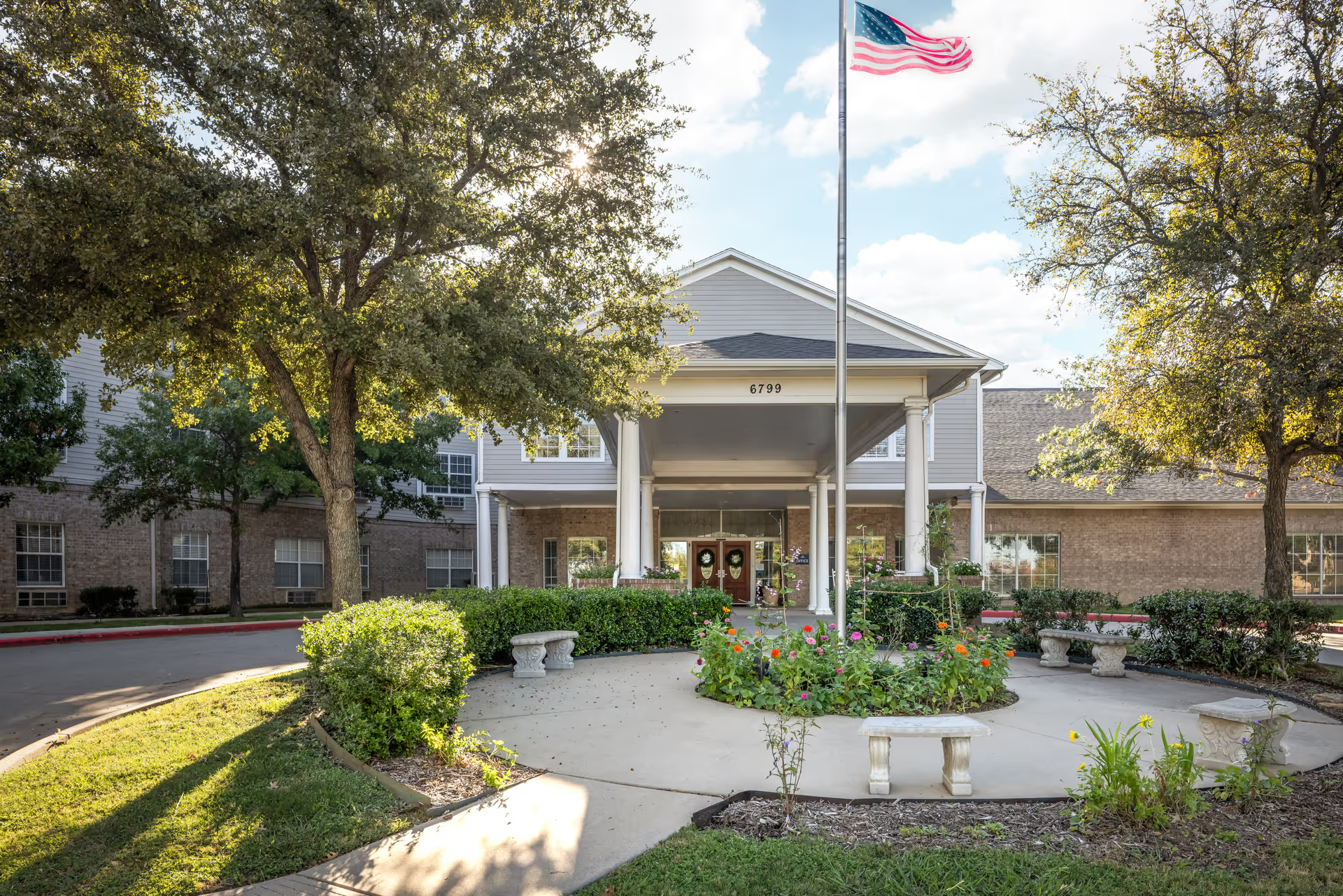
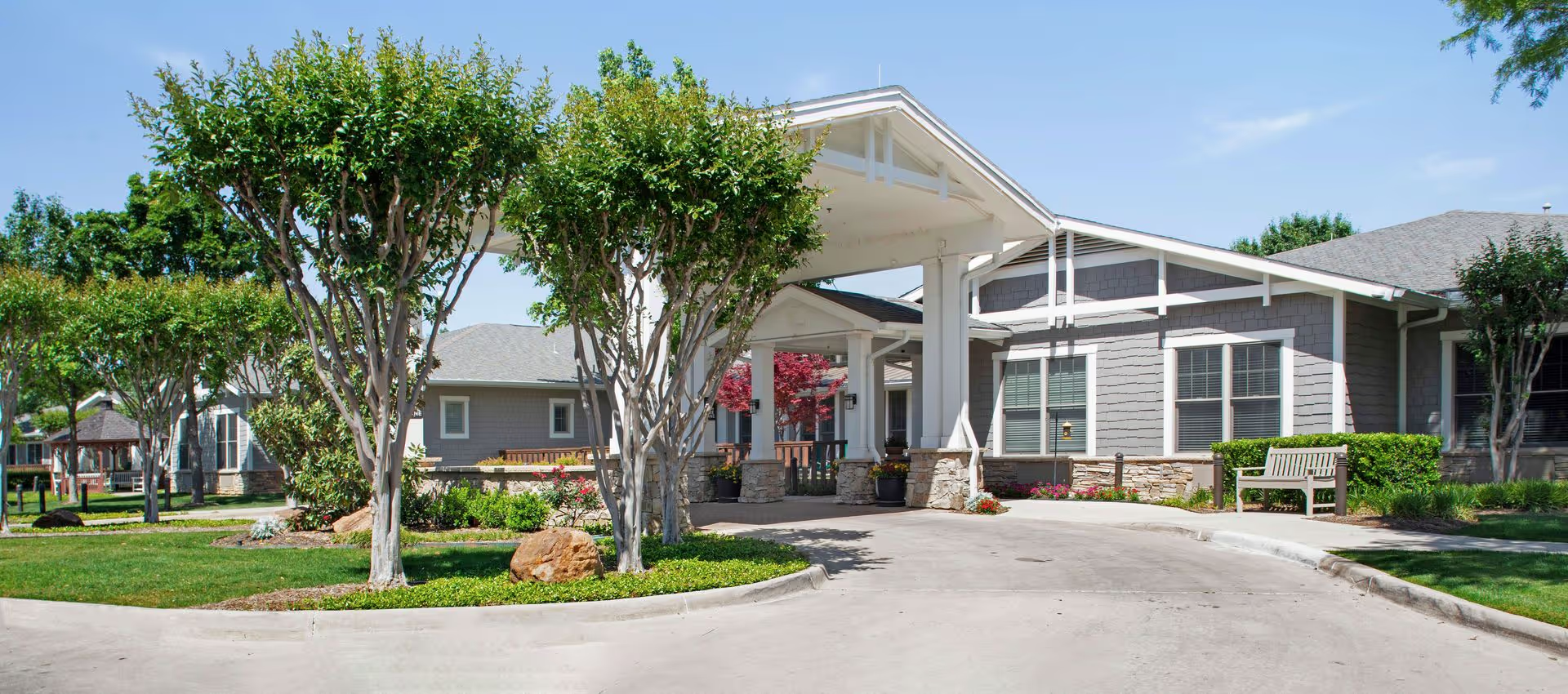
Facilities and safety The facility’s physical environment is often described as bright, updated and clean, with private apartments, patios, courtyard access and accessible single-floor options. At the facility level there are recurring safety and security concerns: control of access to rooms and belongings, missing items, and wandering/resident-supervision gaps. Sanitation processes and incontinence-care handling have been flagged as inconsistent in certain units, and long hallways or room distance from common areas are a practical consideration for mobility and daily routines.
Management, communication and operations A pattern of management turnover and administrative process issues appears repeatedly. Positive notes about leadership improving systems coexist with accounts of promises not completed, scheduling errors (transport or appointment coordination), and communication lapses between departments and families. These operational shortcomings have an outsized effect on family trust even when direct-care staff are viewed favorably.
Notable patterns and decision points for families Reviews are polarized: many families find Bethesda Gardens a welcoming, value-oriented, clinically supportive community; others experienced enough operational and safety concerns to relocate. For prospective residents and families, key due-diligence topics to raise during a tour include current staffing stability and turnover, medication-administration policies and audits, nurse-call response times, room-security measures, and how dietary needs and activity engagement are monitored and adjusted. Visiting during active programming and asking for examples of recent operational improvements can help assess whether the community’s strengths align with an individual’s clinical and lifestyle needs.