Overall impression: The facility receives consistently positive remarks for its person-centered care, welcoming culture, and well-maintained campus. Families and residents commonly highlight compassionate staff, long-tenured caregivers, and a faith-based nonprofit orientation that shapes the community environment. Memory Care is repeatedly described as competent in managing dementia-related behaviors and supportive toward families. Several accounts also emphasize good end-of-life supports, including hospice coordination and attentive final-hours care.
Care and staff: Staffing and caregiving are central strengths. Reviewers describe staff as kind, patient, and responsive, with staff members who provide transition support and maintain regular communication with families. The longevity of personnel contributes to continuity of care and familiarity with resident needs. Memory Care services are noted for practical skill in dementia-related behaviors and for establishing consistent routines that benefit residents’ daily functioning.
Dining and activities: Dining is a consistent area of satisfaction. Meals are described as well-prepared, varied, and accommodating of dietary needs (including diabetic-friendly options), with several families saying the food is an improvement over prior placements. The community offers a broad calendar of activities, fitness amenities such as a workout room, and accessible outdoor areas including a lake and a dog park, which support social engagement and physical wellness.
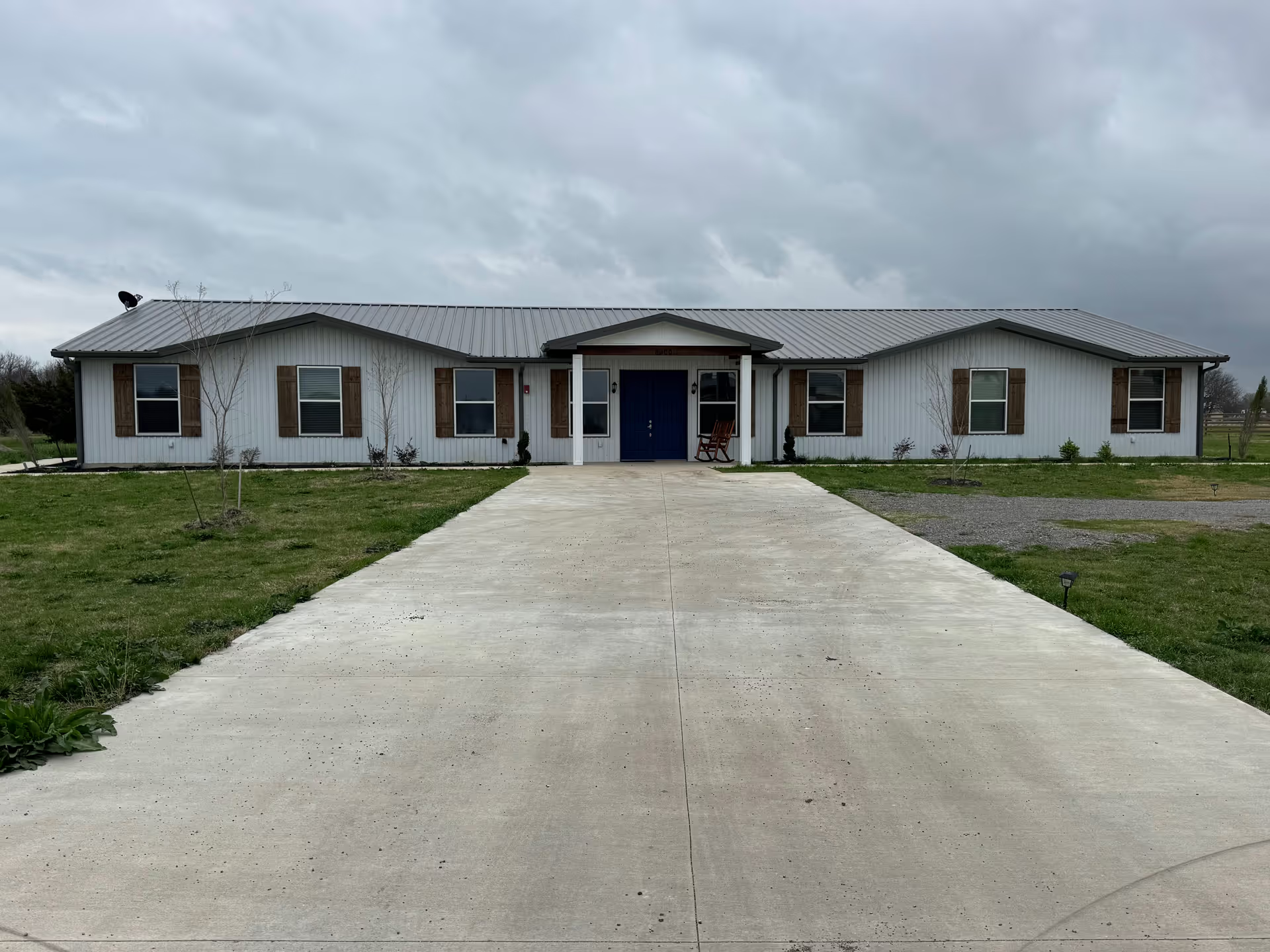
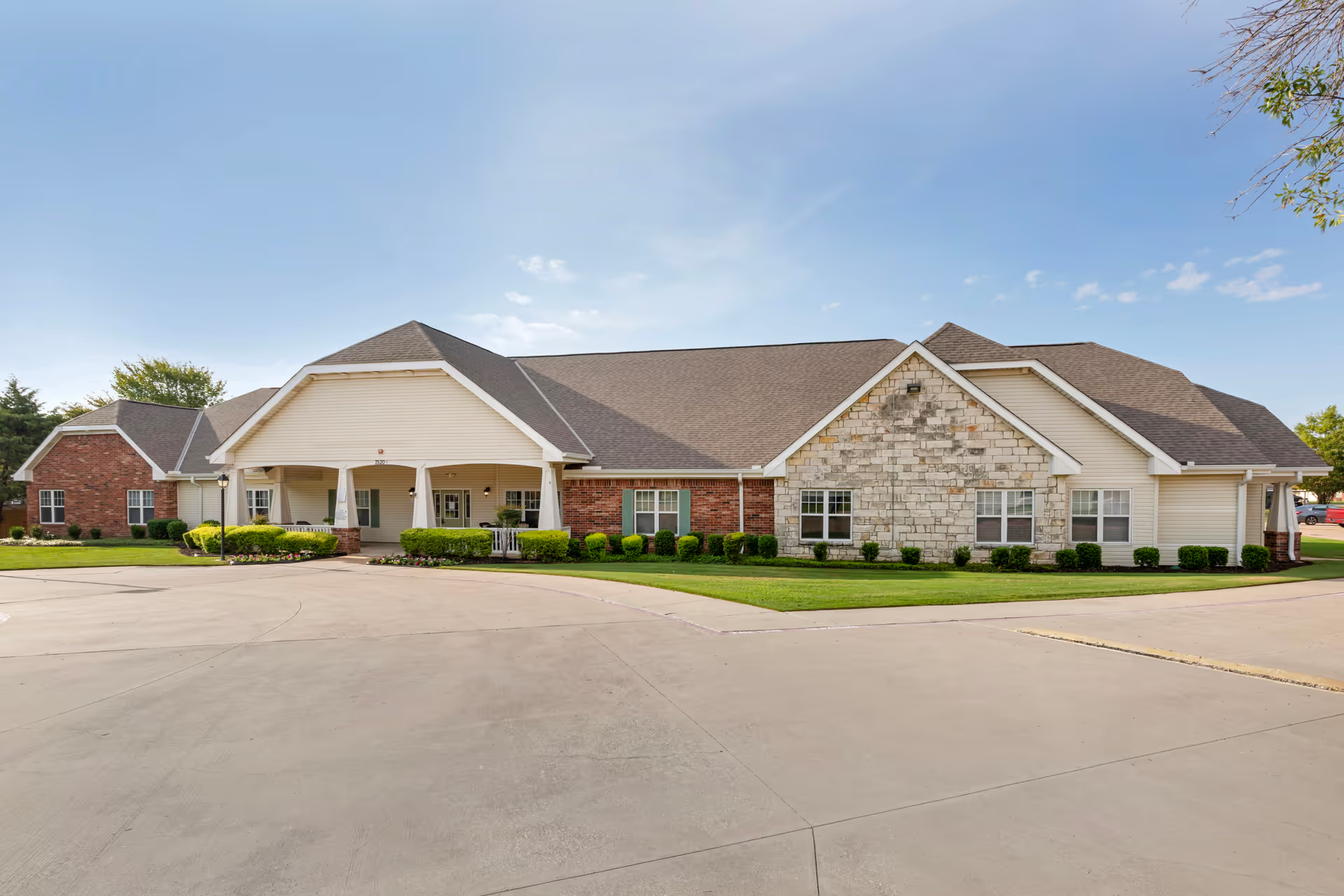
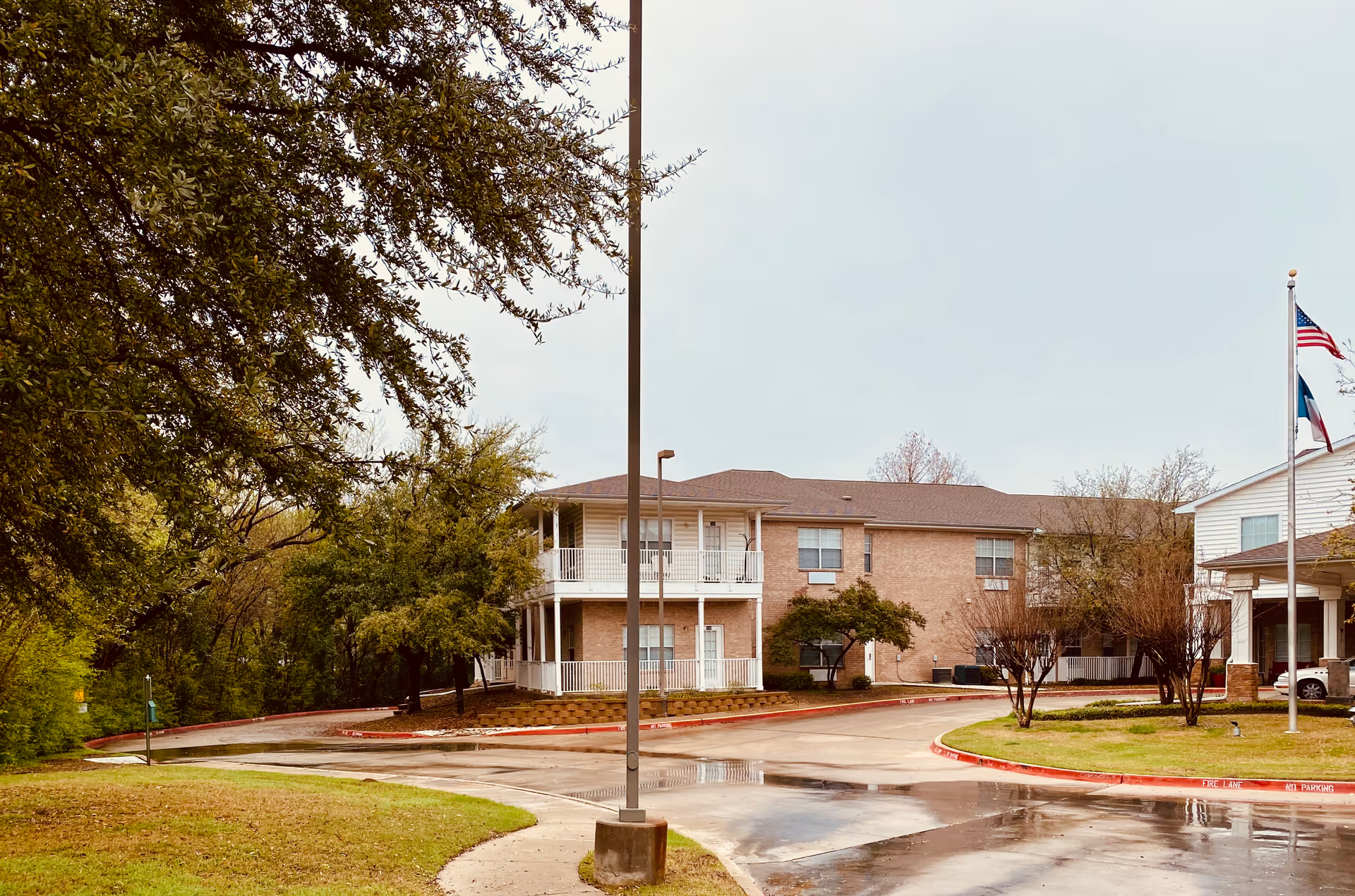
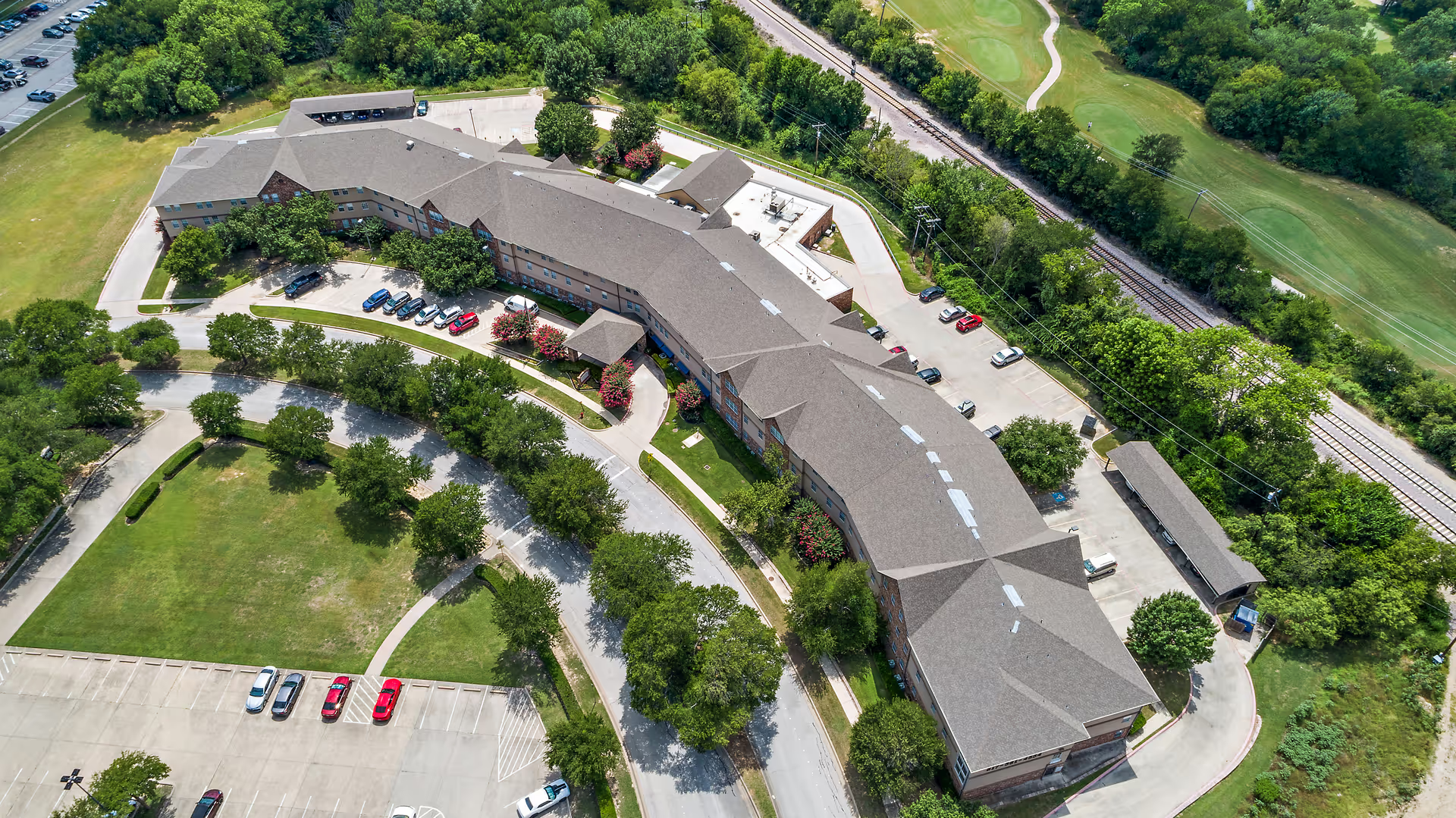
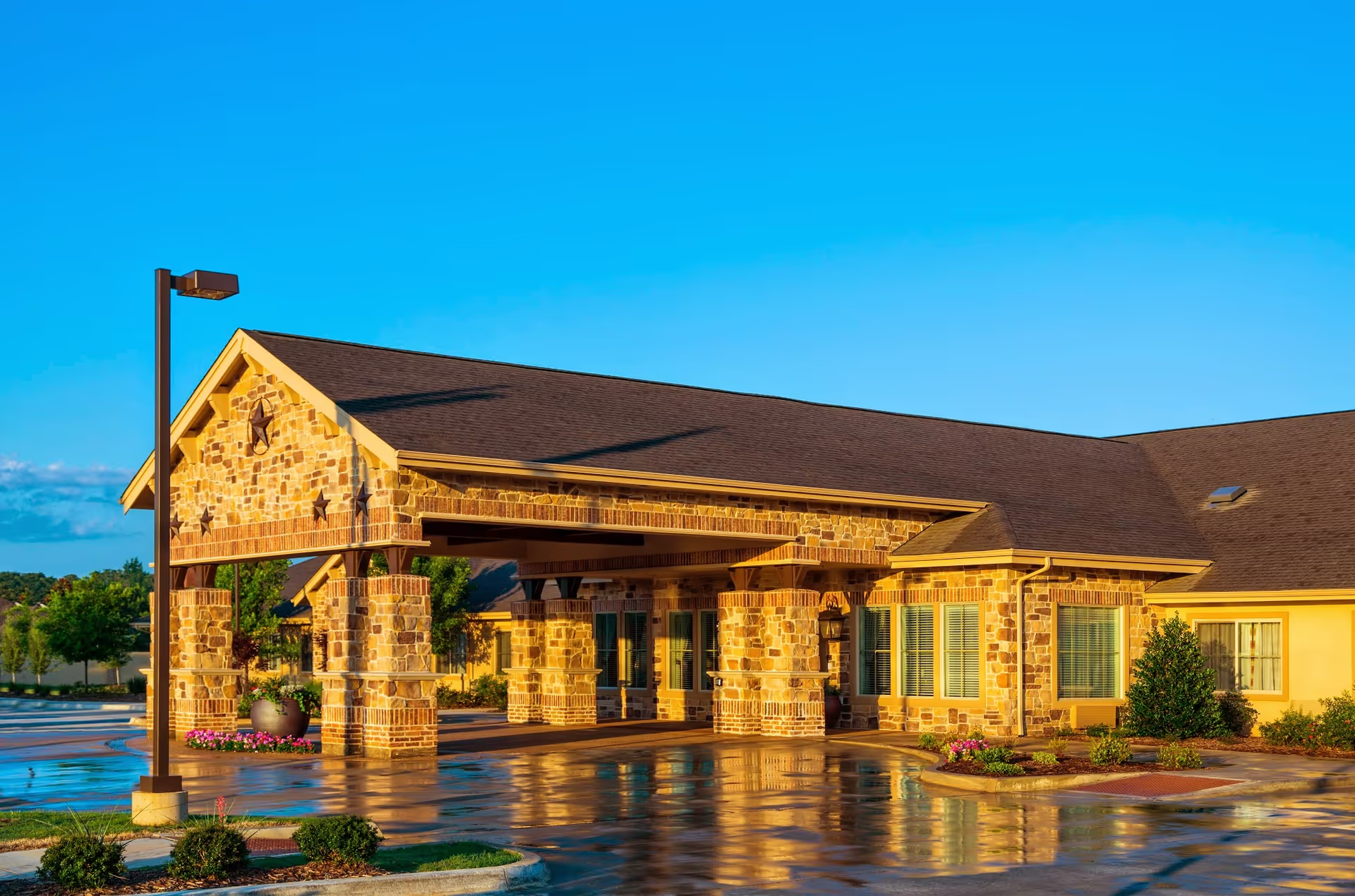
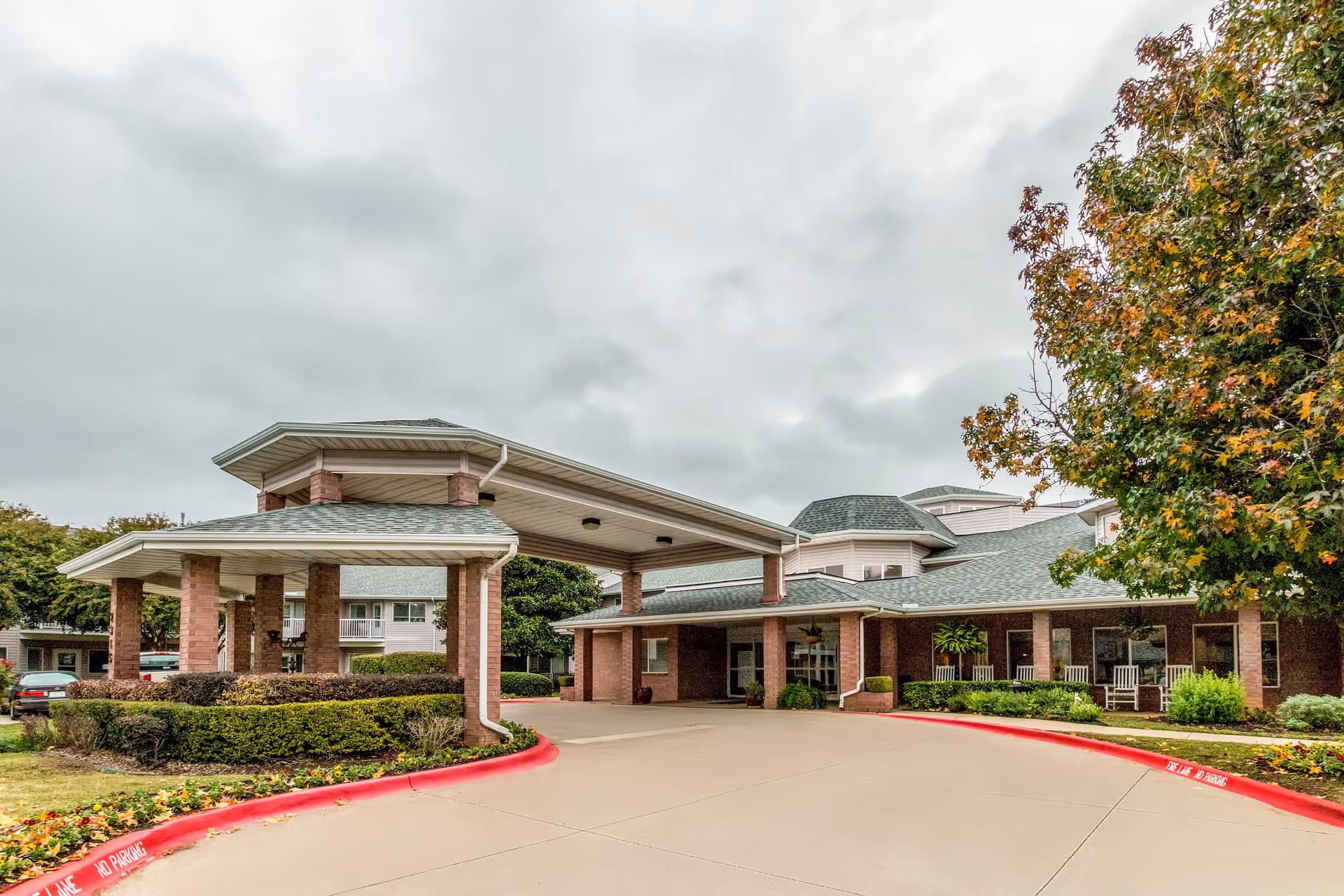
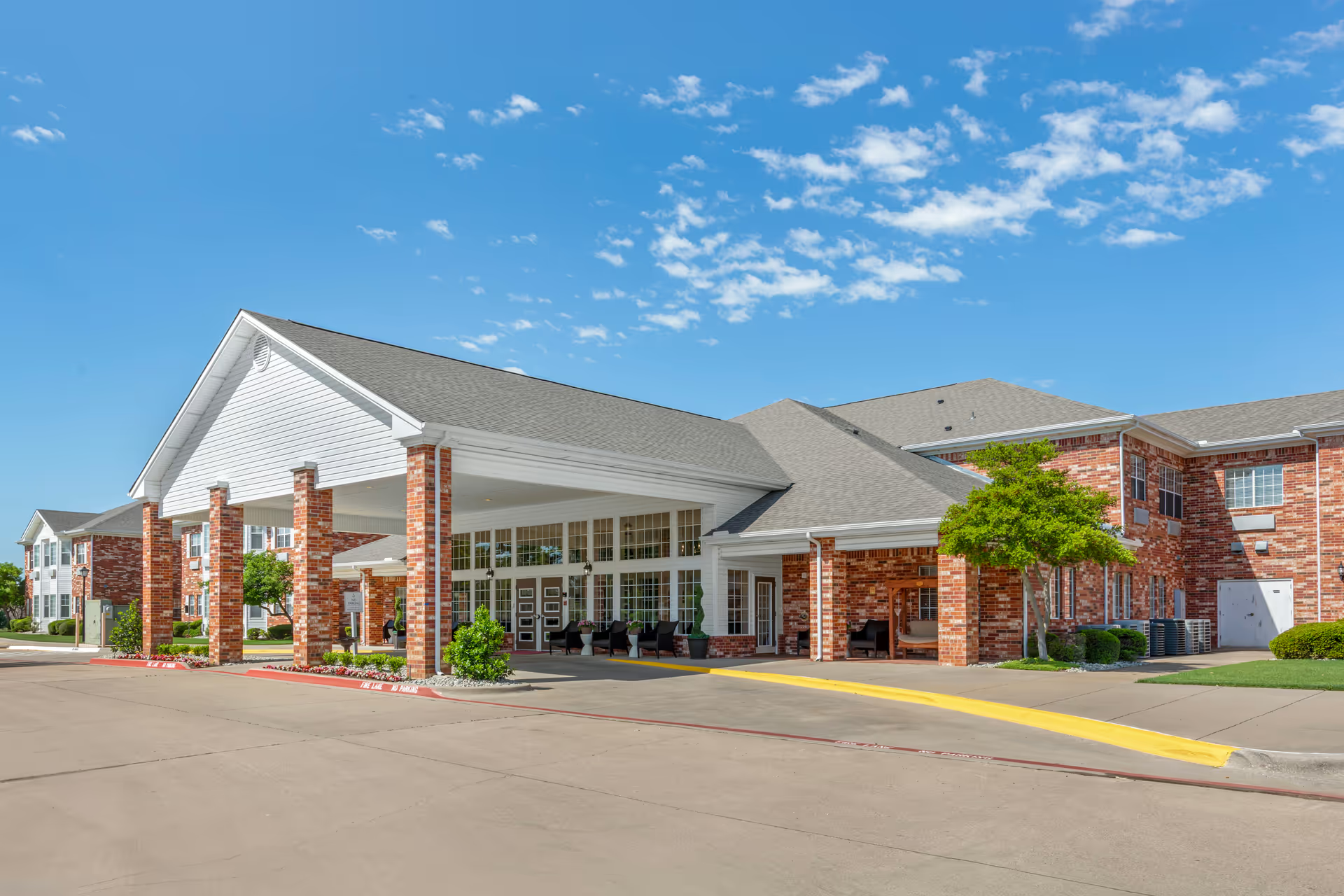
Facilities and environment: The physical campus is characterized as clean, bright, and well-maintained, with cheerful common spaces and landscaped grounds. Apartment offerings range in size and configuration, and many families appreciate larger independent units and comfortable, private rooms. The natural setting and outdoor amenities are repeatedly cited as contributors to resident satisfaction and quality of life.
Management and notable patterns: The provider’s nonprofit, faith-based identity and experienced leadership appear to contribute to a stable operational culture and family-centered practices, including pandemic-era safety measures and flexibility for family visits. Common themes across reviews are strong staff–resident relationships, effective memory-care programming, and high marks for dining and sanitation.
Areas to consider: Layout and unit configuration emerge as the main operational limitations. Some units have smaller floor plans and long corridors that can reduce incidental social interaction; variable apartment layouts mean that the social experience can differ depending on unit choice. Prospective residents and families should verify apartment size and floor-plan location relative to communal areas to ensure the desired level of privacy versus daily social engagement.
Bottom line: The community presents as a well-run, compassionate option with strengths in caregiving continuity, memory-care competence, quality dining, and an engaging activity program. Site-specific factors such as unit size and corridor layout merit attention when touring, so families can match a particular apartment to their social and mobility preferences.