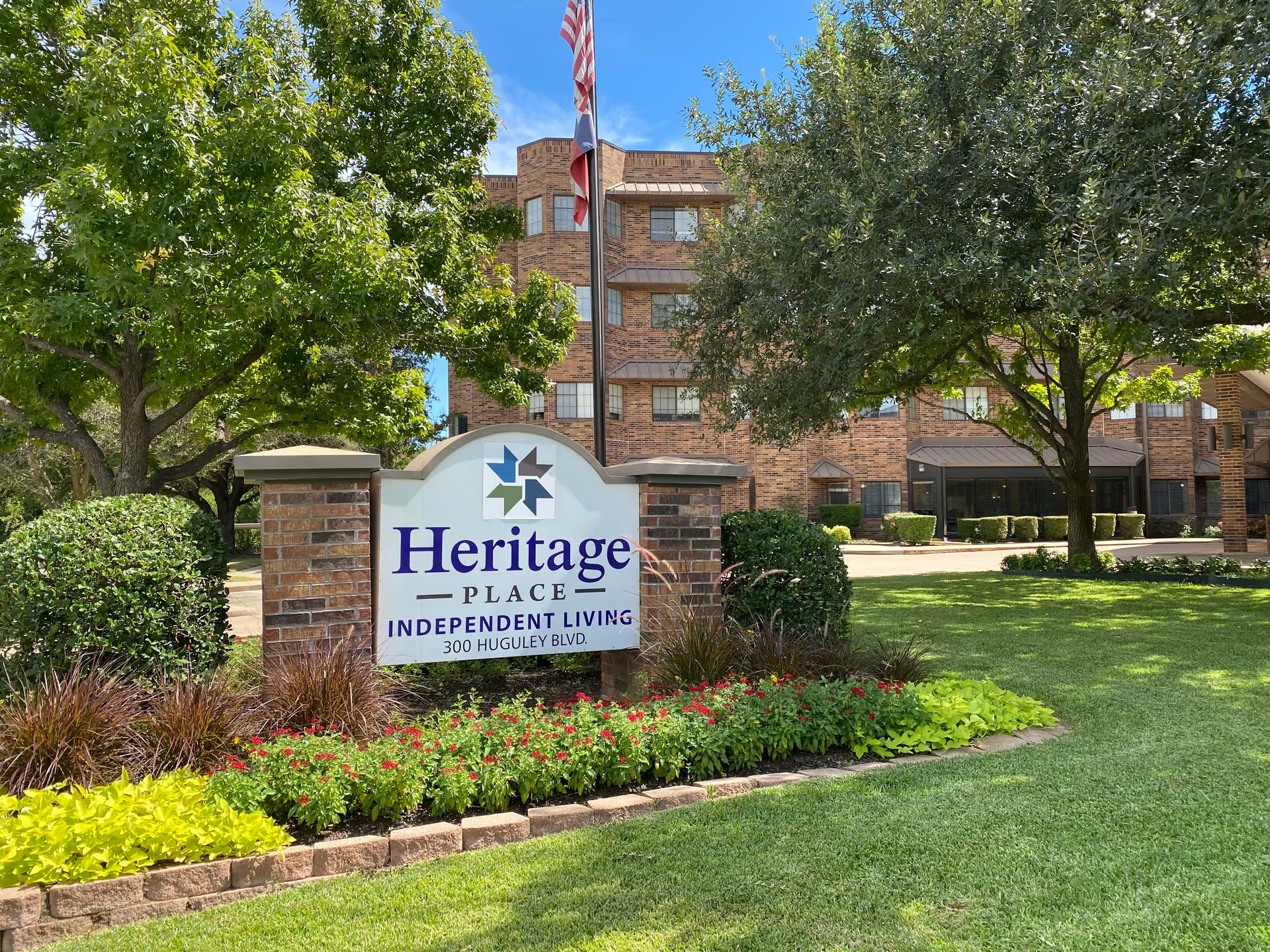
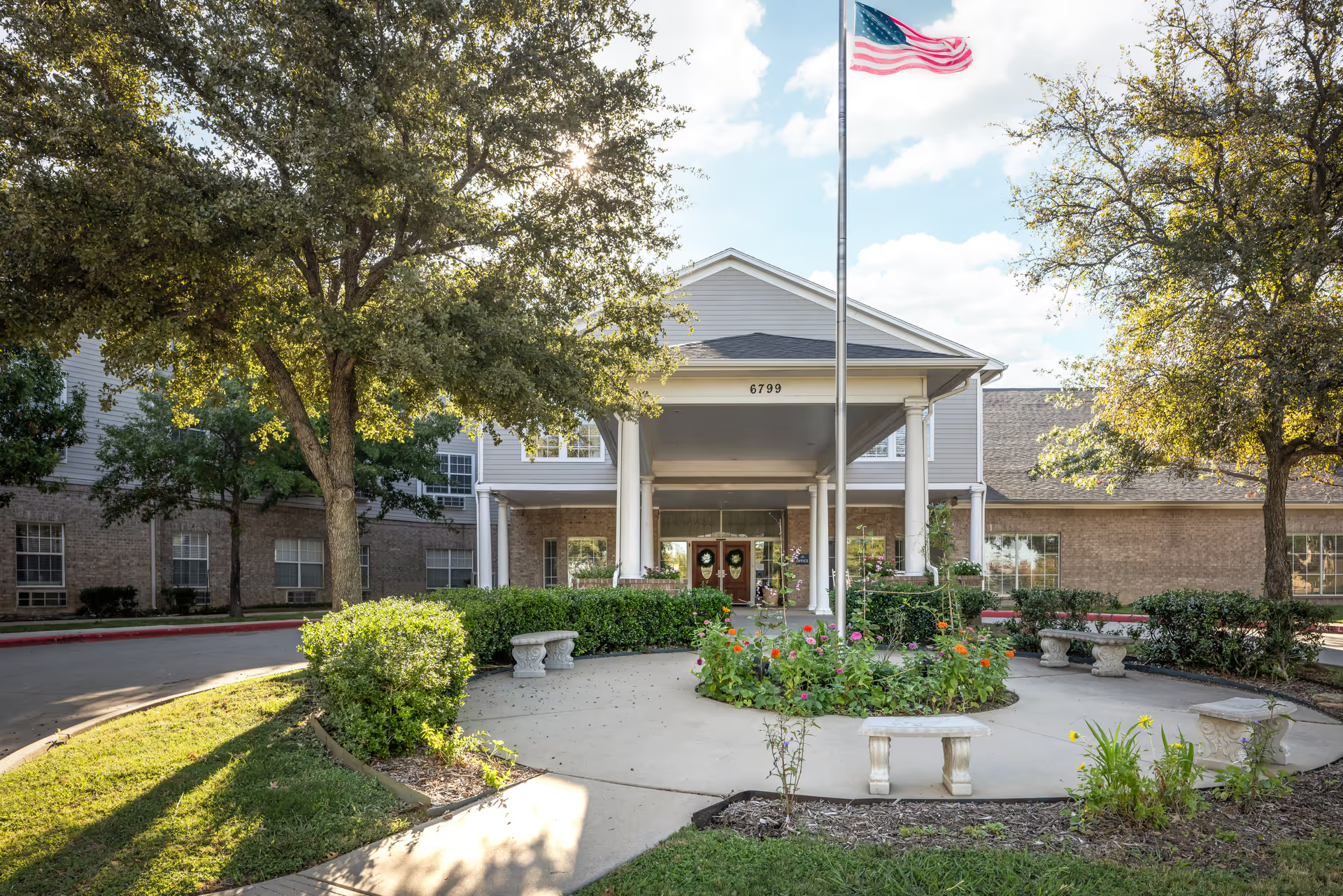
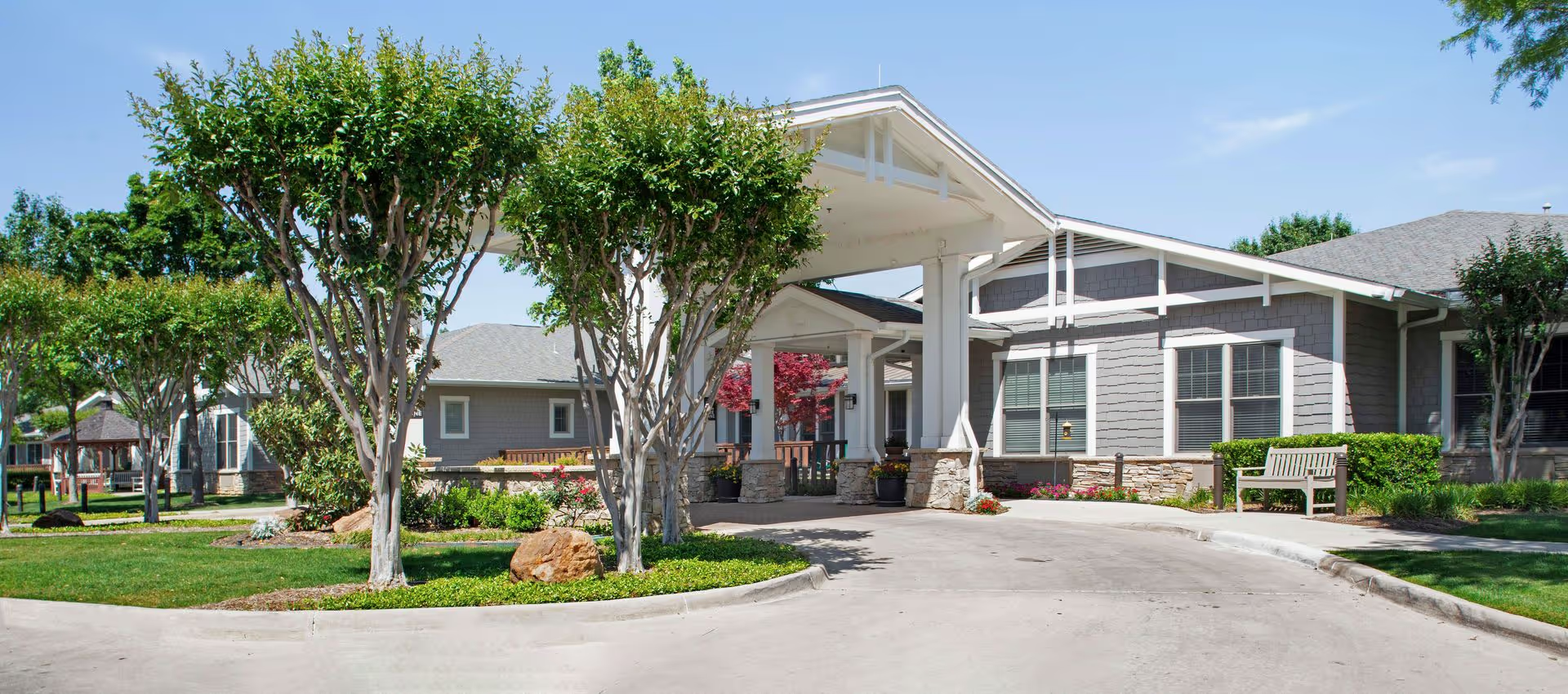
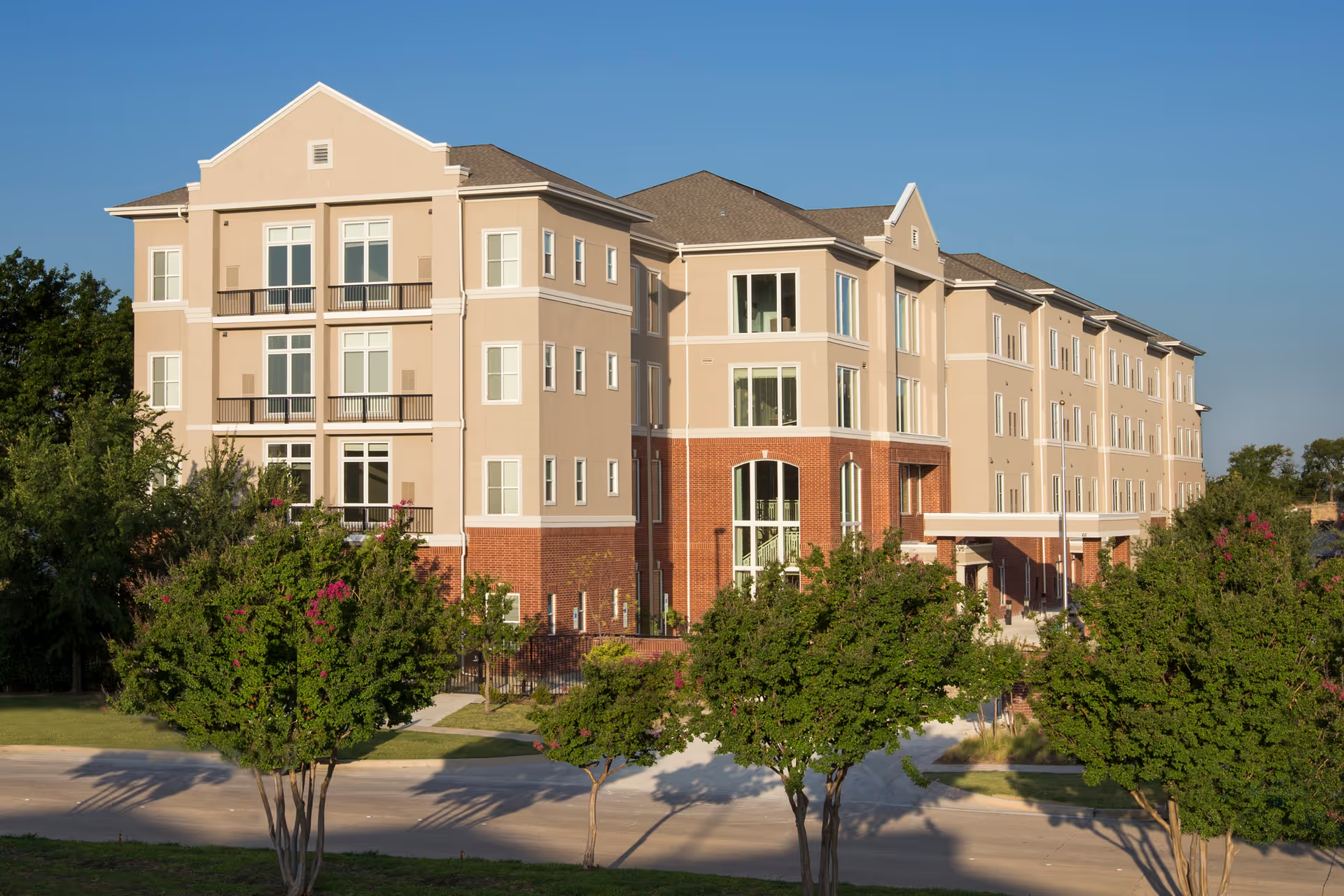
The reviews for Estates Healthcare & Rehab Center present a strongly polarized picture: many reviewers describe a recently renovated, attractive building with engaged leadership and staff who provide genuine, resident-centered interactions, while others describe operational and clinical concerns that significantly affect the resident experience. Prospective residents and families will find evidence of visible administration, an active activities program, attentive dietary and housekeeping teams, and short-term rehabilitation offerings. Several accounts emphasize meaningful improvements under new management and highlight wings or shifts where staff demonstrate strong teamwork and good family communication.
Care quality appears inconsistent across units and shifts. Positive accounts note compassionate direct-care staff and responsive teams that adapt care plans. However, a recurring pattern of issues includes delayed or inconsistent assistance with activities of daily living (bathing and transfers), concerns about medication timing and administration, and delayed responses to call lights. Multiple reviewers describe coordination problems between nursing staff and physicians and cases where clinical escalation or hospital transfers were perceived to be delayed. These patterns point to variability in clinical oversight and handoff processes rather than a uniform level of care throughout the facility.
Staffing and staff conduct are central themes. Praises focus on individual CNAs, nurses, and administrators who are described as caring and communicative. Conversely, many reports describe high turnover, understaffing, and variable staff conduct or tone toward residents and families. The inconsistency suggests that staffing stability and training vary by unit or shift and that positive leadership presence can materially improve the experience where it is sustained.
Dining and activities are relative strengths. Multiple reviews commend the dietary team for attentive meal service and the activities program for resident engagement and family events. Housekeeping and maintenance receive many favorable comments regarding cleanliness and prompt attention when issues are raised, although other reviews note occasional odor and sanitation concerns and isolated equipment or utility problems (electrical/HVAC, water access, oxygen tubing maintenance).
Management and administrative performance are described as mixed. Several families praise an involved, communicative administrator who improves transparency and problem resolution; other families describe slow or inadequate administrative follow-through and difficulty reaching business office or clinical leadership. There are also serious individual claims about mishandling of belongings, documentation, and billing disputes; these have led to strong negative perceptions in affected families and, in some cases, calls for external review.
Notable patterns across reviews are unit-level variability and marked improvement over time in some cases. Positive and negative experiences often cluster by wing, shift, or timeframe, which suggests that oversight, staffing levels, and leadership engagement materially affect outcomes. For families considering this facility, an in-person tour that includes meetings with the unit nursing leader and administrator, review of recent staffing patterns, clarity about care-plan communication, and written assurances about handling of personal belongings and documentation would be prudent steps. Follow-up questions should focus on staffing ratios, call-response times, medication-management protocols, and behavioral-management procedures to assess consistency of care across the facility.