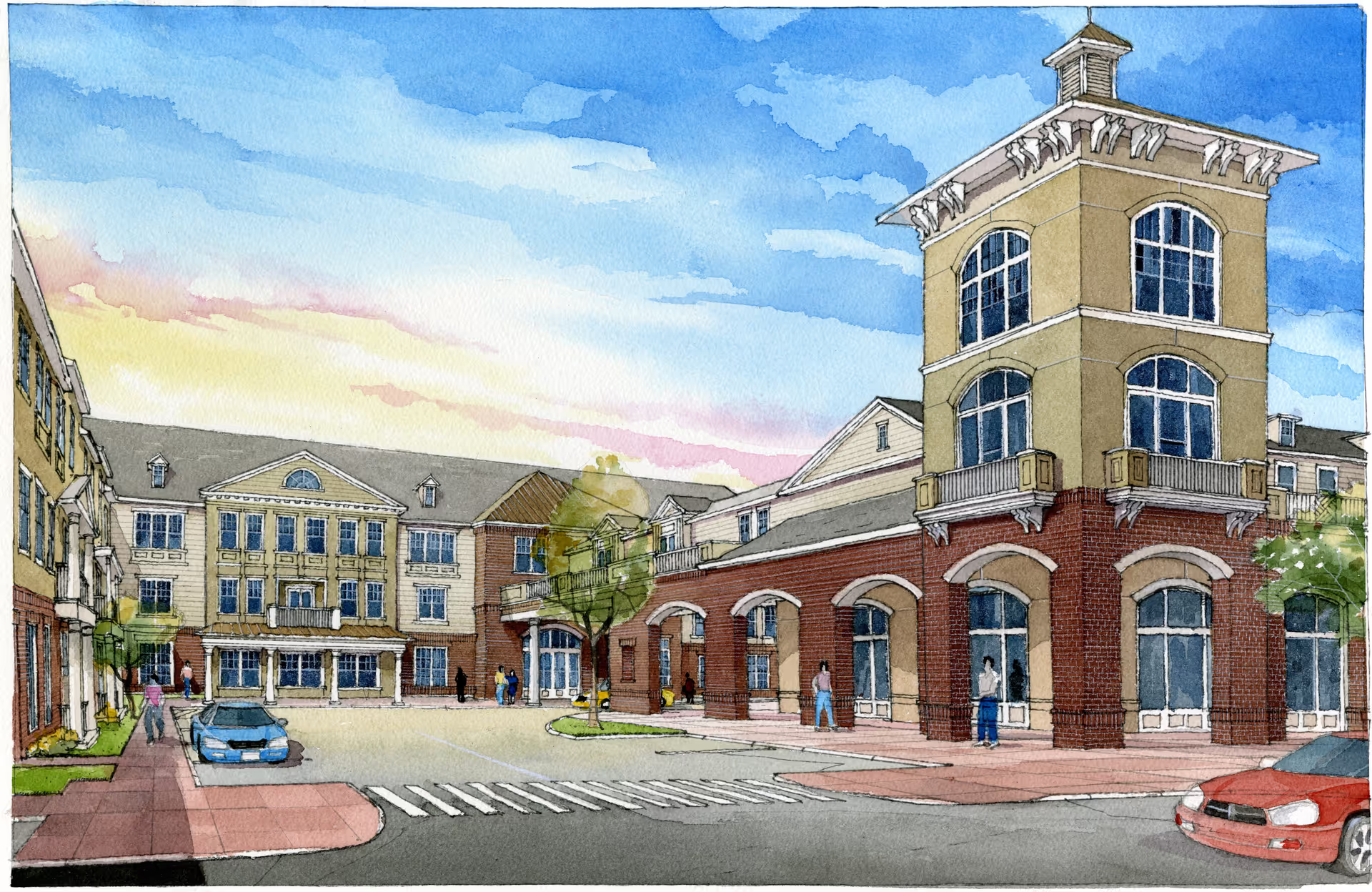
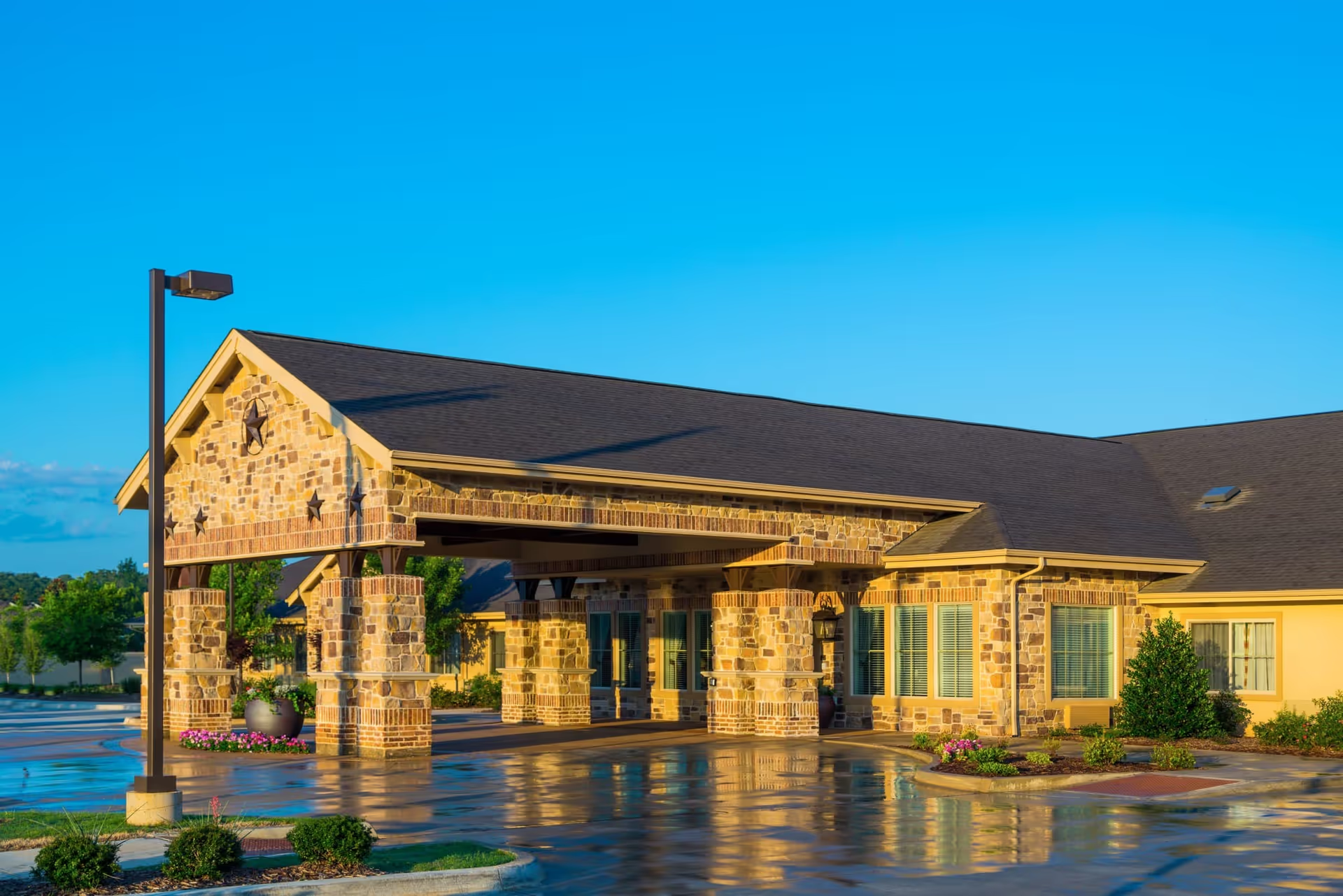
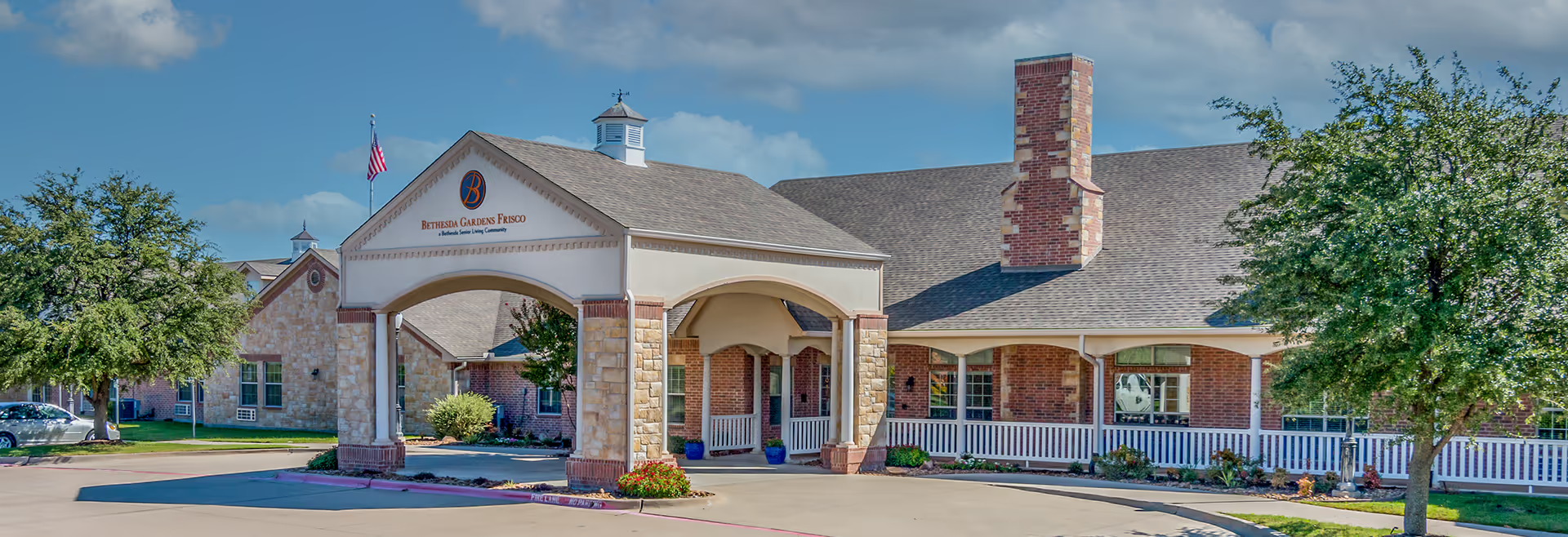
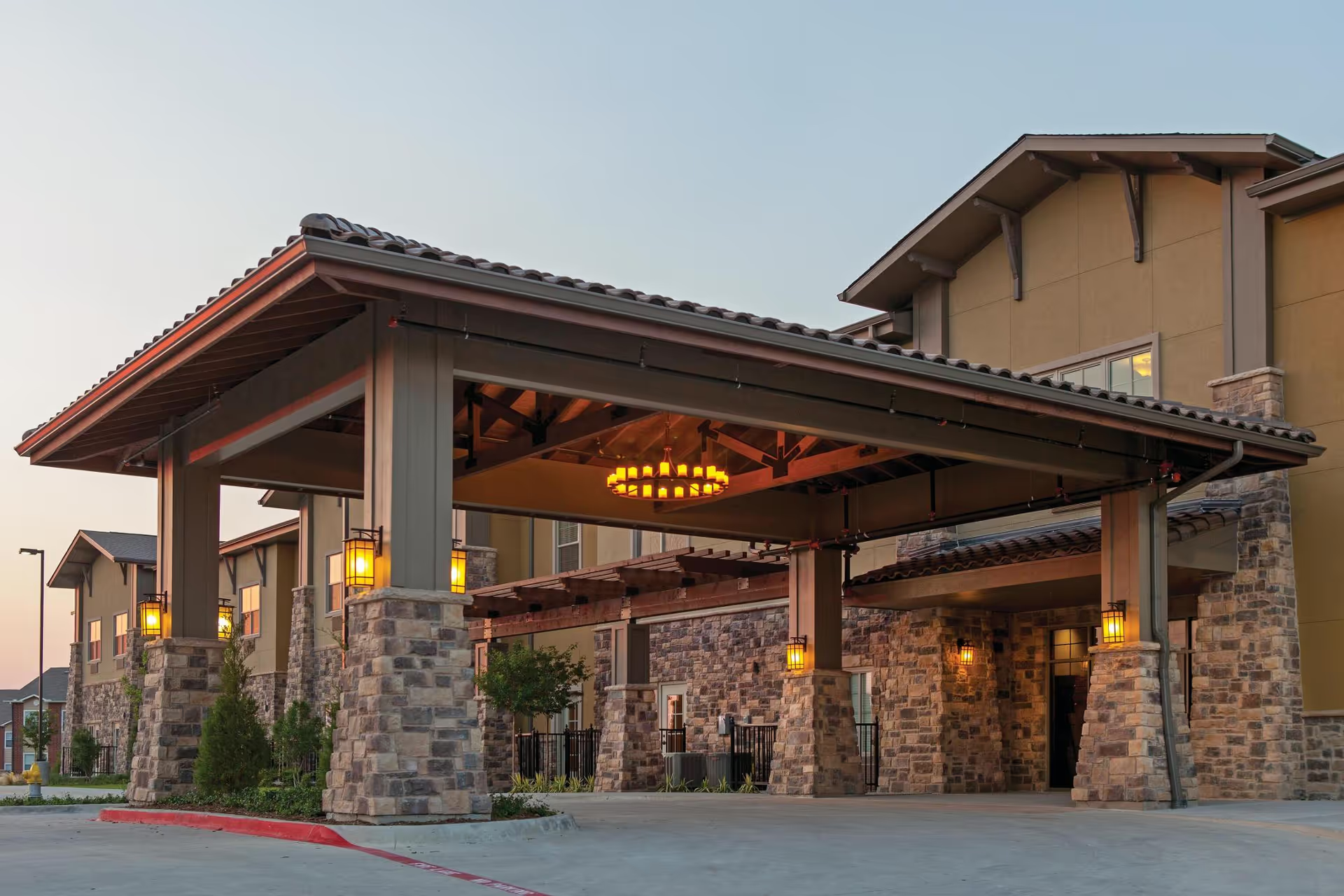
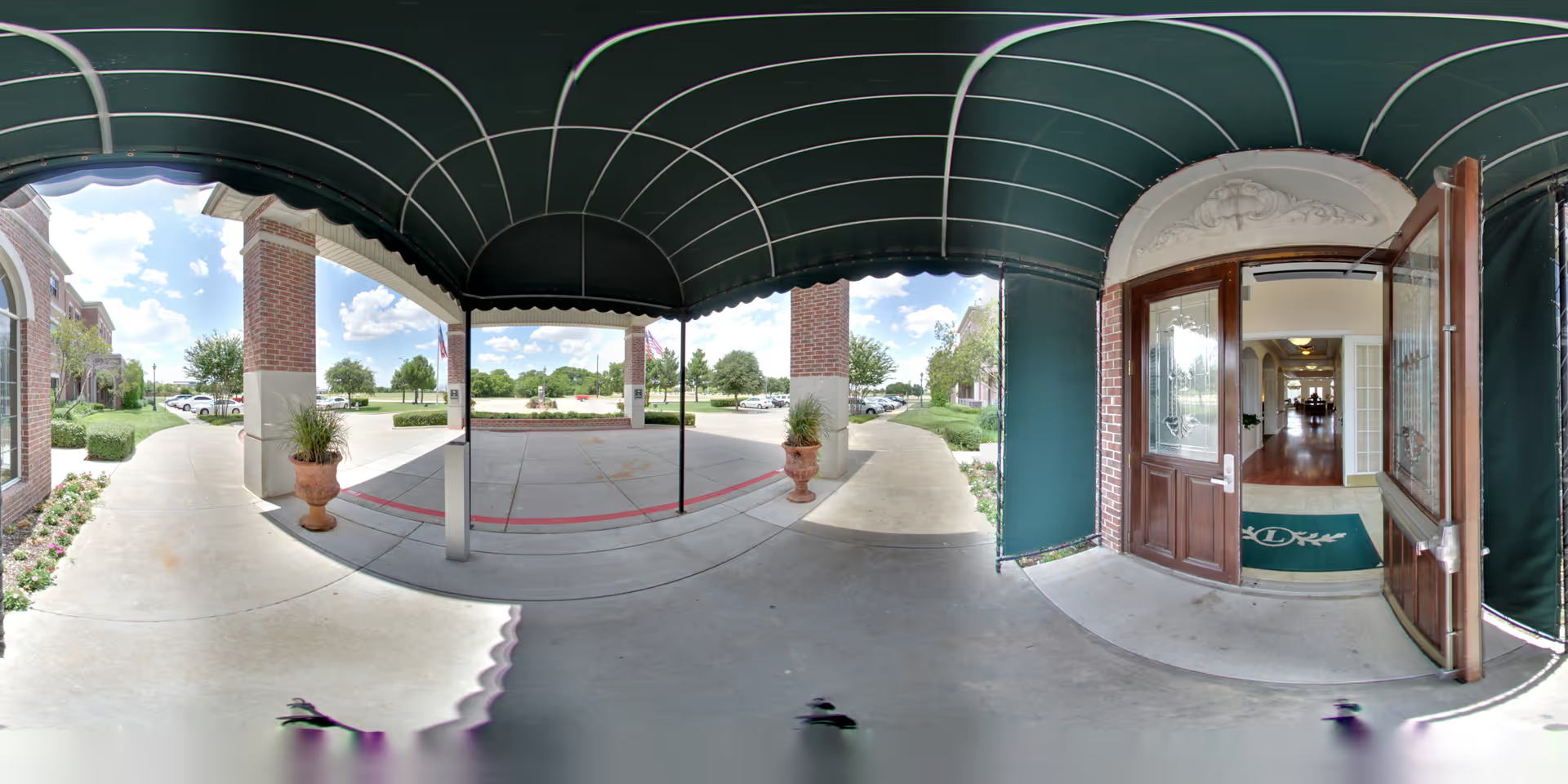
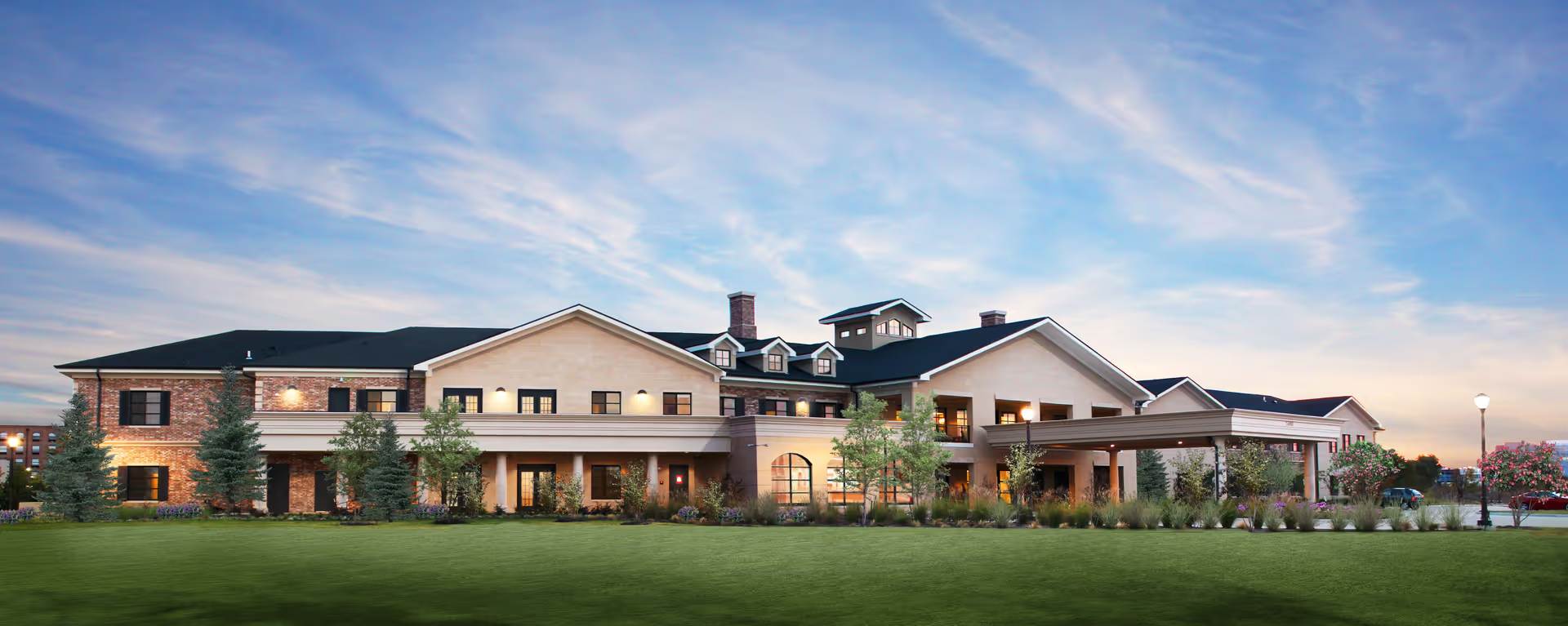
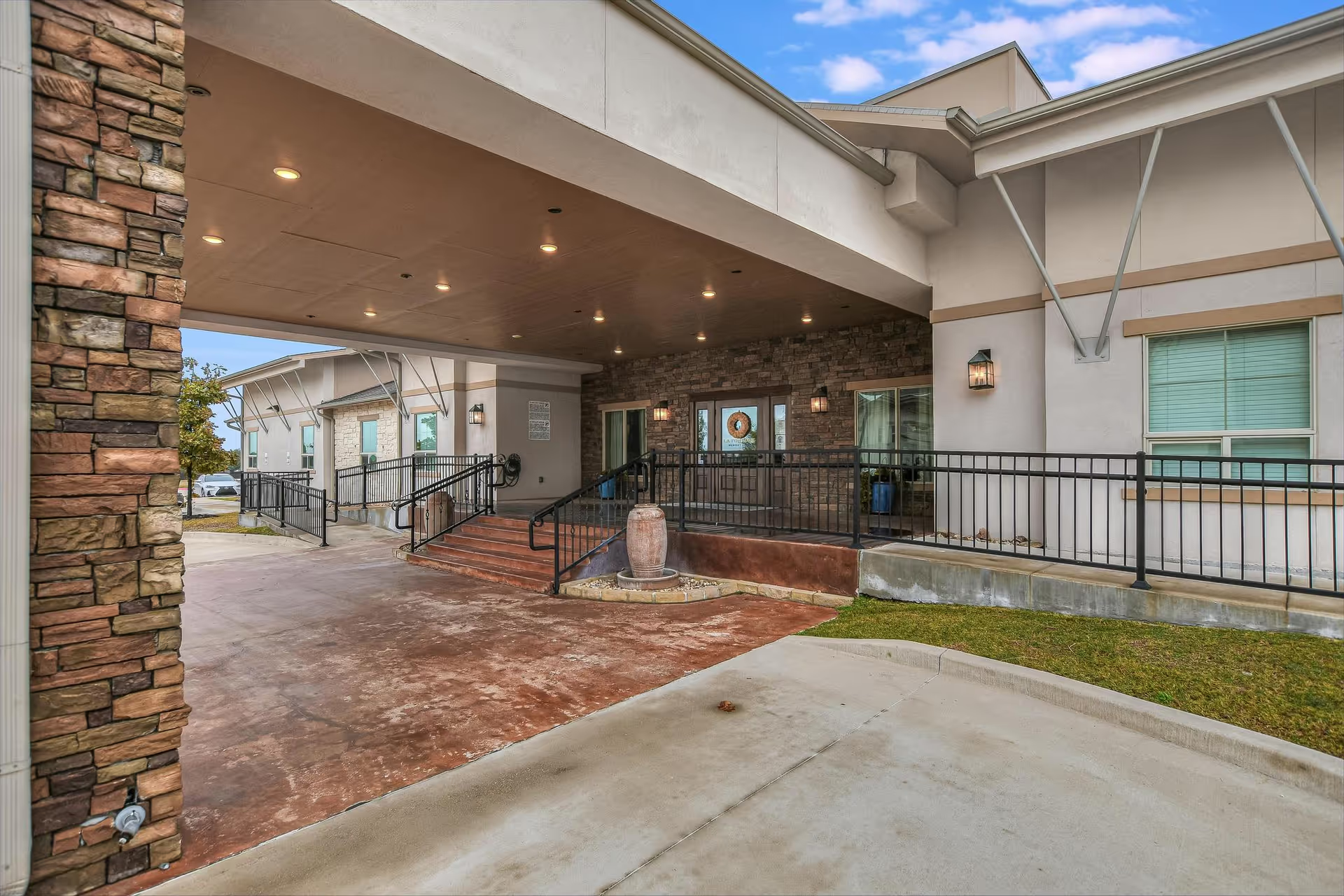
Watermere at Frisco presents as a modern, hospitality-style independent living community with a broad range of amenities and an unusually active social calendar. The property and public spaces are frequently described as new, well-decorated and hotel-like, and apartment options come in multiple floor plans with roomy layouts and many desirable features (in-unit kitchens or full kitchens, washer/dryer hookups, patios, ample closets). Shared amenities commonly cited include an indoor heated pool, well-equipped fitness center, multiple courtyards, a ballroom/wine-bar atmosphere, game and media rooms, and bi-weekly housekeeping. The community’s location near medical clinics, grocery stores, and restaurants is noted as convenient for families and residents.
Staff and care quality receive predominantly positive comments. Many reviewers praise the front-line teams, activity leadership, dining staff and named individuals who contribute to a welcoming culture; activity directors and concierge-style staff are frequently lauded for integrating new residents and maintaining a busy, engaging calendar. On-site rehabilitation services and an available physical-therapy group are highlighted as valuable health-support resources. That said, there are repeated notes about variability in customer-service consistency (particularly at reception and maintenance), and periodic staffing turnover that can affect day-to-day continuity.
Dining and nutritional services earn high marks for culinary effort and presentation, with multiple references to restaurant-quality meals and accommodating servers; free continental breakfasts and a variety of meal-plan structures are part of the offering. However, reviewers also point to operational limitations: meal service is not uniform across all days, some meal types require extra fees, and there are occasional complaints about food temperature or inconsistent quality. Prospective residents should review the meal-plan options and fee schedule closely to understand what is included versus billed as an add-on.
Activities and lifestyle are central strengths. The community runs an extensive activities program (many events per month), including fitness classes, water aerobics, clubs, card games, themed parties, outings to theaters and restaurants, and regular shopping/doctor-appointment transportation. This environment suits independent, active seniors who want a socially rich lifestyle; multiple accounts describe quick social integration and strong peer connections. Conversely, several comments indicate the community is less well-suited for people who prefer a quieter or less activity-driven environment or those who require extensive clinical or assisted-care services.
Operational and management patterns are mixed. Leadership and specific staff members receive frequent praise for commitment and visibility, but there are recurring operational concerns: inconsistent maintenance response times, occasional infrastructure failures (elevator or utility outages), variable front-desk responsiveness, and management communication or follow-up gaps. Pricing transparency and add-on charges (meal fees, parking costs, deposit issues) are common points of friction; families frequently advise careful review of contracts, move-in deposits, and the community’s fee schedule. More serious service concerns—including questions about the facility’s ability to manage higher-acuity clinical incidents and follow-through after critical events—appear in a small number of accounts and suggest that families of residents with significant medical needs should confirm escalation pathways and the availability of higher-level care nearby.
Overall, Watermere at Frisco is consistently described as a high-amenity, activity-focused independent living community with strong culinary and social programming and many satisfied long-term residents. It tends to be best suited to active, independent seniors who value a busy social life and resort-like facilities. Prospective residents and families should weigh the community’s strengths against noted operational issues—maintenance responsiveness, fee transparency, and limits to on-site clinical care—by asking specific questions about service-level guarantees, contract terms, and contingency plans for higher-care needs during tours and contract review.