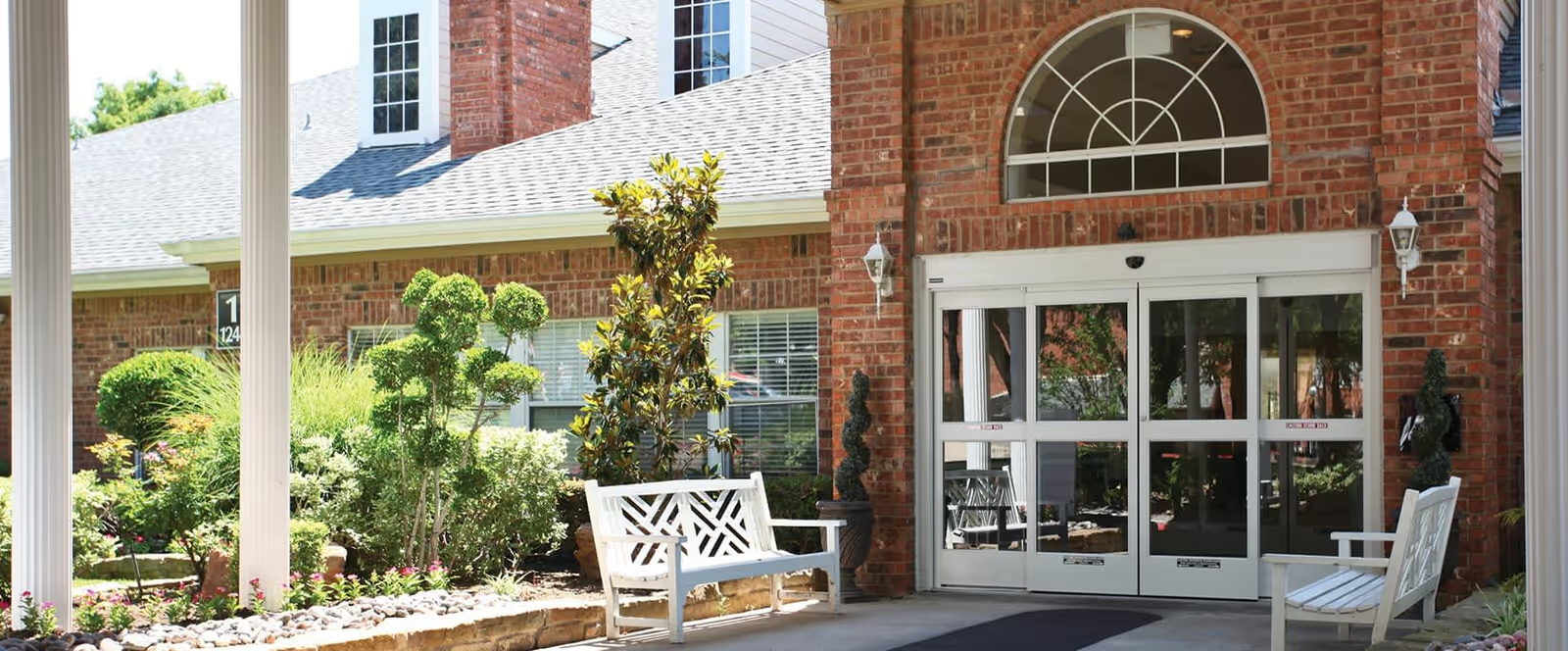
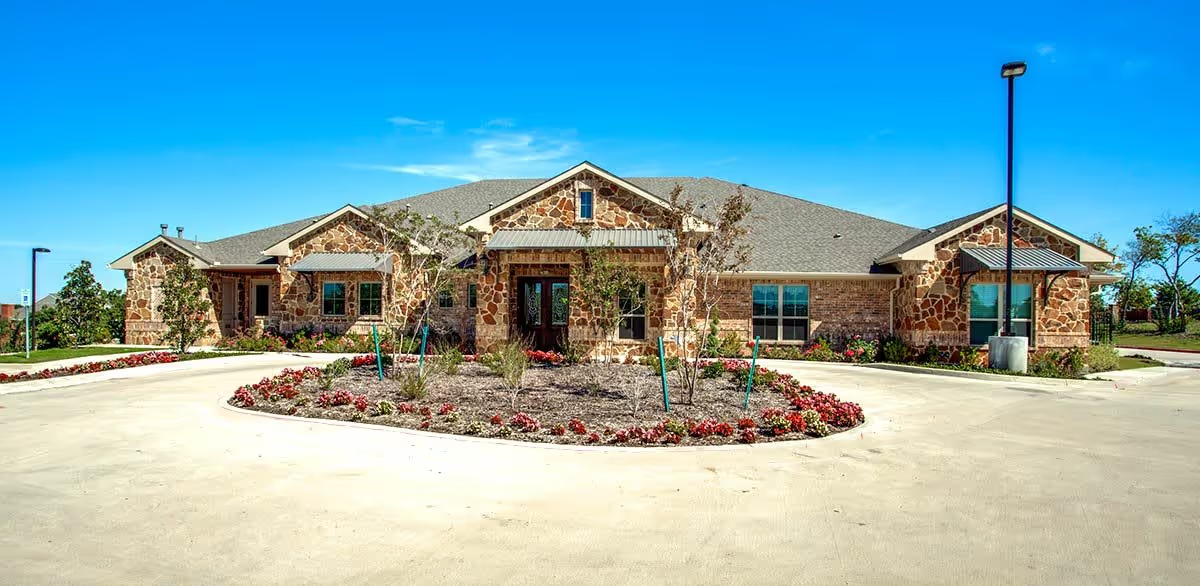
The reviews present a highly polarized picture of Garland Nursing & Rehabilitation Center: many families praise clinical rehabilitation, day-to-day caregiving, and an active programming environment, while others raise significant operational concerns. Positive comments emphasize a robust therapy suite, personalized physical-therapy progression, engaged activities (bingo, holiday events, outings), and named staff who provide compassionate hands-on care. The memory-care unit and certain department leads and social-work staff receive consistent positive mention for supportive, family-oriented approaches and successful short-term rehabilitations.
At the clinical level there are mixed reports. Several families described effective therapy regimens, attentive wound care in some cases, and helpful speech and occupational services that aided recovery after surgery. Conversely, reviews also flagged lapses in clinical processes: delayed analgesia and assistance, medication-administration discrepancies, and instances where wound or pressure-injury monitoring appeared inadequate. A small number of reviewers alleged serious incidents such as misdispensed medications and confidentiality breaches; these statements indicate potentially high-impact operational failures that warrant direct verification with the facility and regulators.
Staffing and conduct are recurring themes. Many reviews single out individual caregivers as caring and responsive, while others note short staffing, limited aide presence during later shifts, and periods when call lights go unanswered. Families described variable professionalism and communication tone among staff and leadership, and indicated that staffing gaps correlate with slower assistance, inconsistent hygiene routines, and reduced supervision. Phone and front-desk responsiveness also emerged as an area of inconsistency, complicating family communication.
Dining and activities are generally strengths but not uniformly so. The activities program and its coordinator receive repeated praise for keeping residents engaged and socially active. Dining comments are mixed: some reviewers commend food quality and dietary accommodations, while others report inconsistent meal quality and service timing issues that impact resident satisfaction.
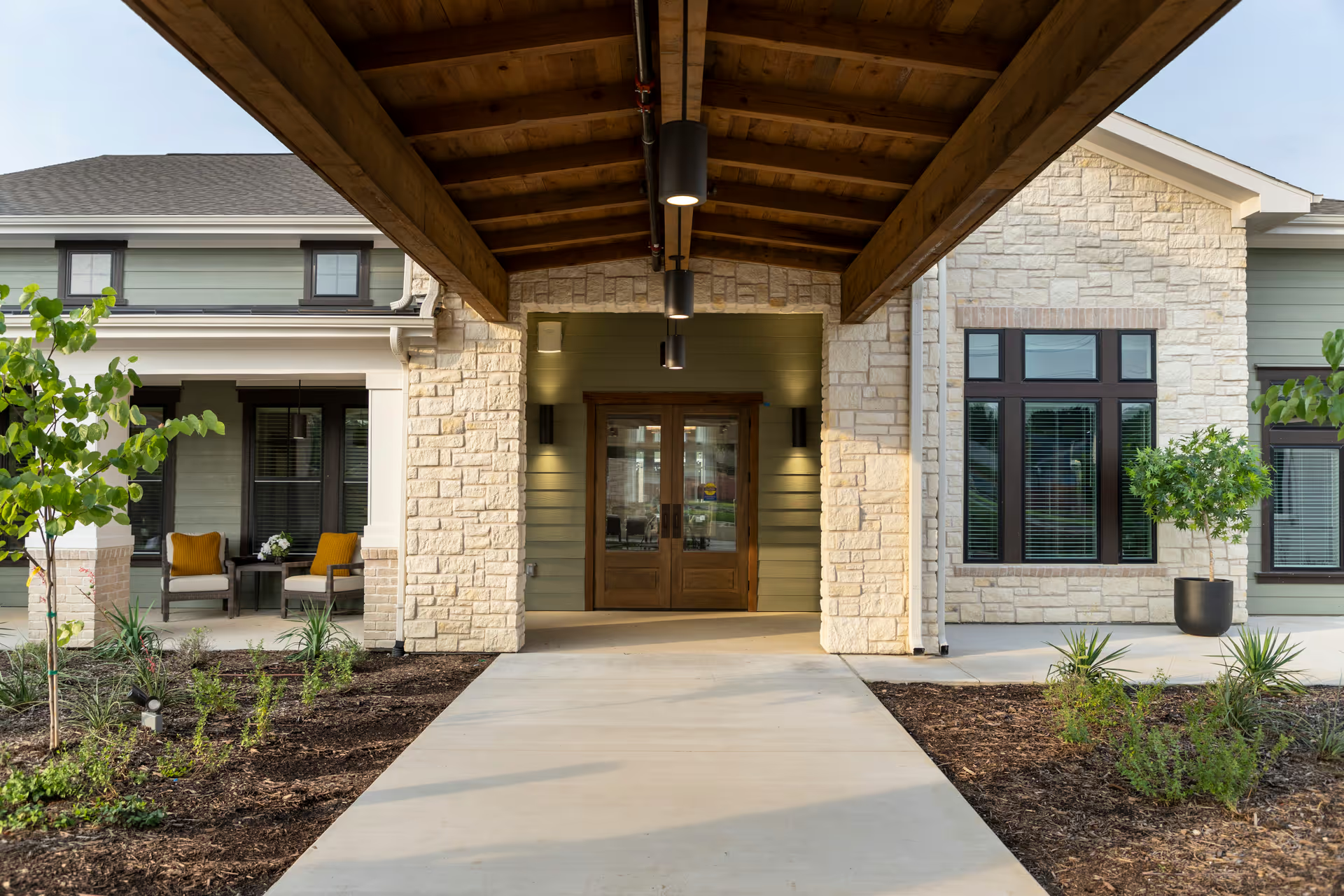
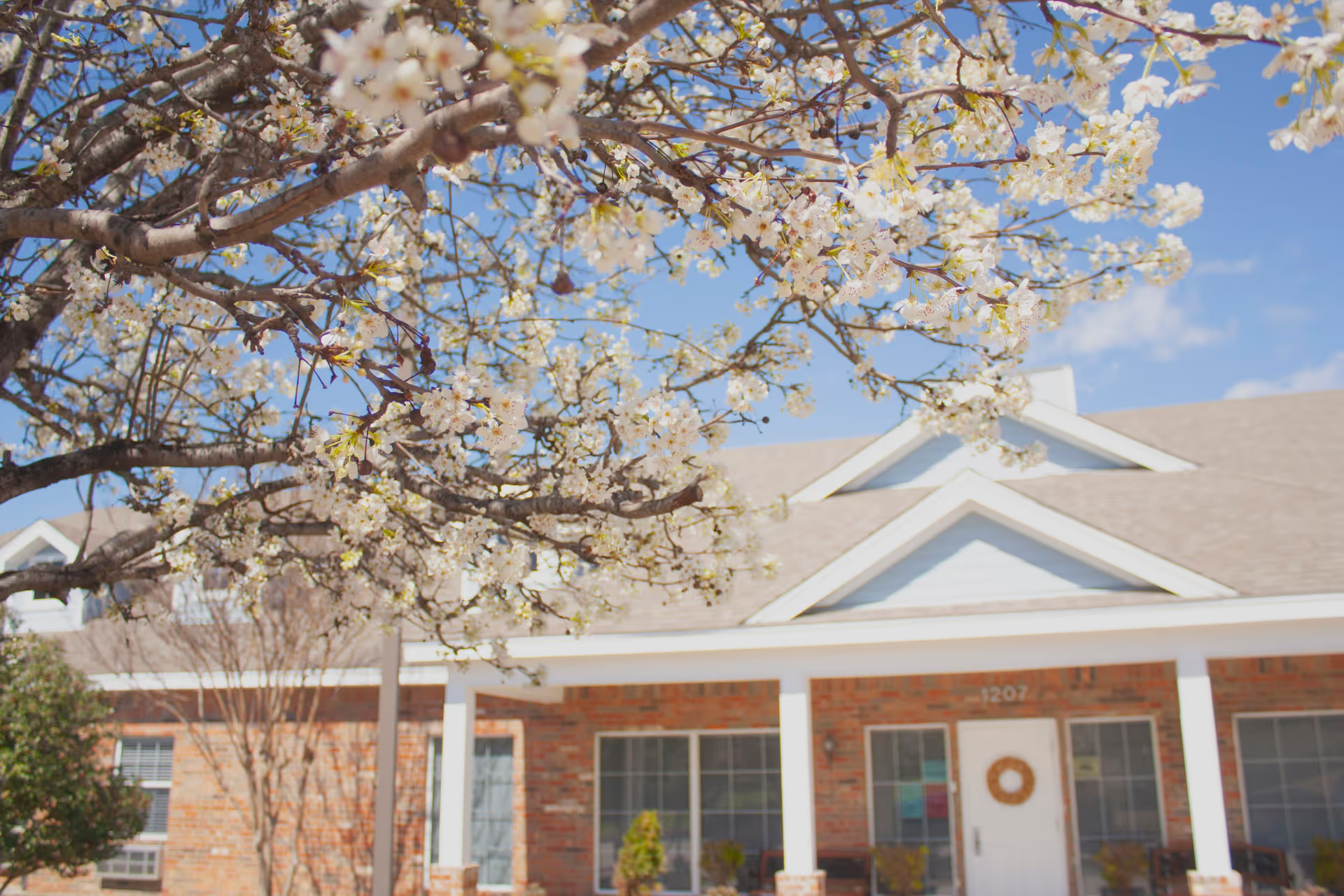
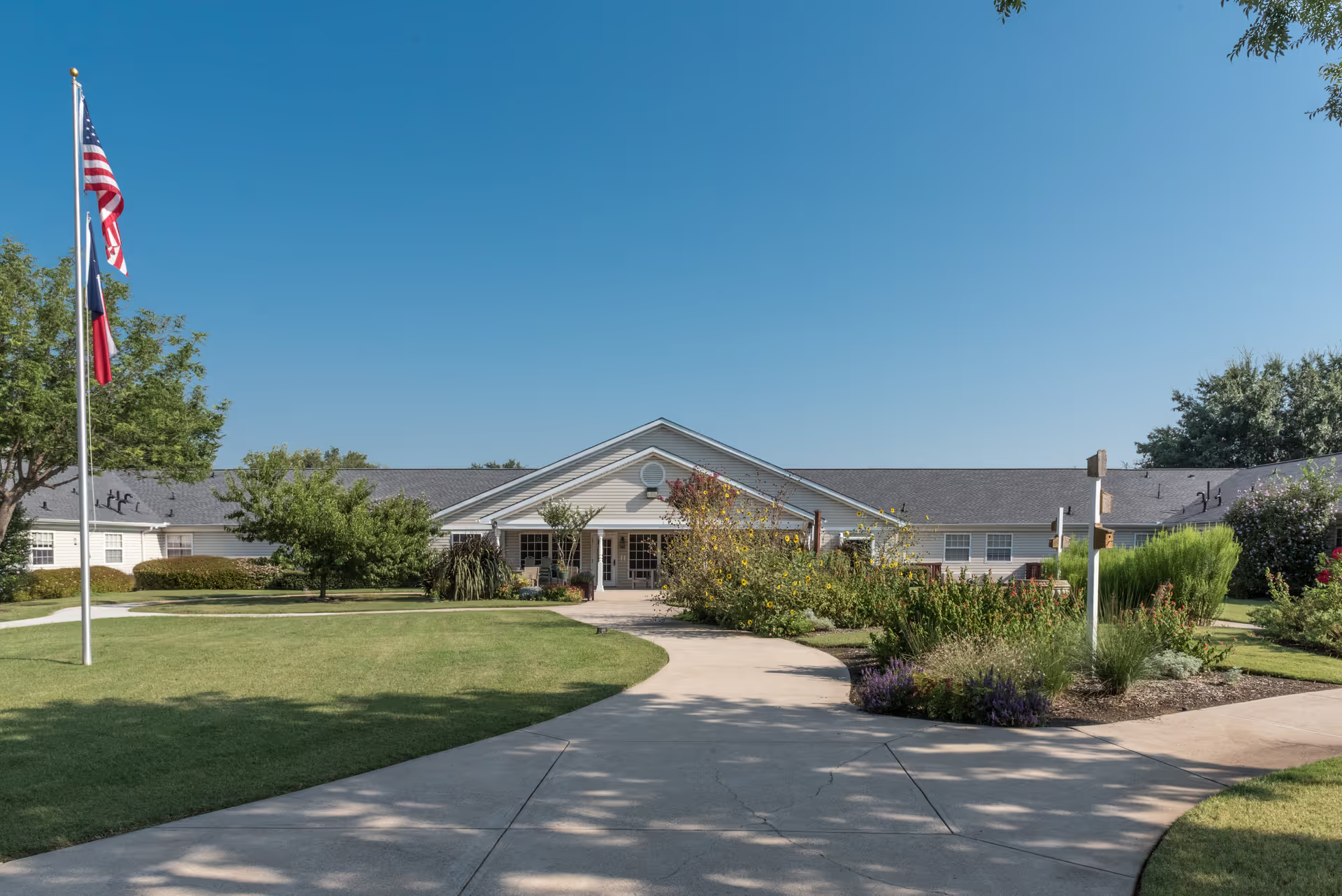
Facilities and management show similar variability. Some rooms and wings are described as clean, with regular linen changes and orderly presentation; other reports raise sanitation and odor-control concerns, unfinished maintenance issues, and isolated pest-control problems. Accounts about leadership range from appreciative descriptions of helpful managers and administrators to criticisms of limited follow-through on grievances, perceived prioritization of financial concerns, and inconsistent enforcement of policies. Taken together, the pattern suggests meaningful variation by unit and shift.
For prospective family members: Garland exhibits clear strengths in rehabilitation, programming, and a cadre of committed frontline staff, but also displays recurring operational weaknesses that families should evaluate directly. Recommended steps when assessing the facility in person include touring multiple units and different times of day, asking about staffing ratios and call-response metrics, reviewing medication-administration and wound-care protocols, and requesting documentation of infection-control practices and recent regulatory findings. This mixed profile means individual experiences are likely to differ substantially depending on unit assignment, staffing on particular shifts, and the specific clinical needs of the resident.