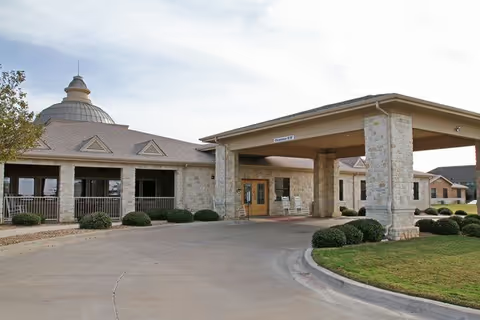
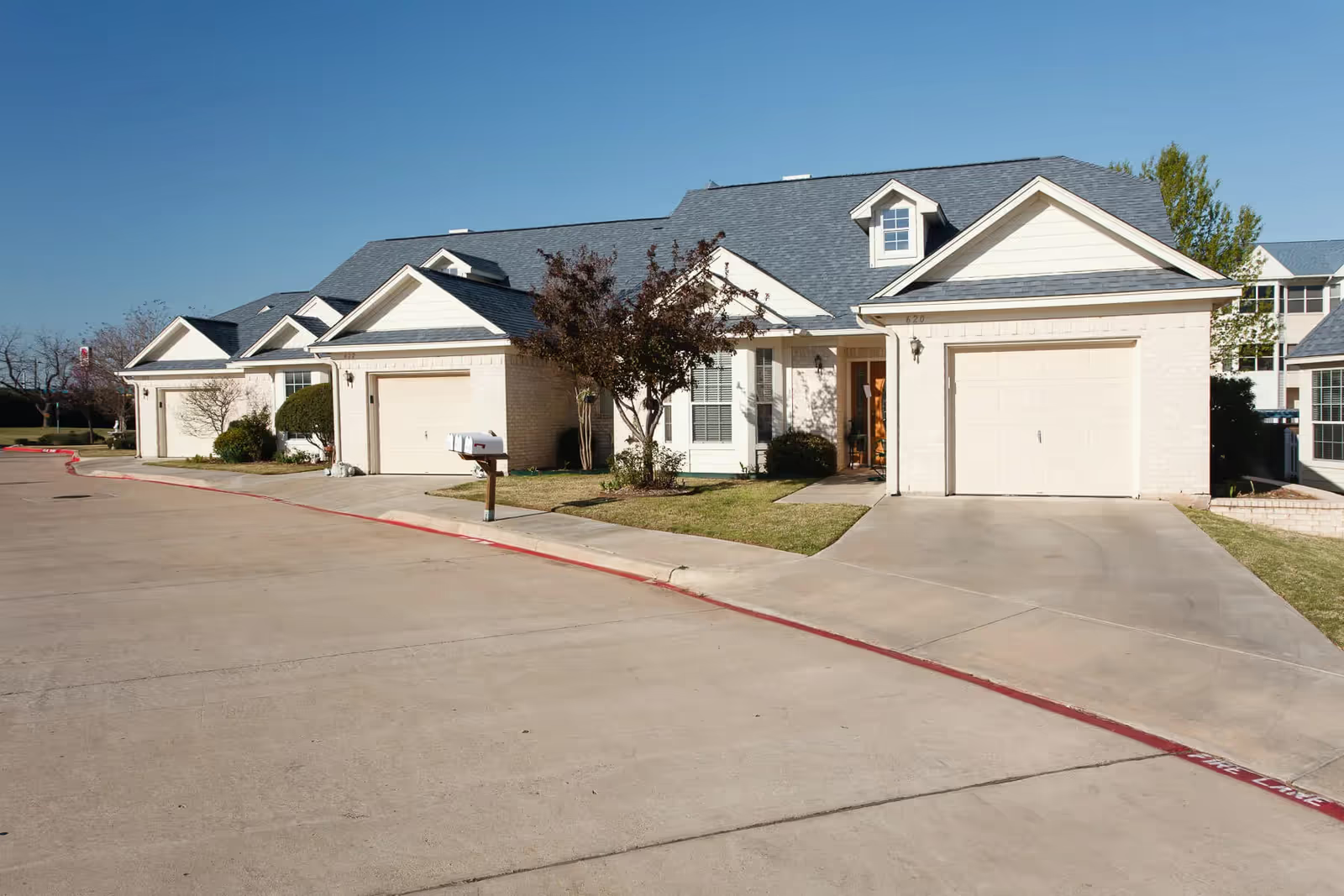
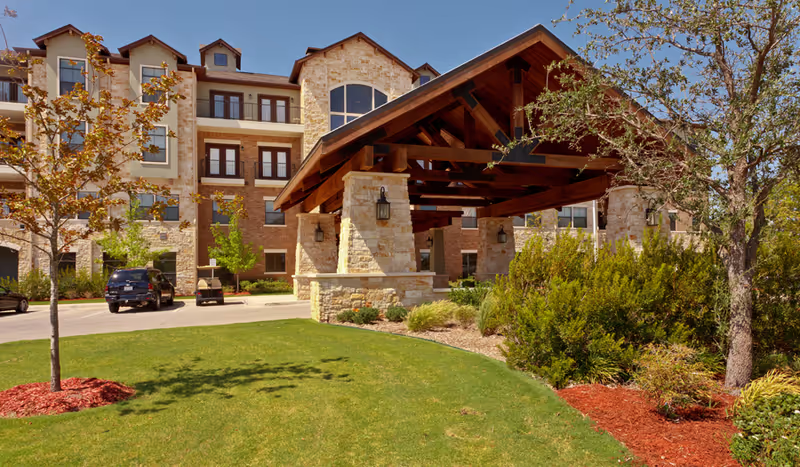
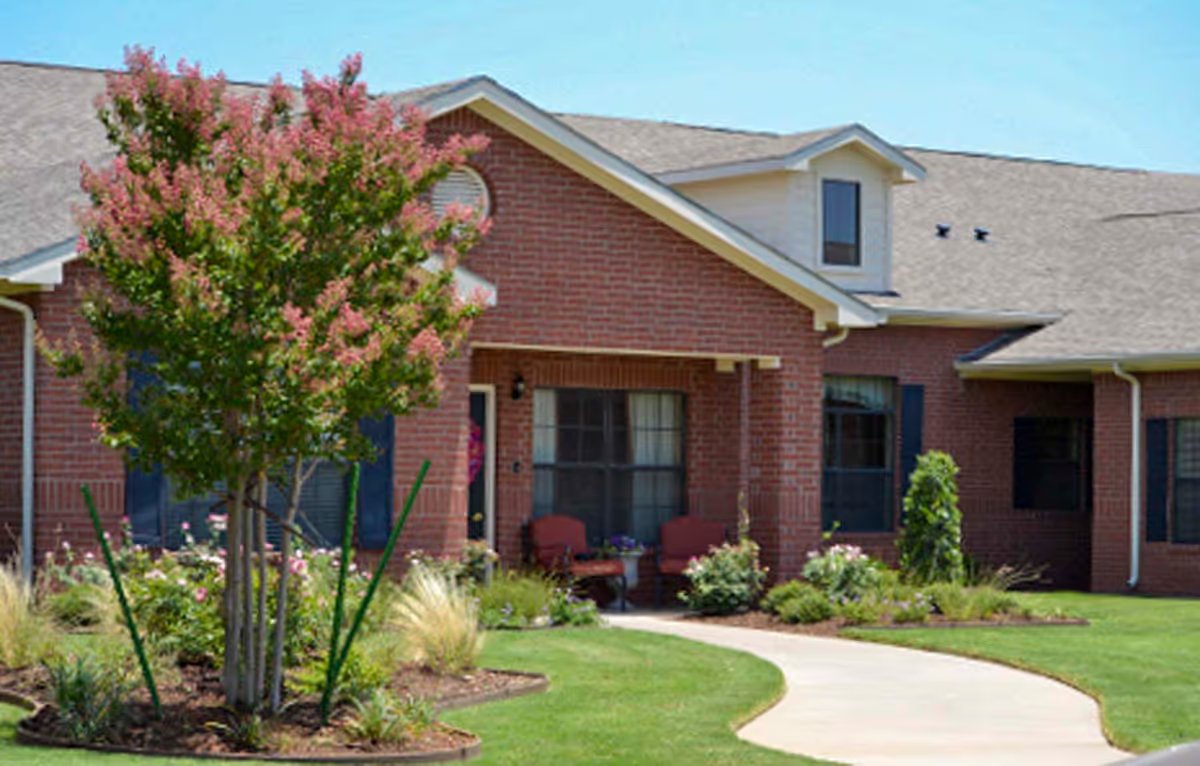
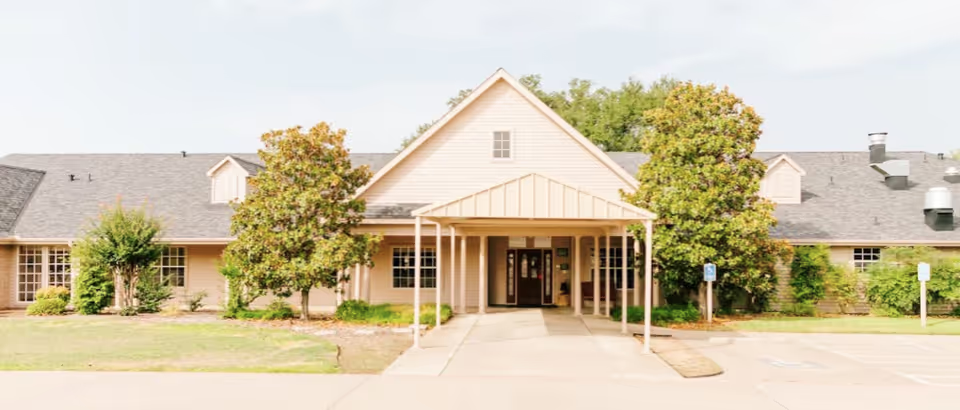
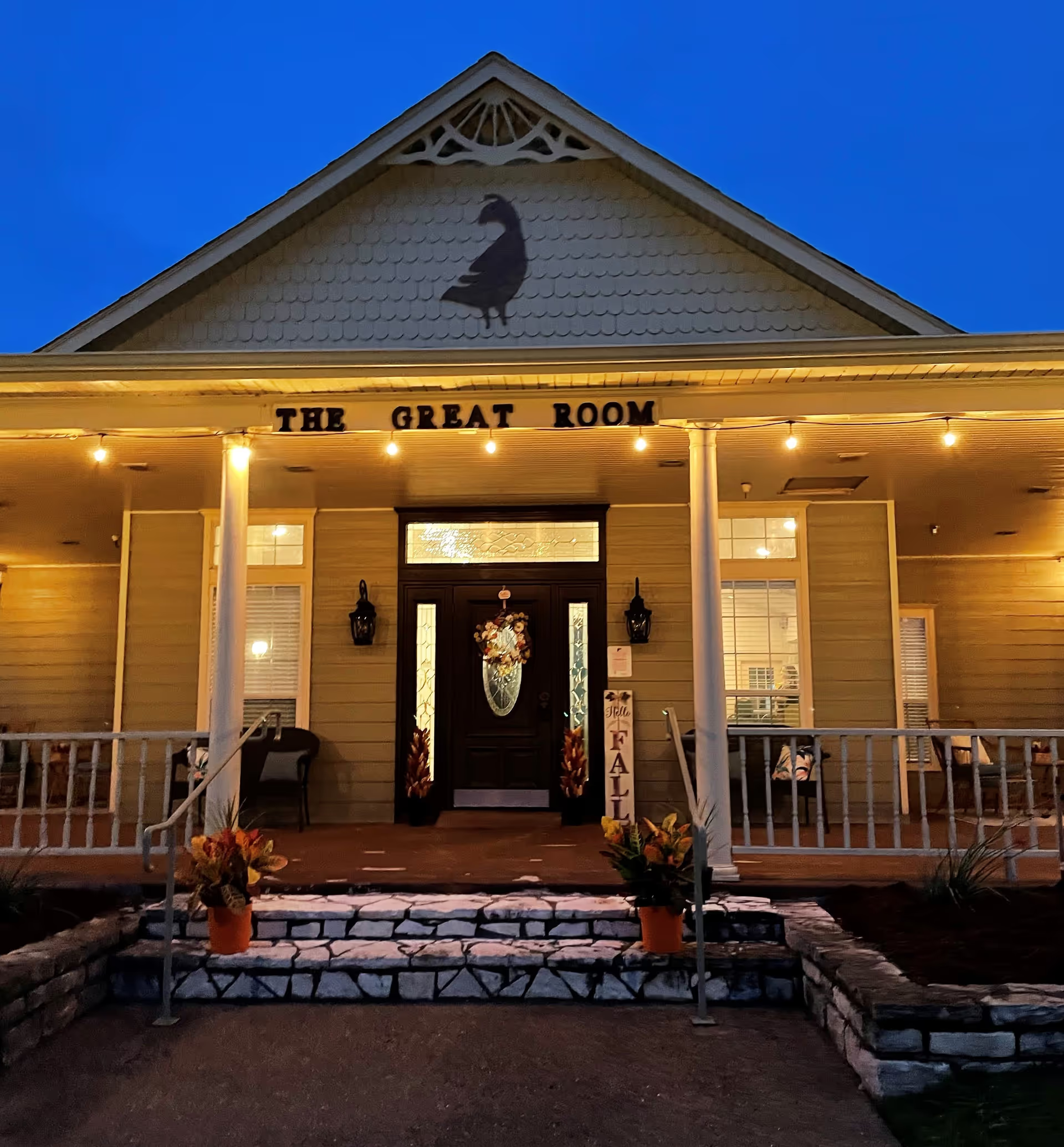
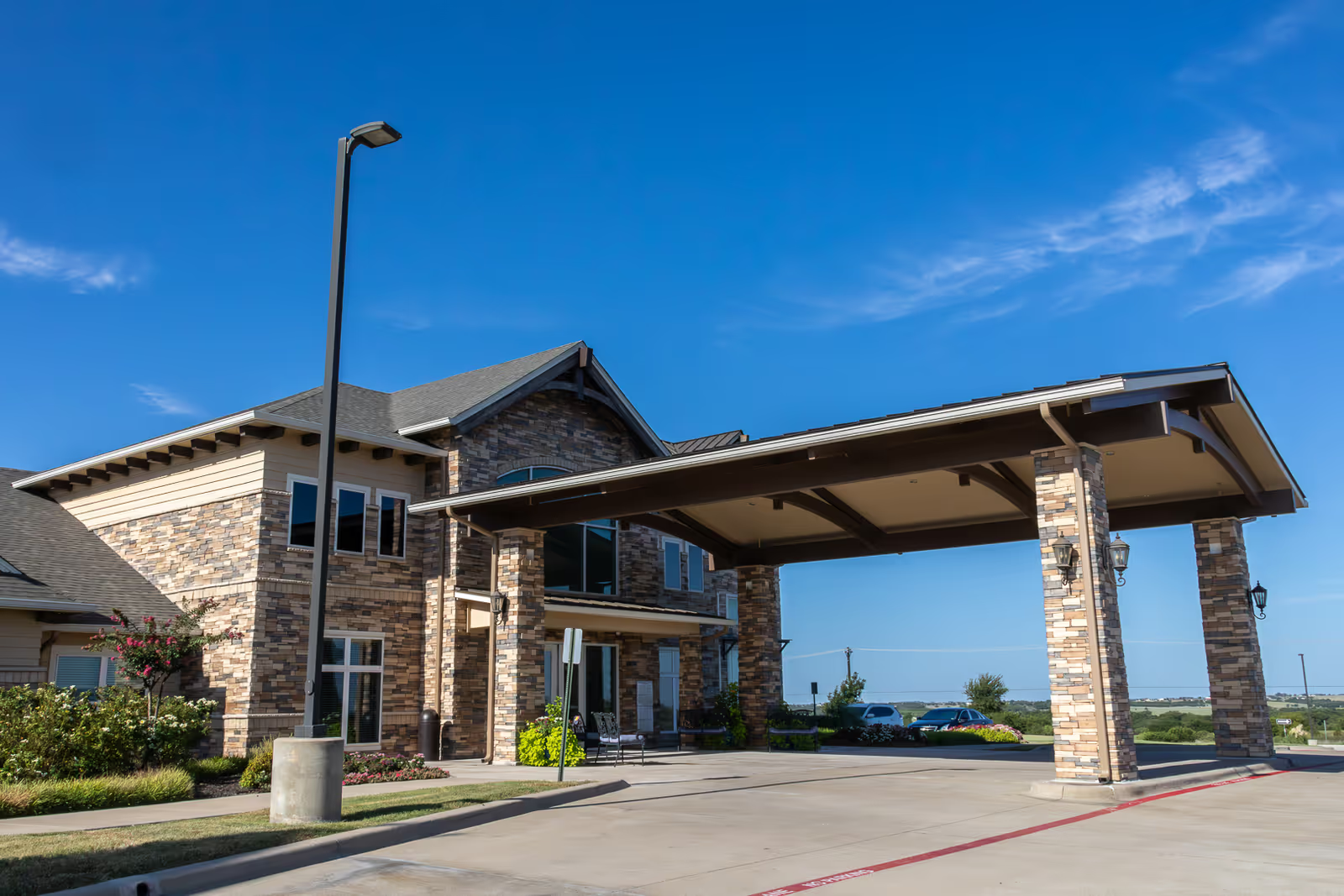
Reviews of Harbor Lakes Nursing and Rehabilitation Center present a polarized picture: many families and residents describe attentive, compassionate caregivers and strong rehabilitation outcomes, while others recount operational gaps that affected basic comfort and safety. The facility is frequently praised for its therapy departments, with multiple accounts of effective PT/OT/Speech services, private rehab rooms, and successful transitions home. Cleanliness, pleasant odors, and well-maintained common areas are commonly noted, and admissions staff and some administrators are described as welcoming and accessible.
Care delivery appears to vary by shift and by individual staff member. Numerous comments highlight nurses and aides who provide dignified, attentive care and clear communication; at the same time there are recurring concerns about inconsistent responsiveness to call lights, delays in addressing toileting and hygiene needs, and variability in how feeding and meal adaptations are managed. Several reviews point to medication-administration and clinical follow-through issues that contributed to family anxiety about safety and clinical oversight.
Staffing and scheduling are central themes. Reviewers cite understaffing, high turnover, and particular gaps on weekends and evenings, which reviewers associate with slower response times and reduced therapy availability. These operational pressures appear to undermine consistency: some long-tenured staff are singled out as dependable, whereas other staff are described as hurried or inattentive. Families also described mixed experiences with property management and retrieval of personal items.
Dining and activities are generally seen as strengths when operations are functioning well. Many reviewers compliment the menu quality, social events (for example themed gatherings and weekly activities), and a lively activities department that supports resident engagement. However, other accounts point to insufficient accommodation of specific dietary needs and inconsistent feeding assistance for residents with chewing or swallowing limitations.
Management and leadership receive mixed evaluations. Several reviewers praise approachable leaders, an open-door Director of Nursing, and prompt issue resolution when management is engaged. Conversely, other reviewers describe uneven follow-through on promises, communication lapses with families, and concerns about weekend leadership visibility. There are also serious, individual allegations—including concerns about staff misconduct and questions about coerced review practices—that families flagged as requiring investigation; these are distinct from the operational care patterns but merit attention.
Overall impression: Harbor Lakes demonstrates clear strengths in rehabilitation, facility maintenance, activities, and in many cases compassionate direct care. However, persistent themes of inconsistent staffing, variable responsiveness, gaps in dignity-focused care and meal adaptation, and lapses in family communication suggest that quality is uneven and may depend heavily on staffing levels and individual caregivers. Prospective residents and families should consider on-site observations across shifts, ask about staffing ratios and weekend coverage, confirm specific therapy schedules and meal-adaptation procedures, and discuss how the facility handles serious allegations and family communication before making placement decisions.