Overall impression: The facility is consistently described as a well-run, community-owned nursing home with strong rehabilitation services and a pronounced emphasis on compassionate, family-style care. Reviewers emphasize high cleanliness standards, a nurturing atmosphere, and a rehabilitation-first orientation that supports both short-term rehab patients and those transitioning to long-term care.
Care and staff: Clinical and daily-care staff receive the most consistent praise. Skilled nursing, 24/7 caregiving, and an experienced therapy team (including long-term therapists) are highlighted as strengths. Reviewers also note regular physician rounds and hands-on staff involvement that families found reassuring. There are multiple mentions of staff dedication and continuity — examples include staff participating in family events and close relationships with residents — although a pattern of occasional staff performance inconsistencies is reported, indicating variability in individual staff interactions or availability at times.
Dining and activities: Dining is frequently cited positively; food service is characterized as accommodating (including meat-free options) and capable of handling dietary preferences. The activity program is robust and varied, with an active director, group programs (bingo, Wii, crafts, movies, outings), religious services and singing, and pet/therapy-dog visits. These elements contribute to a home-like, family-oriented environment and provide regular social engagement for residents.
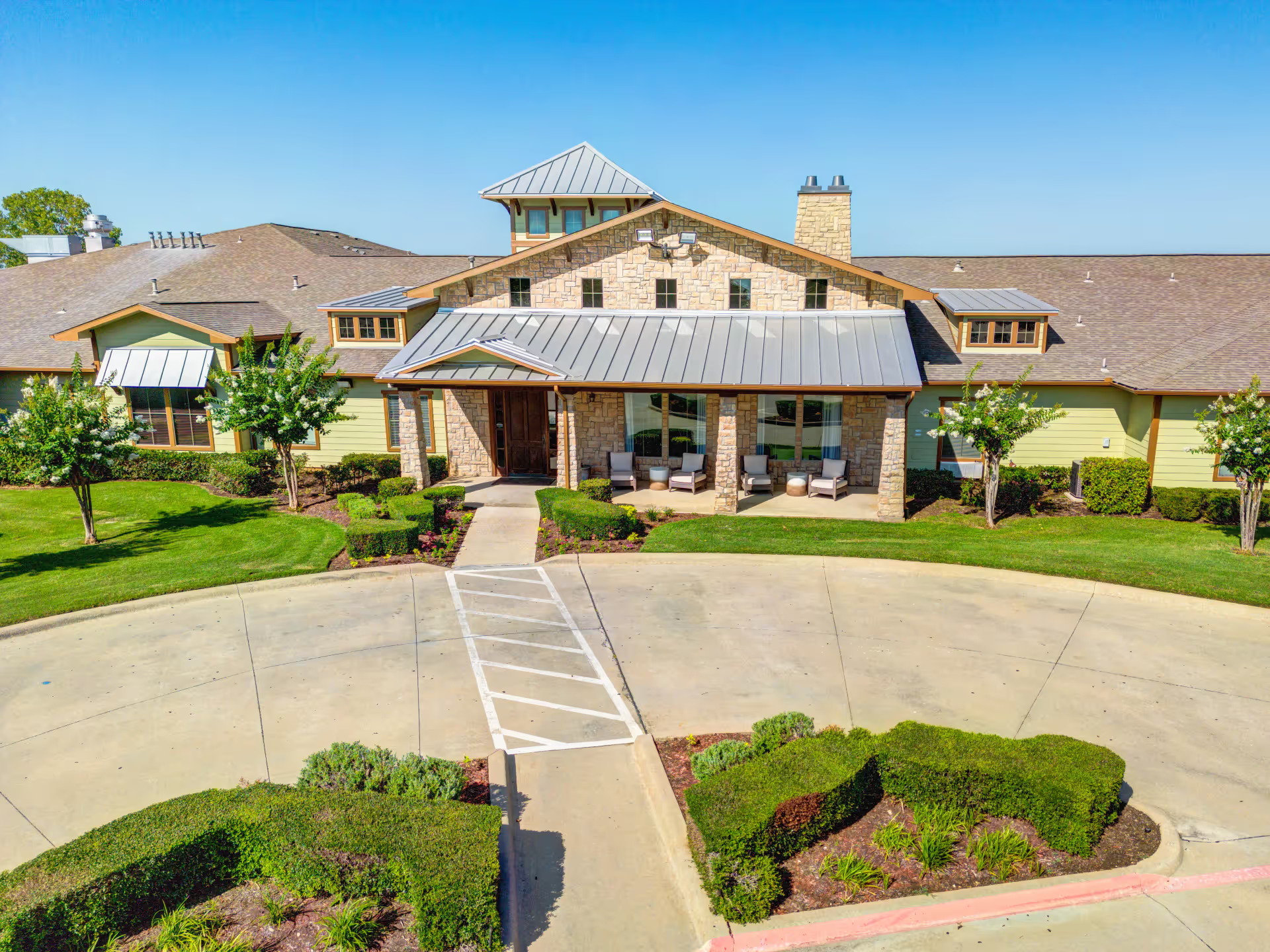
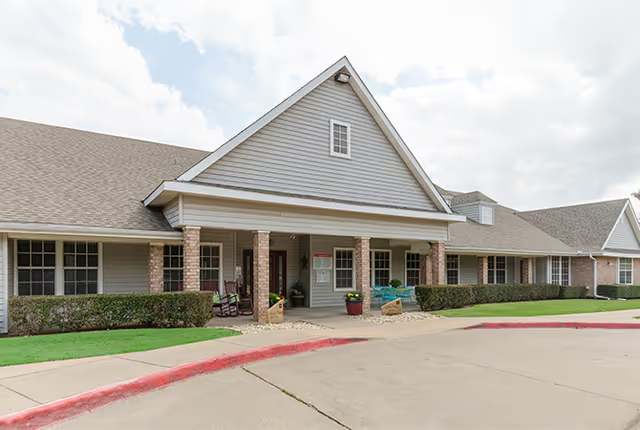
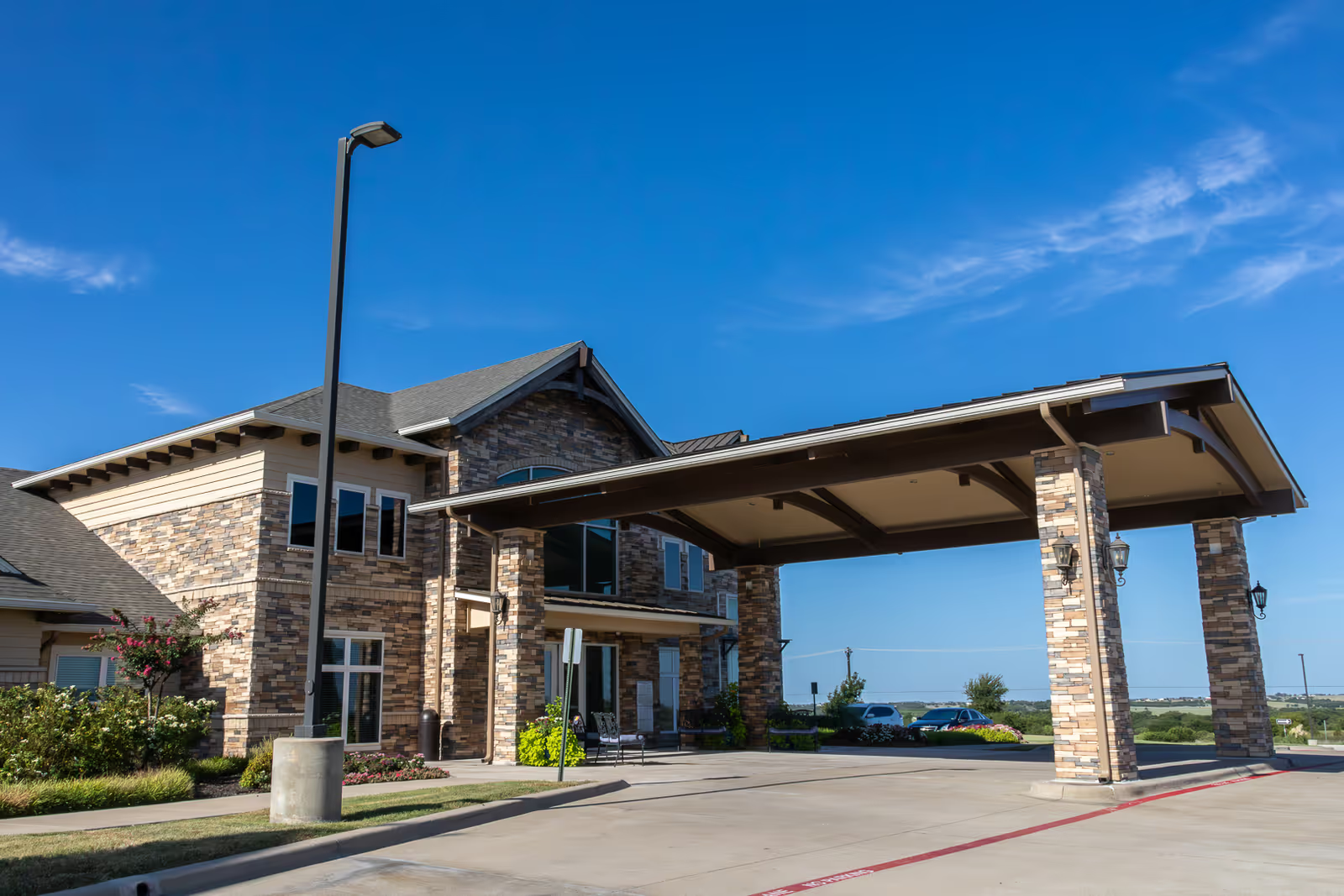
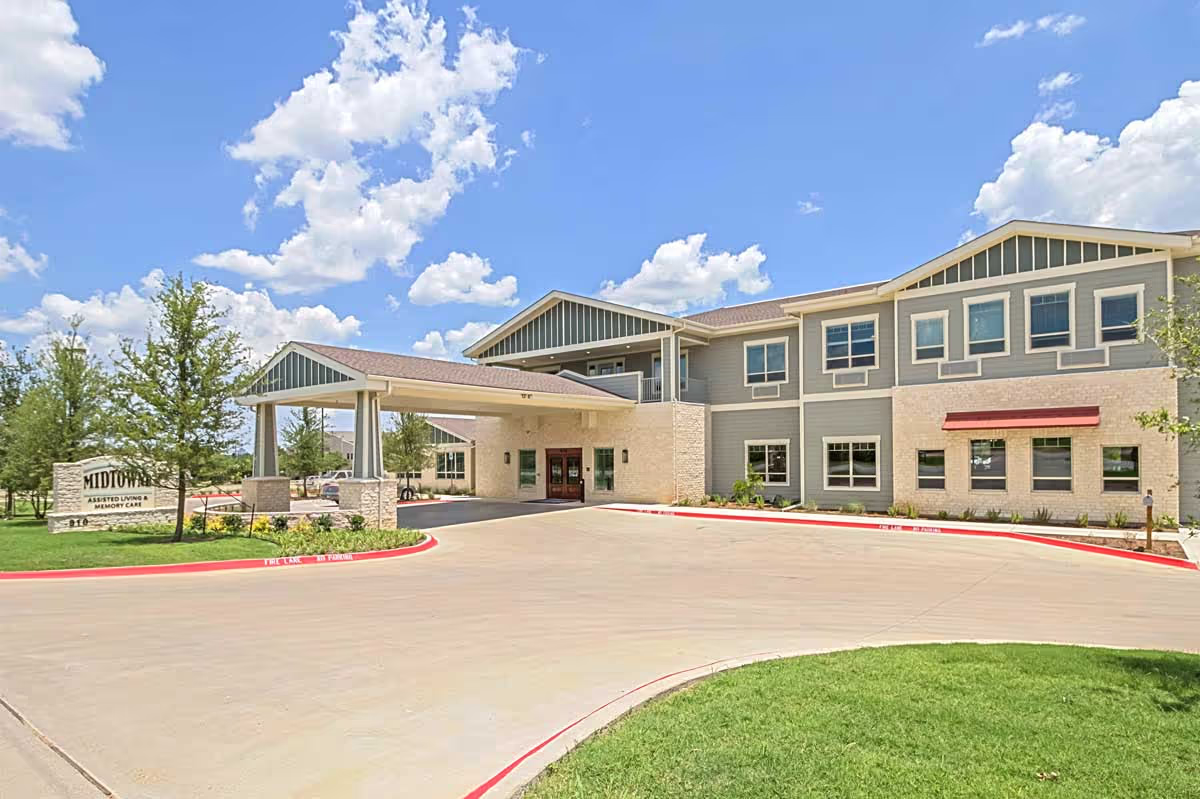
Facilities and safety: The building is described as older but generally well-maintained, with routine maintenance keeping common areas clean. However, reviewers note aging room interiors and limited outdoor grounds, which may affect families seeking modern private rooms or extensive campus amenities. A notable operational gap is memory-care security; the absence of locked doors or other secure measures for residents with cognitive impairment is explicitly cited as a safety concern. Private-room availability is limited, which may affect privacy expectations for long-term residents.
Management, operations, and logistics: Management accessibility and leadership receive positive comments; administrators are described as approachable and involved. The facility’s nonprofit, community-owned status and on-site training (such as CNA classes) are viewed positively. At the same time, reviewers point to operational friction around benefits and billing: coordinating Medicaid and VA paperwork can be complex and families should plan accordingly. Communication logistics also emerged as an operational weakness in some accounts, particularly phone-accessibility for families or timely updates.
Patterns and recommendation guidance: Prospective residents and families can expect strong rehabilitation services, attentive nursing care, a clean environment, and an active social program in a community-oriented setting. Key trade-offs to weigh include limited private-room options, an older physical plant, potential travel/grounds limitations, and noted gaps in memory-care security and benefits coordination. Those with memory-care needs or requiring private rooms should specifically verify security measures and room availability; families reliant on VA/Medicaid coordination should proactively discuss billing and paperwork with administration. Overall, the facility is portrayed as compassionate and capable, with operational areas that deserve direct inquiry during tours and admissions conversations.