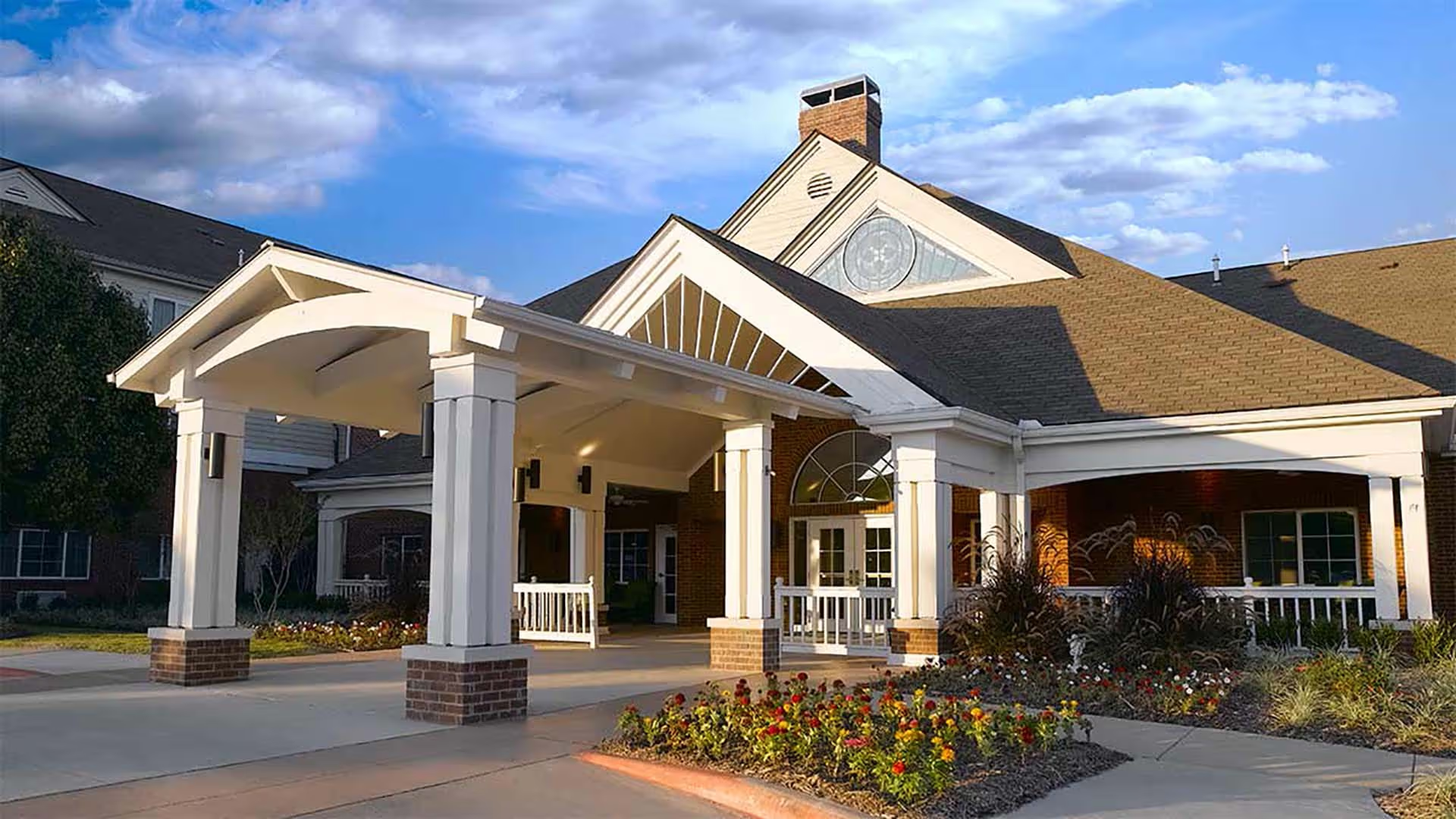
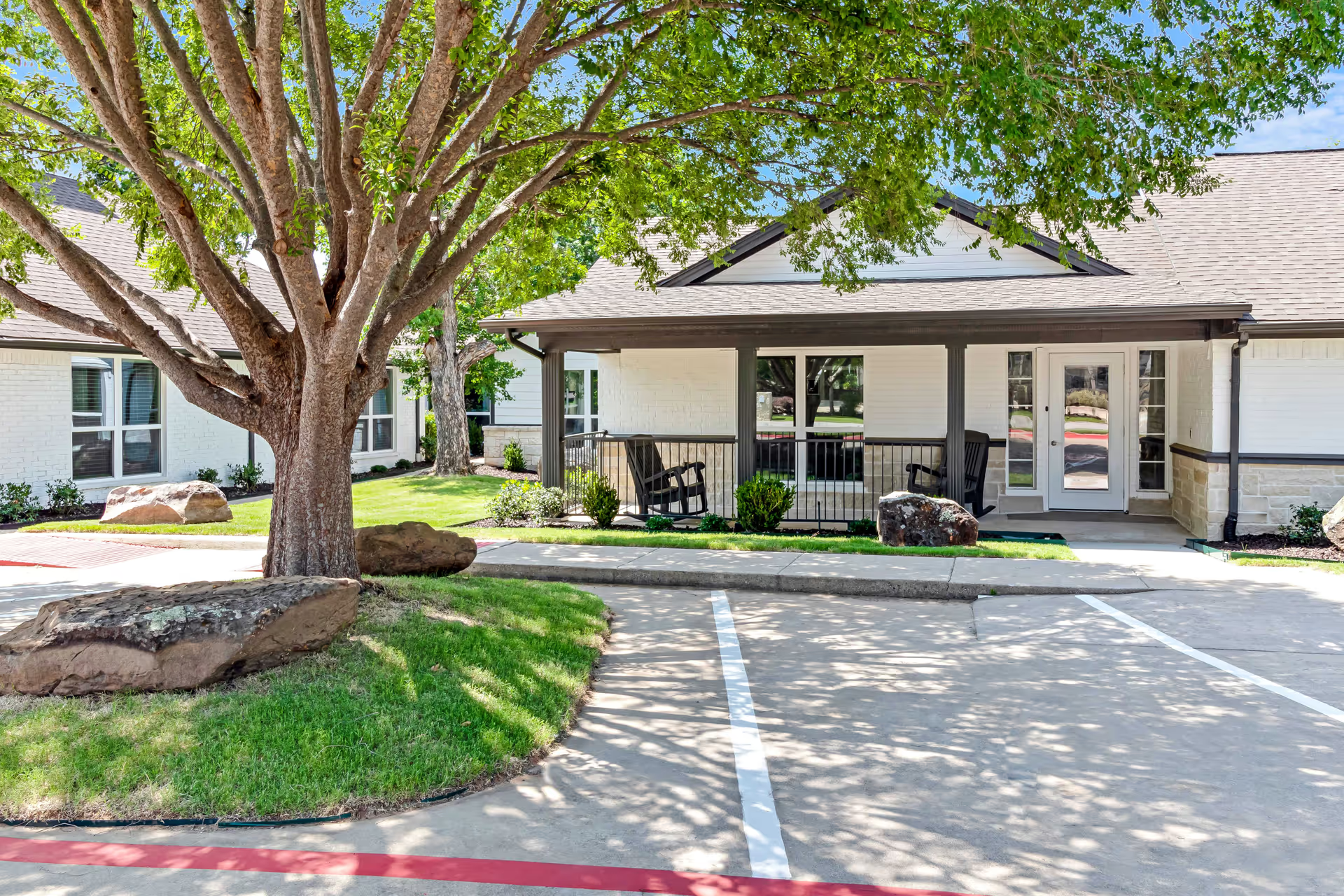
Avir at Grapevine elicits strongly polarized impressions: many families and residents praise the facility for compassionate caregiving, a supportive administrative presence, and successful short-term rehabilitation, while other accounts describe operational weaknesses that affect day-to-day care. Positive experiences emphasize individualized attention from specific nurses and therapists, effective therapy that produced good rehab outcomes, a welcoming community room, and frequent, colorful activities that engage residents. Several reviewers highlighted clear family communication practices, including daily updates and an open-door administration style.
Care quality appears inconsistent across cases. Multiple accounts describe attentive, empathetic staff who provided meaningful end-of-life support and responsive after-hours assistance; conversely, other accounts describe missed or delayed basic personal-care tasks (bathing, hair care, toileting assistance, and bedtime routines) and at least one significant pressure-ulcer management concern. These divergent experiences suggest variability in shift-level staffing, supervision, or workflow rather than a uniform standard of care.
Staff strengths are notable: many reviewers named individual caregivers who went above and beyond with paperwork, family communication, and hands-on support, and the memory-care team received positive comments. However, a pattern of understaffing, turnover after new ownership, and uneven professionalism was also described. Concerns included rough handling or curt interactions in some cases, scheduling and HR problems (delayed responses, fired staff without notice), and specific privacy/confidentiality allegations that families found troubling.
Dining and activities present mixed signals. Activity programming and social opportunities are frequently cited as bright spots, with outings, lively common-area gatherings, and a generally happy atmosphere. Dining feedback is split: some families appreciated meals and outings, while others described small portions, repetitive or low-quality offerings, and menu composition they found unappealing.
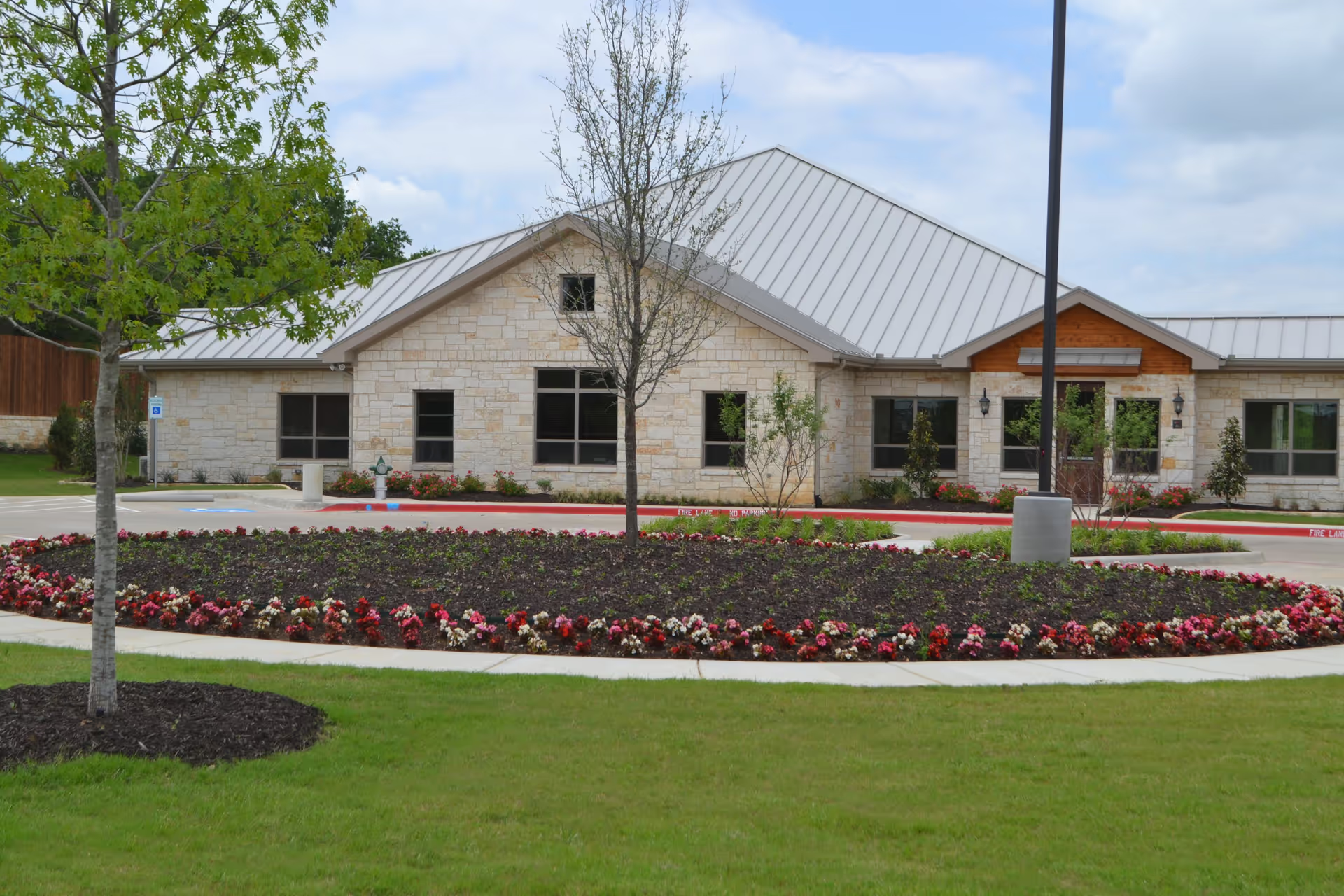
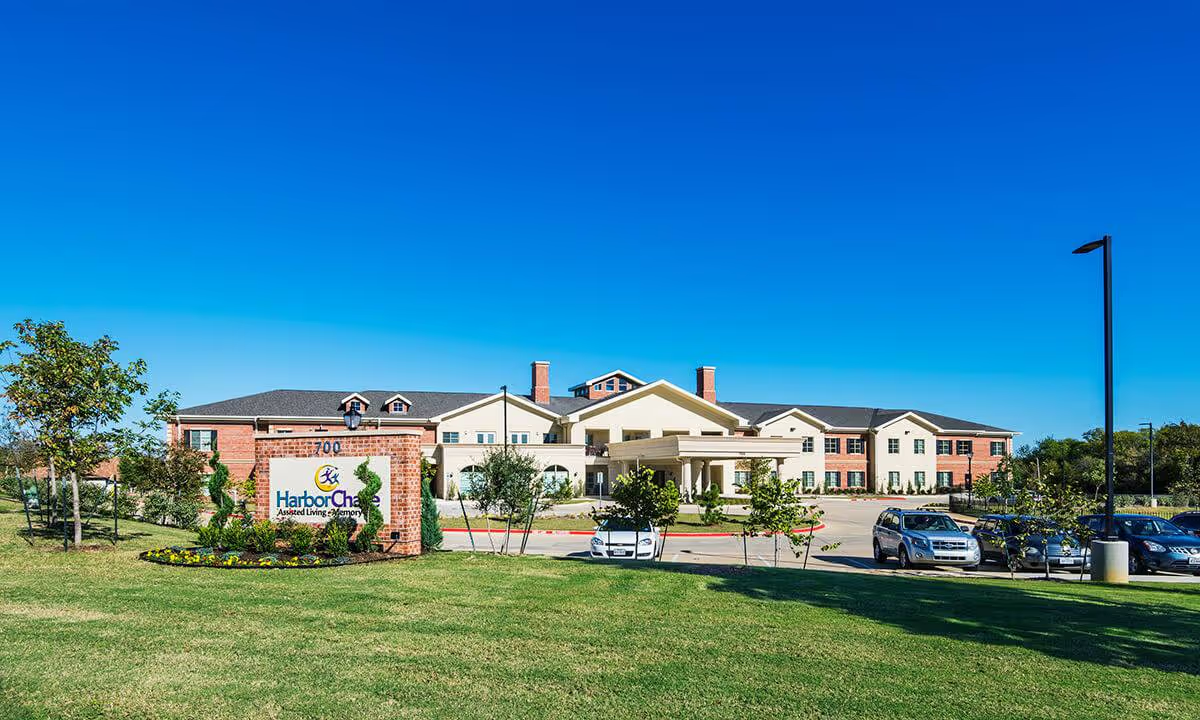
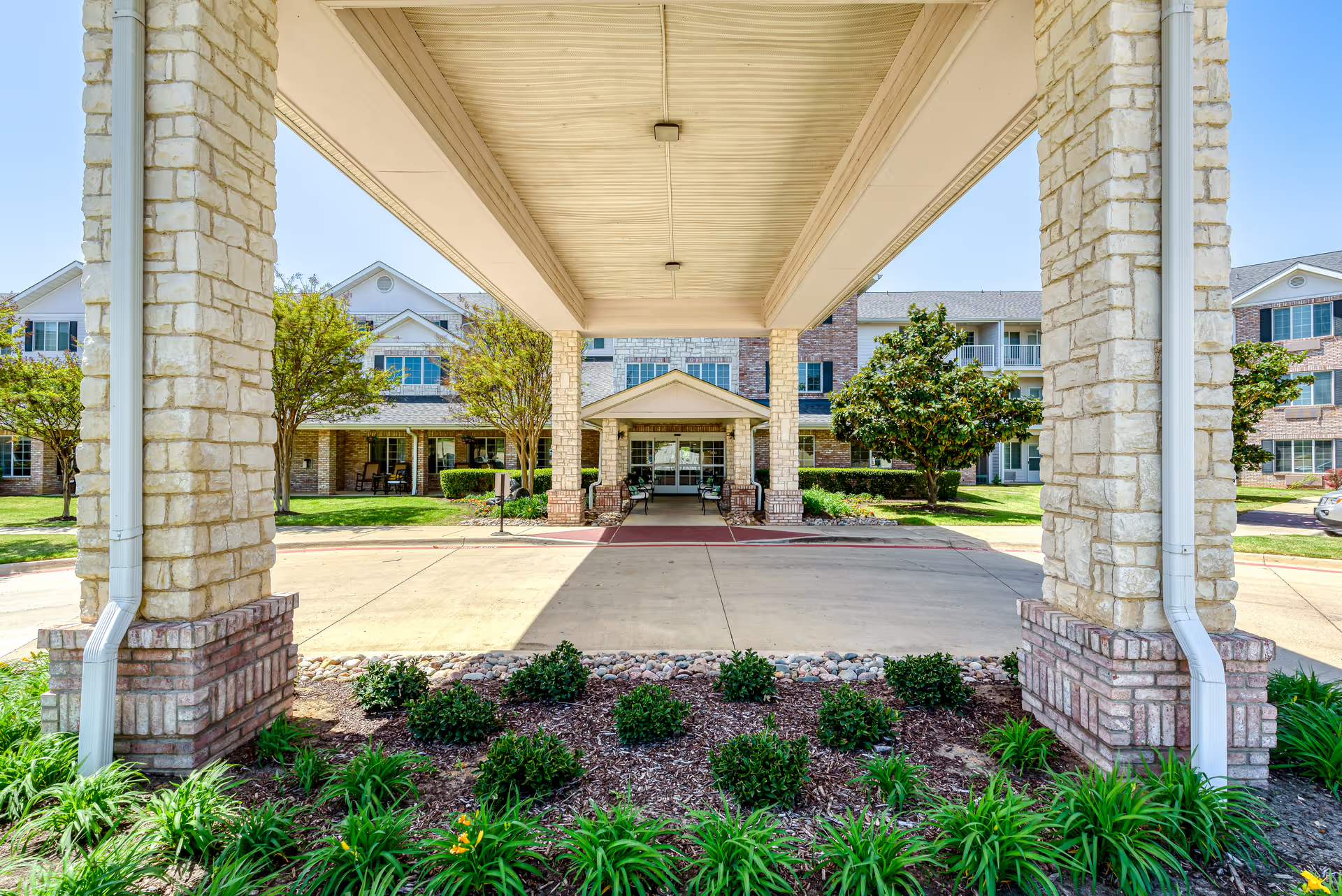
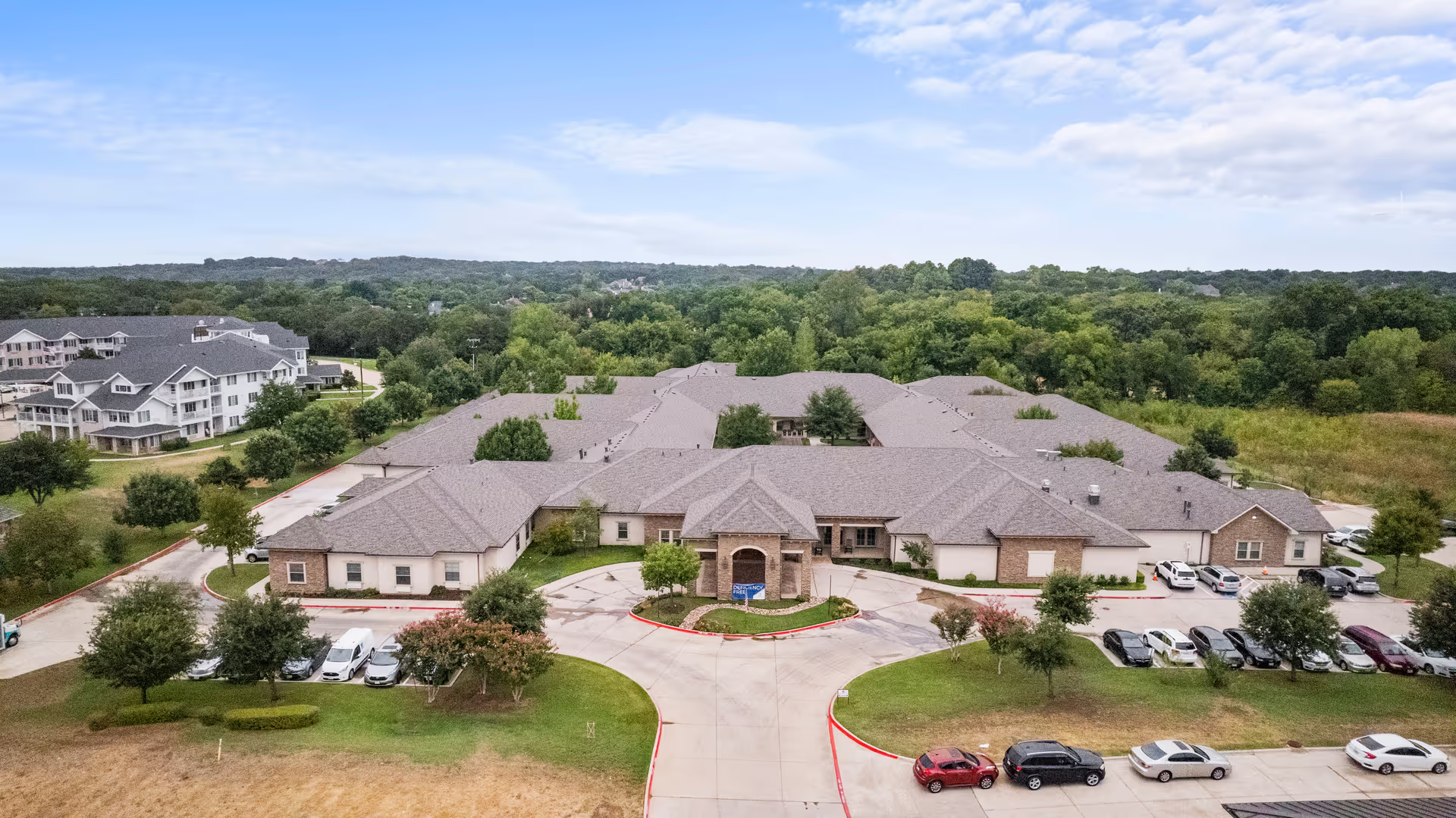
Facility condition and operations show both strengths and problems. Private rooms were often described as clean and better maintained than shared rooms, which can feel hospital-like and space-constrained. At the same time, reviewers raised sanitation and odor concerns in some areas, inconsistent linen management, and shortages of supplies or equipment that impacted routine care. Accessibility issues such as limited space for equipment were also mentioned.
Management and administrative matters are similarly mixed. Many families appreciated an accessible administrator and helpful admissions staff; others experienced billing disputes, sudden private-pay rate increases, and perceived weak HR follow-through on complaints. Safety and emergency response surfaced as a distinct operational concern—examples cited include gaps in supervision near nurse stations, limitations in immediate airway-assist capability, and delays in acute-illness coordination and family notification.
Overall, Avir at Grapevine appears capable of providing very good, compassionate care and strong rehabilitation when staffing and supervision are aligned. Prospective families should weigh those strengths against reported variability in personal-care consistency, emergency responsiveness, sanitation in certain areas, food quality, and administrative reliability. Visiting in person, asking for specifics on staffing levels, emergency procedures, wound-management protocols, linen and sanitation practices, and recent staffing/ownership changes will help clarify whether the facility’s current operations meet an individual resident’s needs.