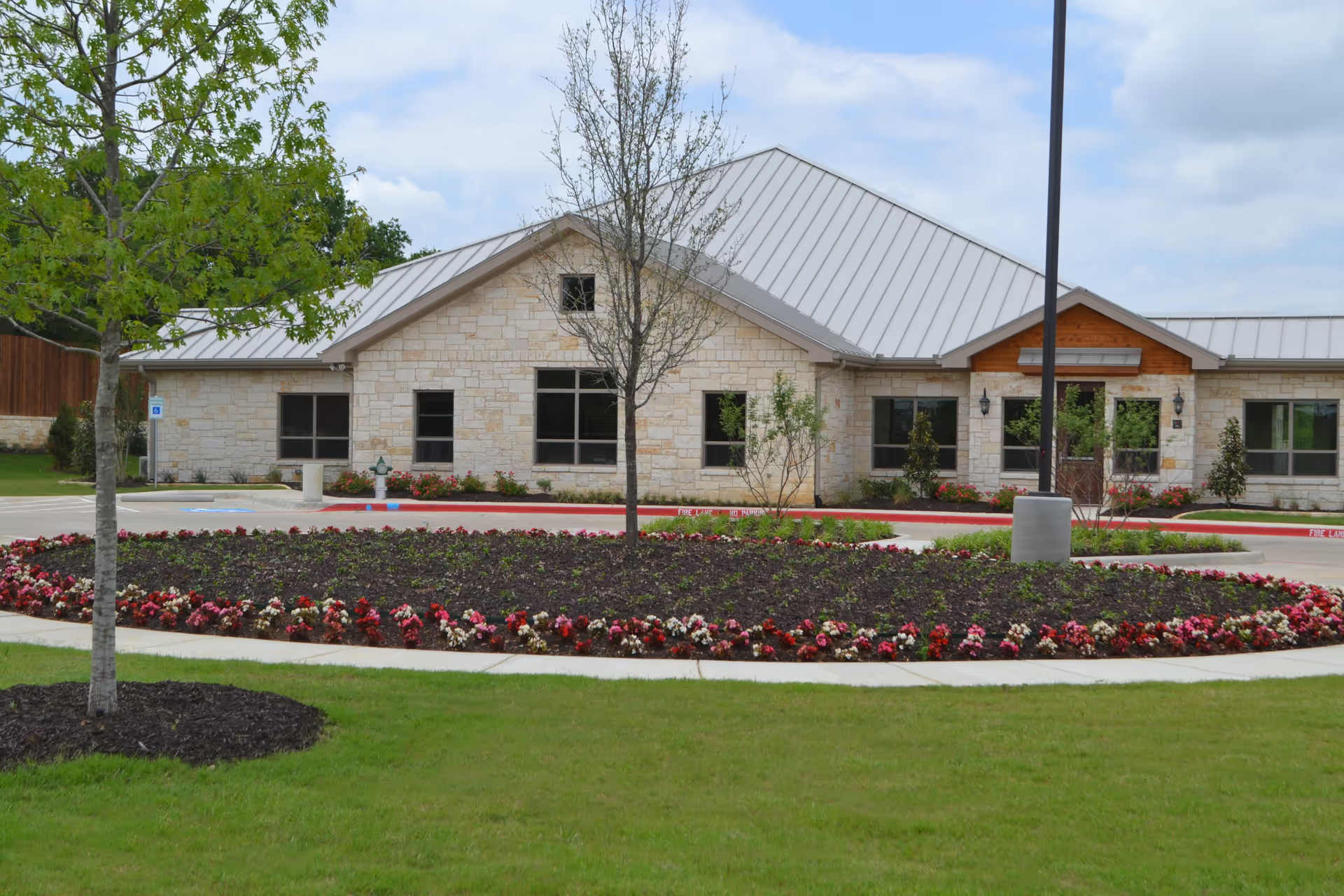
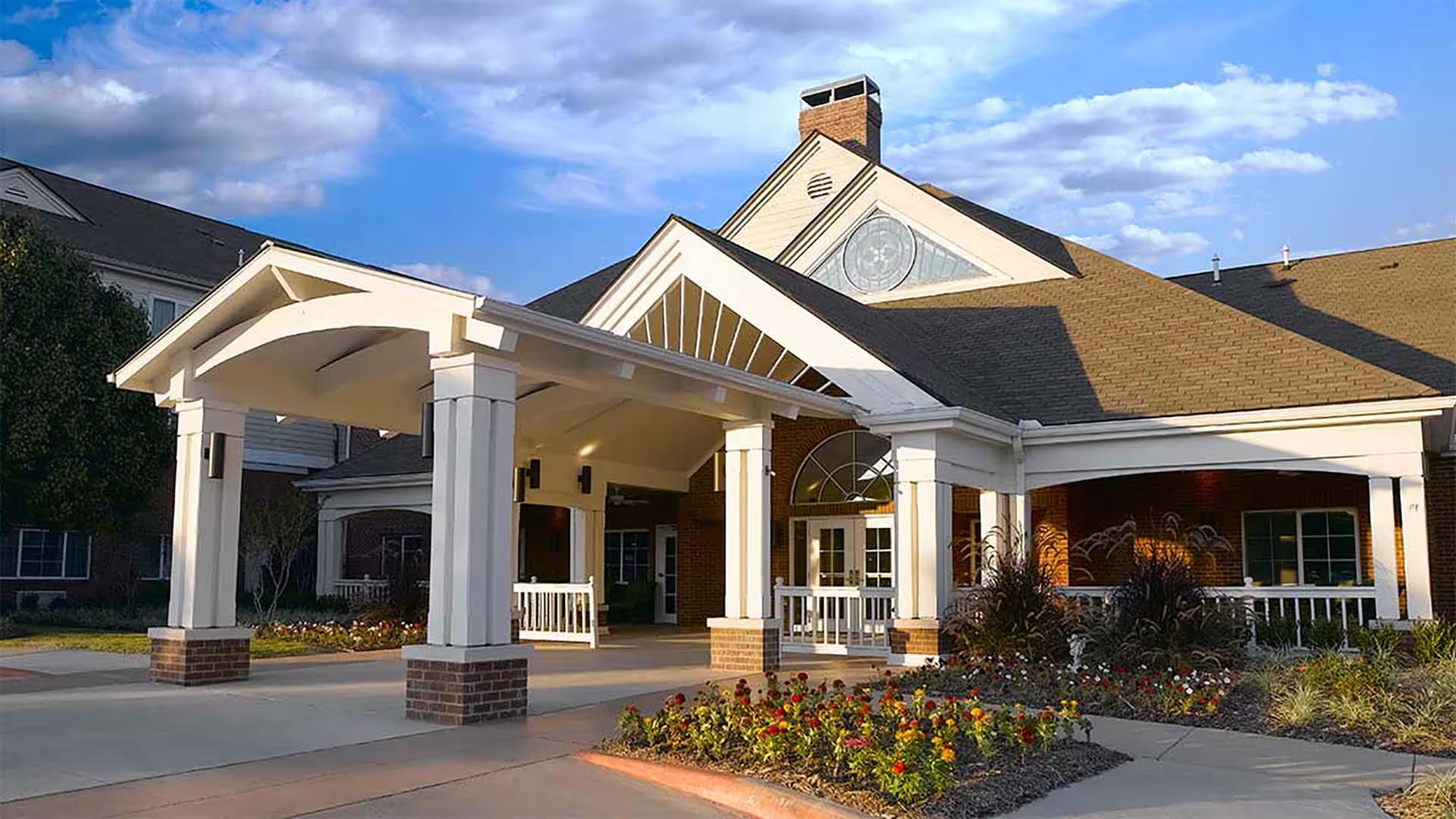
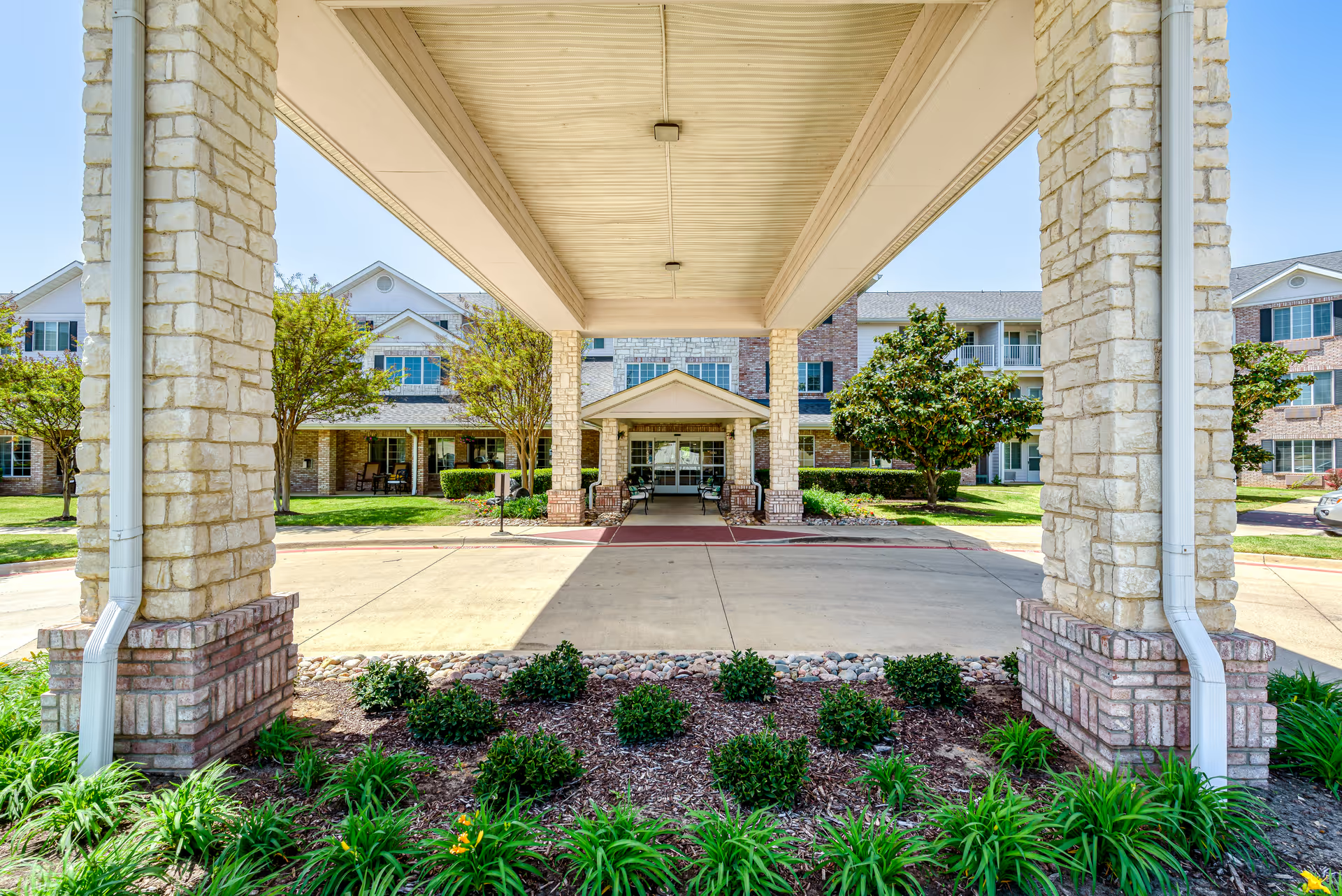
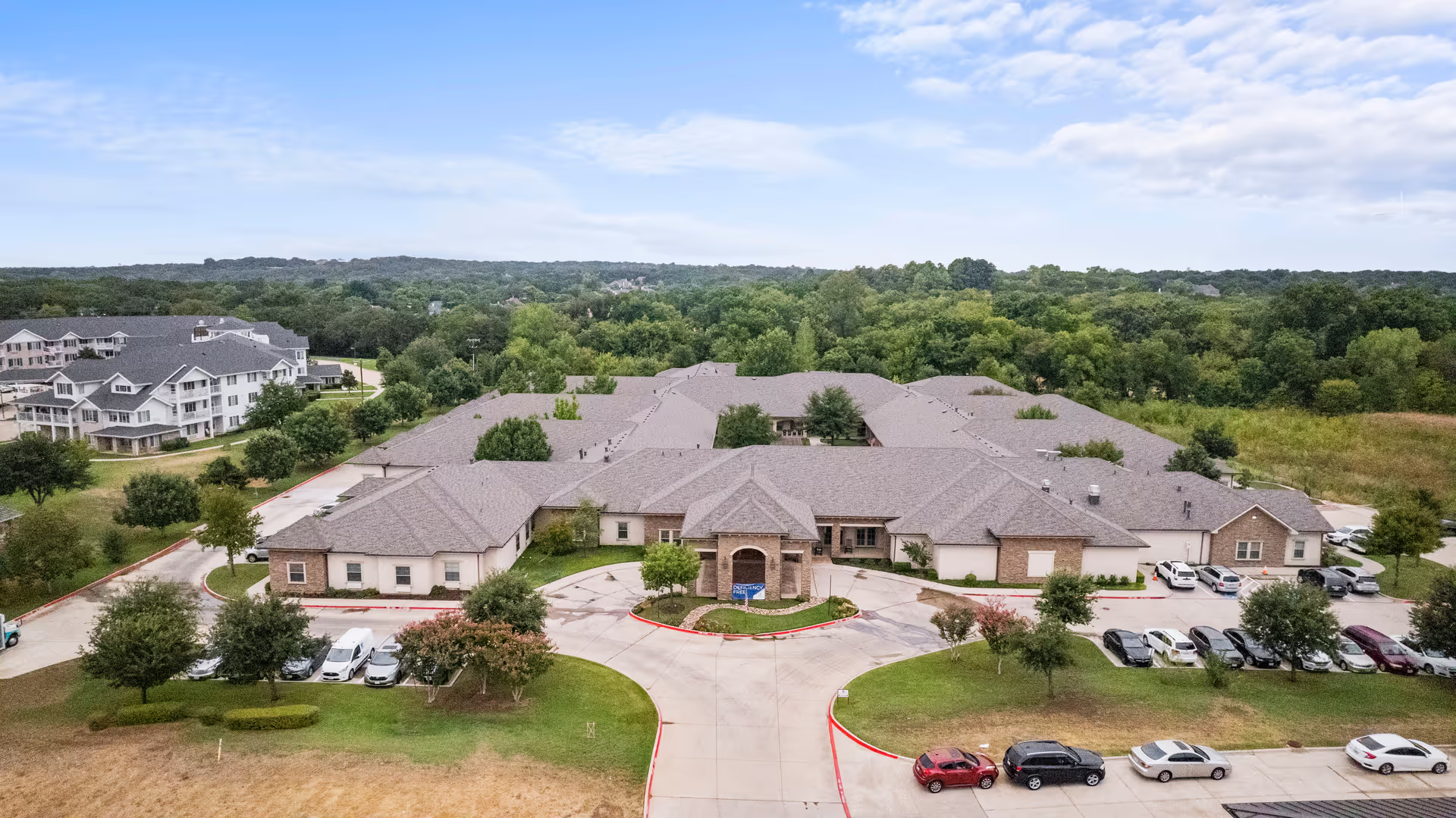
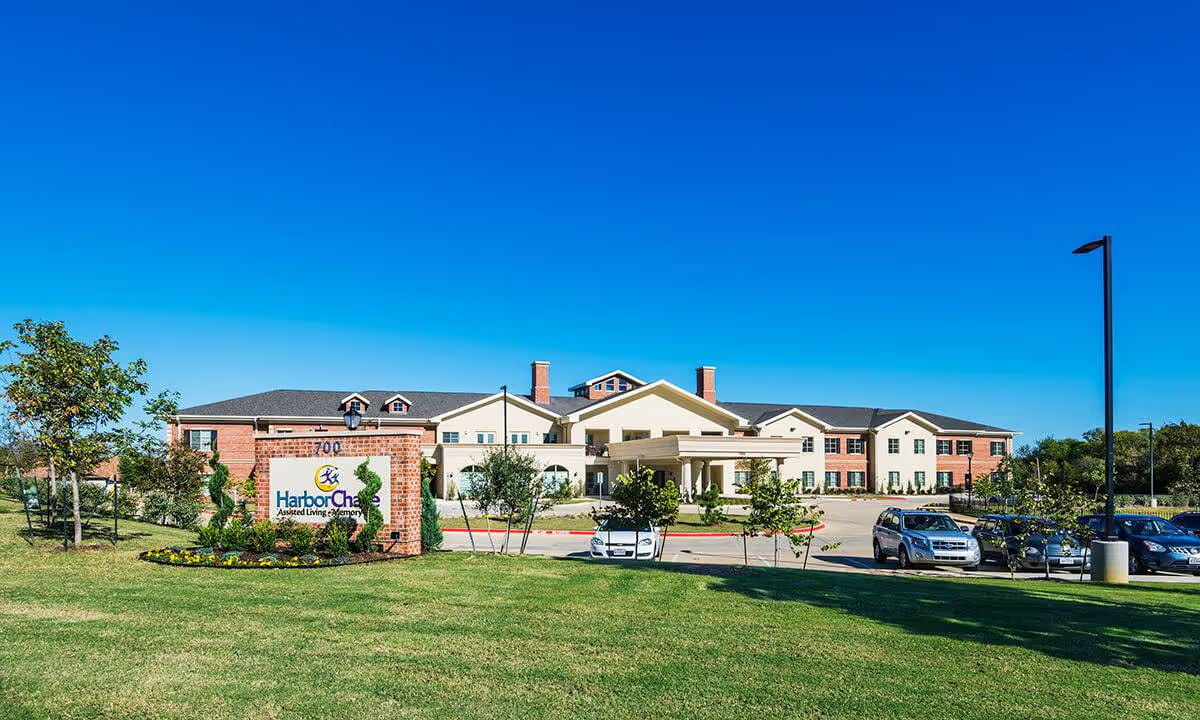
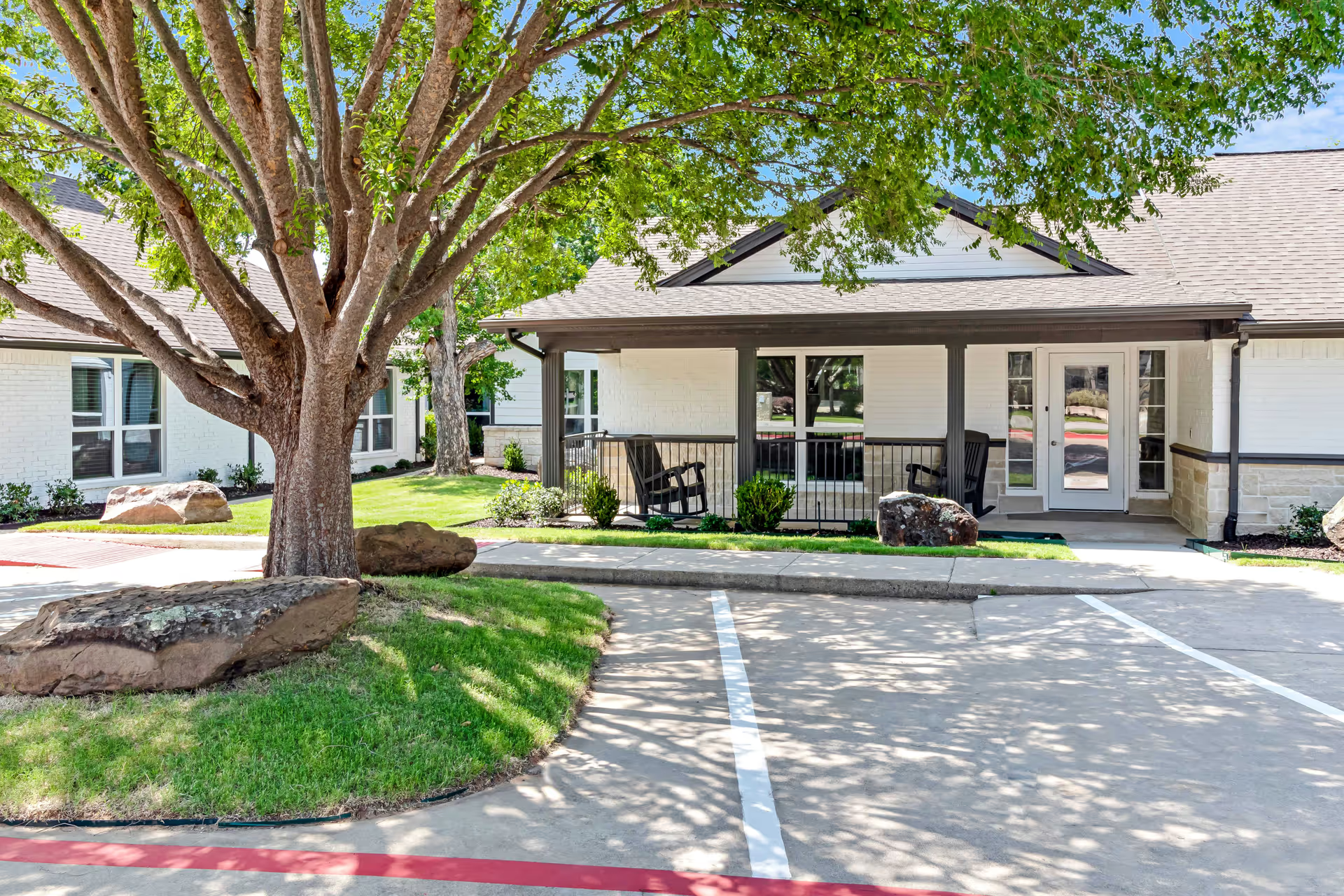
Grapevine Medical Lodge elicits strongly mixed impressions across reviewers, with clear and repeatable strengths in therapy and several operational weaknesses that can affect clinical safety and family confidence. On the positive side, physical, occupational and speech therapy teams receive frequent praise for producing measurable improvement during short-term stays. Families also highlight compassionate nursing and CNA care, effective wound-care coordination, hospice services, supportive social work, and smooth therapy-to-home transitions. The facility has areas that are described as clean and renovated, offers spacious private rooms with natural light, and maintains active admissions and front-desk staff who are often helpful during intake.
Counterbalancing those strengths are persistent operational concerns that recur across different reviews. The most serious theme is variability in clinical responsiveness: delayed emergency escalation, lapses in medication or respiratory-device setup, and inconsistent attention on higher-acuity needs are described. These issues are paired with staffing variability — high turnover and uneven coverage, particularly on nights and weekends — which reviewers link to long call-button response times and missed personal-care tasks. Medication management, discharge logistics, and after-hours coordination are also described as inconsistent, creating risks during transitions of care.
Families describe uneven performance in basic care and housekeeping: while some units are kept clean and orderly, others experience sanitation inconsistencies and odor concerns, irregular linen and bathing schedules, and occasional issues with lost or unsecured personal items. Dining is likewise inconsistent; some reviewers commend quality or improved food, while others find meals bland or note failures to follow dietary instructions. Recreational programming is present (frequent mentions of bingo), but activity offerings are viewed as limited and not sufficiently engaging, especially on weekends.
Communication and management responsiveness are highly variable. Several admissions and front-desk staff members and specific administrators are named positively for ease of admissions and practical help, but other reviewers cite poor follow-up from clinical leadership, difficulty obtaining medical records, billing and estate-account delays, and lack of timely responses to family inquiries. Language barriers and concerns about staff conduct and tone are reported in some interactions, and a small number of serious allegations about clinical documentation and incident reporting have prompted complaints to state and federal oversight agencies.
Overall pattern: the facility appears capable of high-quality, rehabilitation-focused care under strong therapy and nursing teams, but outcomes and family experience depend heavily on shift, unit, and individual staff. For prospective residents and families, recommended due diligence includes asking about current staffing ratios and turnover, on-call/after-hours emergency protocols, respiratory-equipment setup procedures (oxygen/CPAP), medication-administration safeguards, frequency of bathing and linen changes, activity scheduling (including weekend coverage), and policies for medical-record access and incident escalation. Visiting the specific unit, meeting therapy and nursing leads, and confirming discharge/transport logistics in writing will help assess whether the facility’s strengths align with an individual resident’s clinical and social needs.