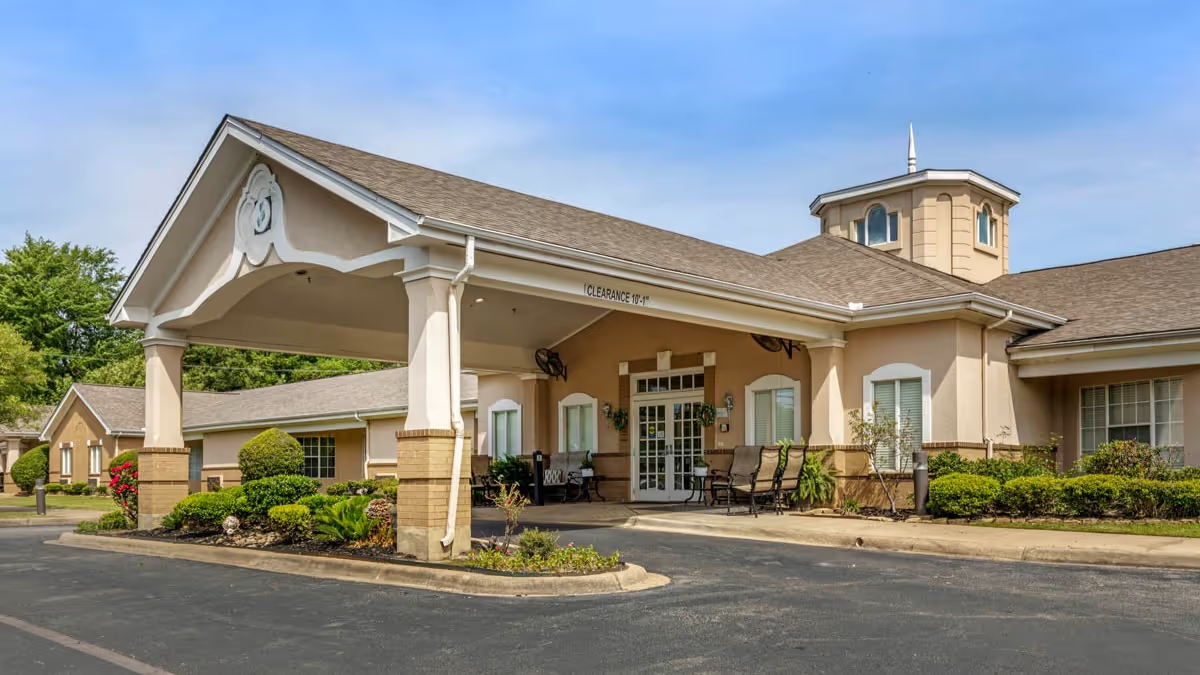
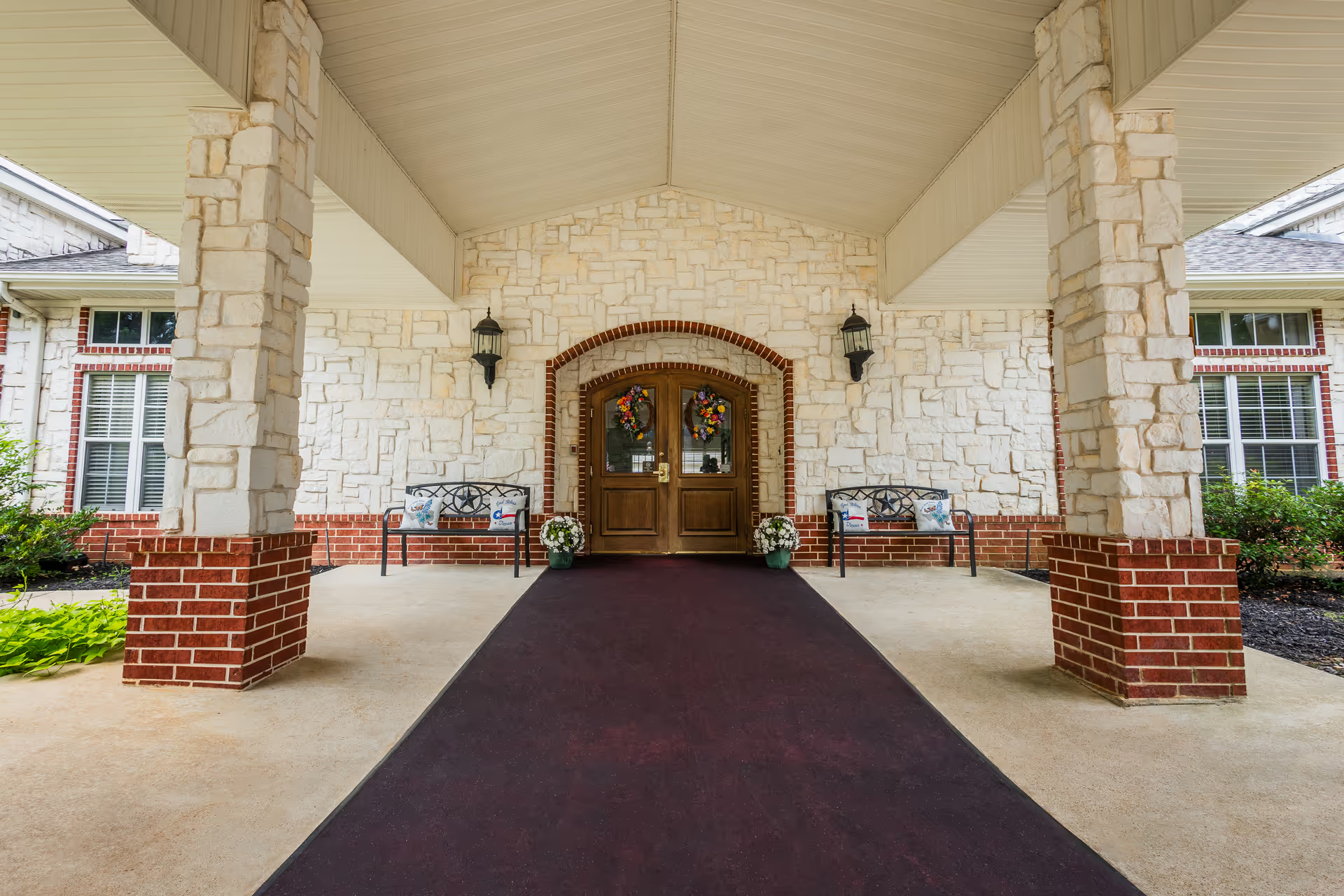
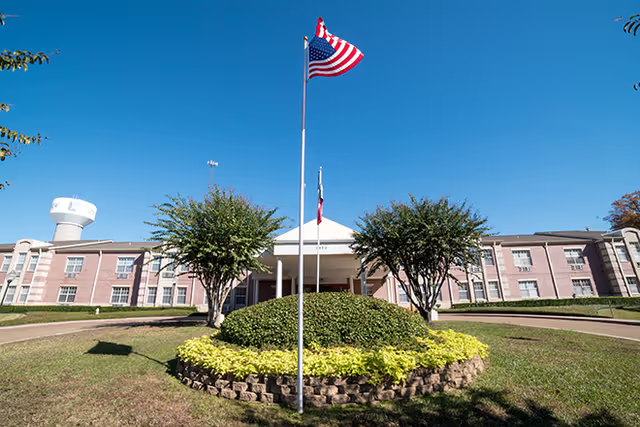
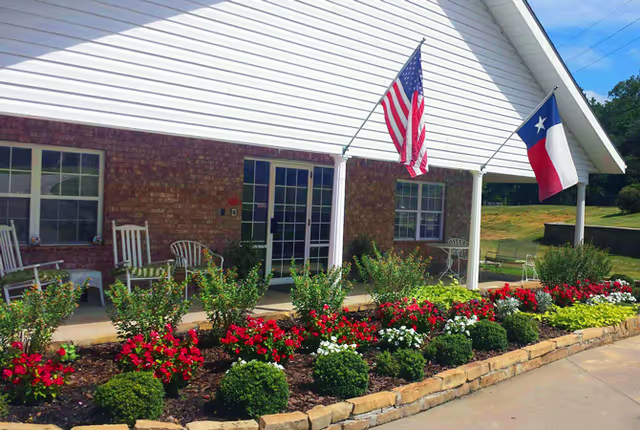
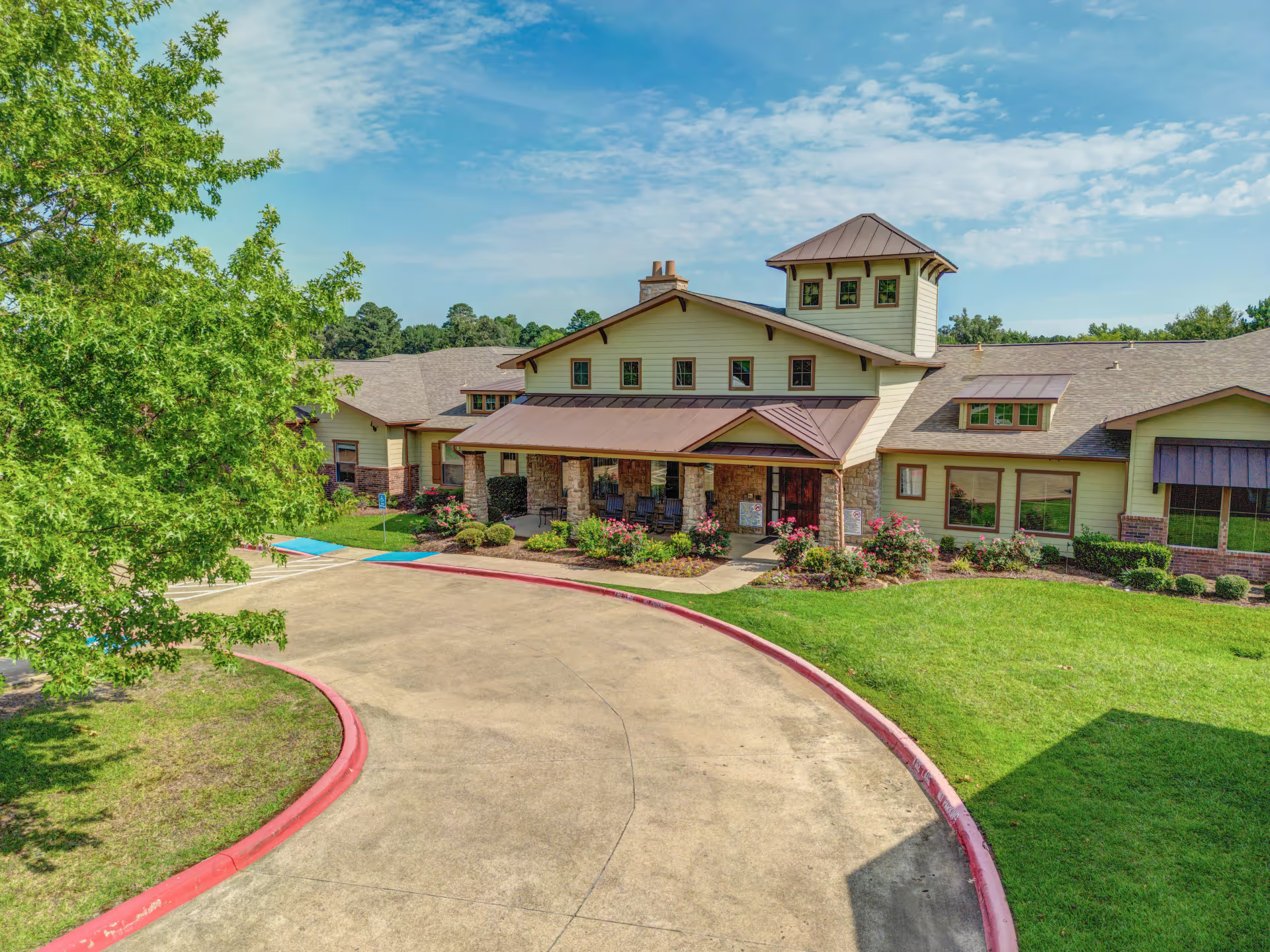
Autumn Leaves presents as a modern, well-appointed facility with many features families find attractive: private rooms with in-suite bathrooms, home-like décor, clean common areas, and a visible emphasis on infection control. Therapy and rehabilitation are frequently cited strengths — physical and occupational therapy teams are described as effective, and short-term rehab outcomes and discharges are commonly characterized as successful. The dining program shows strengths as well, with a chef-driven approach, custom diet planning, substitute menu options, and generally positive feedback on meals and dietary responsiveness.
Care quality and staffing patterns appear to be uneven. While many accounts praise kind and attentive CNAs, nurses, and therapists, others describe understaffing on particular shifts, slow responses to call bells, and delays in carrying out physician orders or medication administration. These operational inconsistencies are reflected in gaps in intershift communication and documentation, which can lead to variability in how care plans are followed from one shift to the next. Several families also raised concerns about personal-care routines — including bath schedules and continence checks — indicating that these tasks may not be performed consistently across the facility.
Staff culture and management elicit mixed impressions. Numerous reviewers highlight compassionate, friendly staff and instances of strong administrative or therapy leadership; however, there are also descriptions of variable staff demeanor and communication tone, and specific criticism of front-office responsiveness. Operational issues such as unavailable supplies, uncoordinated lab pickups, and delays in diagnostic testing point to weaknesses in clinical coordination and supply-chain processes. These operational shortcomings are compounded for some families by perceived shortfalls in communication following clinical incidents or end-of-life events. The facility’s publicly posted metrics were also noted as below average by some families, which may warrant review alongside on-site observations.
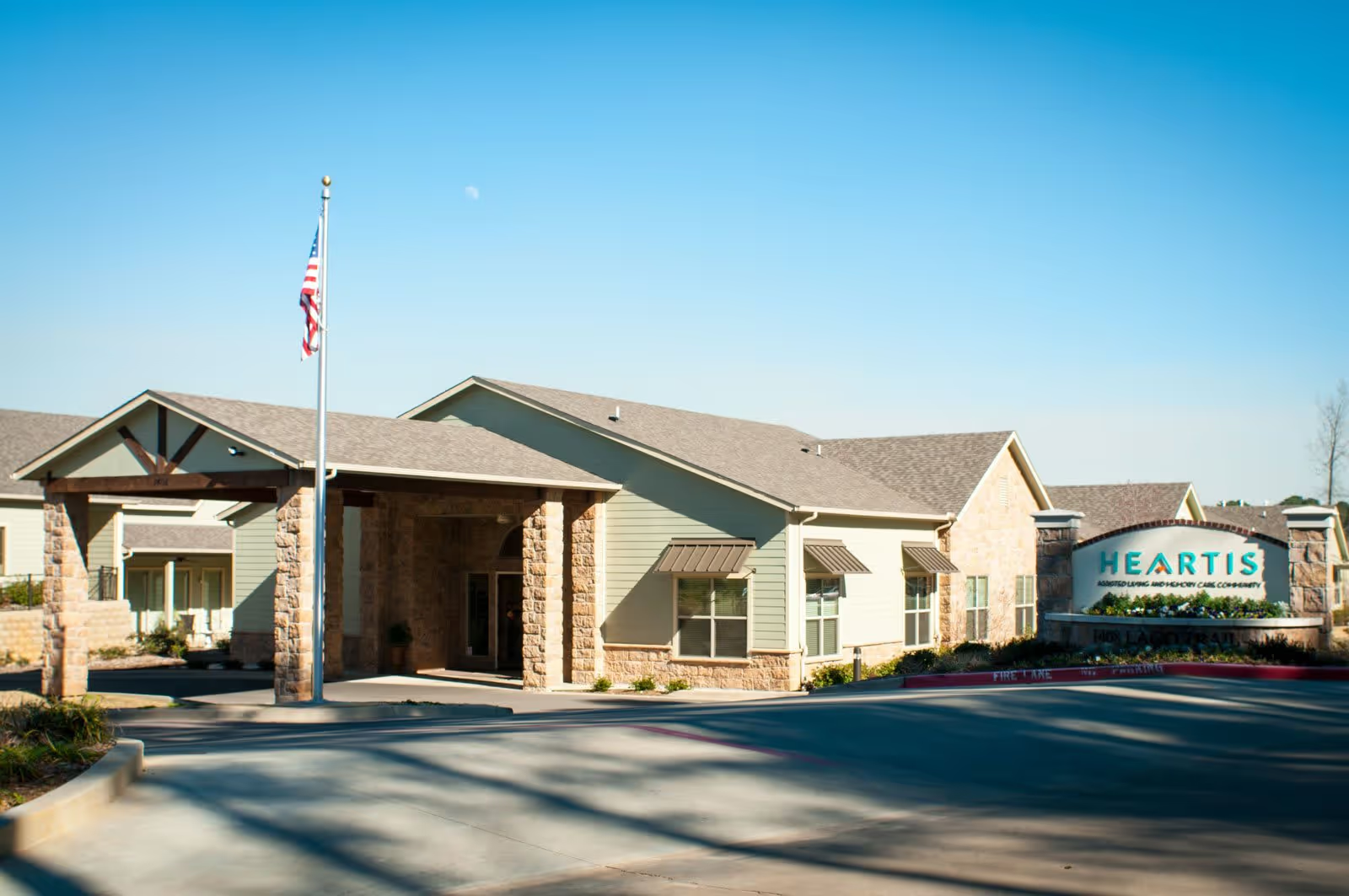
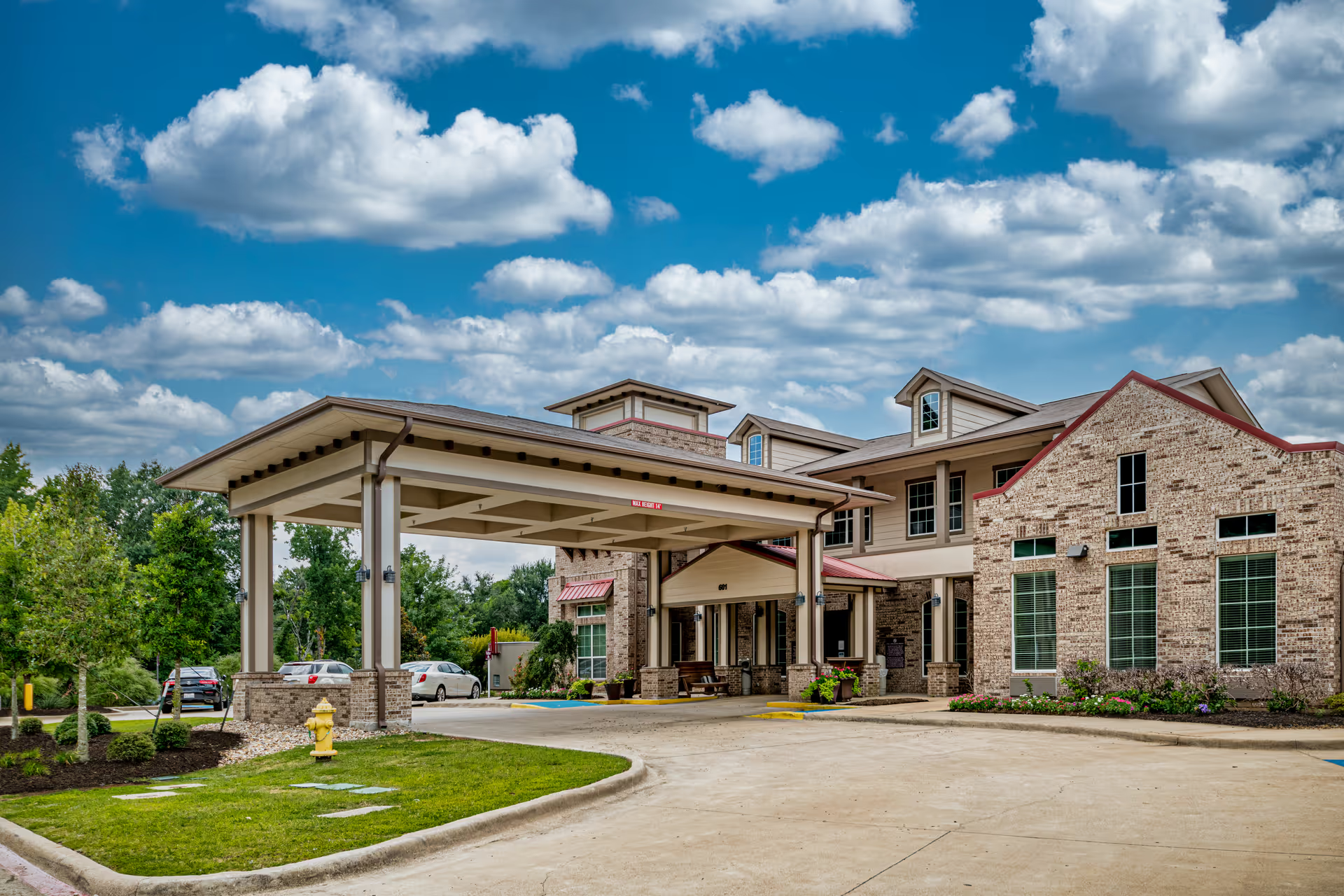
Activities and family engagement are frequently cited positives. The facility runs a range of social programming — games, music, holiday events, and family dinners — and many families describe a welcoming atmosphere for visits and involvement. The physical plant, including easy entry systems and well-kept grounds, contributes to a non-institutional, comfortable setting for residents.
Taken together, the pattern is one of a facility with strong physical resources, therapy capabilities, and many dedicated staff, but with operational variability that affects day-to-day care consistency for some residents. Prospective residents and families should consider an in-person visit that includes observing a shift change, asking for current staffing ratios, reviewing recent inspection and Medicare reports, and discussing specific protocols for medication administration, supply management, personal-care schedules, and family communication. These steps can help determine whether the facility’s strengths align with a particular resident’s needs and whether the operational gaps described align with current performance on a given unit or shift.