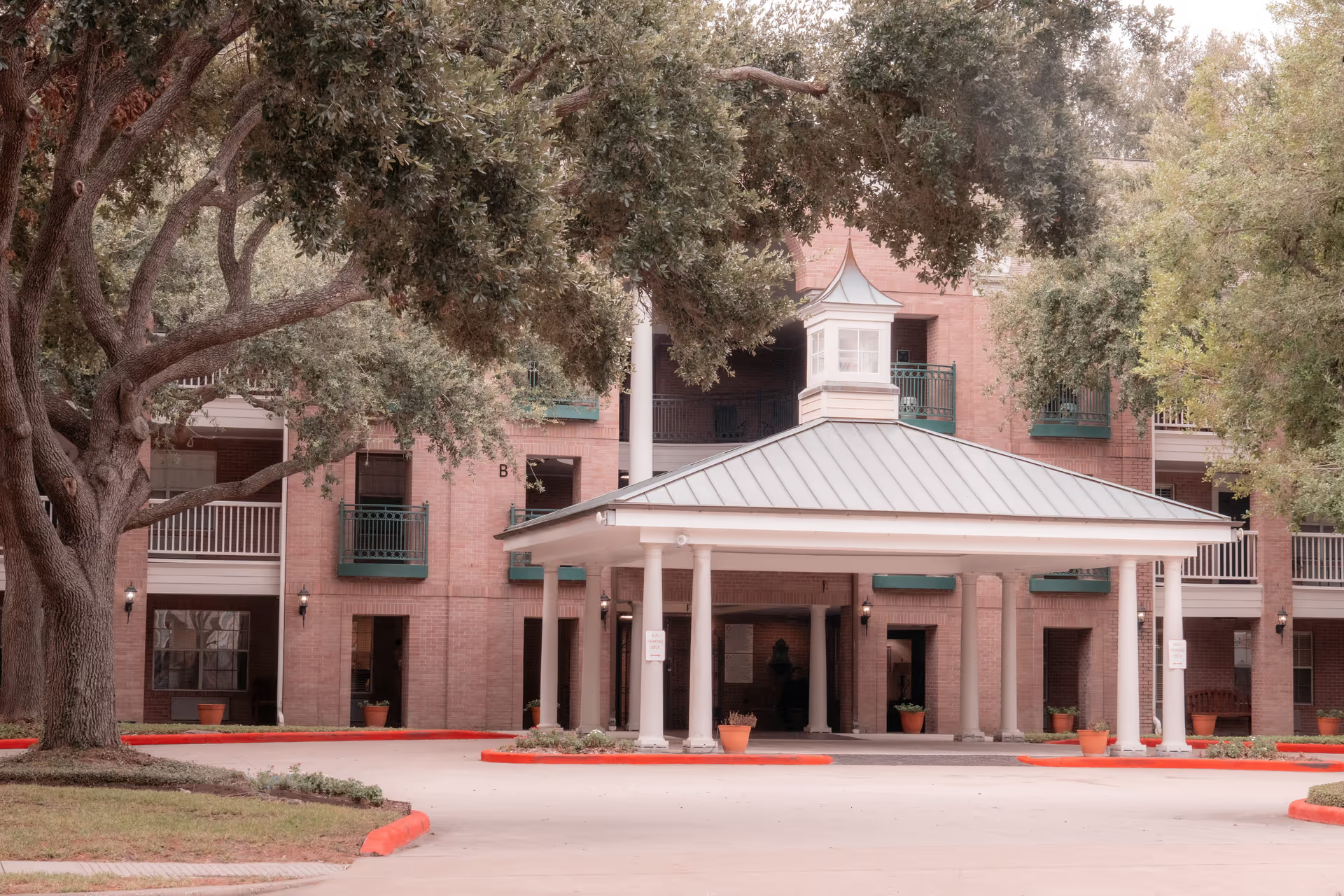
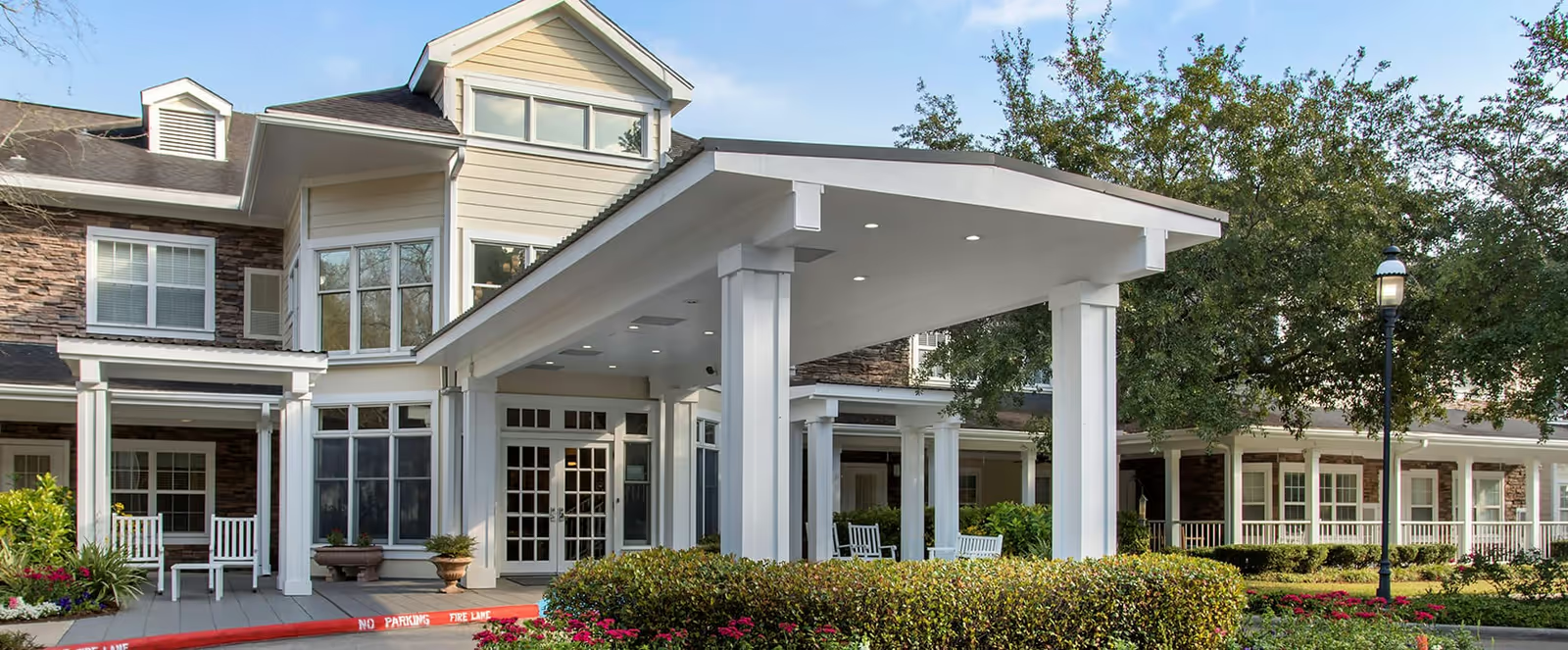
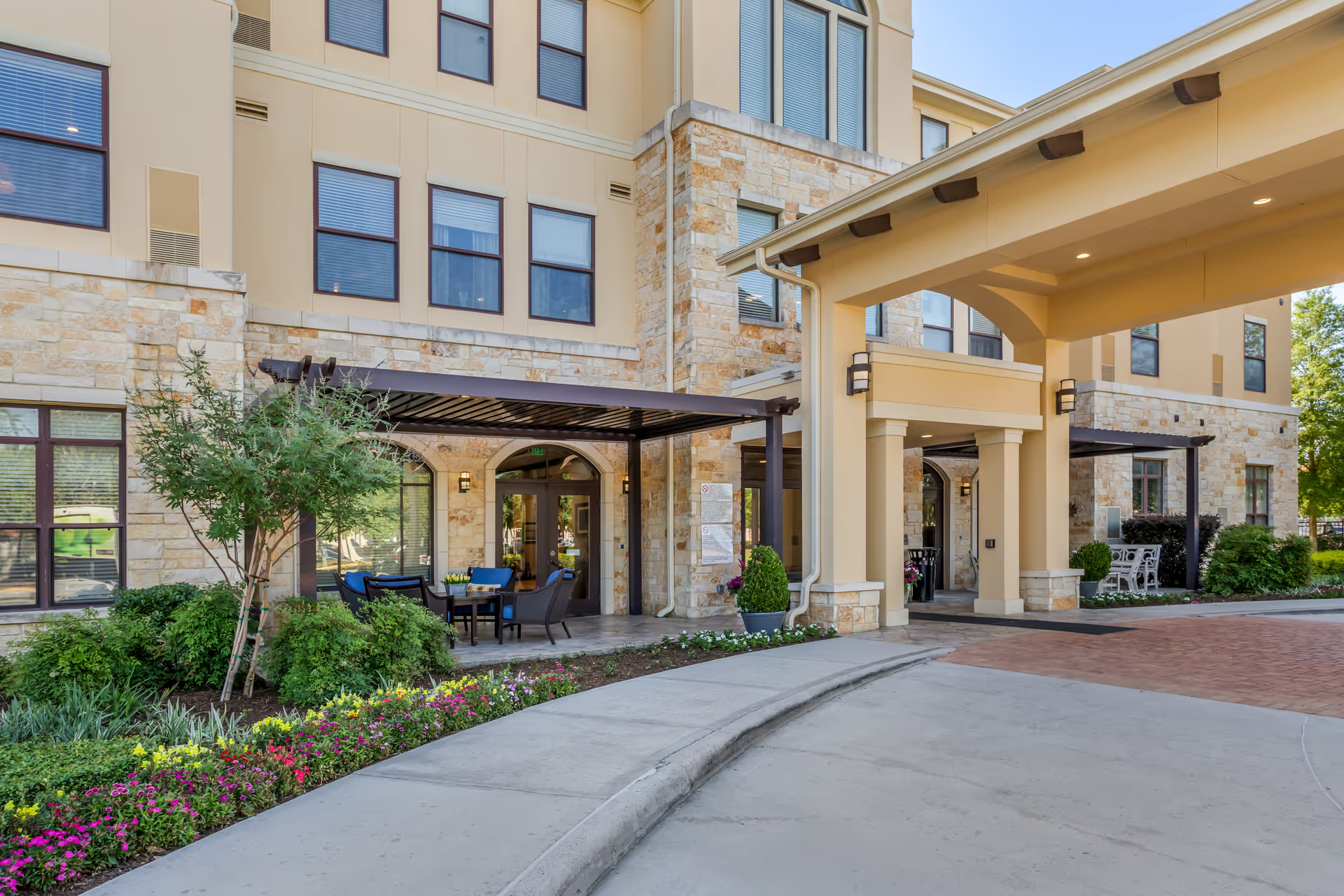
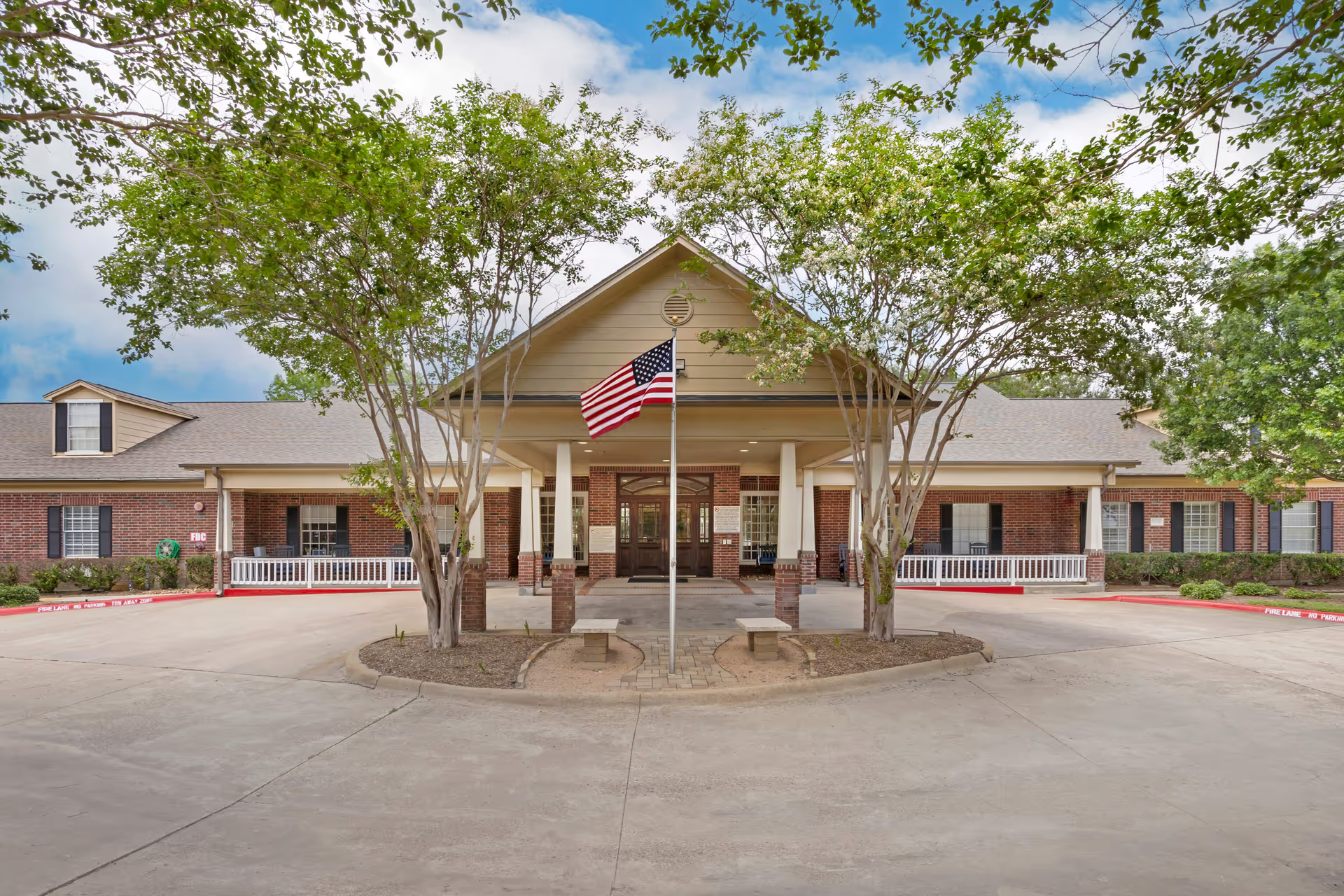
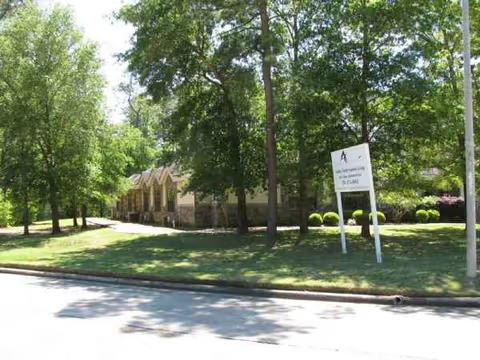
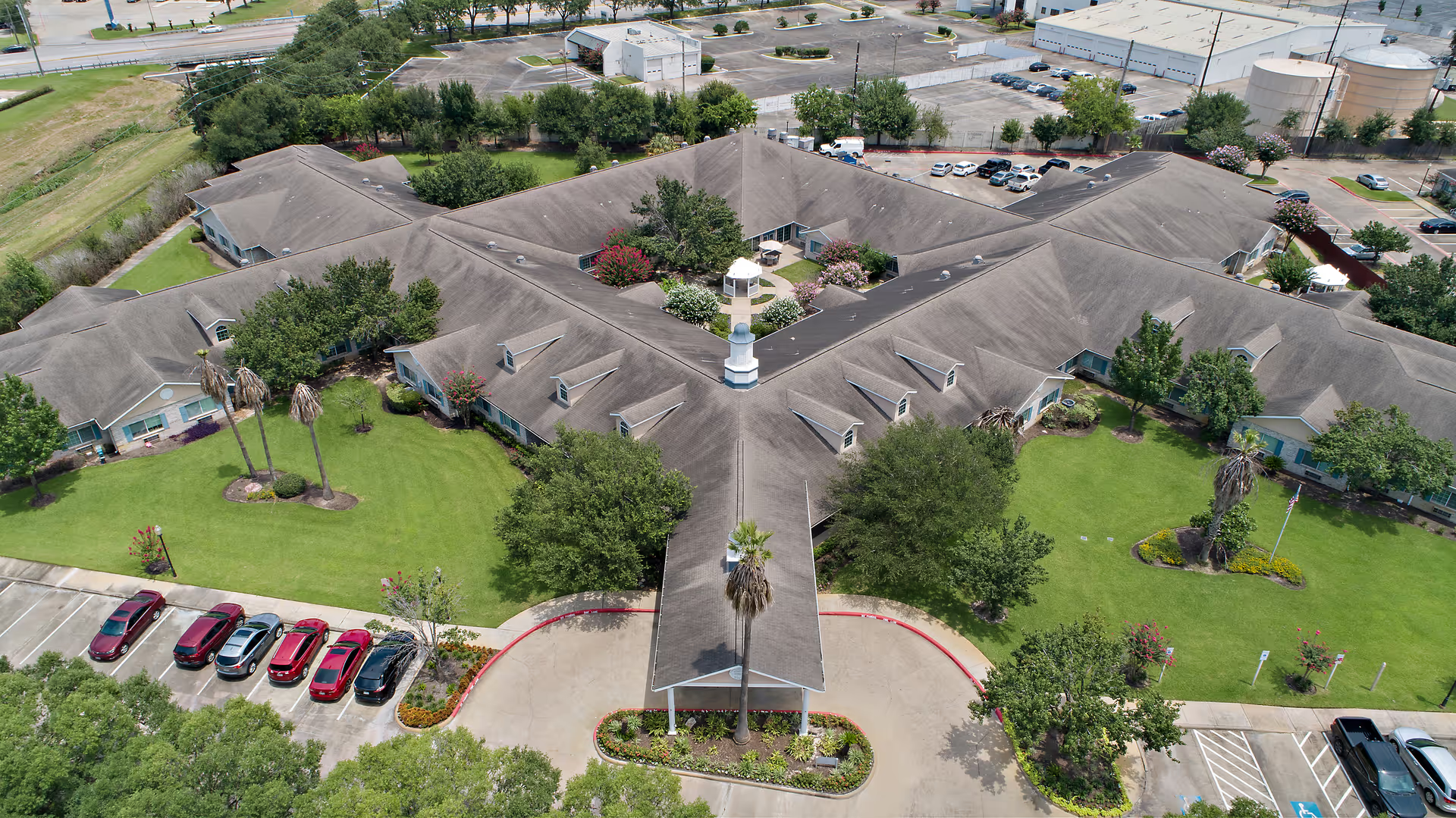
The reviews for Avalon Memory Care describe a facility with a clearly articulated memory-care focus and many operational strengths, accompanied by recurring operational concerns. Positives frequently cited include compassionate, engaged caregiving staff, knowledgeable clinical providers, a home-like atmosphere, and well-appointed private rooms and communal dining space. Multiple families praised on-site medical access (physician, podiatry, dental), timely housekeeping and laundry, and meals prepared in-house that create an inviting aroma. Residents and families often describe warm, respectful staff–resident interactions and an admissions process led by informative tour staff.
Care and staffing impressions are mixed. Many reviewers emphasize attentive, compassionate caregivers and proactive health monitoring that contributed to a sense of safety and improved resident adjustment. At the same time, there are consistent notes about staffing instability and coverage gaps; reviewers cite slow call-button responses, variable caregiver availability, and instances where staff training appeared insufficient to manage complex or aggressive dementia behaviors. These patterns suggest that care consistency can depend heavily on shift staffing and individual caregiver experience.
Dining and activity offerings receive both praise and critique. Several families appreciated home-cooked meals and the social dining environment, while others described inconsistent meal quality and satisfaction. Activity programming ranges from active engagement (dance parties, games, salon visits, walking access) to accounts of limited engagement at times; this indicates variability in scheduled programming and resident participation. Family-support activities and certain advertised amenities were also noted as missing or not consistently provided.
Facility condition and amenities were described positively in many accounts—clean, well-furnished common areas, spacious rooms, accessible showers, and pleasant outdoor space. Counterbalancing that, there are sanitation concerns and inconsistent cleanliness cited in other reviews; these appear to be site- or shift-specific rather than uniform. Reviewers also mentioned gaps between advertised features and what was available on move-in (for example, garden beds, relaxation room, or memory boxes), suggesting occasional expectations-management issues.
Communication, management, and incident handling are important themes. Some families praised responsive leadership and a manager who addresses concerns effectively; others described inconsistent management availability (a part-time manager) and lapses in transparent communication. Notable operational weaknesses inferred include limited incident transparency and reporting mechanisms, billing disputes, and concerns about emergency response timeliness. There are also serious single-case–level claims around restraint practices; these merit follow-up and clarification from facility leadership and regulators as appropriate.
Overall, Avalon Memory Care presents strong attributes desirable in memory-specific residential care—compassionate staff, home-like environment, on-site clinical access, and a community feel—paired with operational variability in staffing, cleanliness, programming consistency, and communication. Prospective residents and families would be best served by an in-person visit during multiple shifts, a focused conversation about staffing ratios and emergency protocols, written clarification of included amenities and activities, and review of the facility’s incident-reporting and restraint policies before placement.