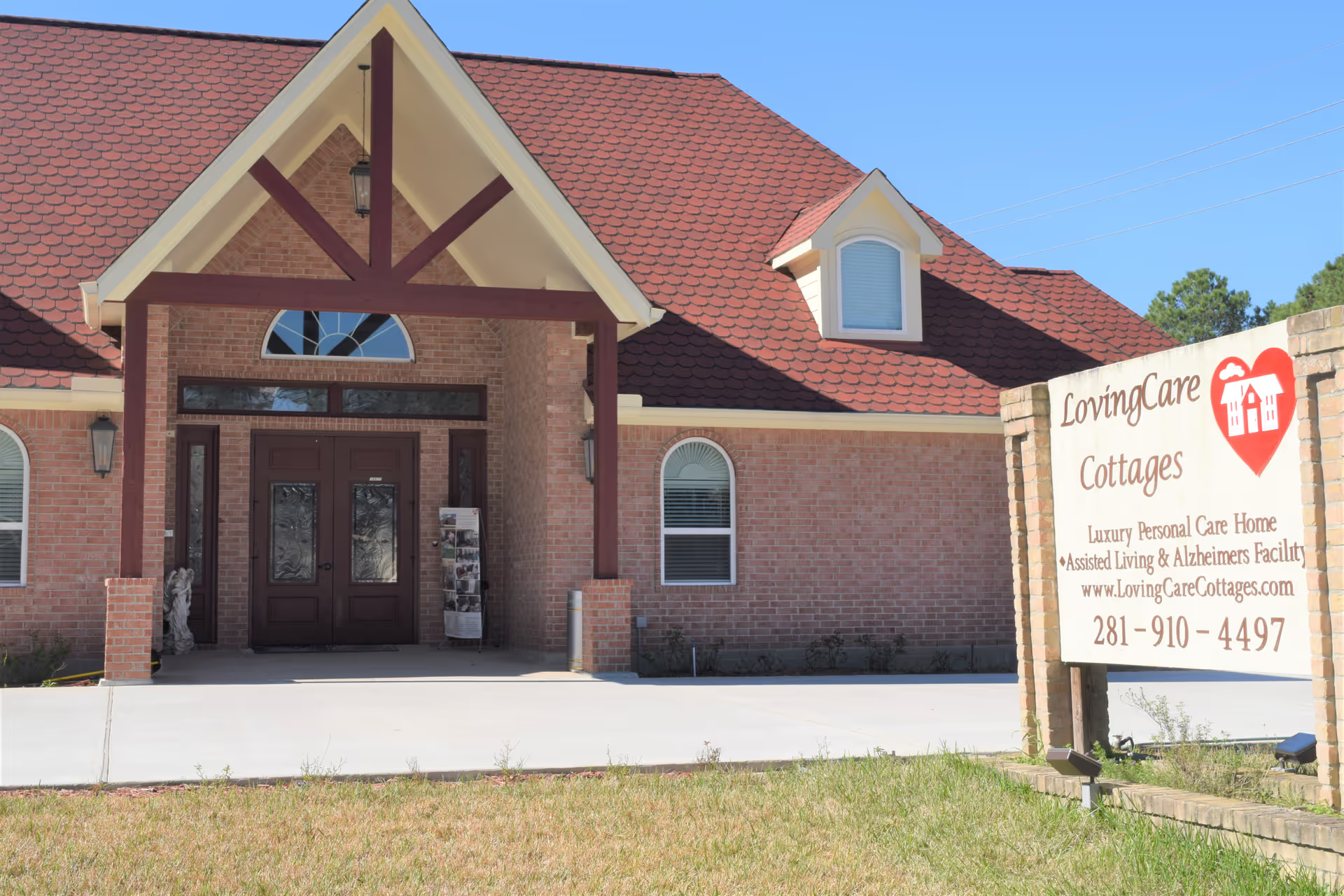
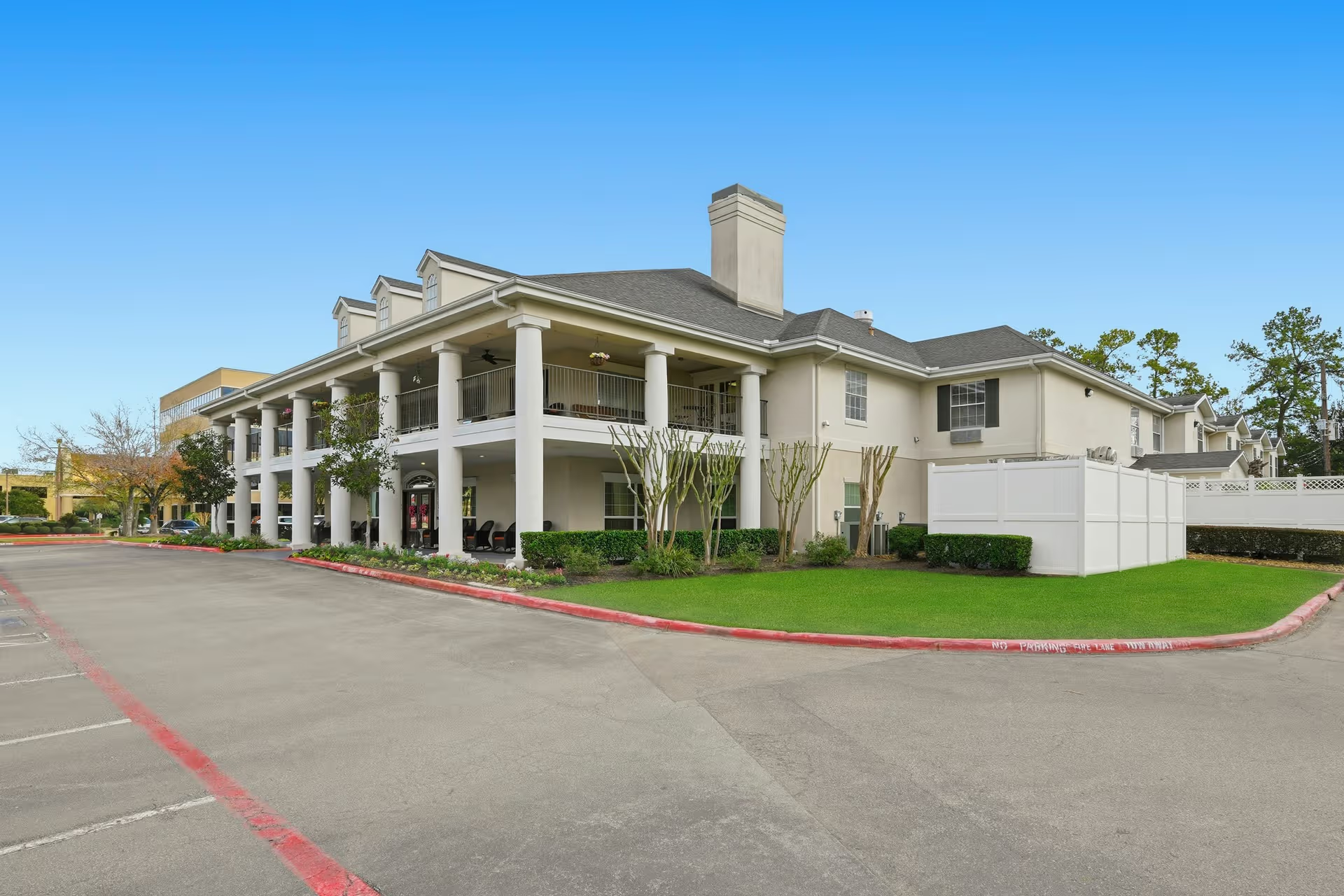
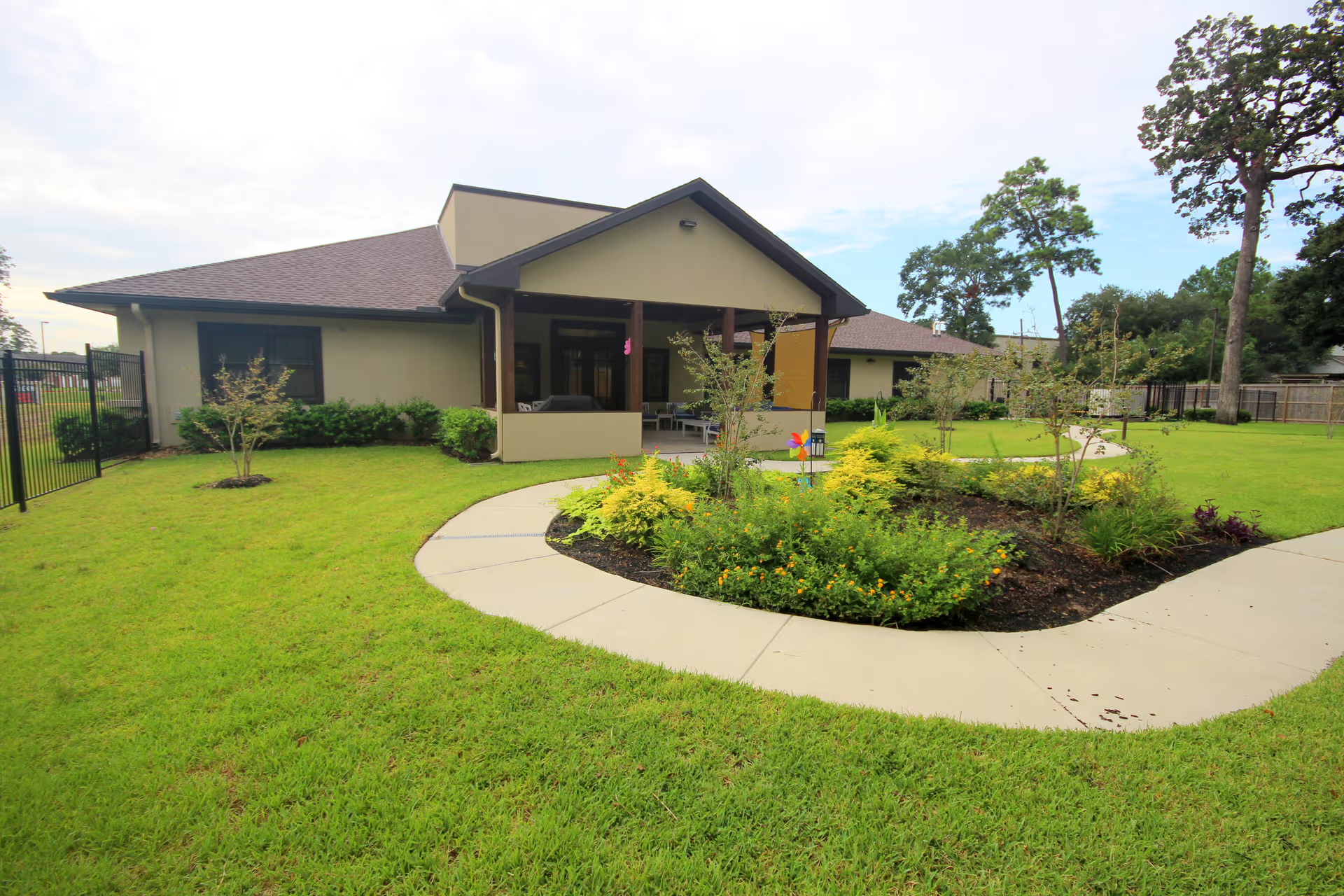
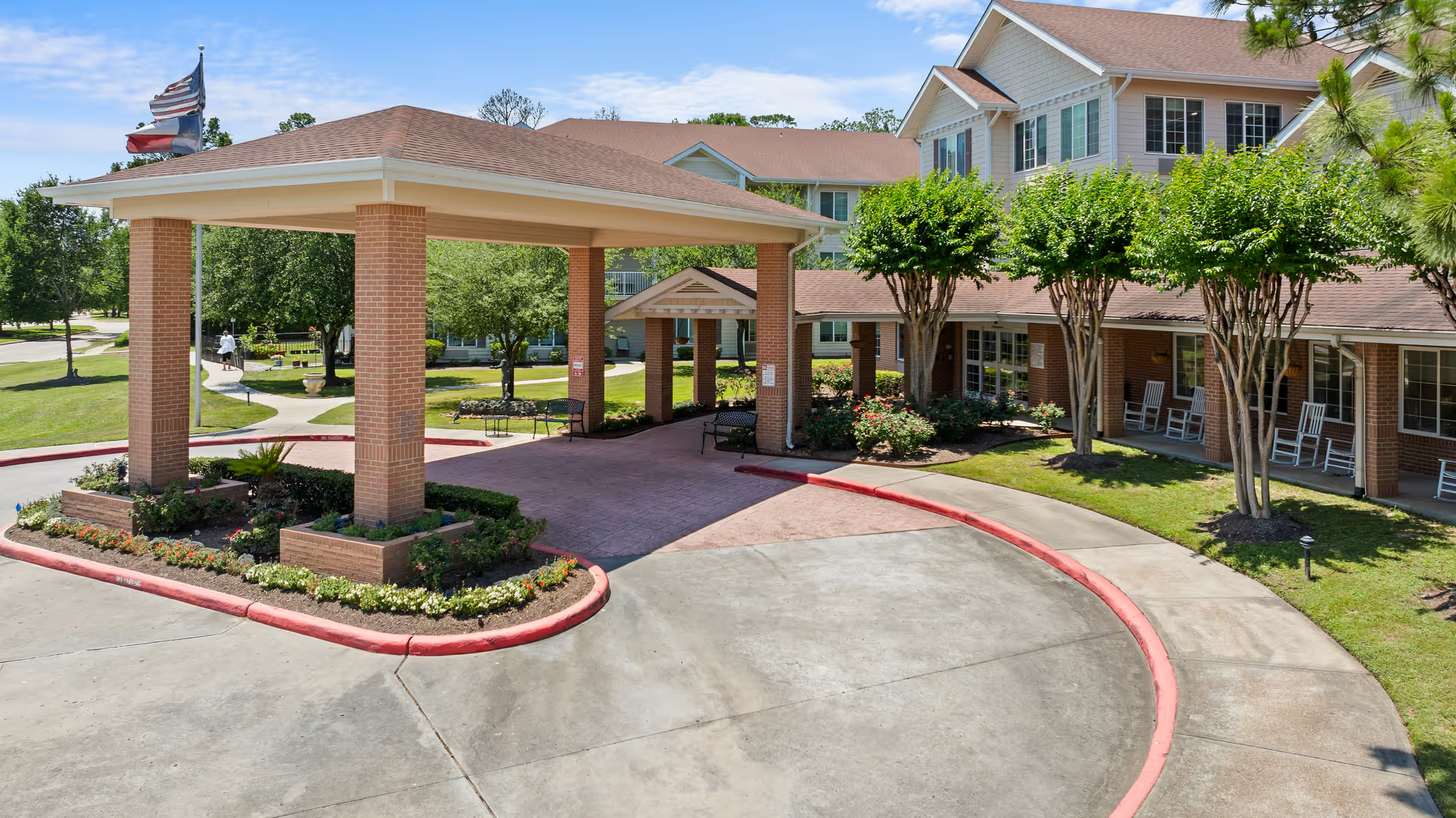
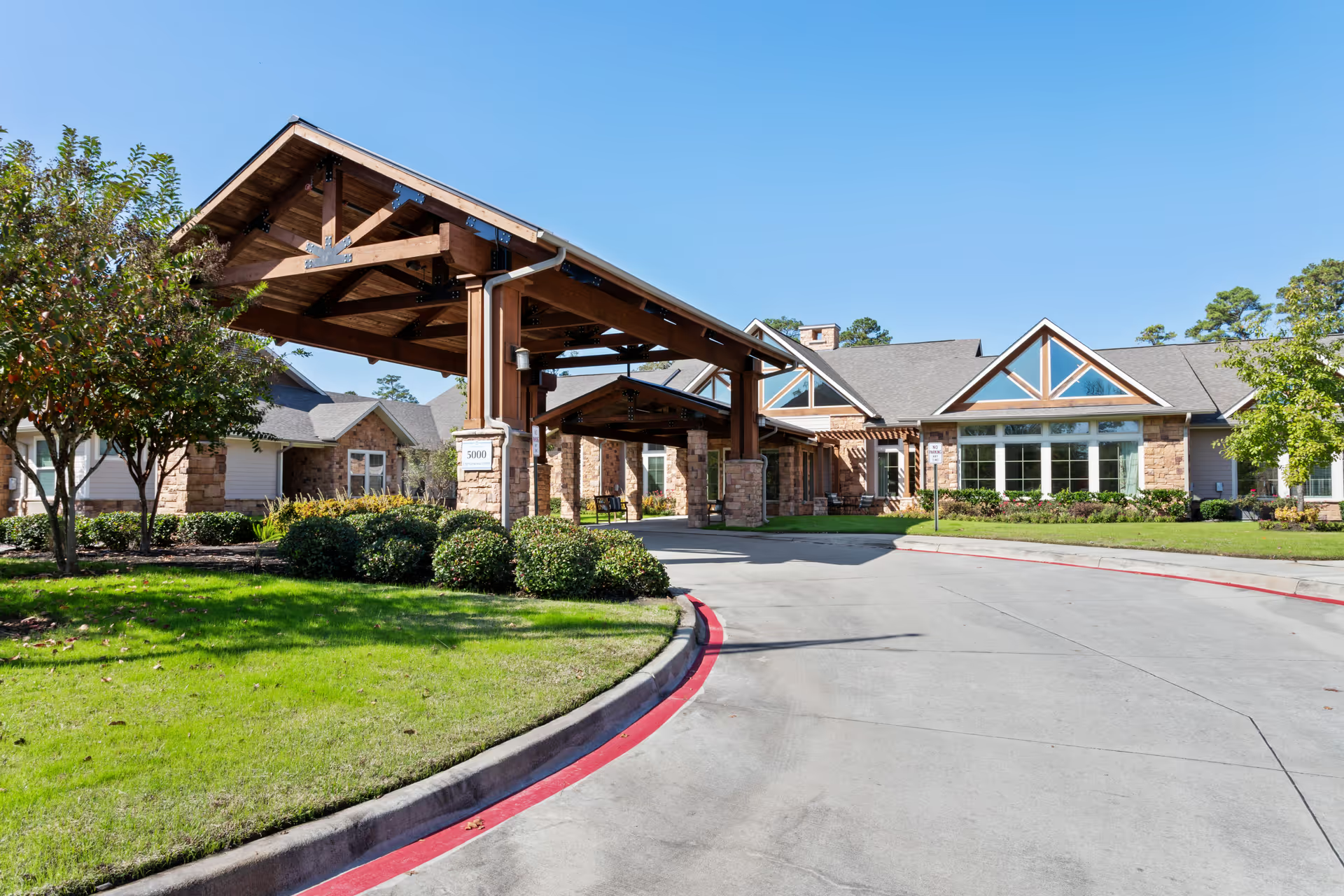
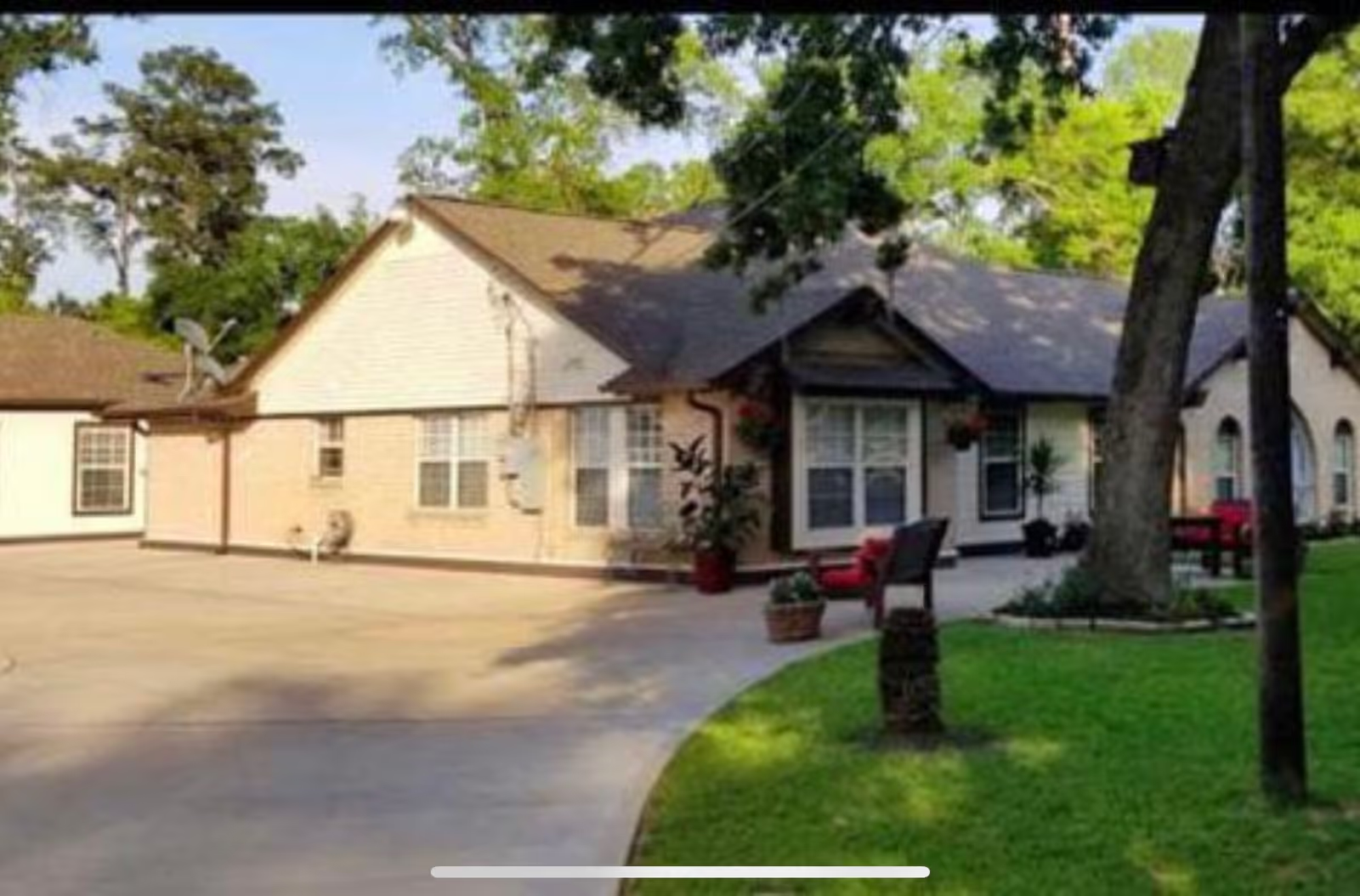
Overall impression: Avid Care Cottages - North presents as a small, home-like assisted living option that several families praise for its attentive caregiving, hands-on management, and family-oriented communication. Many accounts describe individualized attention, improvement in residents' routines and appetite, and a calm atmosphere that families found suitable for respite stays and end-of-life support. The environment is frequently characterized as quaint and comfortable, which appeals to those seeking a less institutional setting.
Care and staff: Care quality is the most consistently cited strength. Reviewers highlight compassionate, attentive staff and an involved owner/manager who communicates directly with families. Caregivers are often described as responsive to day-to-day needs, supportive of family requests, and effective at working with residents who have memory impairment. At the same time, there are operational concerns about uneven staff training and occasional lapses in professionalism; these comments suggest variability in staff skill mix and conduct that could affect consistency of care.
Clinical services and safety: The cottage operates without 24-hour licensed nursing coverage and does not have on-site physical therapy, which limits its suitability for higher-acuity residents or those needing continuous clinical oversight. Families should consider these service gaps when evaluating clinical risk and post-acute rehabilitation needs. While some residents showed measurable rehabilitation progress, this appears to have been achieved despite limited on-site therapy resources rather than because of them.
Dining and housekeeping: Many families appreciate the home-style, well-prepared meals and the smaller dining setting. However, other accounts raise concerns about inconsistent meal quality and sanitation issues. These mixed impressions indicate variability in food-service standards and environmental maintenance; prospective residents should observe meal service and cleanliness during a visit and ask about pest-control and housekeeping protocols.
Activities and programming: Activity offerings receive mixed feedback. Some reviewers described a quiet environment with few organized activities, while others did not note activity programming at all. The facility seems to provide individualized attention more than a robust, scheduled activity calendar, which may suit residents who prefer a calmer routine but may not meet the needs of those seeking more structured engagement.
Management and communication: Management is frequently described as hands-on and easy to reach for clinical updates or family coordination, which families valued. Conversely, there are intermittent reports of unresponsiveness to phone calls and emails, suggesting that communication responsiveness may be inconsistent at times. Prospective families should clarify preferred contact methods and escalation procedures during intake.
Notable patterns and recommendations: The cottage is a reasonable fit for families seeking a small, homelike setting with compassionate, relationship-driven care—particularly for dementia-supportive needs, short-term respite, or end-of-life comfort. It is less appropriate for individuals requiring continuous nursing care, on-site therapy, or a high level of activity programming. Visitors should perform a thorough tour focused on cleanliness and pest-control measures, review staffing and clinical-coverage schedules, confirm costs and financial expectations, and ask for examples of activity programming and meal menus to determine fit.