Accounts of care at Avir at Orem vary considerably. Families describe positive experiences with rehabilitation and therapy, wound care, attentive individual staff members, and residents who are comfortable and engaged. Other accounts raise concerns about inconsistent nursing coverage, high CNA workloads, delayed responses to call lights, and uneven assistance with daily care. Reports concerning bathing, changes of clothing or bedding, privacy, and support for residents at risk of falling point to variation in how consistently personal care is delivered. One family also raised end-of-life care concerns; the available reviews do not establish a cause or broader pattern.
Staff interactions are a notable strength in many accounts: visitors describe welcoming reception, helpful nurses, responsive social workers, and staff who assist families with arrivals and visits. However, other families describe communication that felt dismissive or difficult to obtain, and concerns that staff attention and professionalism vary. Medication-related communication is also an area for families to clarify directly, including how preferences and care instructions are documented and followed. One family described a dispute over insurance billing and charges, indicating a need to review financial statements and billing procedures carefully.
Dining feedback is mixed. Some visitors describe meals as appealing, warm, and served promptly; others raise concerns about food temperature and whether residents who need help eating receive timely assistance. Activities are a positive feature, with accounts mentioning bingo, music, church services, and opportunities for residents to participate. The facility is also described as accommodating family visits and providing spaces for gatherings.
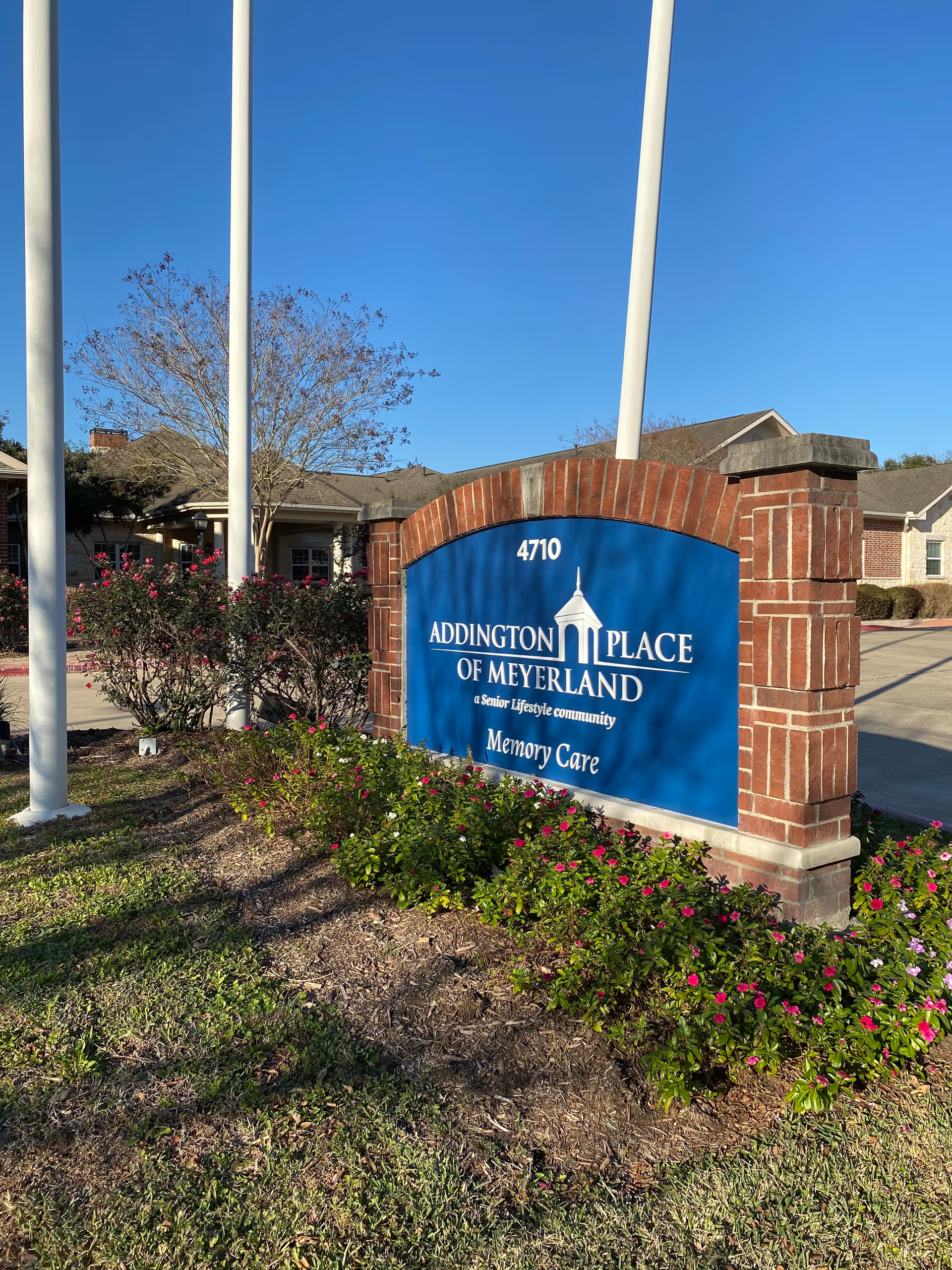
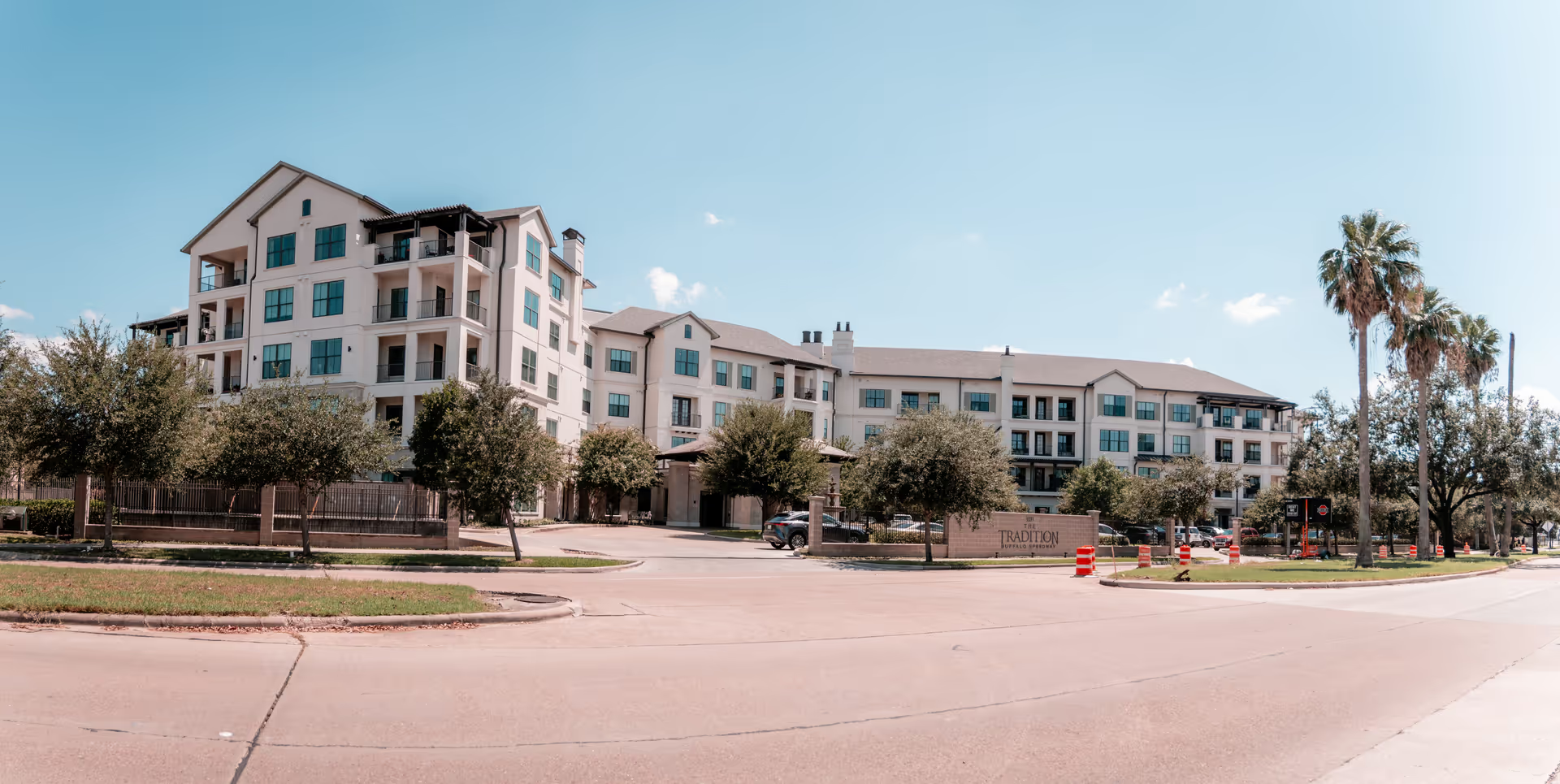
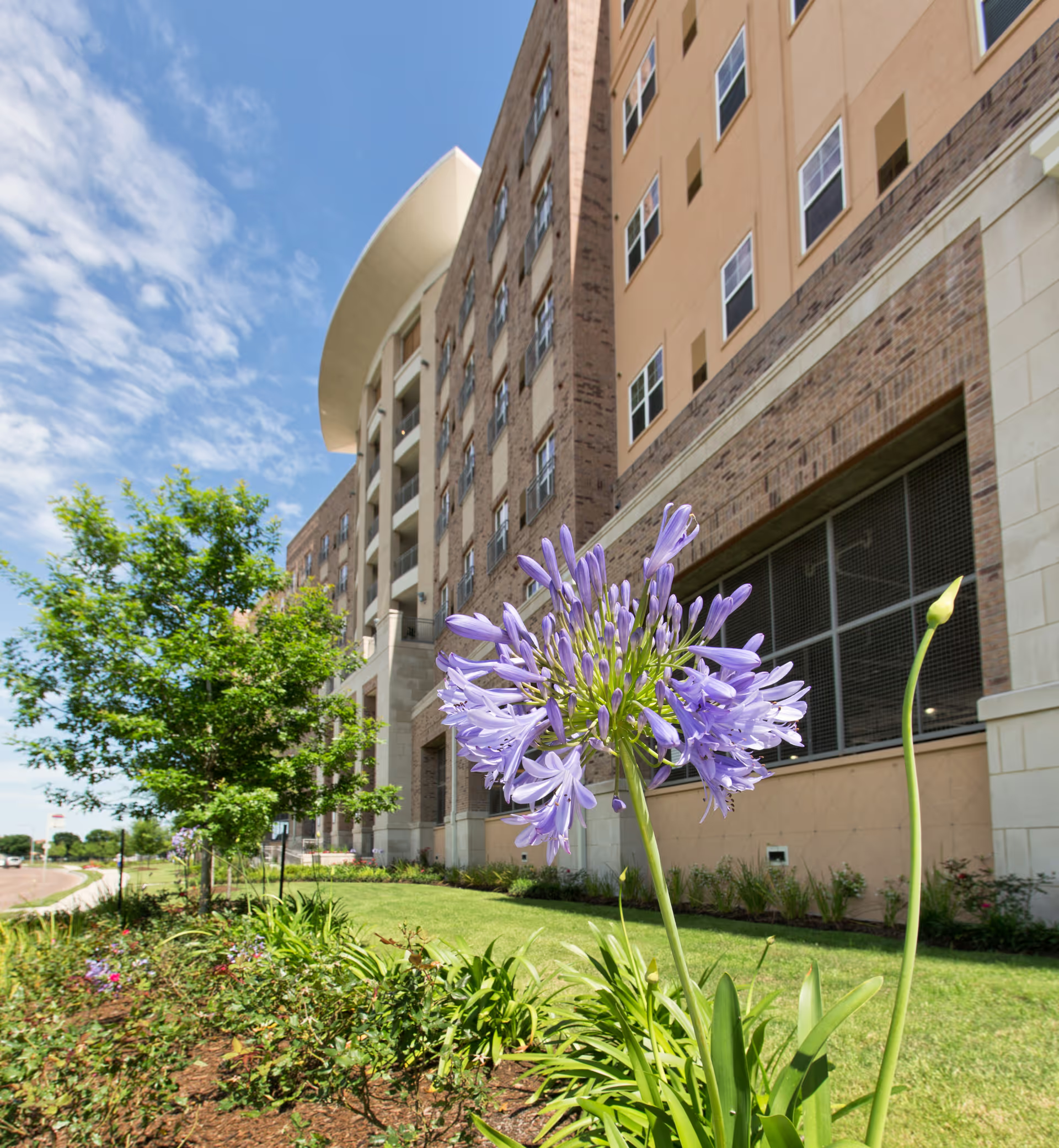
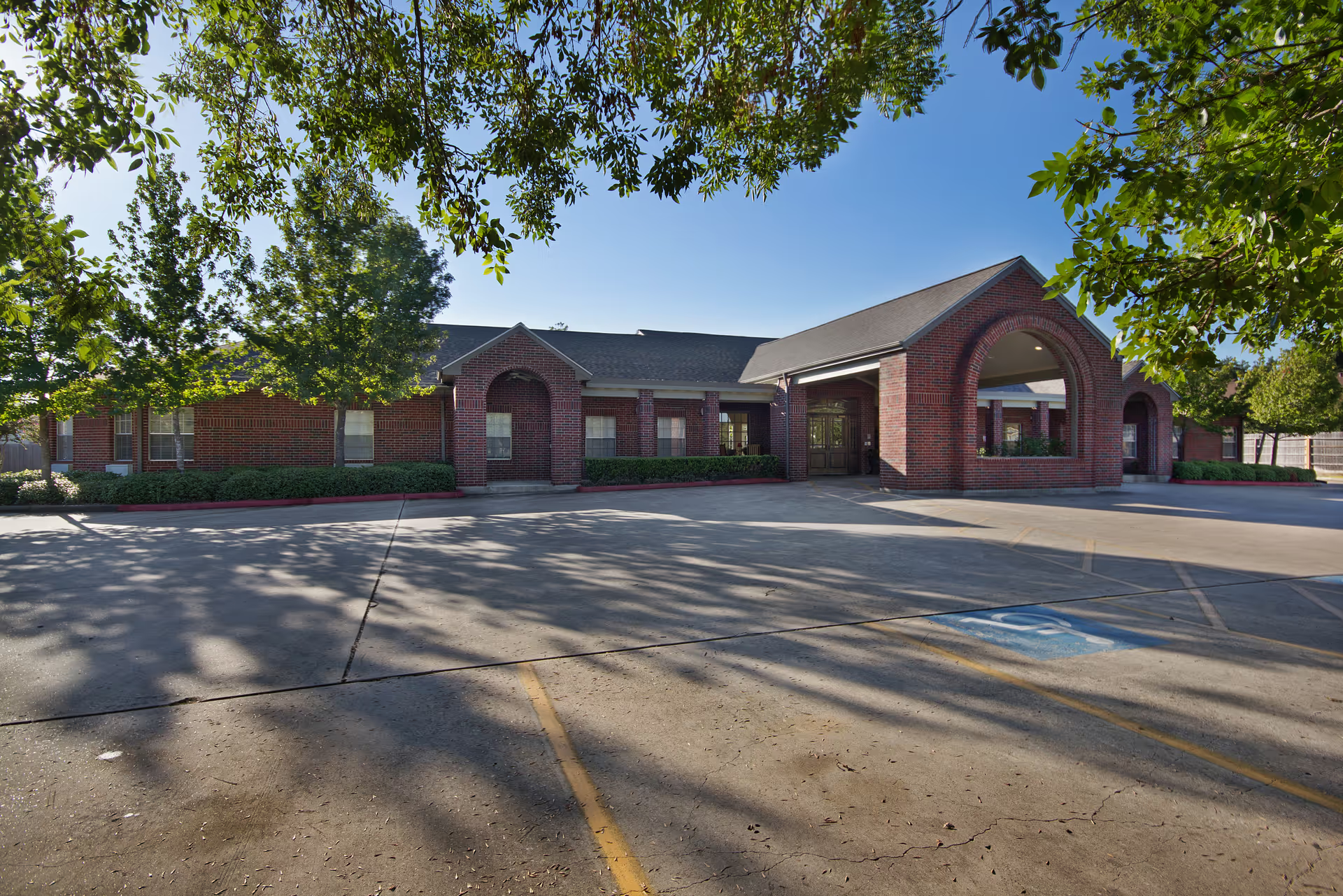
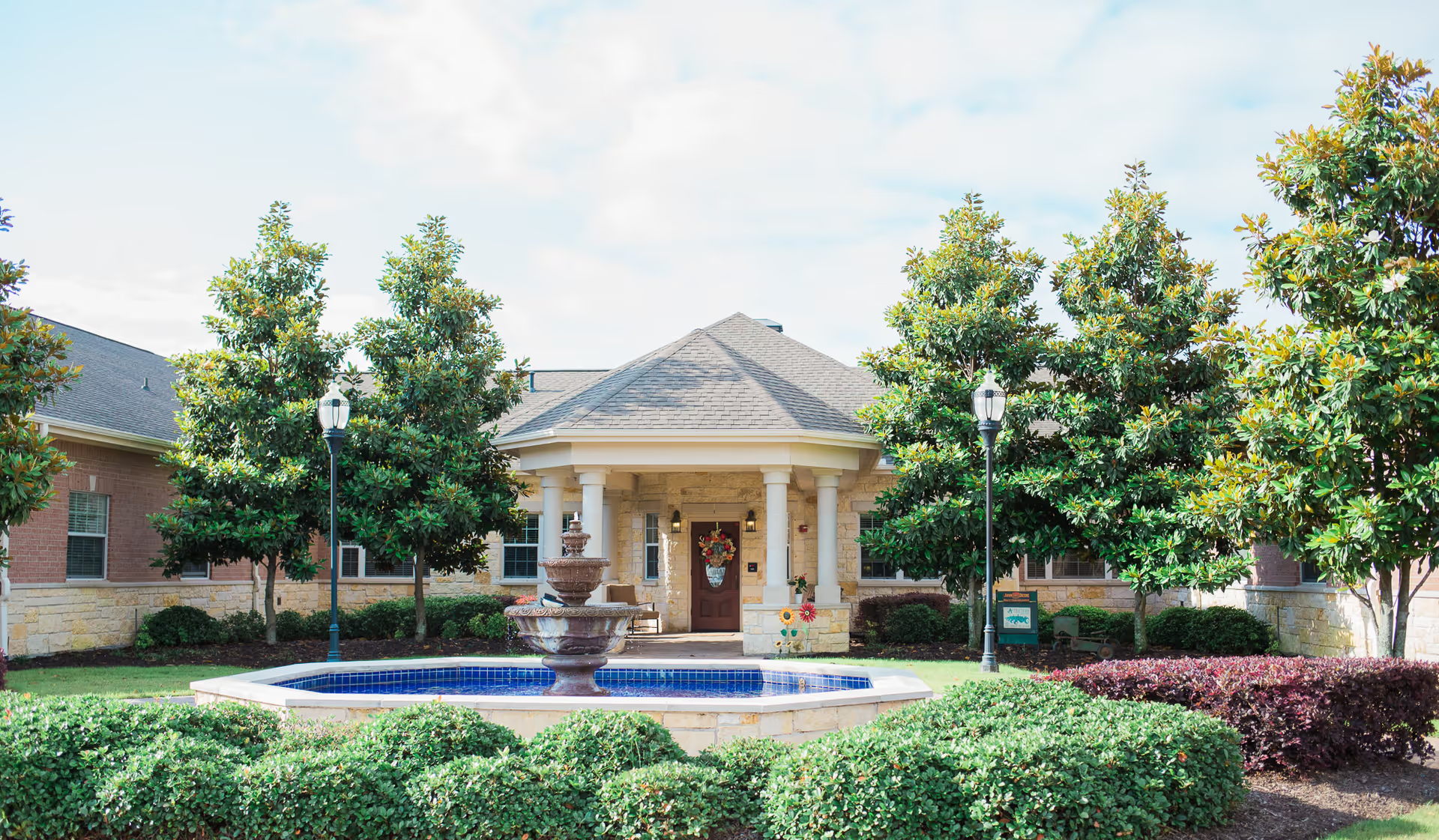
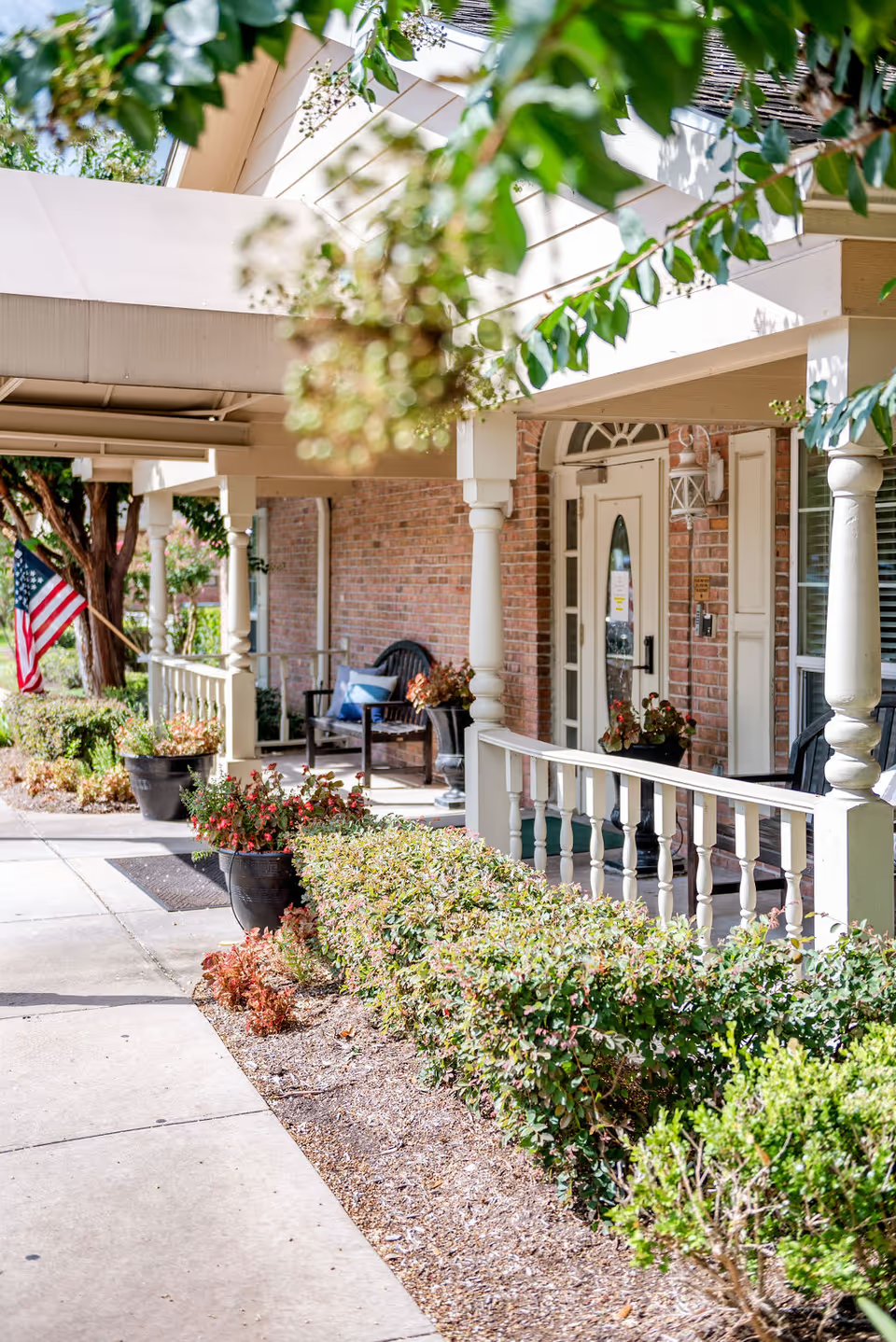
The building’s appearance and cleanliness receive frequent praise, particularly for the entrance, common areas, and visitor-facing spaces. In contrast, some accounts describe odor and sanitation concerns in resident areas, along with pest-control concerns, inconsistent access to clean linens and towels, and issues with laundry. Room comfort and upkeep are also raised in individual accounts. Check-in and security procedures are praised by some visitors, while another account describes visitor screening as inconsistent. Overall, the contrast between positive impressions of the public areas and reports of problems in some resident-care areas suggests that families may benefit from visiting at different times, observing care routines, and asking about staffing, personal-care schedules, meal assistance, linen availability, medication communication, and billing practices.