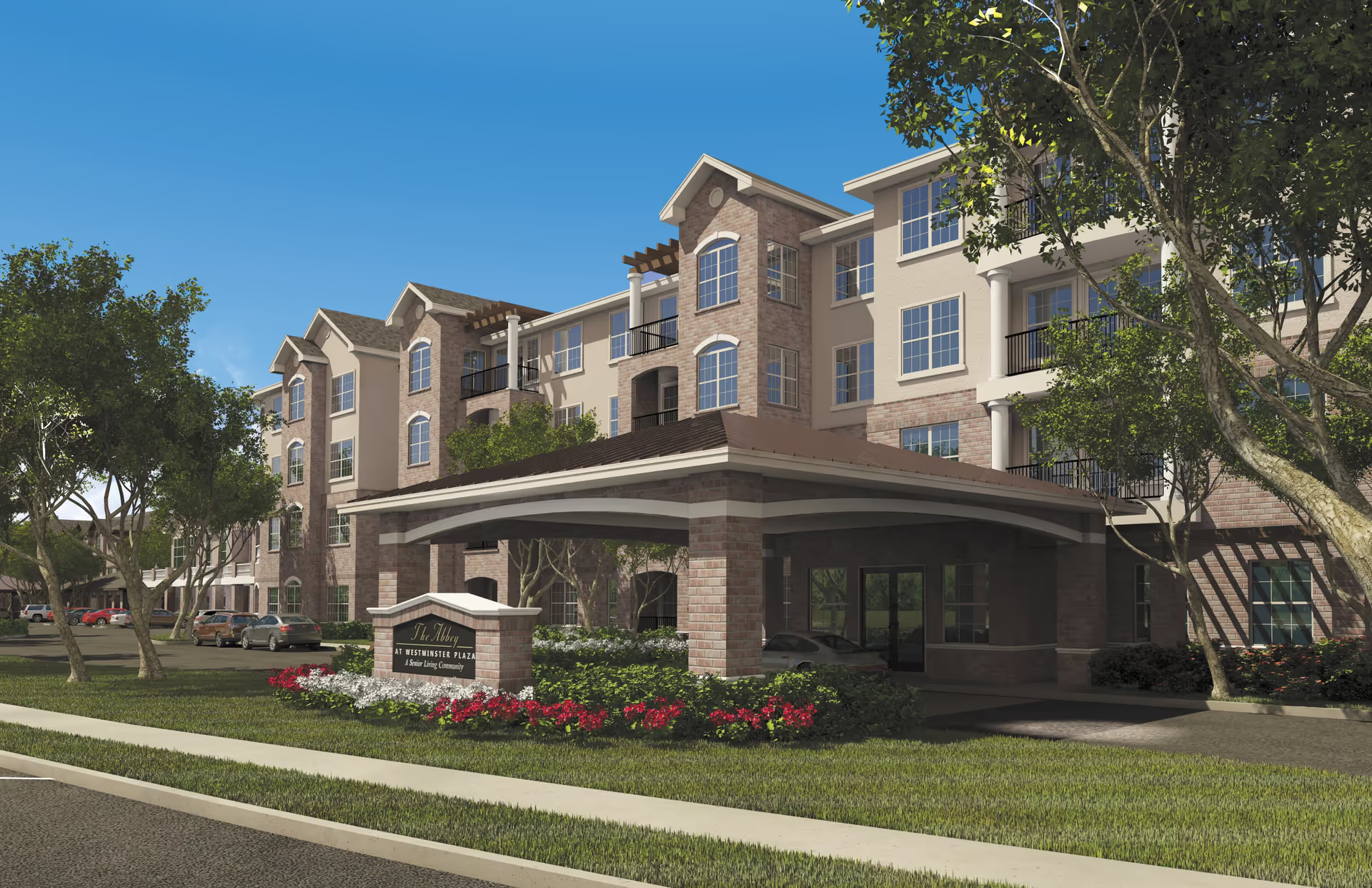
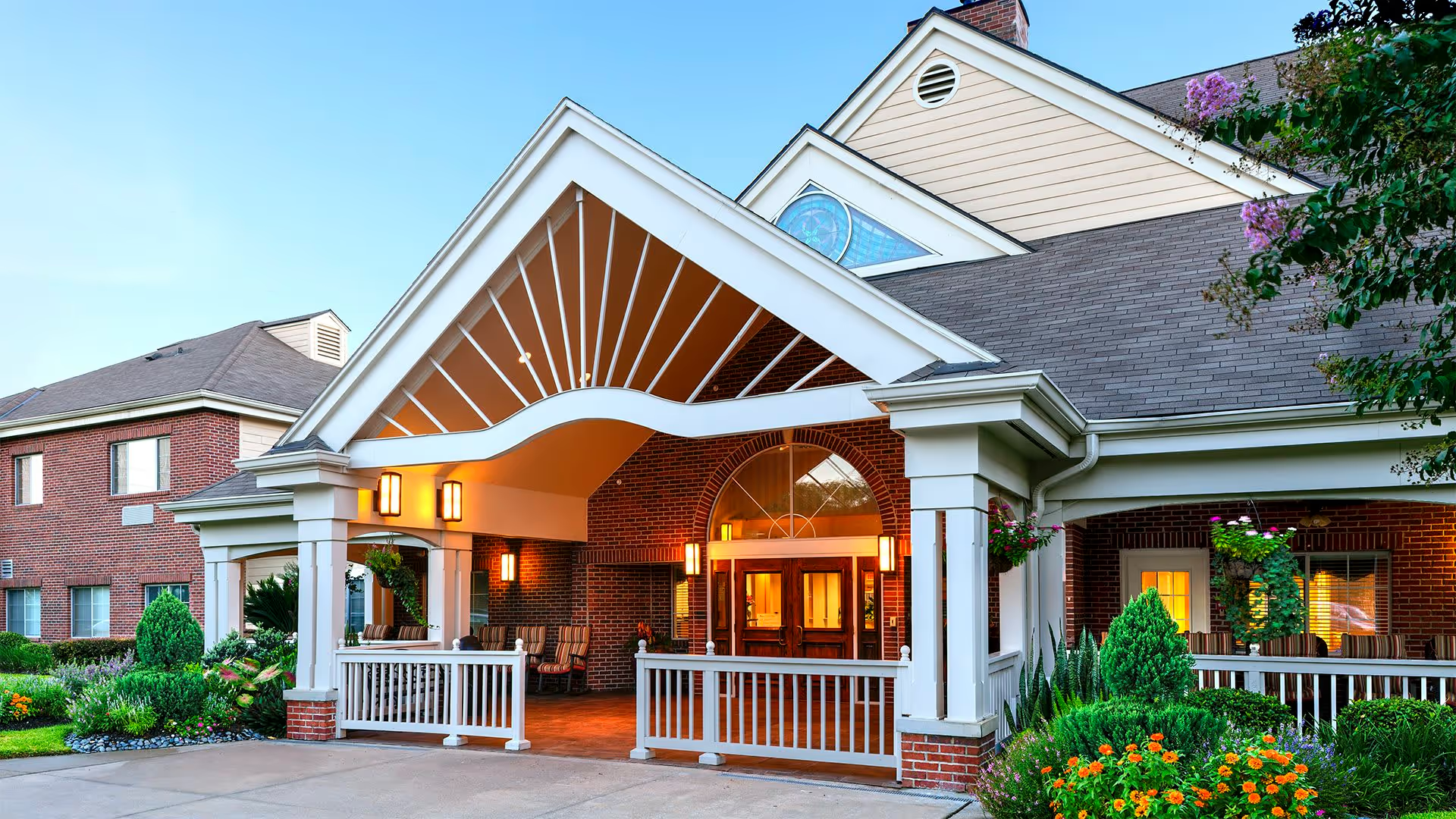
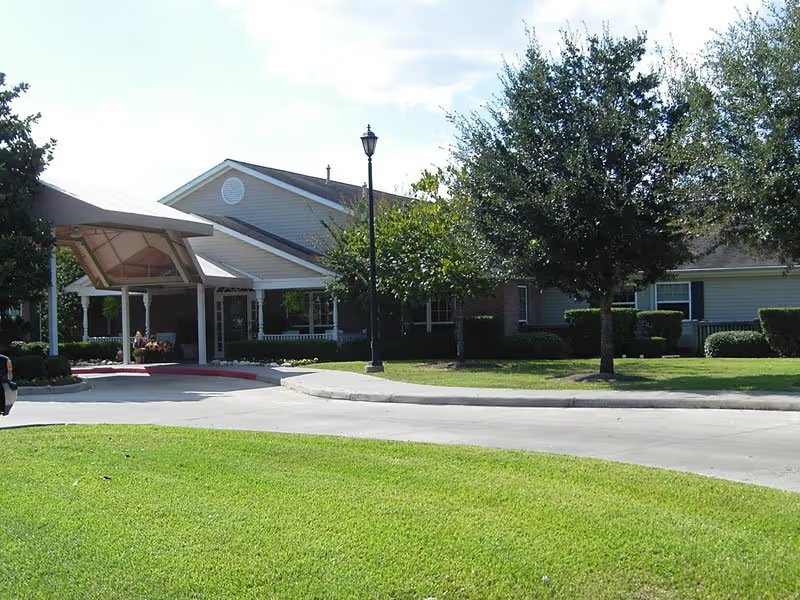
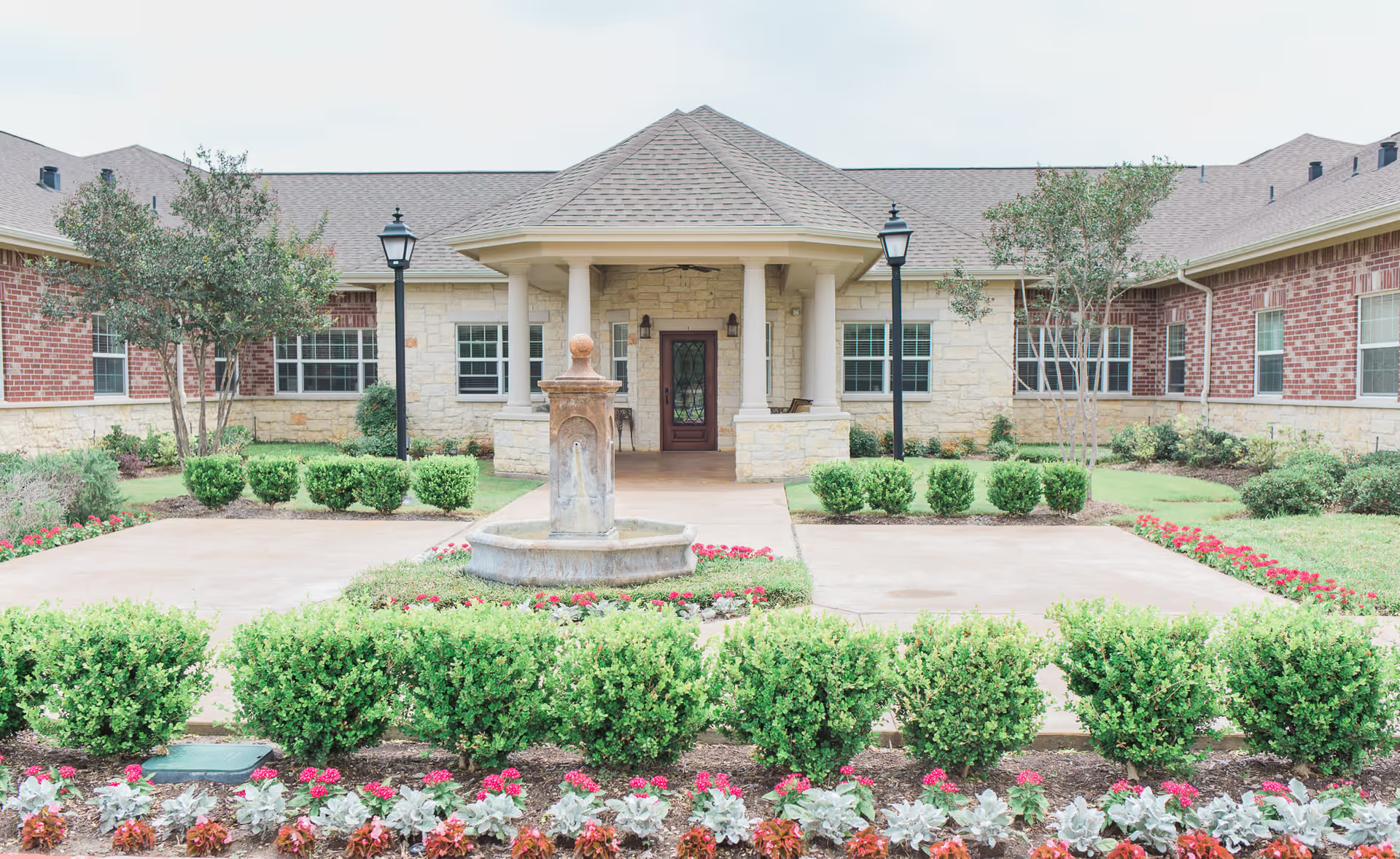
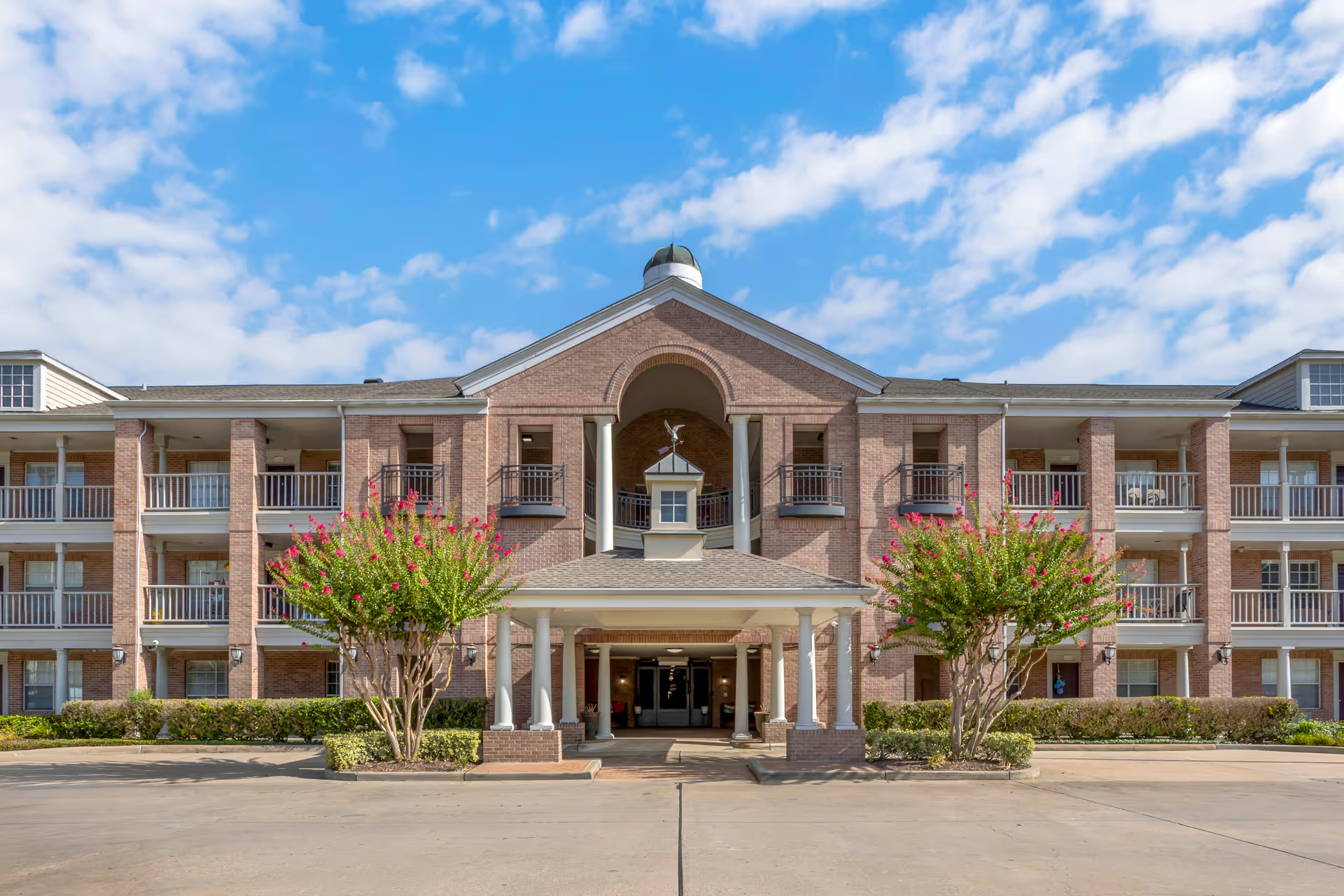
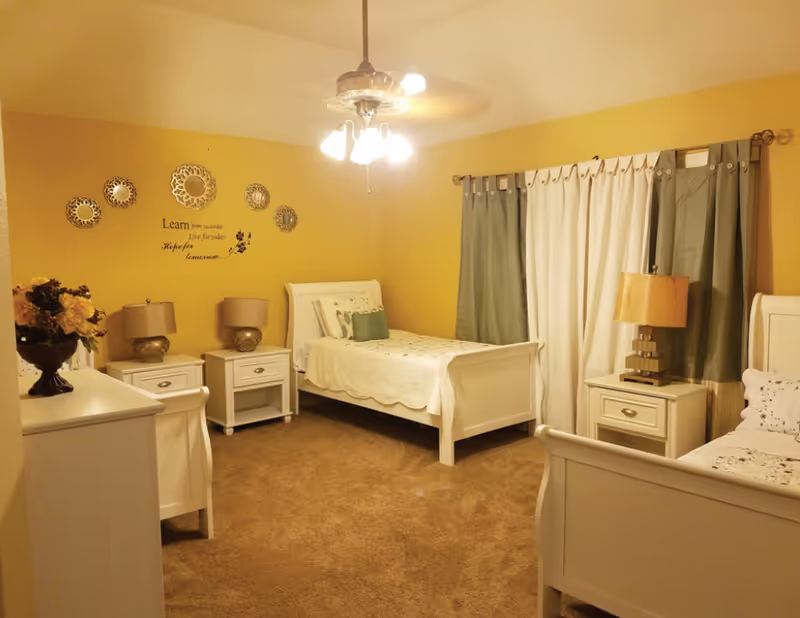
Brookdale Shadowlake presents a mixed but coherent profile: many families and long-term residents describe a small, home‑style campus with well-maintained grounds, recent cosmetic updates, and private, spacious apartments that include basic kitchenettes and accessible bathrooms. The setting is repeatedly described as intimate and cottage-like, which contributes to a family atmosphere for residents who require standard assisted‑living or memory-support services. Common areas, landscaping, and recent refurbishments are frequently highlighted as strengths.
Staff performance is a principal driver of resident satisfaction. Numerous accounts praise friendly, attentive, and personable caregivers, an engaged activities staff, and responsive maintenance and housekeeping when functioning well. There are also consistent concerns about staffing stability: reviewers describe high turnover, variable competence among aides, and periods when staffing levels—especially overnight—are inadequate for resident needs. These operational gaps have been associated with delayed response times, ineffective use of the emergency pendant system, and instances where clinical oversight and medication-administration practices were perceived as insufficient. For prospective residents with higher-acuity medical or complex mobility needs, the facility’s clinical capacity may be limited.
Dining and activities are both areas of visible contrast. The community supports a broad activities calendar (bingo, crafts, exercise, outings, birthday events) and many families praise particular activity staff for personalization and engagement. However, execution can be inconsistent: activities and outings may be curtailed by staffing, weather, or pandemic restrictions, and some families found planned events were not always delivered as listed. Dining is similarly mixed; several reviewers describe nutritious, dietitian-planned menus and good meals, while others experienced monotonous menus, uneven preparation, or institutional-style presentation and limited rotation.
Facilities and services are generally characterized as clean and well-kept, with accessible design elements and on-site memory-care in a separate unit. Housekeeping and room upkeep receive positive comments often, yet some reviews note lapses such as missed cleanings or variable laundry follow-through. Transportation services and proximity to medical resources are cited as conveniences. Security and administrative consistency are areas of concern for some families: there are isolated allegations of theft and examples of inconsistent communication about care plans, pricing, and billing. Management responsiveness appears variable—several reviewers describe proactive, accessible leadership and improvements under new directors, while others cite frustrating communication lapses and unexpected price changes.
Overall, Brookdale Shadowlake appears to suit residents who prioritize a small, community feel, engaged activities, and a well-kept campus with private apartments. Families of residents with progressive or high-acuity medical needs should assess clinical staffing patterns, night coverage, medication-management processes, and emergency-call reliability during a tour. Asking specific questions about recent staff turnover, night-shift staffing ratios, pendant-system testing, and how the facility handles higher-acuity transitions will help determine fit. The community shows clear strengths in environment and social programming, alongside recurring operational themes—staffing consistency, clinical oversight, and management communication—that merit careful evaluation before placement.