Overall impression: Reviewers present a mixed but detailed picture. Many families and residents praise the frontline care team, rehabilitation services, activities program, and the facility’s appearance and grounds. At the same time, a set of operational weaknesses—most notably around communication, staffing continuity, medication handling, and administrative practices—recurs across accounts and should be considered by prospective residents and their families.
Care quality and staff: The most consistent positive theme is the dedication of day-to-day caregivers, CNAs, nurses, and therapy staff. Reviewers frequently described compassionate, attentive interactions, effective rehab programs, and nurses or nurse practitioners who were helpful and engaged. These strengths appear to provide meaningful social and functional benefits: residents who participate tend to enjoy activities and socialization, and many reported good therapy outcomes. Counterbalancing this, multiple accounts describe high turnover and thin coverage that can lead to delayed responses during busy periods, handoff-related lapses, and uneven follow-through. Families also described variability in clinical judgment and nurse/manager responsiveness; several noted that while some clinicians were excellent, others were less consistent.
Clinical-safety and medication management: Reviewers raised concerns about medication-management processes and clinical follow-up. Examples described gaps in medication ordering, misplacement or delayed medication deliveries, and insufficient coordination with pharmacies. There were also accounts of delayed clinical testing, slow follow-up on abnormal findings, and transfers to higher-acuity settings. One reviewer referenced a substantiated complaint; others described falls and subsequent hospital care. Together these comments indicate potential weaknesses in medication reconciliation, incident response, and clinical escalation pathways that prospective families should evaluate closely.
Dining and activities: The dining program is generally seen as a strength: nutritious, varied meals and options for social dining were commonly noted, and many residents enjoy the food and communal meals. A smaller number of families mentioned inconsistent meal presentation or offsite/steam-table service that they found less satisfactory. The activities calendar and social programming are often praised for providing opportunities for socialization and engagement, and reviewers cited improvements in mood for residents who participate regularly.
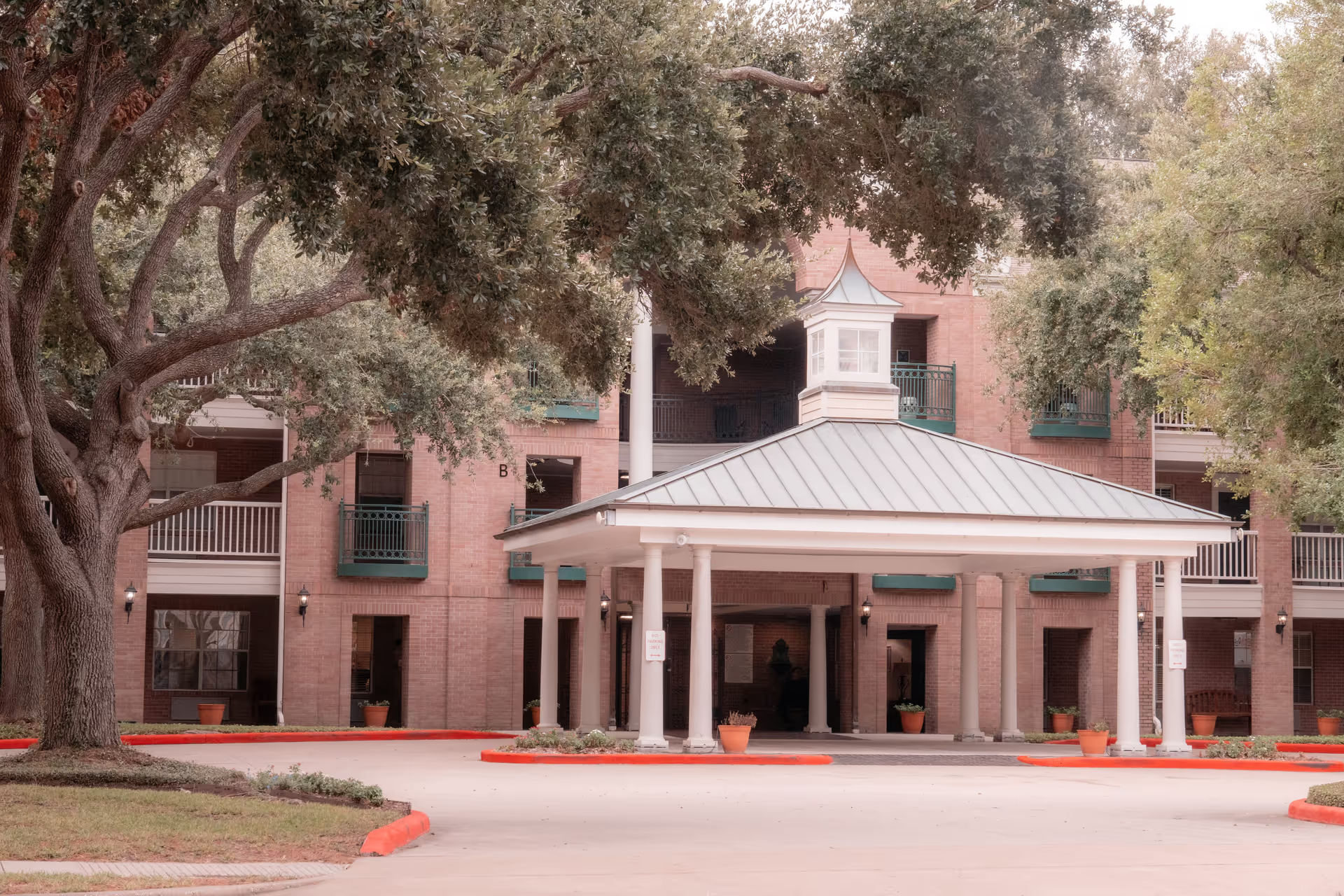
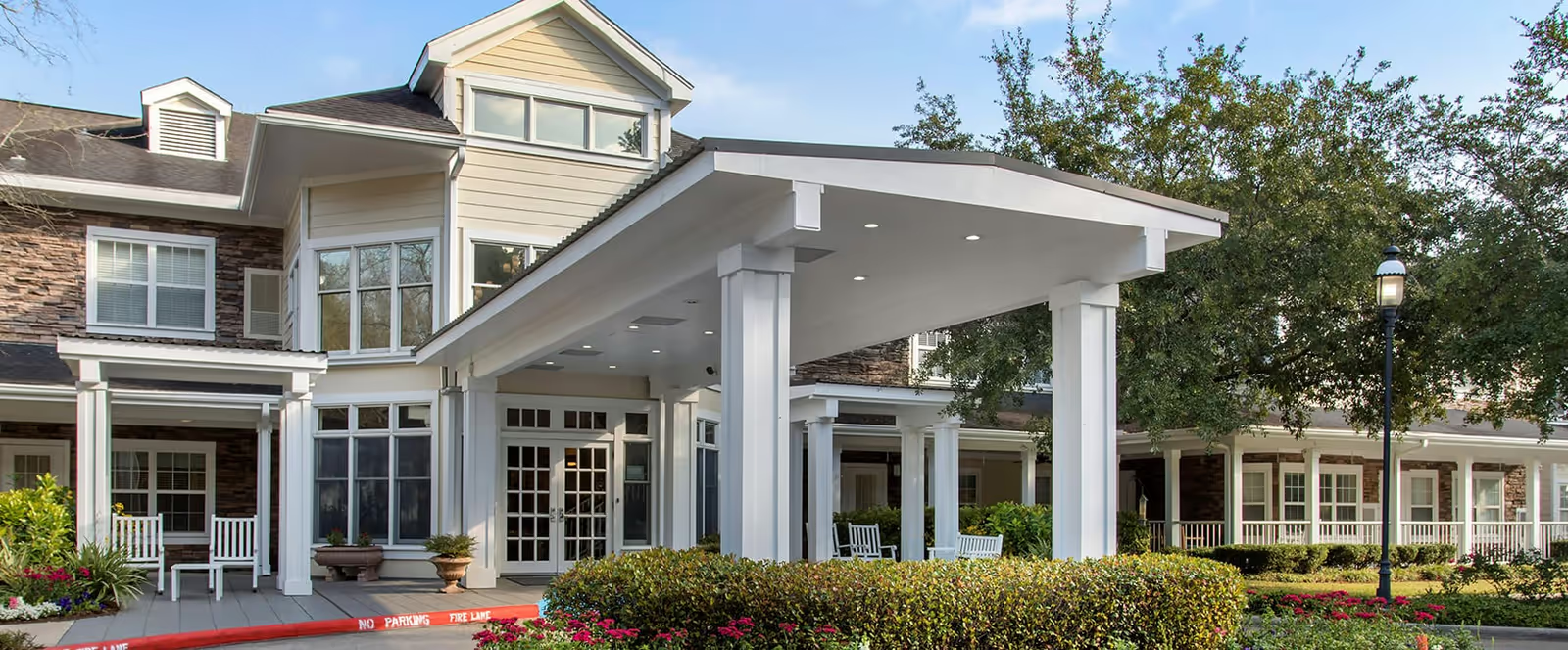
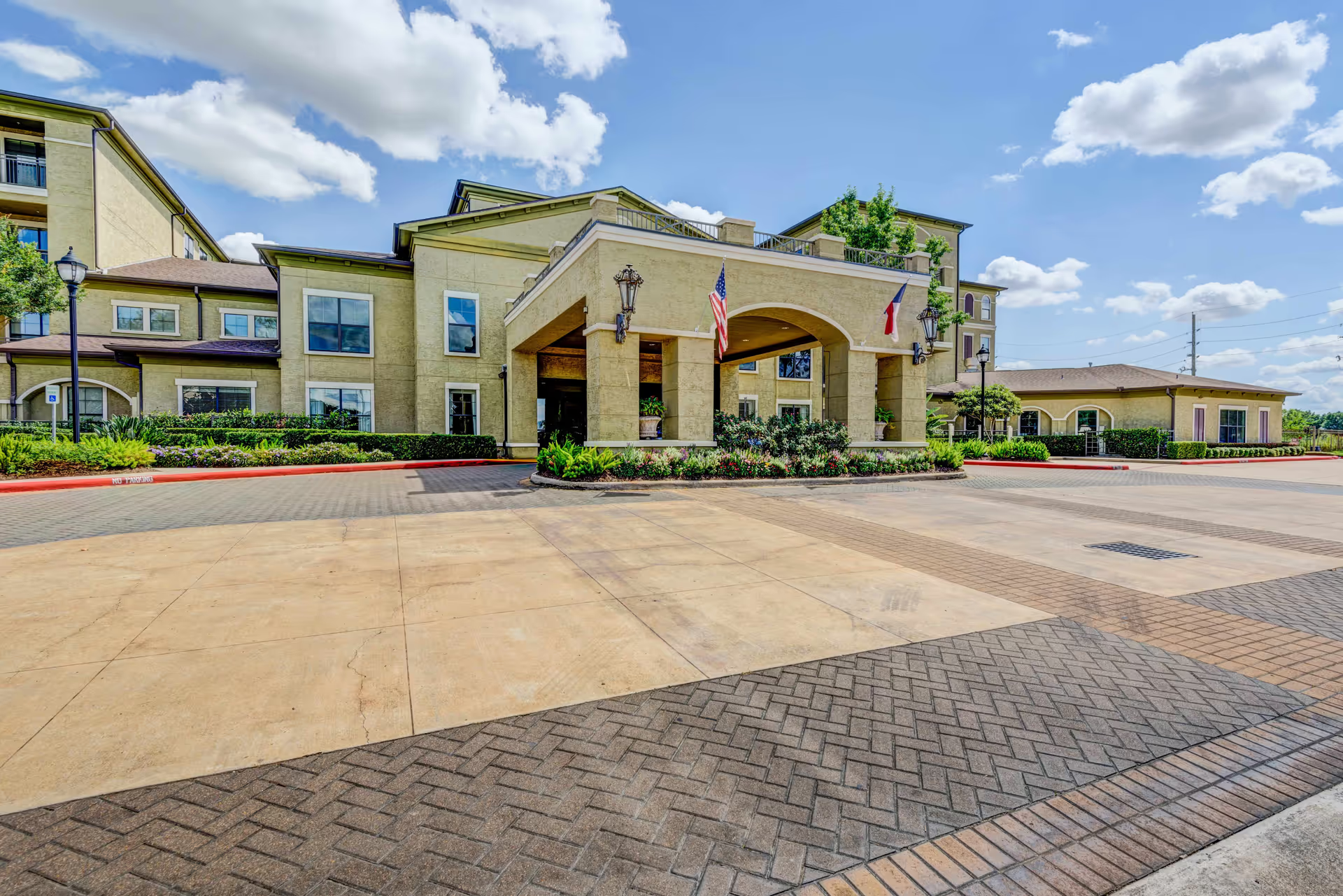
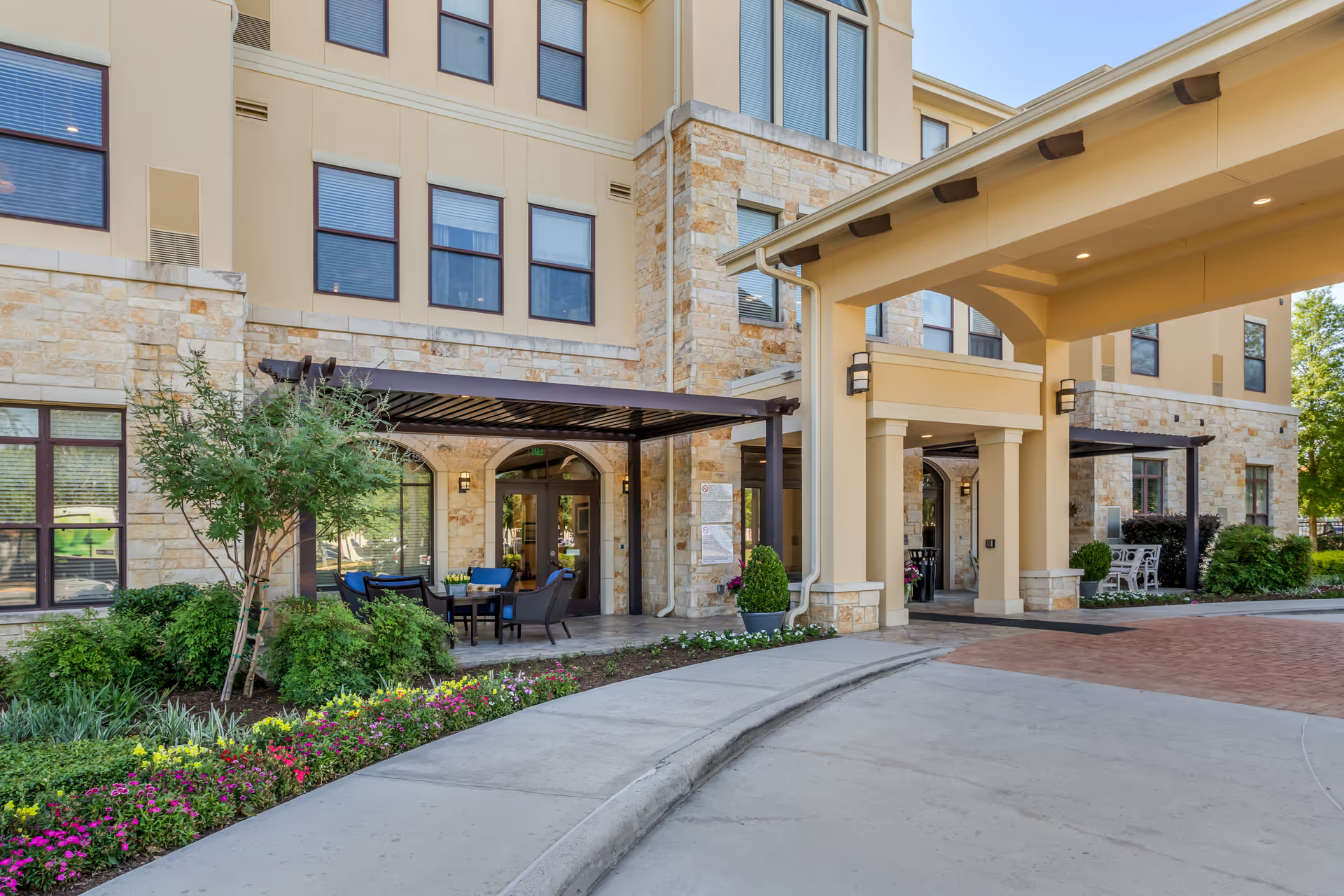
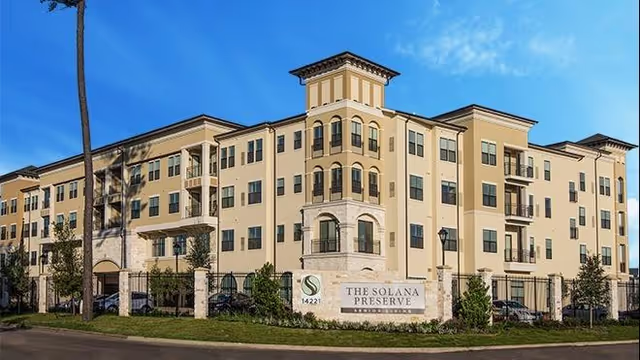
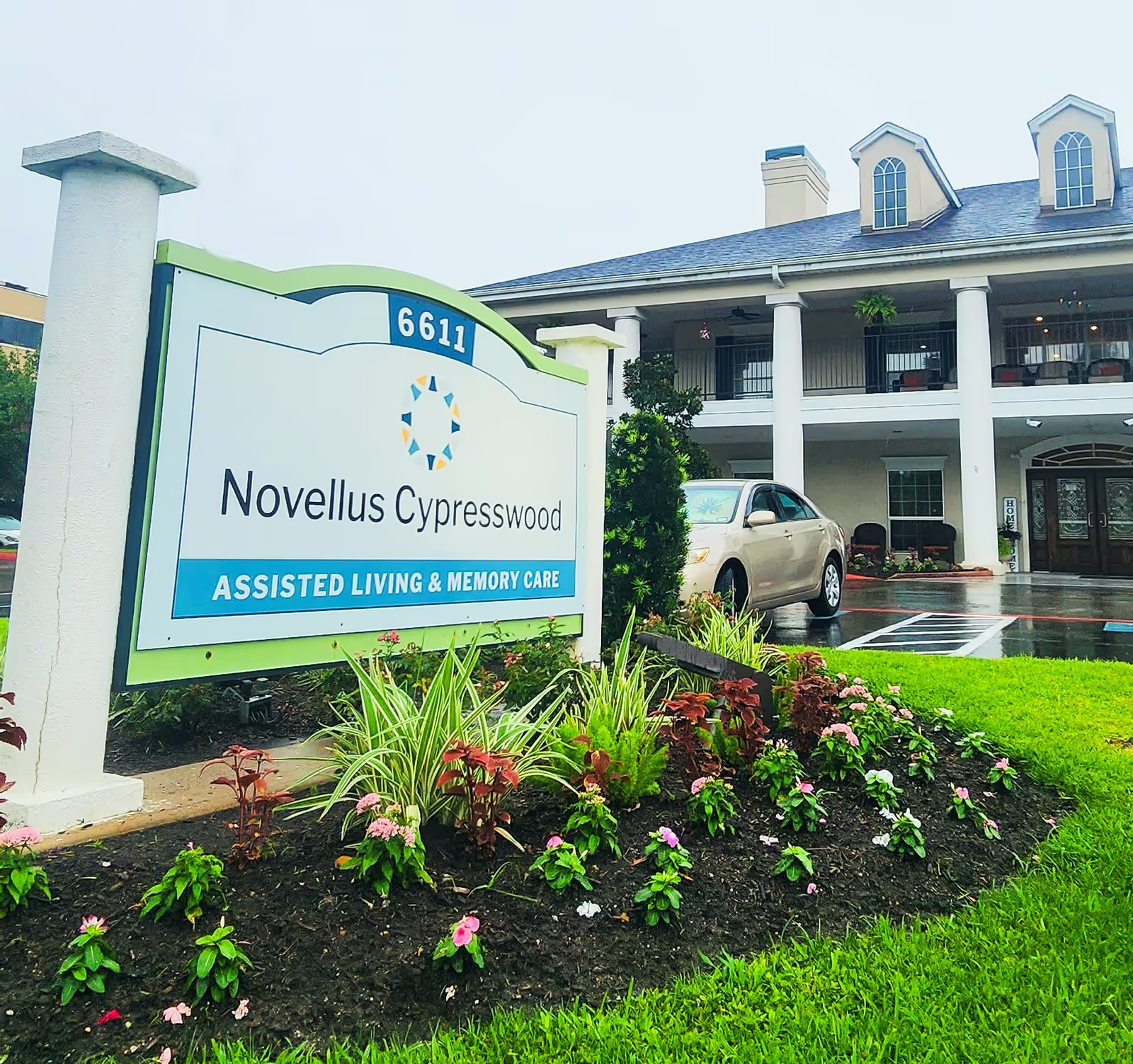
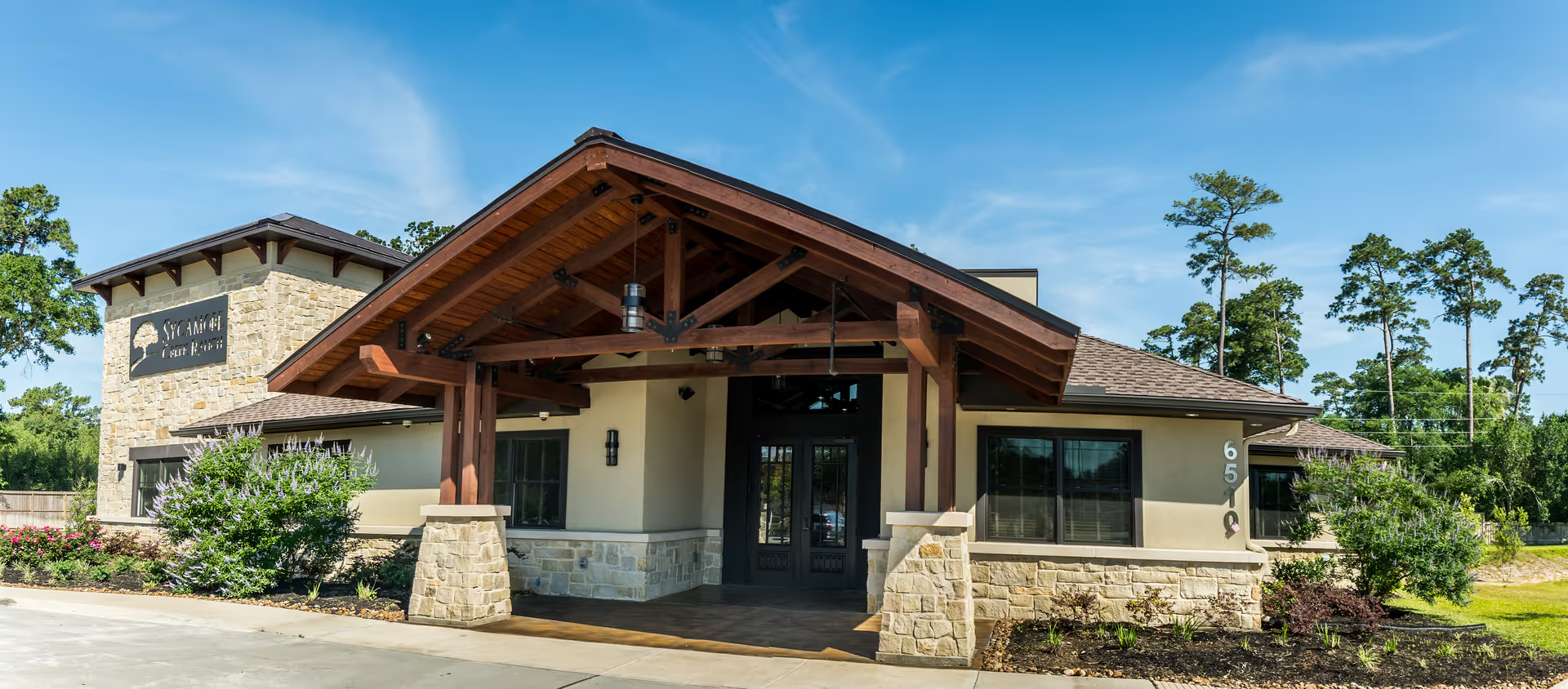
Facilities and amenities: The building, rooms, and grounds receive positive remarks for cleanliness, remodeling, and secure outdoor spaces including a courtyard and garden. Private rooms and an open, screened courtyard were highlighted as beneficial for safety and quality of life. Location near shopping and restaurants is another convenience frequently mentioned.
Management, administration, and billing: Administrative and management-level concerns appear repeatedly. Families described weak communication around care conferences, discharge planning, restorative-care decisions, and diagnostic results. Several reviewers expressed frustration with billing practices (charges for supplies, price increases) and said that those issues affected trust. Comments about leadership instability and management turnover — including concerns about a small leadership team covering multiple responsibilities — suggest variability in operational oversight.
Patterns and who this fits best: The facility may be a good fit for people who value day-to-day interpersonal care, active social programming, and strong rehabilitation services in a clean, accessible location. Families who prioritize reliable, consistent clinical follow-up, transparent billing, and tightly controlled medication processes should probe those areas during a tour and before moving a loved one in. Specific questions to ask include staffing ratios and turnover, medication reconciliation procedures, incident-reporting and follow-up protocols, billing itemization for supplies, and how the facility coordinates with outside providers and hospitals.
Bottom line: Champions Healthcare at Willowbrook shows clear strengths in personal caregiving, therapy, activities, and facility upkeep, but also exhibits operational gaps in communication, staffing stability, medication management, and administrative transparency. Prospective residents should weigh the observed frontline strengths against these systemic concerns and request detailed, written policies and recent outcome information to inform their decision.