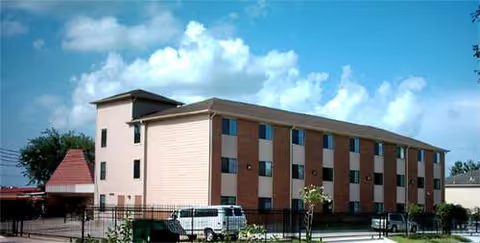
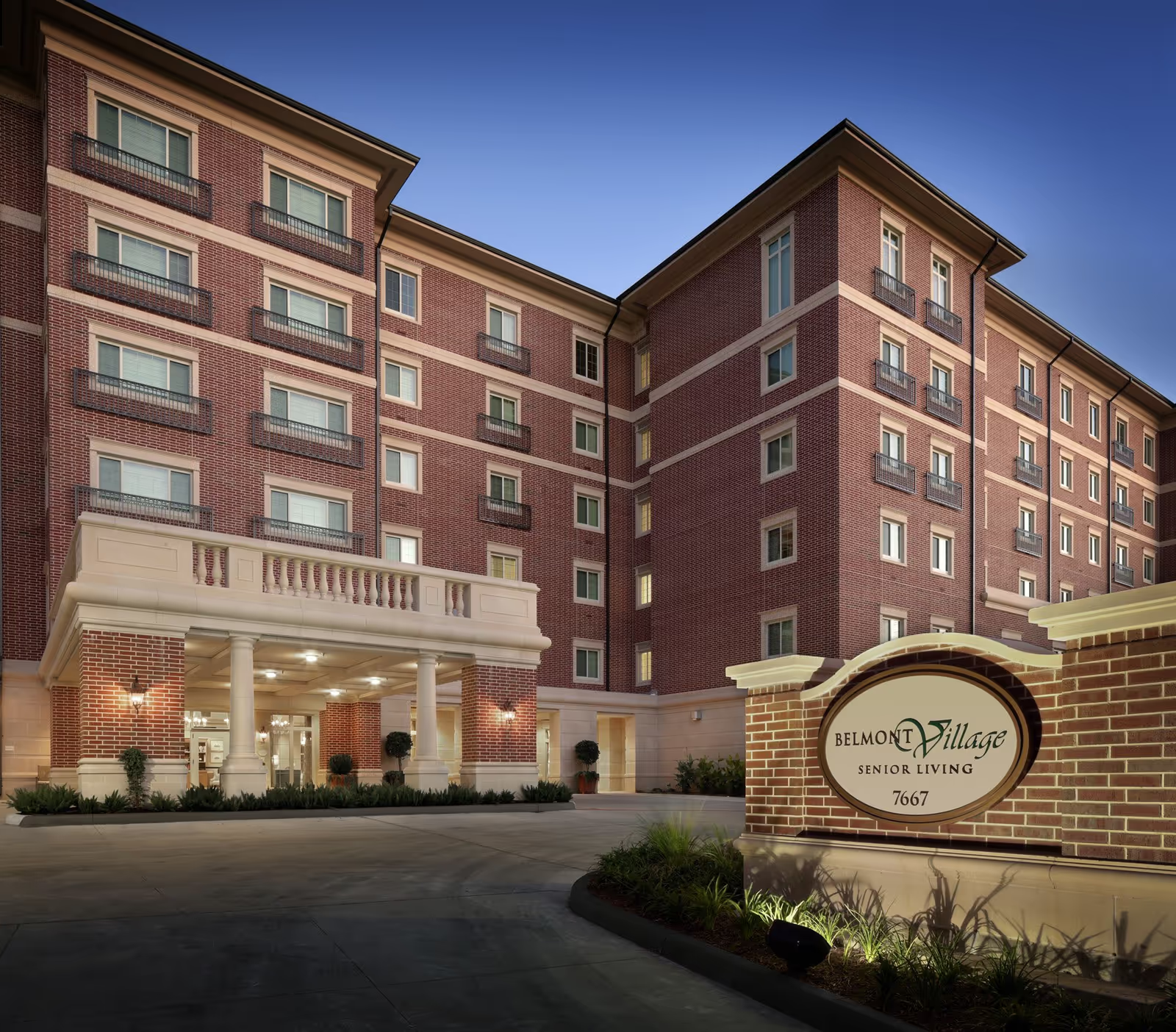
The reviews present a mixed picture of Park Manor of Westchase. Many families and patients praise committed clinical and therapy teams, strong rehabilitation outcomes, and engaged leadership; concurrently, a subset of reviewers describe operational weaknesses that affect day-to-day resident experience. This divergence suggests variability across shifts, units, or time periods rather than uniformly positive or negative service delivery.
Care quality and clinical services are a relative strength in many accounts. Multiple reviews single out compassionate nurses, attentive CNAs, diligent wound-care clinicians, and a robust therapy program that supports mobility and discharge goals. Social-work and case-management staff are frequently described as helpful, and admissions/discharge assistance receives positive mention where coordination is timely. At the same time, a number of reviewers describe inconsistent responsiveness to resident needs (including delays in assistance and bathing), and several report medication-administration delays or errors. These items point to uneven application of clinical and safety processes despite pockets of strong clinical expertise.
Dining and activities also show contrast. Positive comments describe home-style, nutritious meals and active community programming, holiday celebrations, and personalized attention to clothing and resident preferences. Conversely, reviewers cite variability in food quality, sparse portions at times, and difficulty accommodating certain therapeutic diets (for example, renal or vegetarian modifications). Activity and social programming are generally regarded as strengths when staff availability and engagement are consistent.
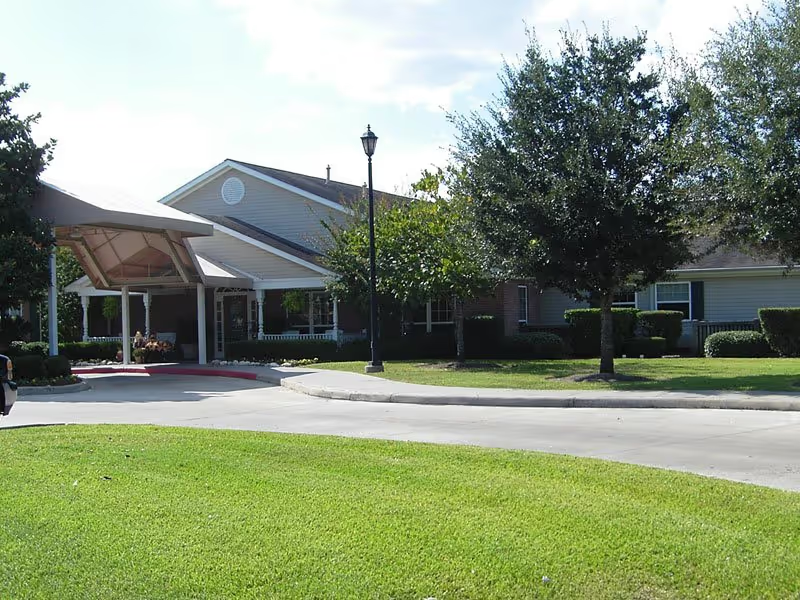
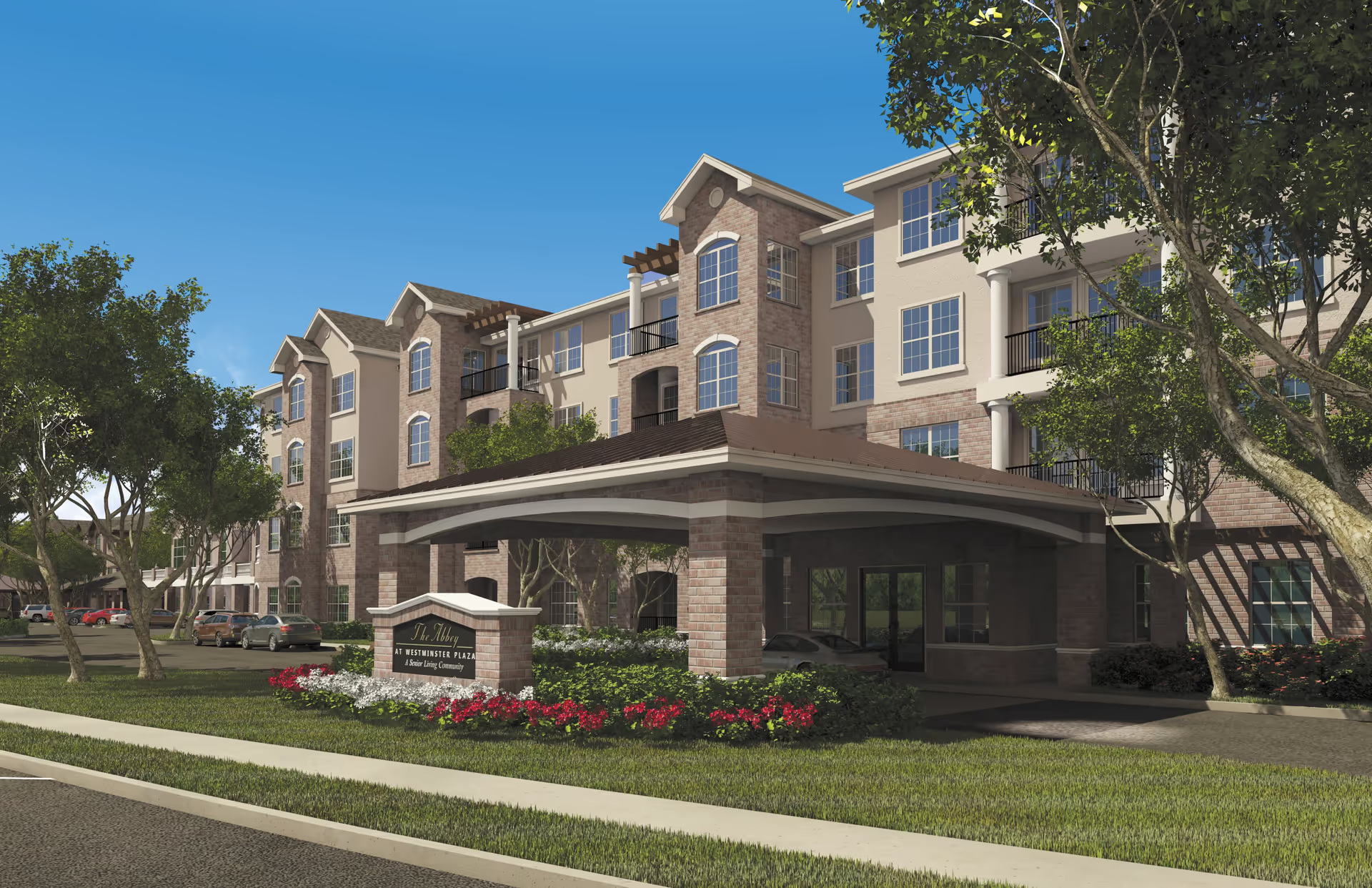
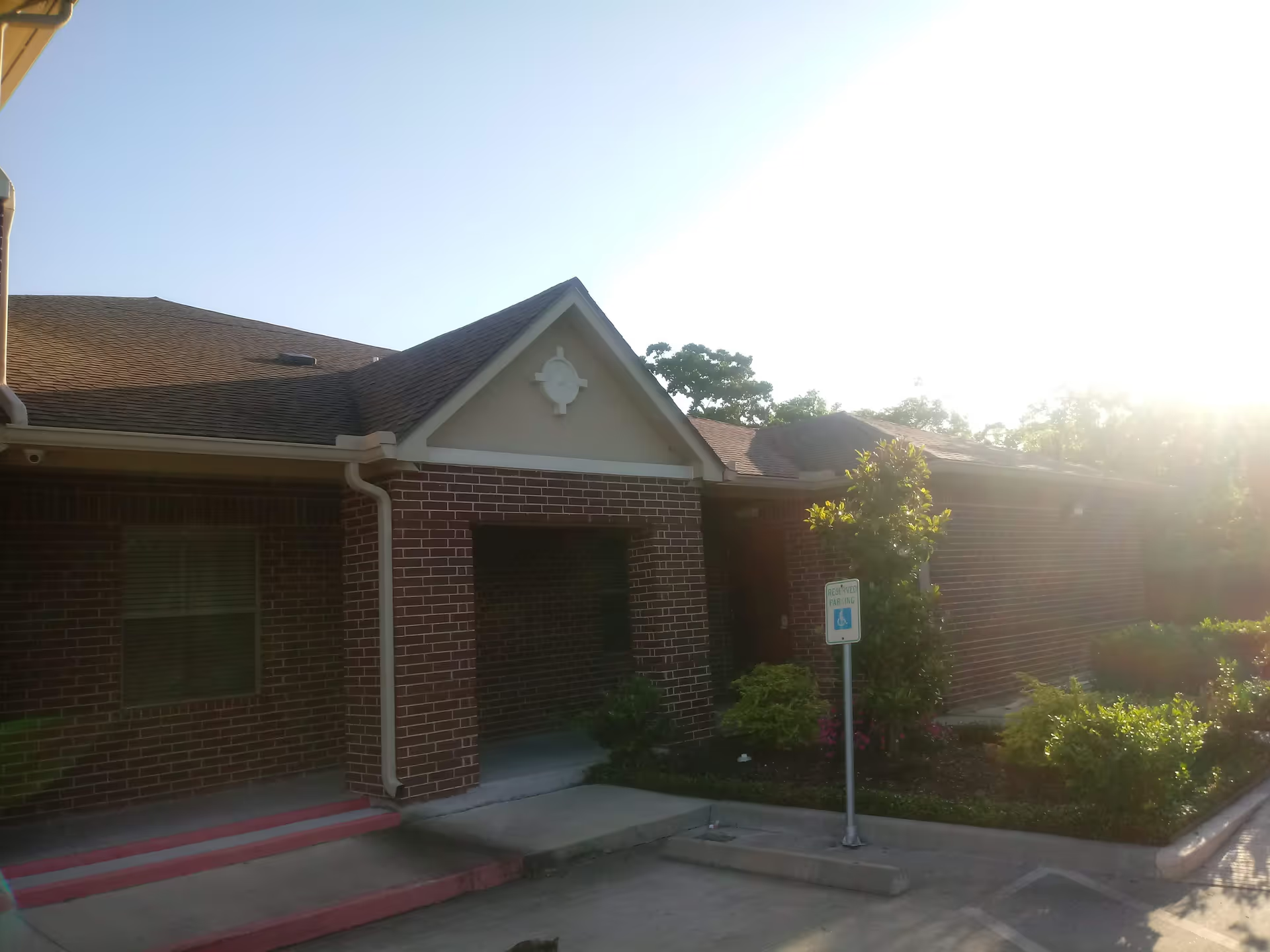
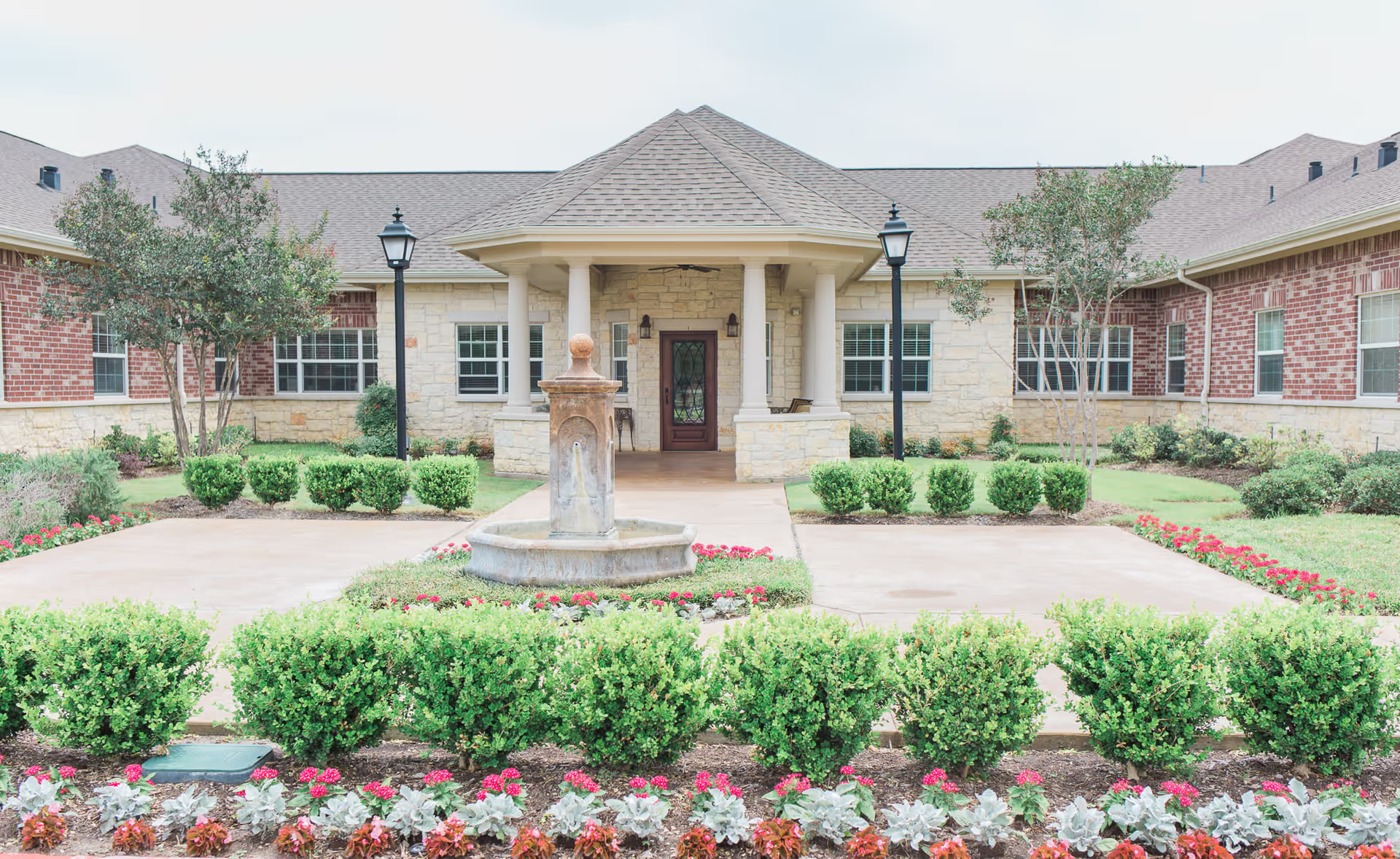
Facility condition and sanitation are a recurring area of concern for some families. Many reviewers report clean, well-maintained public areas and prompt maintenance responses, while others identify sanitation and housekeeping inconsistencies at the unit level, pest-control concerns, and cosmetic or exterior disrepair. Nighttime noise and roommate disturbances are also noted as factors that can affect overnight care and monitoring.
Management and communication receive mixed feedback. Several reviewers commend hands-on leadership, visible administrators, and particular staff members who provide consistent support. At the same time, others describe poor communication, slow return of family calls, and uneven discharge coordination. A small number of reviews include serious claims regarding access to resident funds and POA disputes; these are matters families should evaluate directly with administration and legal counsel if relevant.
Taken together, the pattern in reviews suggests the facility has substantive clinical and rehabilitative strengths but also operational inconsistencies — particularly around staffing levels, responsiveness, medication management, housekeeping, and therapeutic-diet reliability. Prospective residents and families would be best served by an in-person tour that includes peak and off-peak hours, direct questions about staffing ratios and medication-safety protocols, discussion of pest-control and housekeeping procedures, sample menus for therapeutic diets, and contact with social-work or case-management staff to review discharge and financial policies.