Tarrytowne Estates is consistently described as a warm, resident-centered independent-living community with a strong emphasis on hospitality. Reviewers repeatedly highlight the caregiving culture: staff are characterized as attentive, affectionate, and family‑oriented, and on-site management receives frequent praise for being hands-on. Many families point to ease of move-in, steady staff relationships, and proactive maintenance as drivers of resident satisfaction.
Clinical and care-related services at the community are oriented toward independent-living residents, supplemented by useful on-campus clinical supports. Several reviews note regular physician visits, on-site physical and occupational therapy, podiatry, hospice support, and a top-tier outpatient therapy program. That said, the community operates primarily as independent living; prospective residents who need ongoing assisted-living services should plan for transitions or external clinical support because comprehensive assisted-care capacity is limited.
Dining is a major selling point for Tarrytowne: an executive chef, varied menus, and three chef-prepared meals daily with room-delivery options earn frequent praise. Many reviewers mention plentiful, well-presented meals and an active dining room atmosphere. There are also recurring comments about inconsistent food quality over time and occasional service delays during peak meal periods; dining capacity and menu variety can be constrained at times, which may affect mealtime experience for some residents.
Activities and social life are robust. The community offers a broad calendar of programs, themed events, monthly outings, exercise classes, games, and social opportunities that support engagement and social connectedness. The campus scale supports a close-knit atmosphere where residents report making friends and feeling secure and included.
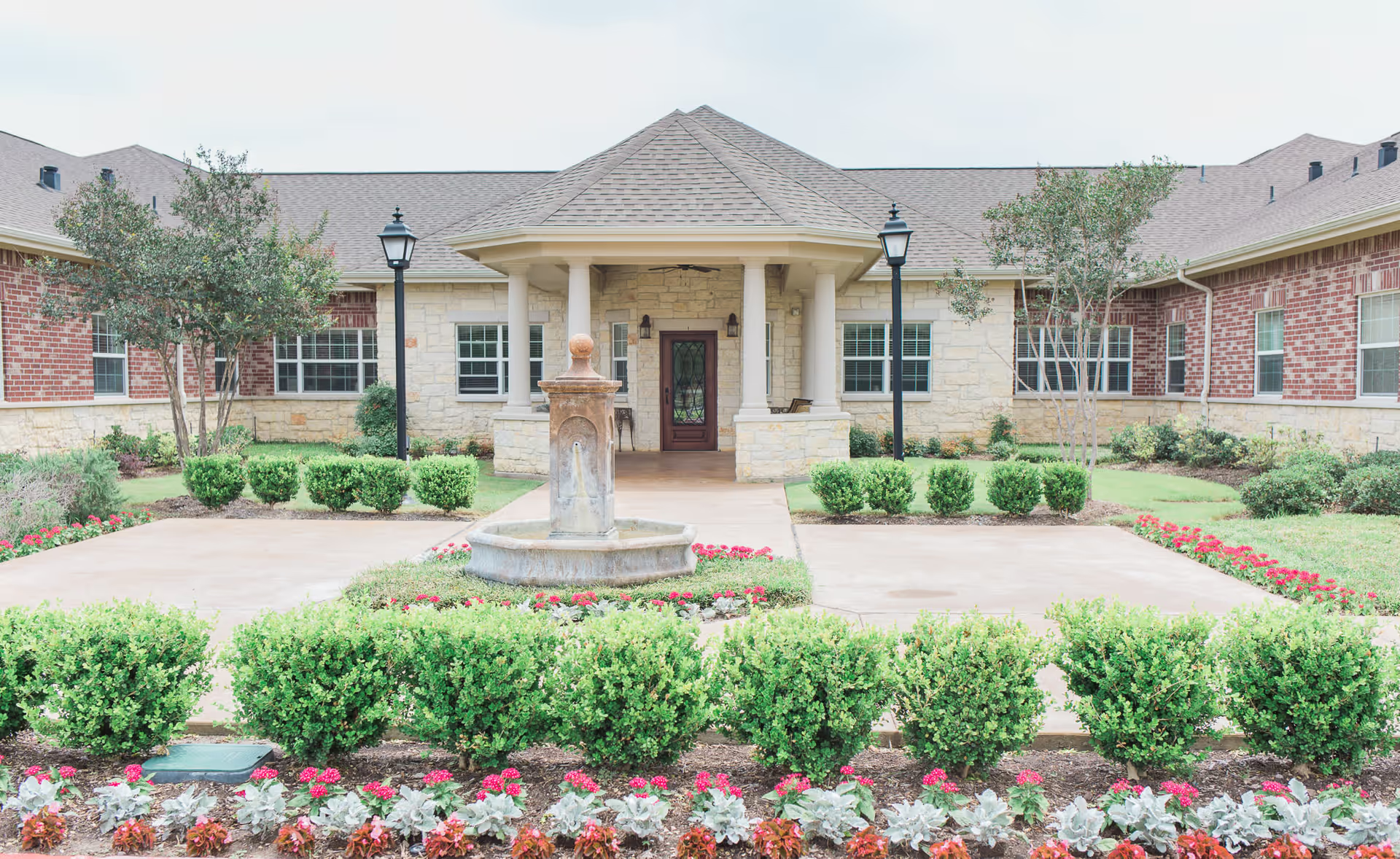
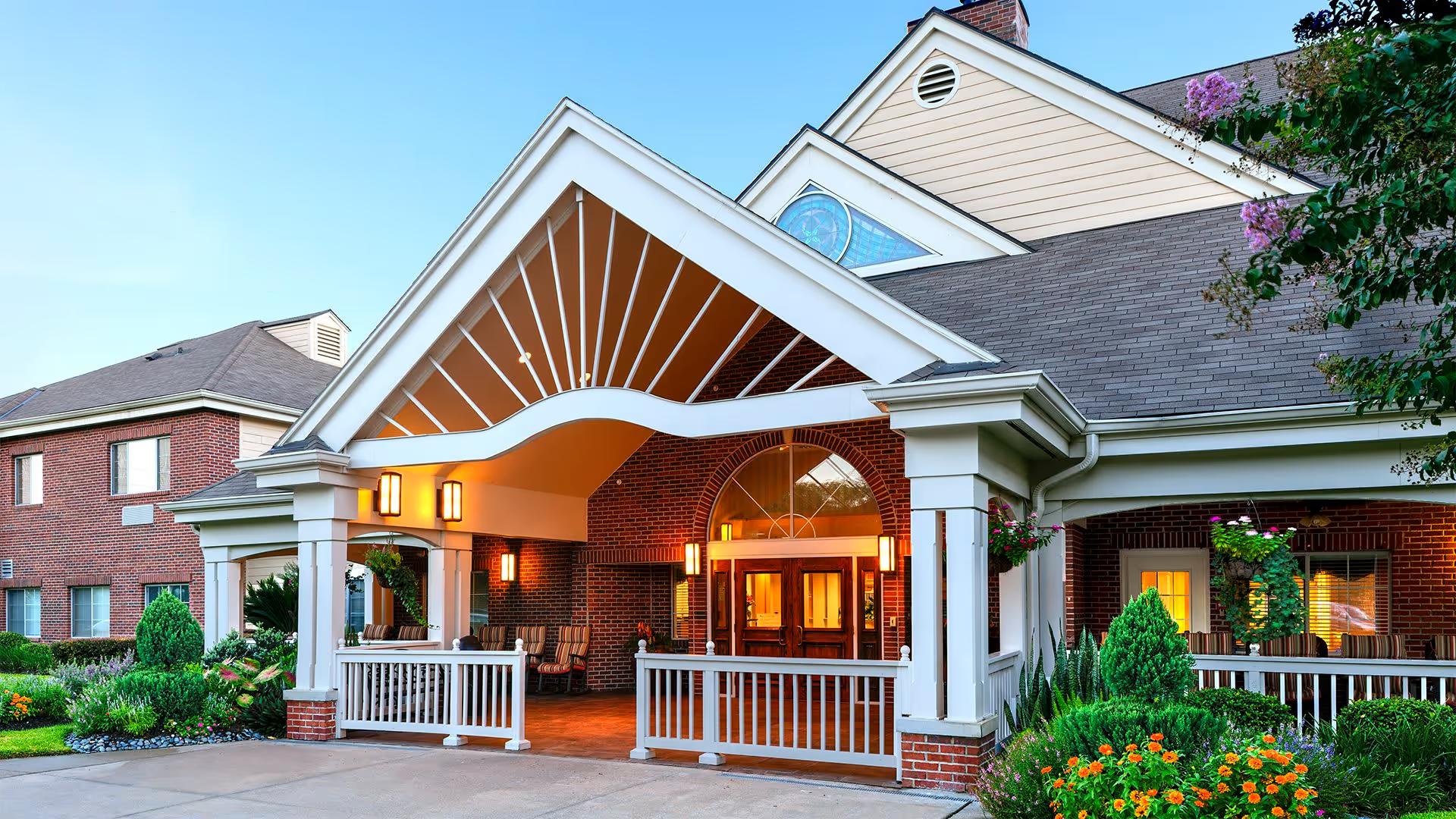
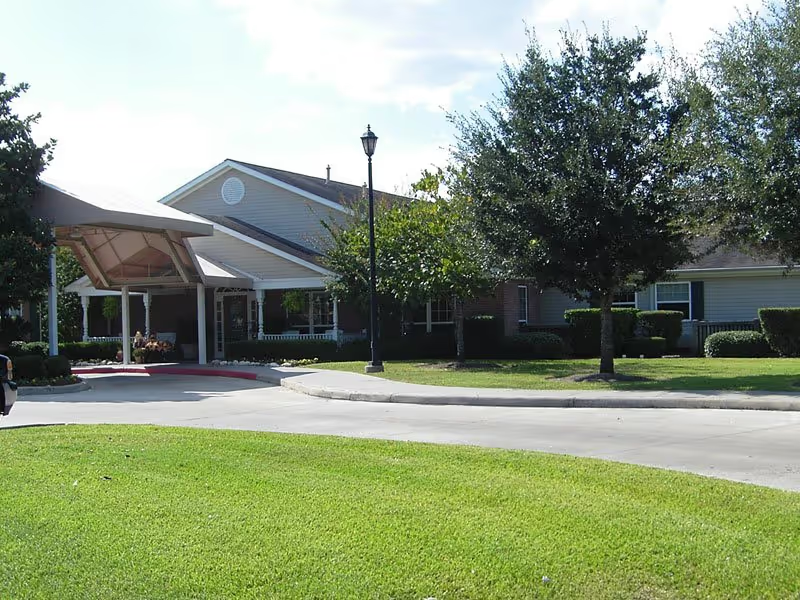
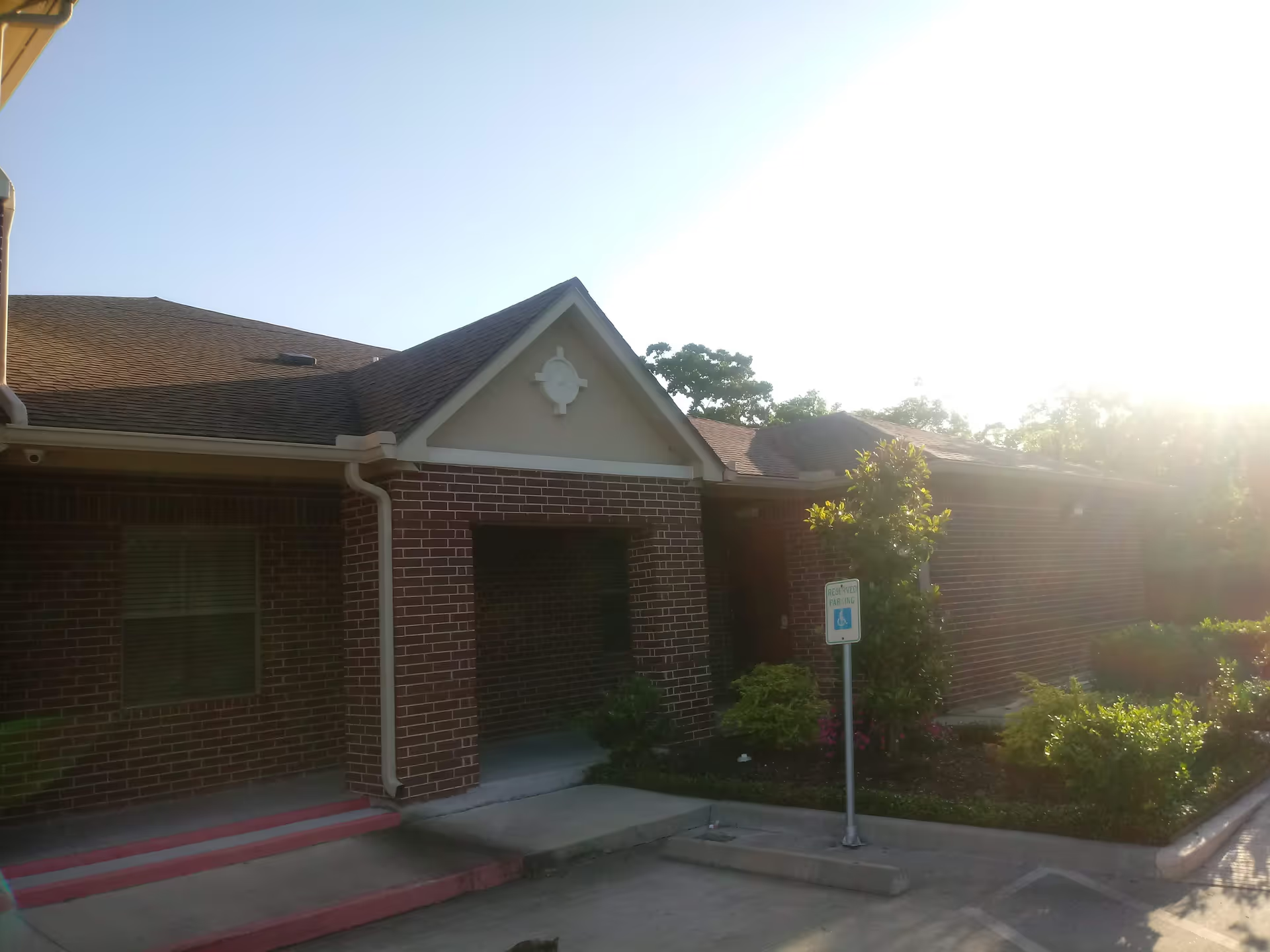
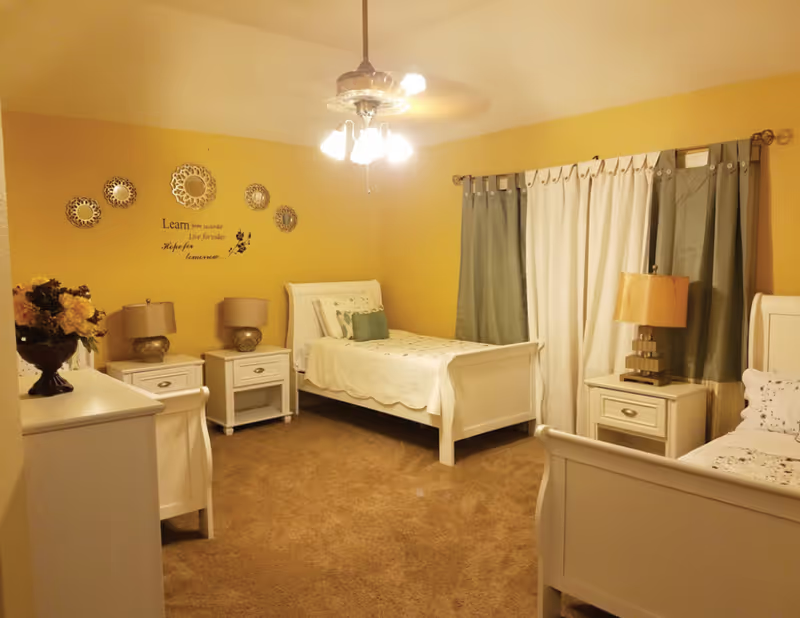
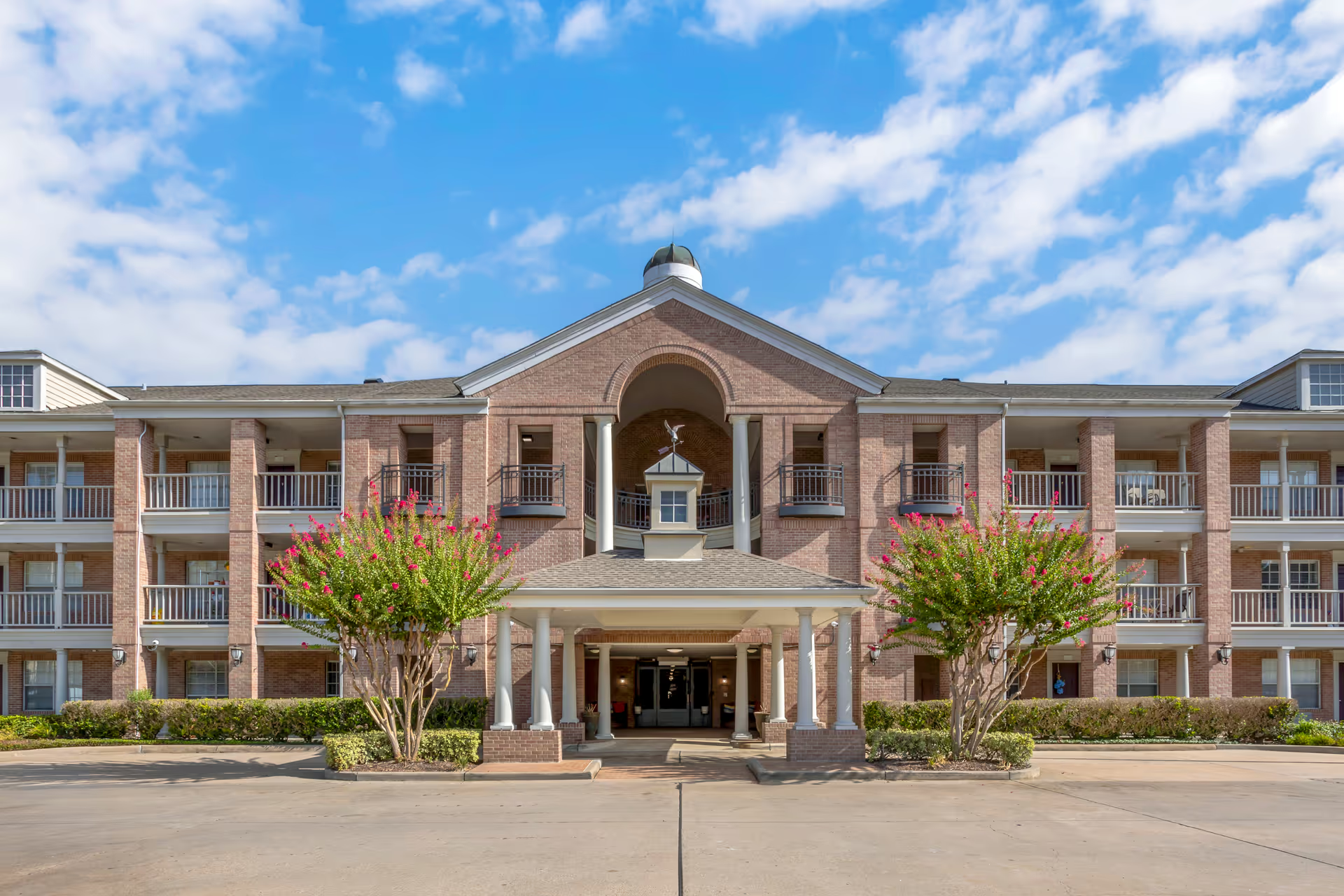
Facility features are a mix of strengths and trade-offs. Grounds, outdoor amenities (pond, koi, pool), and many large one- and two-bedroom units are recurring positives; several floorplans include significant storage and in-apartment laundry in select units. At the same time, the campus is older and spread out, with covered but exterior walkways between buildings; this layout and dated elements drive an ongoing renovation program and raise practical concerns about weather exposure and mobility for some residents. Studio efficiencies are noted as particularly small and limited in kitchen capacity, and many units lack dishwashers.
Operationally, the community demonstrates strong responsiveness in housekeeping and maintenance and has emergency systems (backup generator) that residents value. However, reviewers also surface notable facility-level concerns: pest-control issues have been raised, and there are serious allegations regarding theft and medication handling that suggest gaps in security and resident-property protection. Transportation services are helpful for many but are not consistently accessible for wheelchair users without accompaniment. A few comments also point to corporate-level limits on local management’s authority, which can affect how quickly certain issues are resolved.
In sum, Tarrytowne Estates is often recommended for prospective independent-living residents seeking a social, well-cared-for environment with strong dining, an engaging activity program, and attentive staff. Prospective families should confirm the level of clinical support required, assess unit size and appliance needs (particularly for studios), inquire about accessibility of shuttle services, and ask administrators about current pest-control measures and security protocols in light of past allegations. The community’s strengths in staff culture and dining are offset by operational considerations tied to campus age, service consistency, and accessibility for higher‑needs residents.