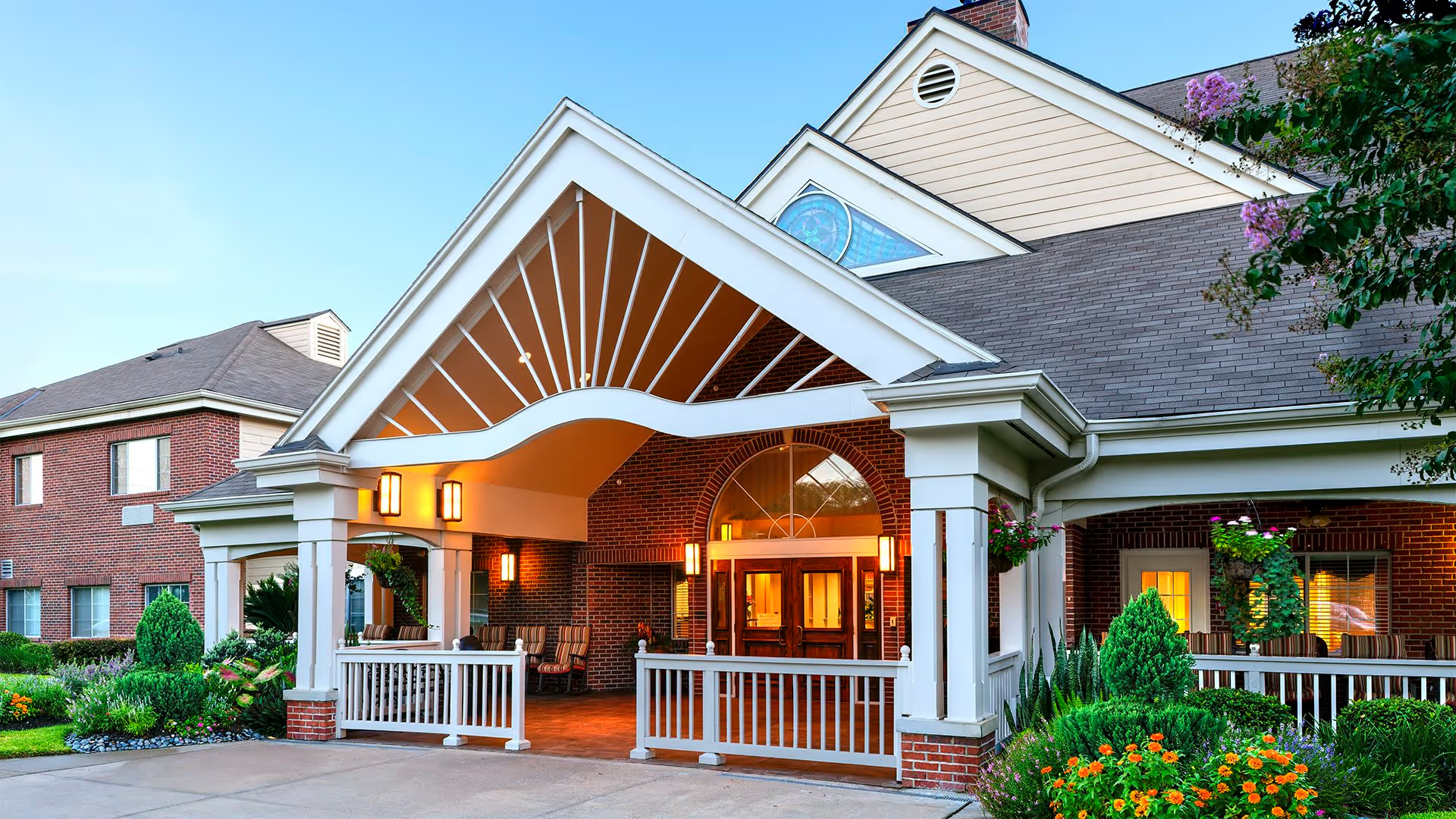
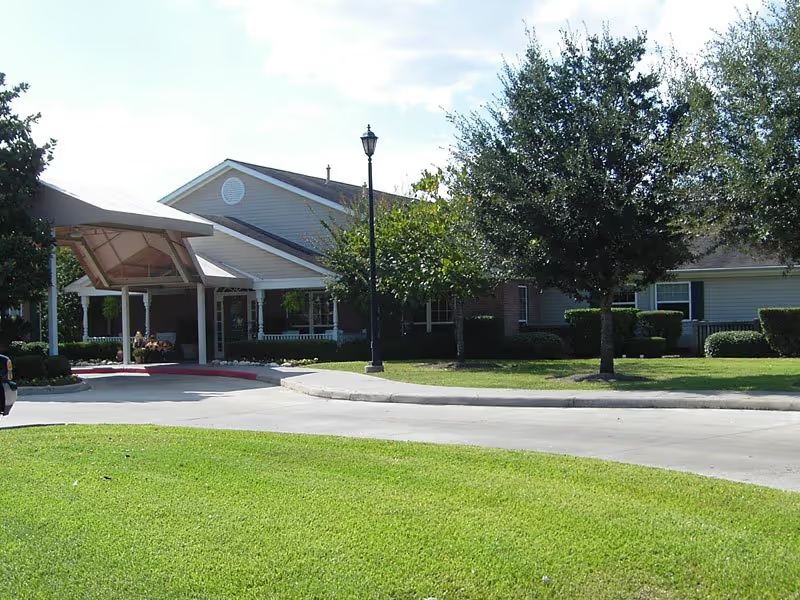
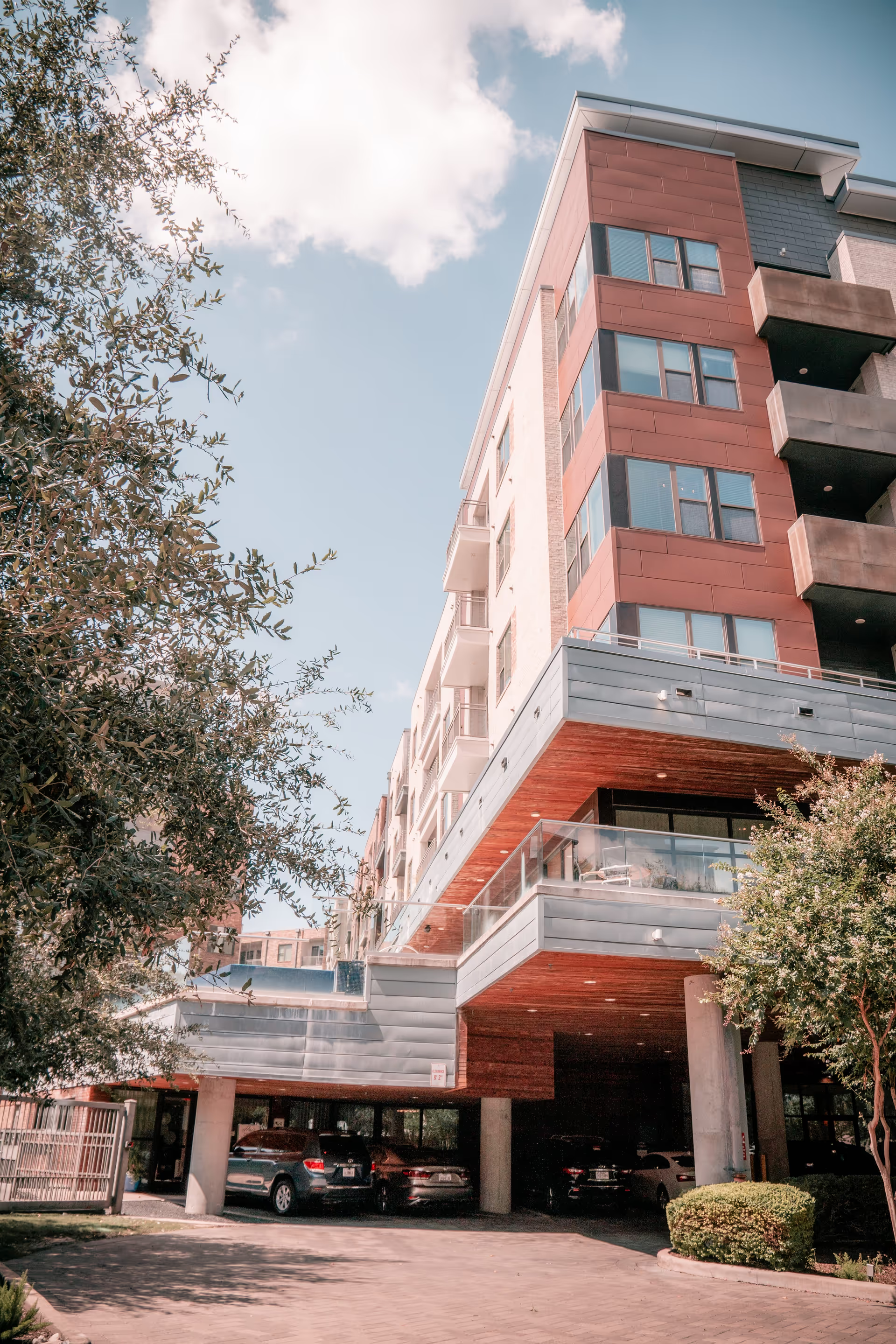
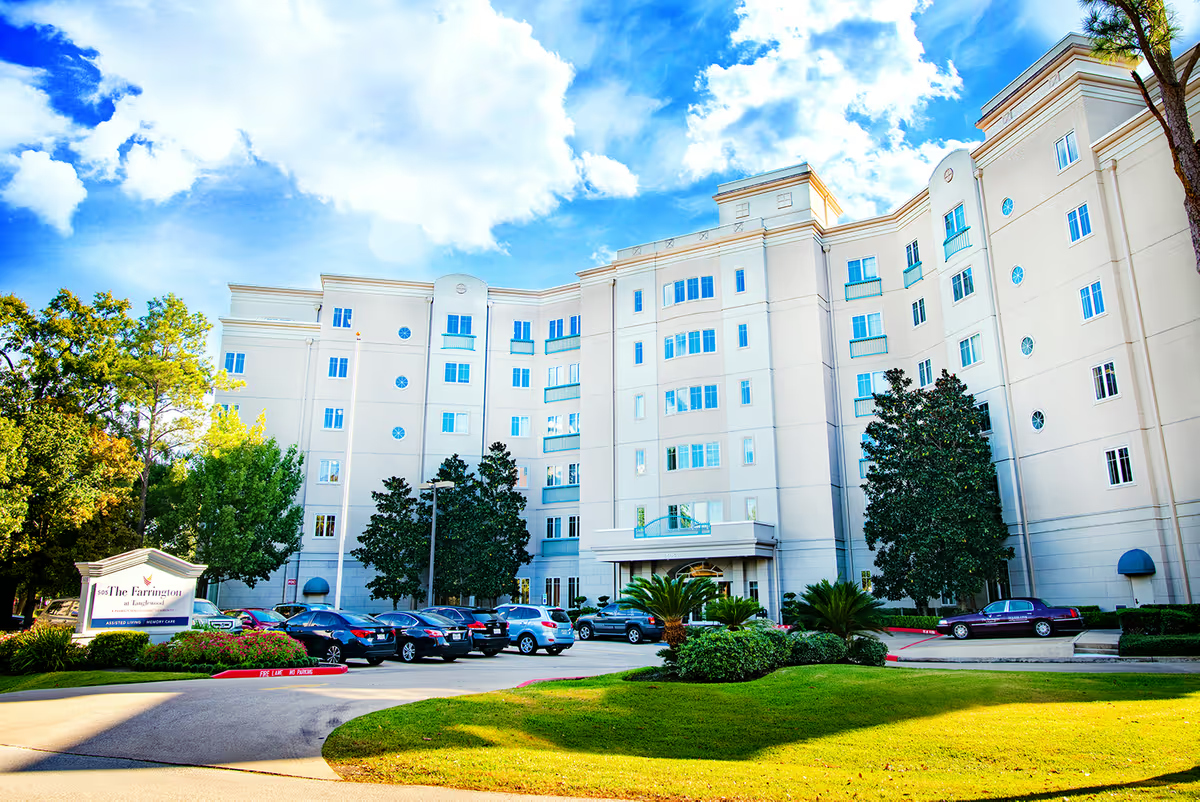
Treemont Senior Living elicits sharply mixed impressions. Many reviewers praise the frontline staff, therapy teams, activities, and sense of community; others describe operational shortcomings that have emerged or worsened over time. Useful strengths include attentive direct-care workers, effective inpatient and outpatient therapy that produced measurable rehabilitation outcomes for some residents, a robust calendar of activities (musical performances, exercise classes, clubs, and religious services), and convenient location and transportation options. Several families emphasized compassionate bedside care and helpful move-in assistance, and multiple accounts highlight clean, comfortable private rooms and on-site amenities such as a library, exercise area, and game spaces.
Care quality and staff: The facility receives repeated commendation for individual caregivers, nurses, and therapists who demonstrate empathy, familiarity with residents, and clinical skill. These positive accounts describe improved mobility, mood, and engagement attributable to therapy and attentive CNAs. At the same time, there are consistent concerns about uneven clinical execution and responsiveness: examples include delayed medication attention, inconsistencies in wound-care follow-up, and variability in how quickly staff respond during off-hours. These point to irregular staffing patterns and gaps in clinical oversight rather than uniformly poor care.
Dining and food service: Dining experiences range from high praise for the on-site chef and well-prepared meals to explicit dissatisfaction with recent changes in meal delivery and quality. A notable pattern is a reported operational shift toward prepackaged or takeout-style service in some areas, resulting in cold or less appealing meals for some residents. Conversely, other reviewers continue to report good food and accommodating meal options. Overall, meal-service continuity and quality appear inconsistent and may reflect recent management decisions or resource constraints.
Activities and community life: Programming is a clear strength. The community offers varied social and recreational options, including music, exercise classes, outings, and regular clubs that many residents find engaging. Several reviewers describe an active, friendly resident population and staff who know residents by name, which supports social well-being for those who participate.
Facilities and maintenance: The physical plant shows signs of aging in places. Reviews describe recurring maintenance needs such as HVAC failures in common areas, leaks and ceiling issues, and plumbing challenges. There are also multiple mentions of pest-control concerns and uneven housekeeping or sanitation standards in certain areas. While some families report prompt maintenance responses, others experienced delayed follow-up and unresolved requests. These inconsistencies suggest building-condition variability across different wings or units.
Management, safety, and administration: A frequent theme is friction following ownership and management changes. Reviewers cite reduced services without commensurate rent adjustments, unclear communication about policy changes, billing disputes, and perceived declines in oversight. Safety-related concerns include gaps in front-desk coverage, limited after-hours staffing, and at least one serious allegation involving a violent incident; these accounts highlight the need to evaluate incident-response processes and security practices. Financial-administration issues (extra charges, early-termination fees, and dispute handling) were also raised and reflect procedural weaknesses in resident-family communications.
Overall impression and guidance: Treemont demonstrates capacity to provide compassionate, effective care and a socially active environment for many residents, supported by strong therapy programs and dedicated staff members. However, reviews also reveal operational and infrastructure patterns that prospective residents and families should assess directly: meal-service model and quality, pest-control and sanitation protocols, HVAC and maintenance responsiveness, after-hours staffing and security coverage, medication and clinical oversight policies, and billing dispute procedures. A balanced evaluation should include in-person visits during mealtimes, discussions with current families about recent management changes, and specific questions about contingency plans for maintenance failures and emergency responses.