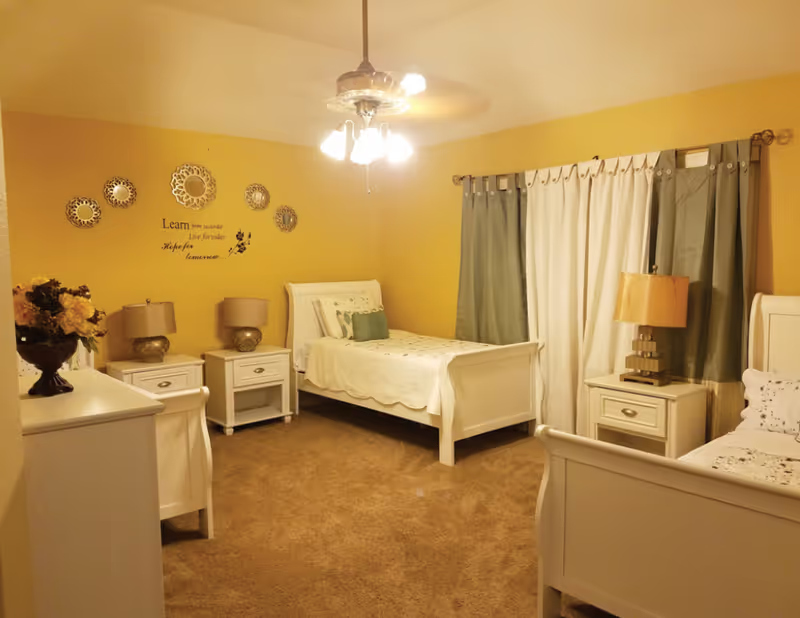
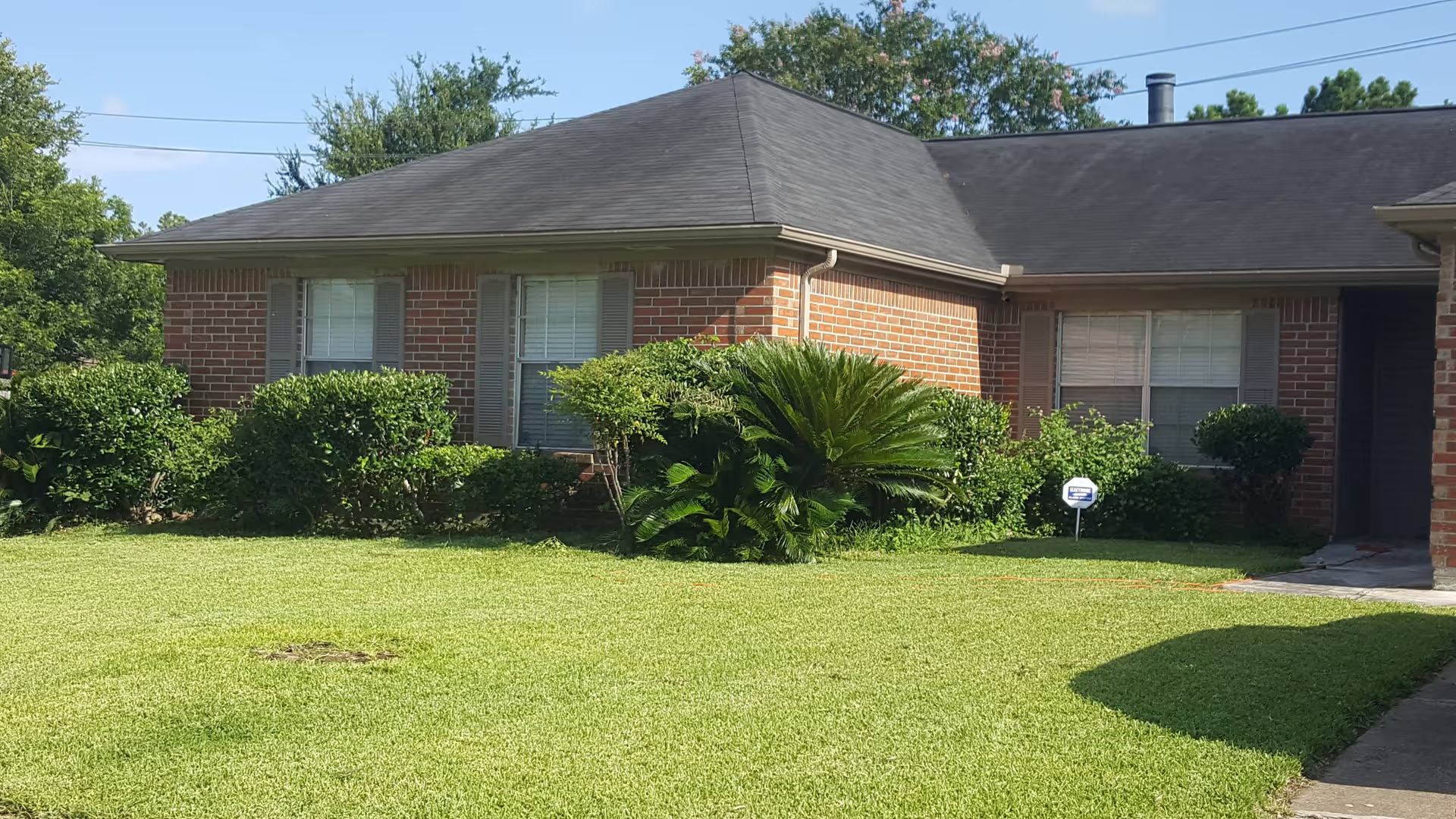
The available reviews present a highly mixed picture of West Oaks Nursing Home, with clear strengths in clinical rehabilitation services and significant operational concerns. Many families describe positive clinical outcomes — notably strong wound care, individualized nutrition plans, and effective physical therapy that led to weight gain and improved mobility. Multiple accounts emphasize compassionate bedside care from specific nurses, CNAs, and therapy staff, a welcoming front desk, and a generally clean, home-like atmosphere with engaging activities and attentive administrative support.
At the same time, there are recurrent concerns about clinical monitoring and incident response. Several families cited delays in recognizing or escalating wounds, infections, and serious changes in condition, and others described medication- and glucose-management problems. These accounts point to gaps in oversight and escalation protocols rather than isolated bedside technique, which suggests a need to review clinical workflows, monitoring frequency, and handoff practices.
Staff behavior and staffing levels are another area of variability. Positive comments highlight compassionate, team-oriented staff and timely, respectful communications during difficult moments, including end-of-life calls. Conversely, other reports describe cold or condescending interactions, slow CNA response times, and understaffing that affected timely assistance with toileting, hydration, and mobility. This pattern indicates uneven performance across shifts or units rather than a single, uniform staff culture.
Dining and activity programs receive largely favorable comments: meals are described as adequate, with the facility able to make dietary accommodations and support people working toward weight gain and recovery. However, there are also accounts of inconsistent feeding assistance and interruptions to meal service for residents requiring hands-on help. Prospective families should ask about feeding-assistance protocols if mealtime support is a critical need.
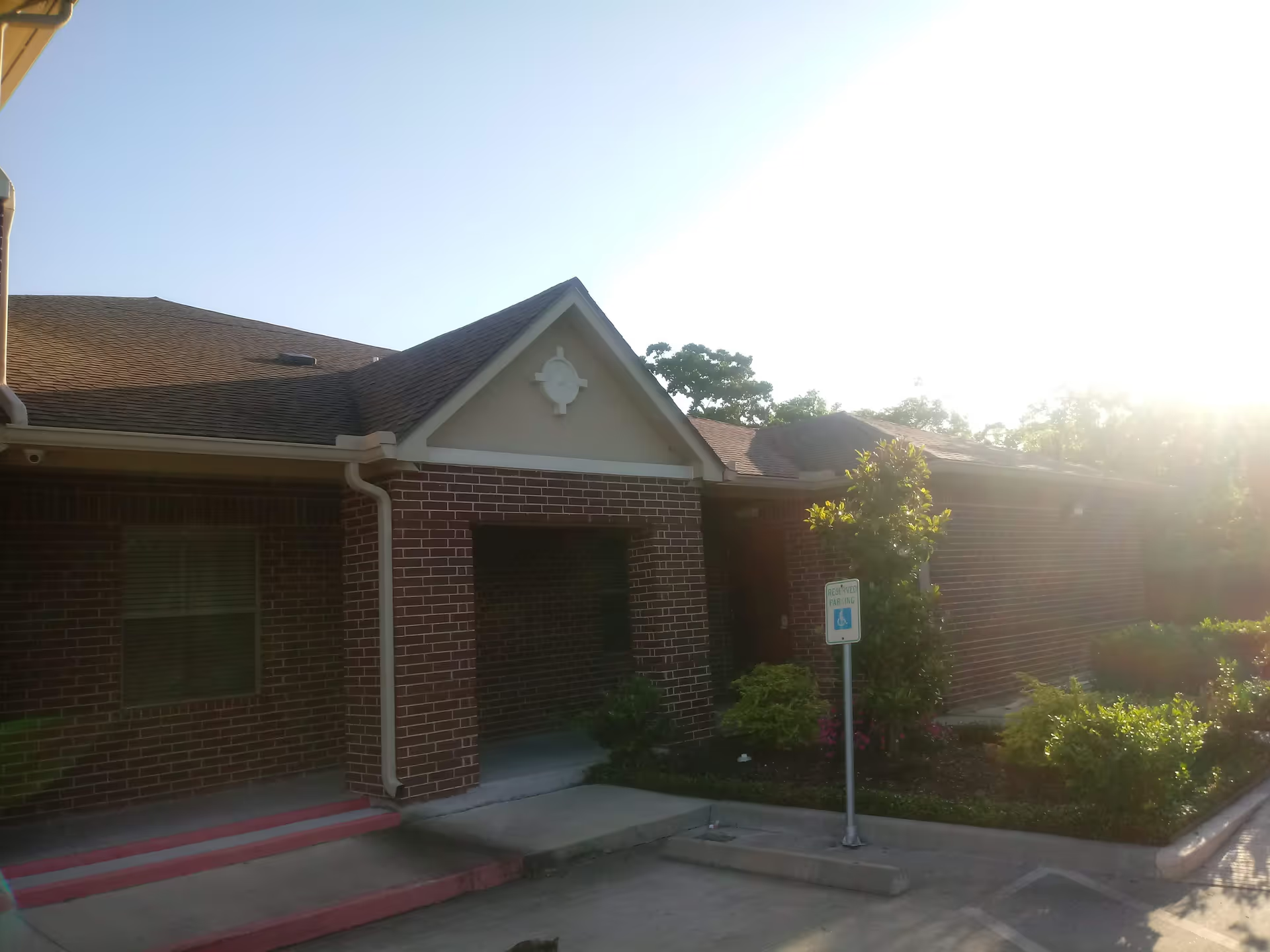
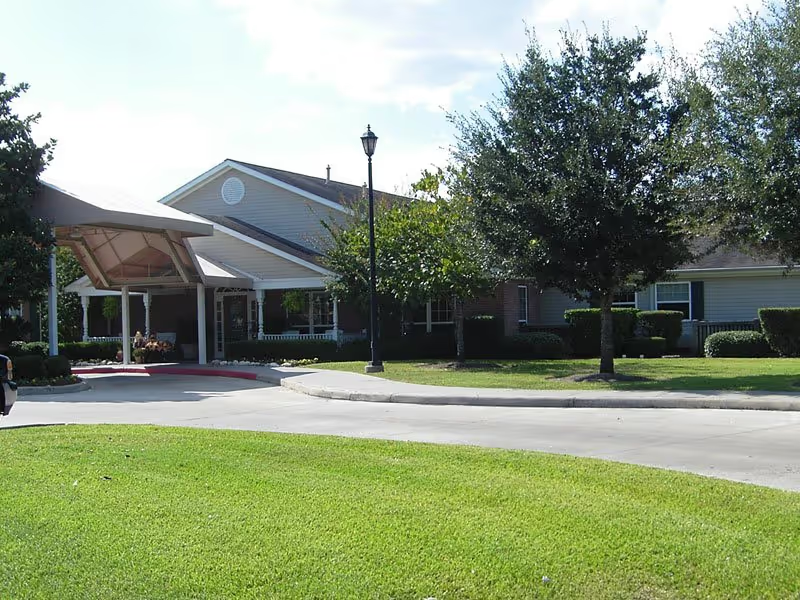
Facility-level issues were also noted. While many reviewers describe clean, well-maintained common areas and pleasant rooms, others raised odor concerns and temperature-control problems in certain units. A separate cluster of reports concerns management of residents' personal property — missing items, clothing or devices misplaced, and at least one reference to belongings being packed without family notification. Given the seriousness of property-loss claims, one review used the term "allegations" regarding theft and mishandling; prospective families should inquire about inventory, labeling, and secure-storage policies.
Management and communication experiences vary. Several families praised administrative responsiveness and clear updates; others reported voicemail systems that were full or unreachable staff and little follow-up after incidents. Pricing and insurance communication also emerged as a pain point in some cases, including unexpected cost changes or short insurance coverage limits for certain placements.
In summary, West Oaks demonstrates clear capability in rehabilitation, wound care, and compassionate support for many residents, and it offers a welcoming, activity-rich environment in numerous accounts. However, recurring operational concerns — inconsistent clinical monitoring and escalation, variable staff conduct and response times, property-management gaps, and uneven family communication — suggest the facility’s performance is inconsistent across shifts or units. Prospective residents and families should perform targeted inquiries before placement: ask for current staffing ratios, review skin- and wound-care protocols, observe mealtimes and therapy sessions, request documentation on incident notification policies and property-management procedures, and confirm billing and insurance communication practices. These steps will help determine whether the facility’s strengths align with the prospective resident’s specific clinical and personal needs.