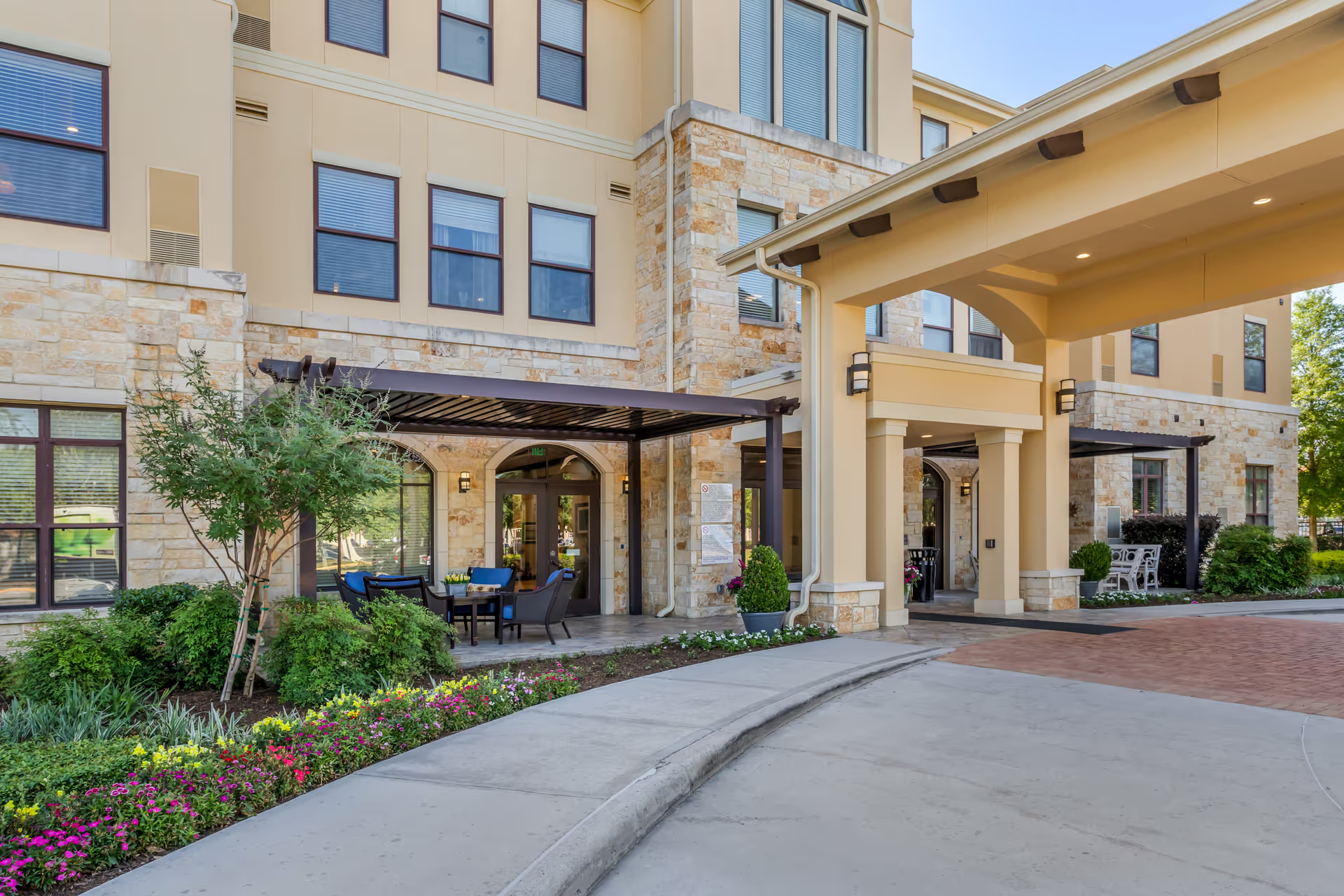
Reviews for Willowbrook Residence and Rehabilitation present a strongly mixed picture with clear strengths and recurring operational concerns. On the positive side, many families and residents describe compassionate direct‑care staff, stable long‑term employees, and a welcoming, family‑oriented atmosphere. Therapy teams receive repeated praise for rehabilitation outcomes and frequent therapy availability; several accounts describe measurable mobility improvements and supportive physical-therapy interventions. The facility offers an active social calendar—pet therapy, crafts, church services, outings, and transported activities—which reviewers credit with enhancing resident engagement. Amenities noted favorably include attractive dining presentation in a hotel-style dining room, outdoor patios and a wooded campus, clean and comfortable resident rooms in some areas, and an ongoing program of renovations and upgrades.
Counterbalancing those strengths are operational patterns that families should evaluate carefully. Multiple reviewers describe delays in medication administration and prescription processing, gaps in adherence to physician orders, and missed or late medication delivery; these comments suggest inconsistent medication-management controls. Relatedly, there are frequent reports of slow responses to call lights and limited clinical responsiveness after hours, and some families raised concerns about delayed initiation of physical therapy and other rehabilitative services. Several accounts also point to shortcomings in pressure‑injury prevention and mobility support, indicating opportunities to strengthen turning, repositioning, and transfer safety protocols.
Dining and environmental maintenance emerge as mixed areas. While meal presentation and certain entrées receive positive notes, reviewers also describe inconsistent food temperature and variable meal quality. Environmental concerns include sanitation and maintenance issues such as odor concerns in some hallways, lapses in bathing or hot‑water availability, peeling wallpaper, and carpet conditions; these comments indicate uneven facility upkeep across units. Administrative and billing practices are another area of concern: reviewers cite billing inaccuracies, difficulties obtaining records, and at least a few allegations of missing personal items and financial discrepancies. One review referenced regulatory findings; families may wish to request facility documentation or state inspection reports for clarification.
Overall, Willowbrook appears to offer strong rehabilitative programming, an engaging activities program, and many caring staff members, but it also shows recurring operational weaknesses in medication management, timeliness of clinical response, environmental maintenance, and administrative accuracy. Prospective residents and families should weigh the facility’s therapy strengths and activity offerings against these reported system-level issues, ask for recent quality and inspection records, review staffing and medication‑management protocols, and seek references from current residents or families to gauge consistency in the areas most important to them.