Overall impression: The facility is frequently characterized as a strong short-term rehabilitation provider with notable strengths in therapy, nursing, and family communication. Many reviewers describe successful, recovery-oriented stays that conclude with discharge home. Praise centers on the clinical therapy teams (physical, occupational, and speech), hands-on rehabilitation outcomes, and staff who are described as attentive, compassionate, and communicative with families.
Care and staff: Clinical care and therapy are prominent strengths; physical and occupational therapy programs receive repeated positive mentions for effectiveness and individualized attention. Nursing and aide staff are often described as kind, gentle, and engaged, with specific staff and leaders named for positive interactions. At the same time, there are recurring operational concerns: reviewers identified uneven responsiveness at certain times of day (notably some night or late-shift coverage), occasional lapses in medication administration and resident-identification processes, and variability in staff tone and follow-through. These issues suggest the facility operates at a generally competent clinical level but experiences service variability tied to staffing patterns and process controls.
Dining and activities: Dining is generally seen as accommodating, with staff willing to tailor meals to preferences and dietary needs; several comments specifically praise homestyle and Southern cooking. However, there is also variability in meal satisfaction, with a minority of accounts describing unacceptable food quality. The activities program is a consistent positive feature — a proactive activities director, social events (proms, bingo), and opportunities for social engagement are cited as enhancing quality of life and social reintegration.
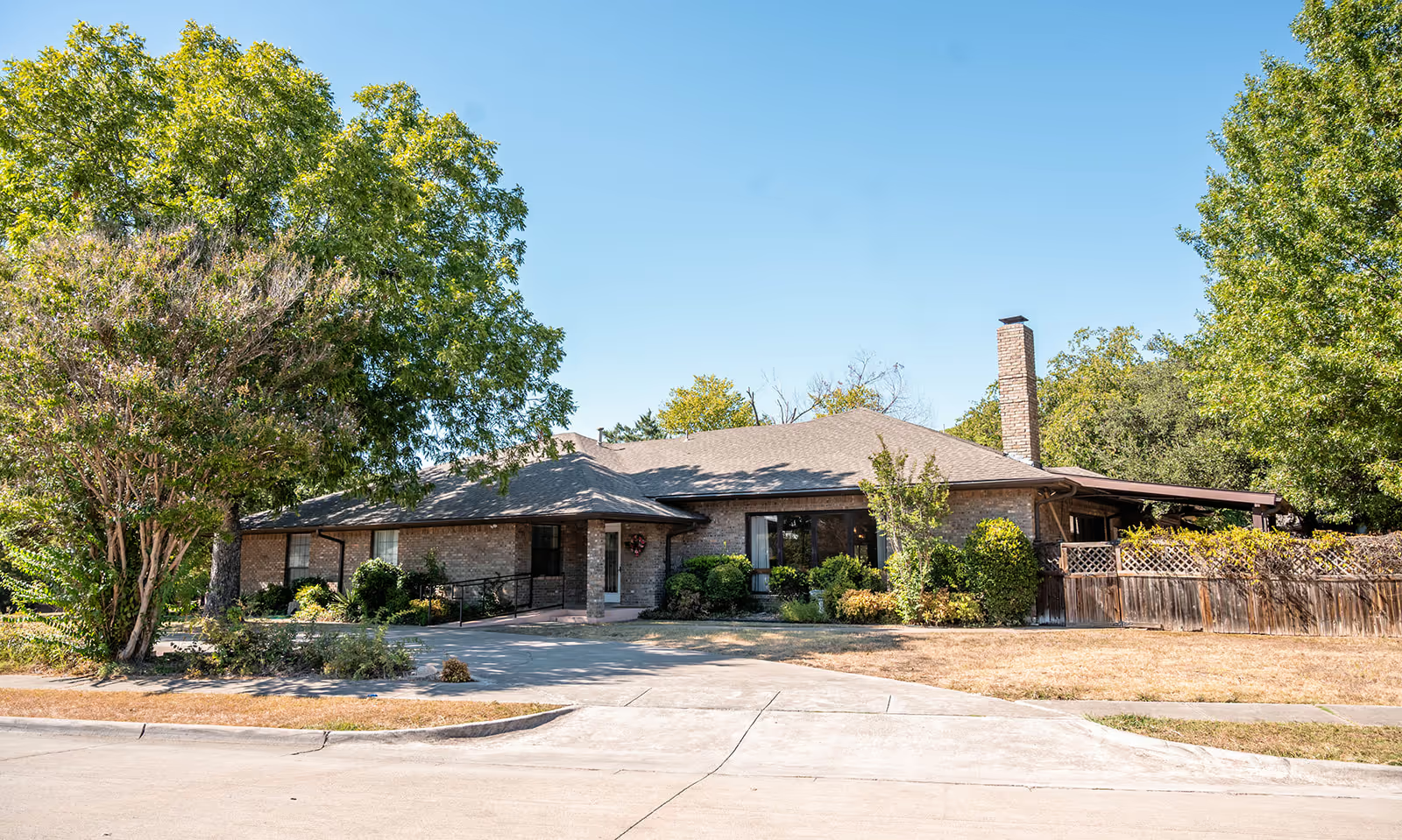
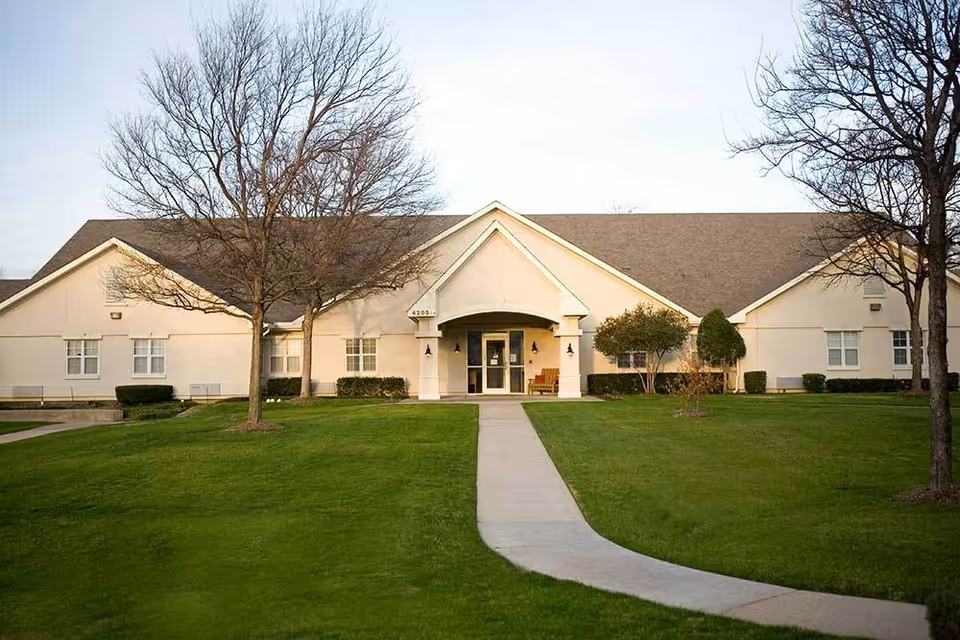
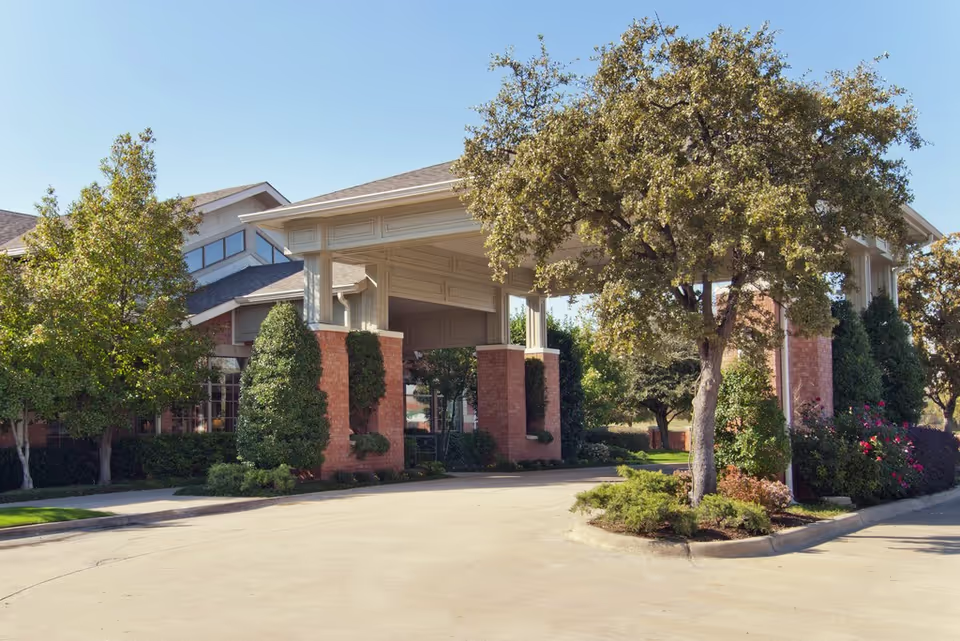
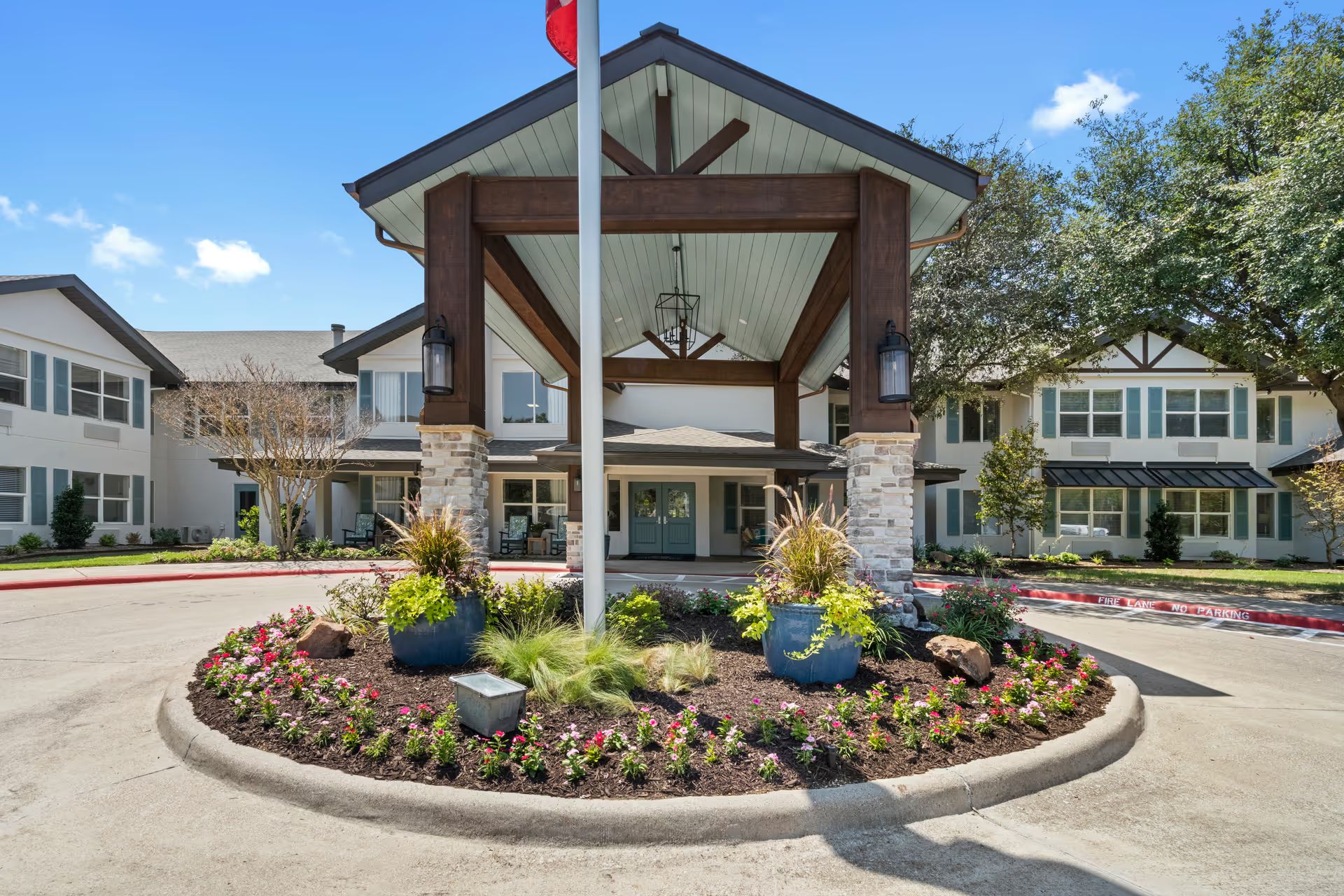
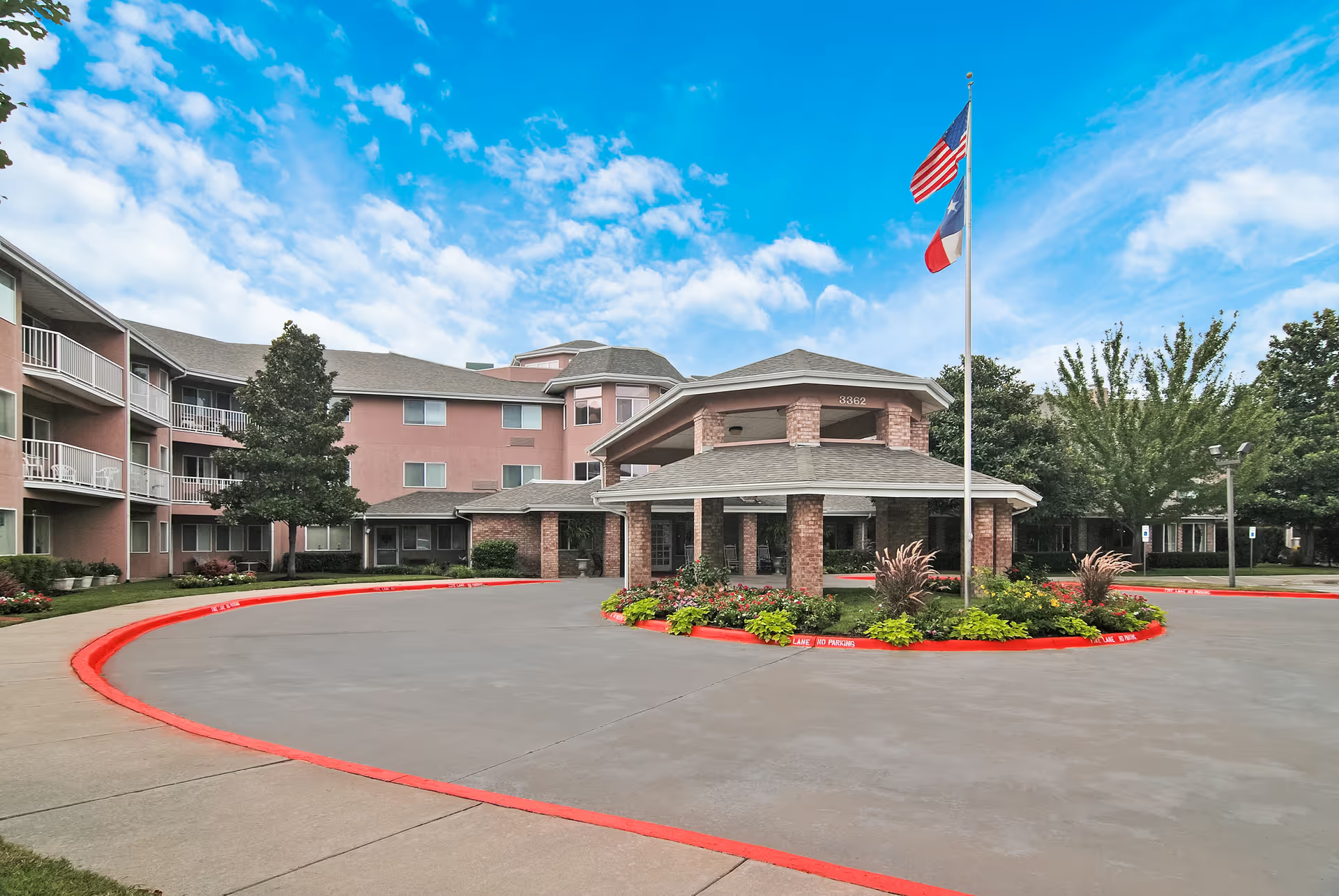
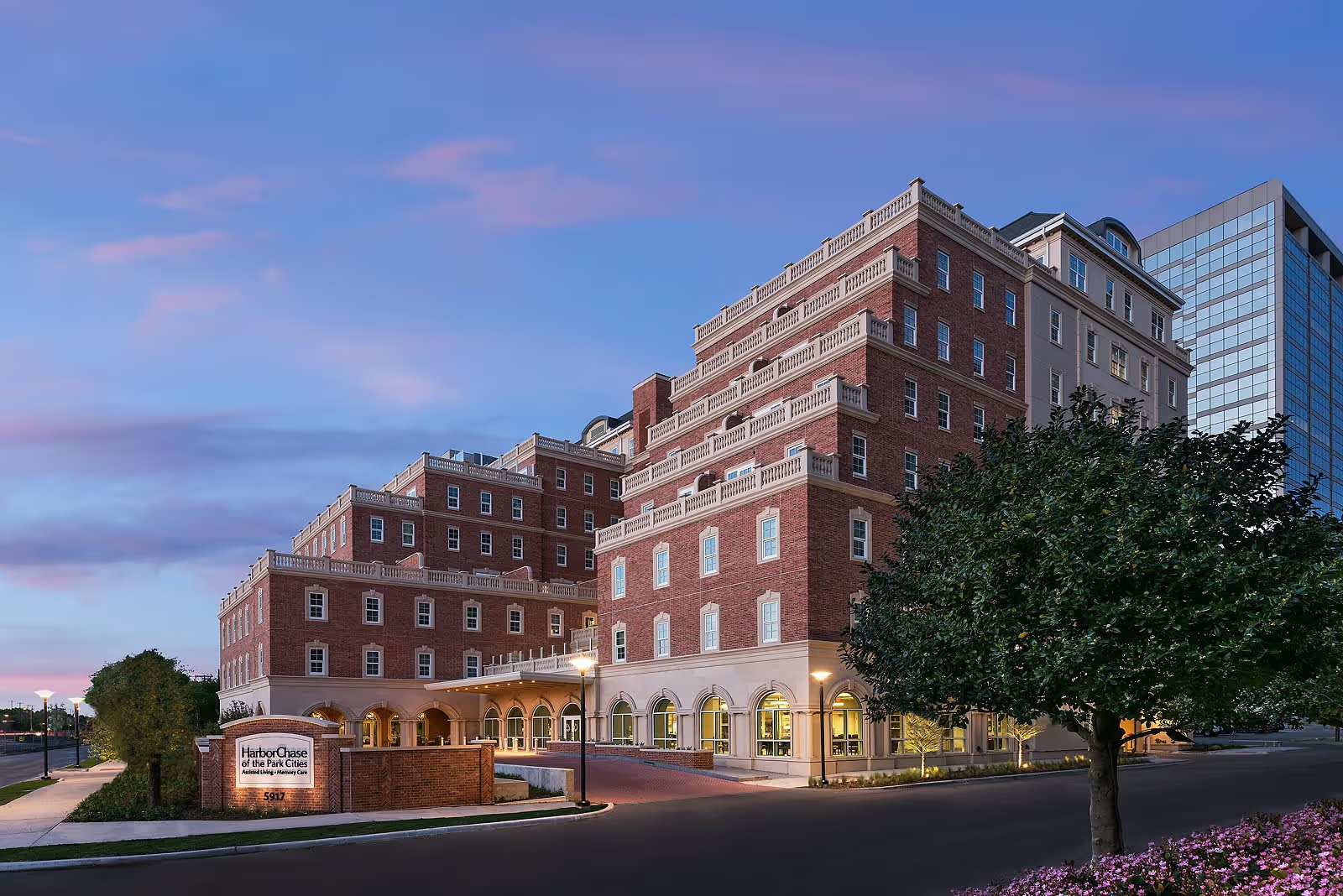
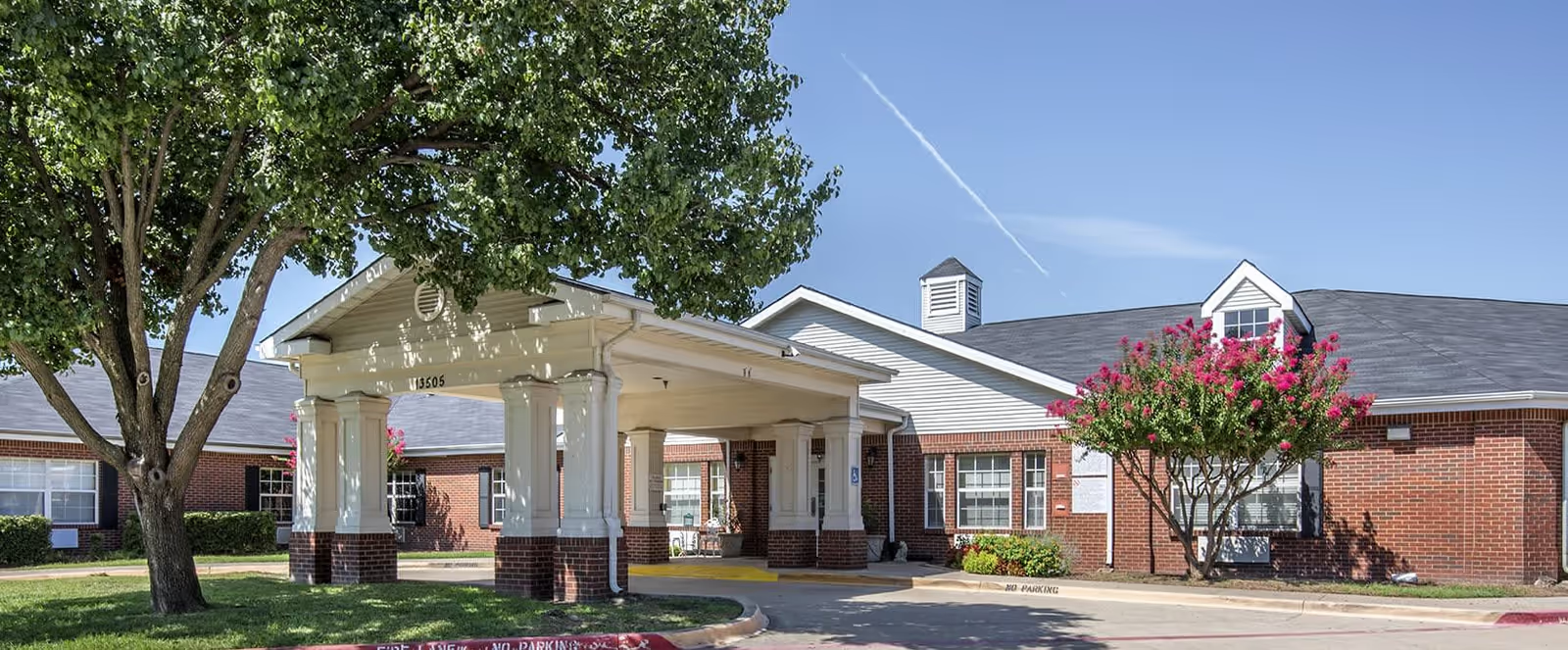
Facilities and environment: The physical environment is frequently described as clean, renovated, bright, and comfortable, with conscientious housekeeping and well-maintained rooms and halls. A few reviewers raised sanitation-related concerns tied to cleaning agents causing irritation, which points to a need to review product choice and ventilation practices rather than general cleanliness. Access issues are mostly operational: the facility appears oriented toward short-term rehabilitation, and there is limited long-term care capacity leading to waiting lists.
Management and notable patterns: Management and executive leadership are often described as accessible and proactive, including regular care-plan reviews and family updates. Nonetheless, reviewer experiences are mixed regarding consistency of management responsiveness across different shifts and incidents. More serious operational gaps are suggested by mentions of medication errors and at least one account of personal-property loss; these comments indicate opportunities to strengthen medication administration protocols, resident identification, and property-security controls. Staffing pressures and turnover are also recurring themes that likely contribute to variability in responsiveness and conduct.
Practical takeaway: For families seeking an effective short-term rehabilitation environment with strong therapy services, engaged clinical teams, and an active activities program, this facility frequently meets those needs. Prospective residents and families should, however, discuss staffing patterns and supervision across shifts, inquire about medication-safety and property-security protocols, and confirm long-term placement availability if permanence is required. These targeted questions can help align expectations with the facility’s operational strengths and areas needing improvement.