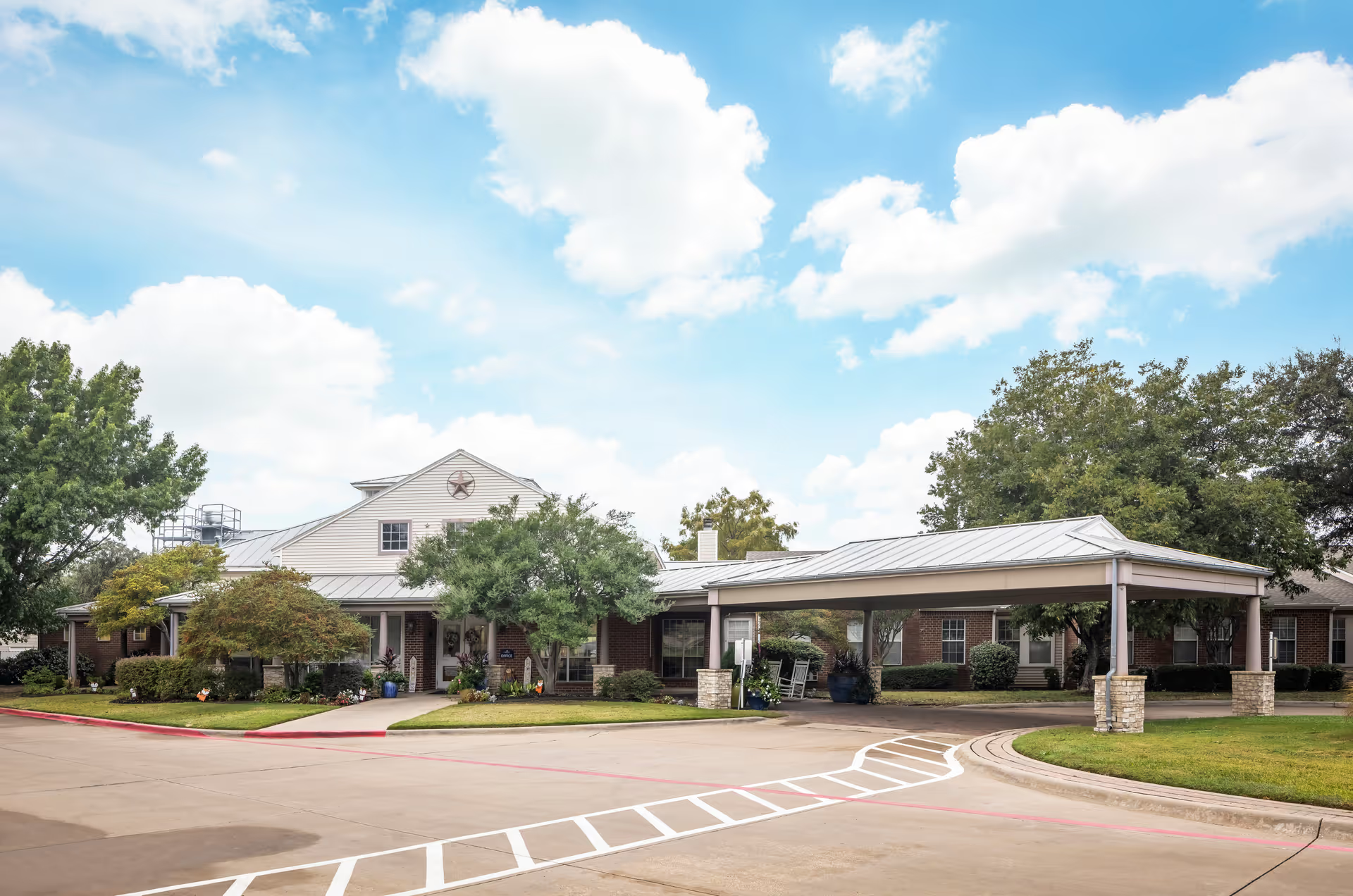
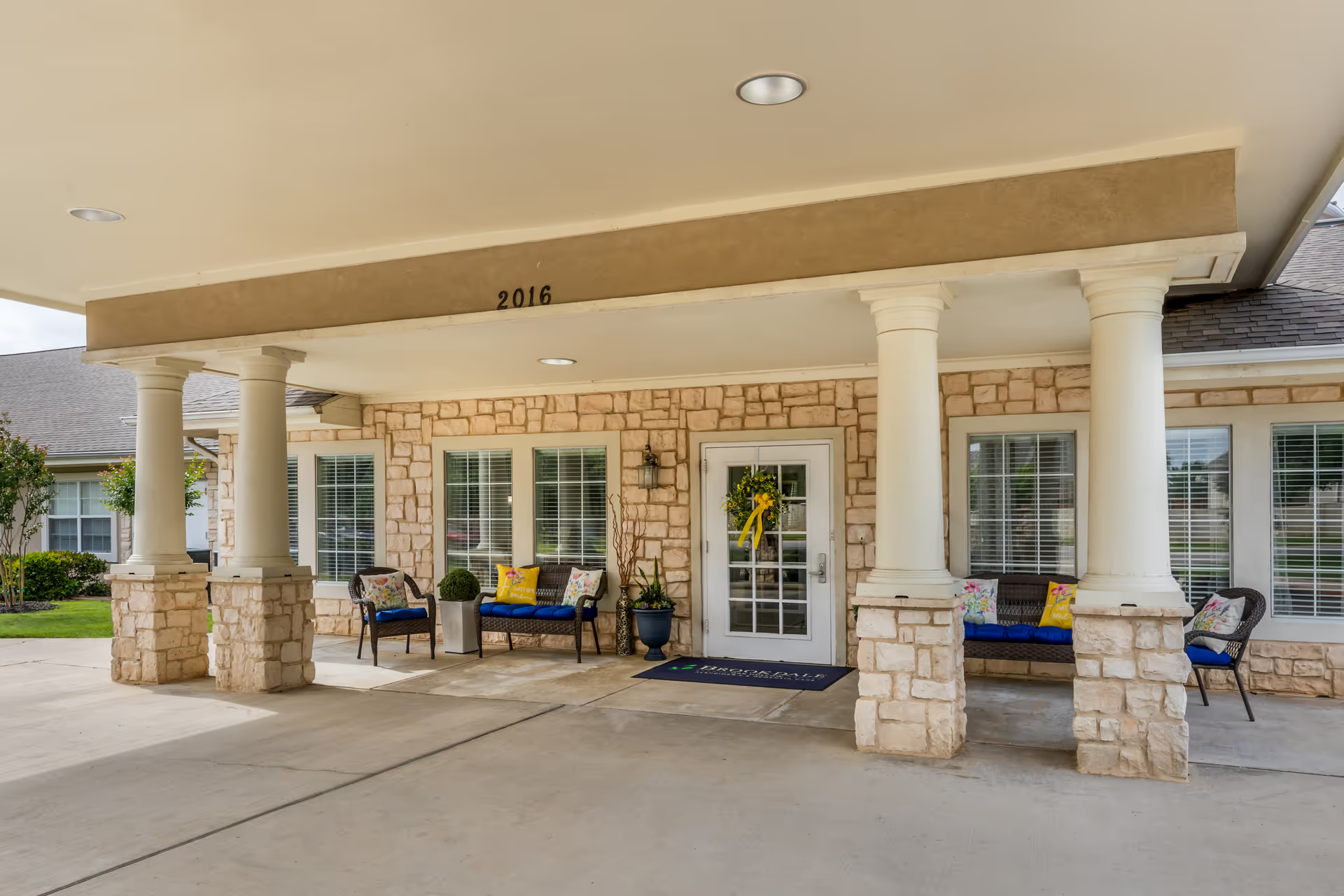
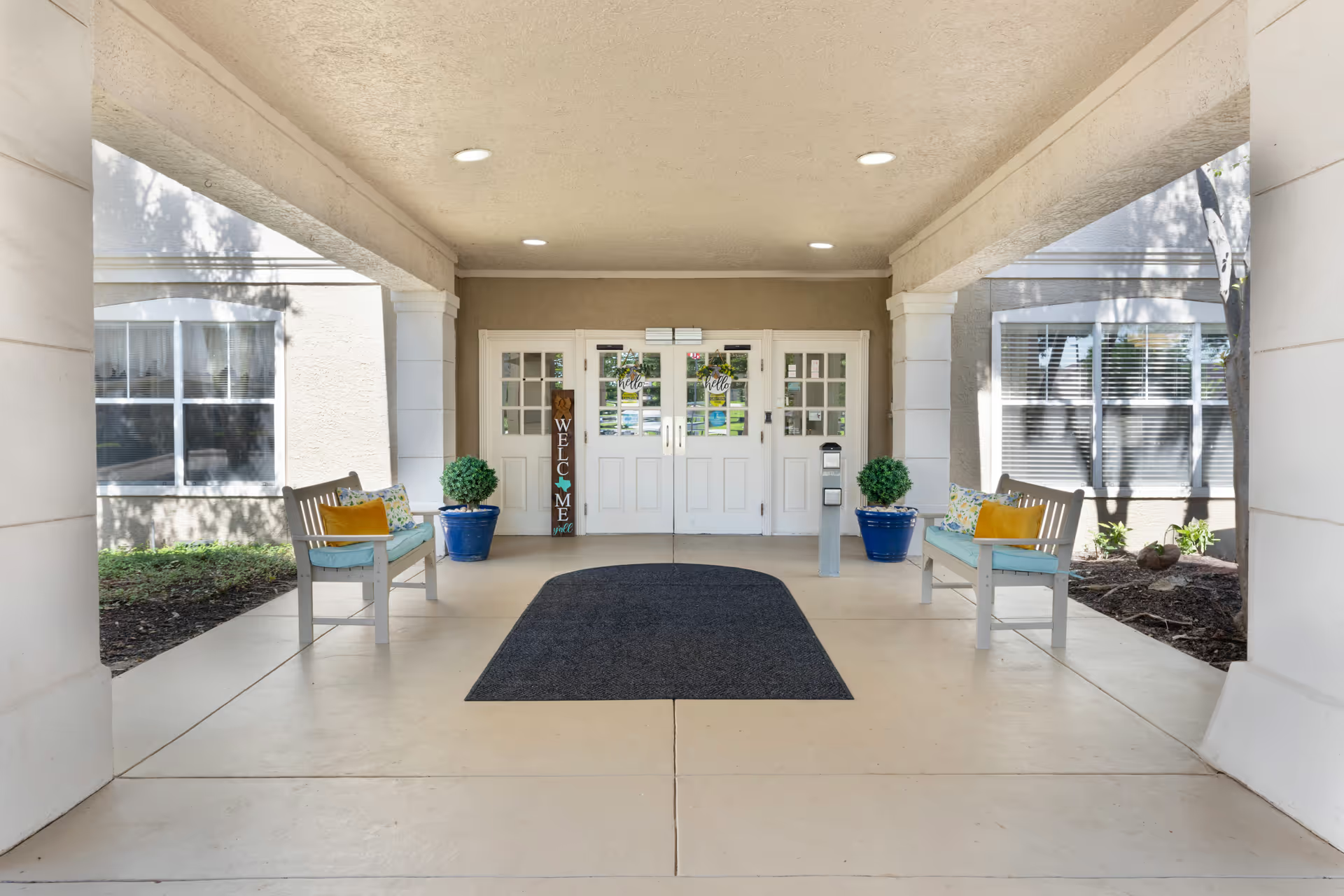
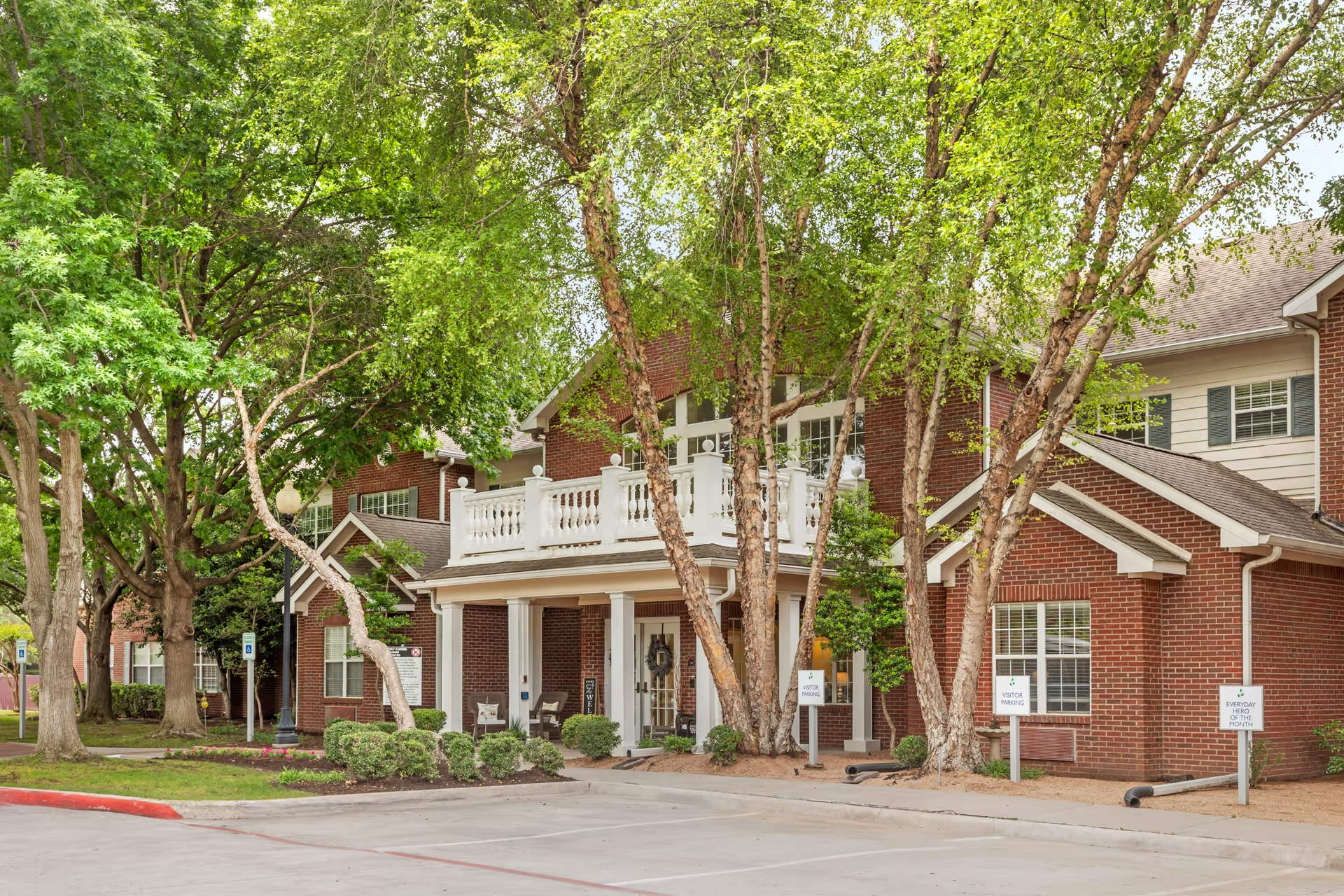
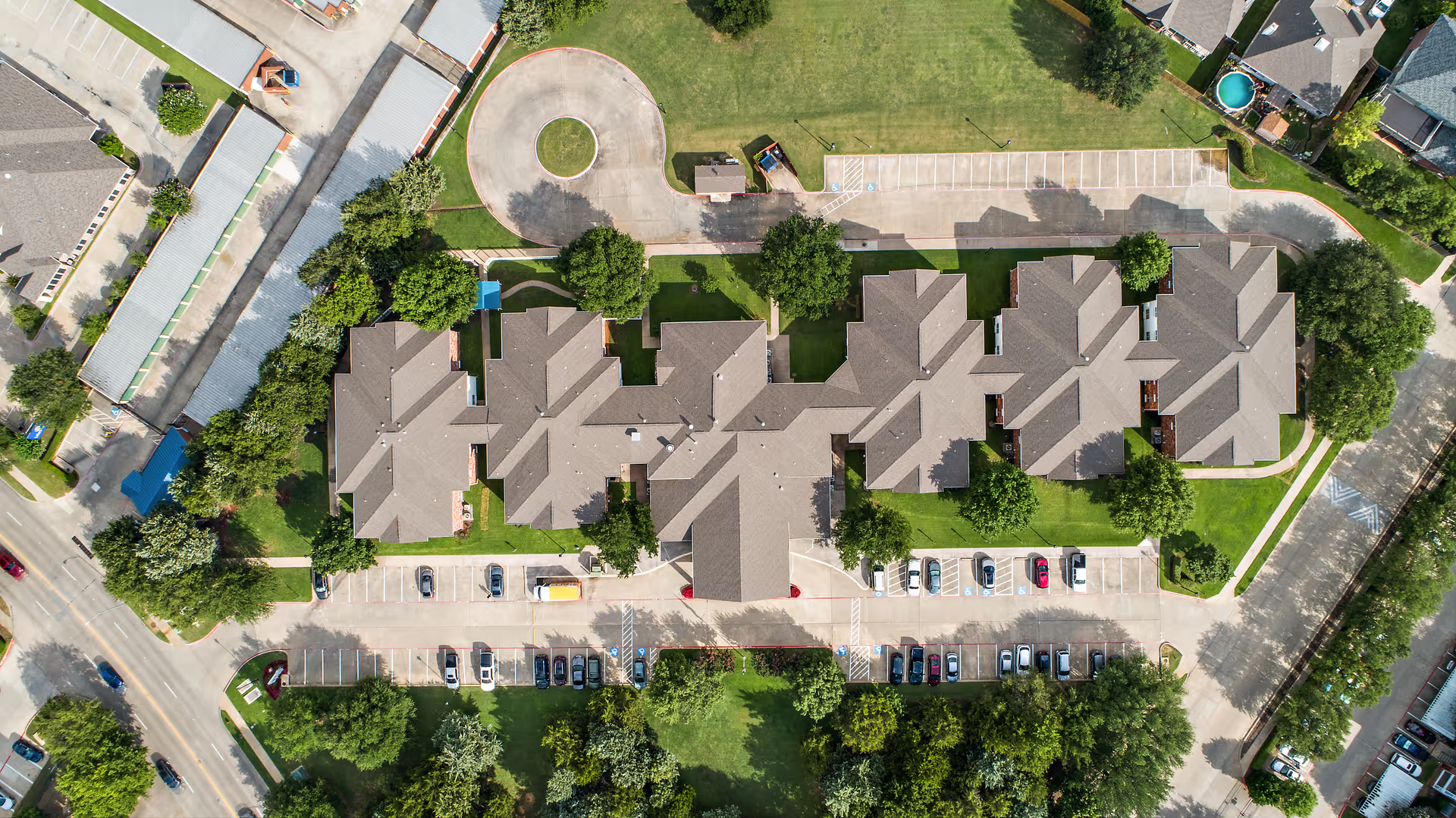
VIP Living Centers–Irving is consistently described as a small, owner-operated residential facility that emphasizes dementia care within a home-like setting. Many families highlight a compassionate, personalized approach to care with a high caregiver-to-resident ratio and hands-on involvement from the owners. The environment is frequently characterized as warm, peaceful, and social; reviewers cite open visitation, a family-style dining atmosphere, and active engagement between staff and residents.
Clinical and daily-care strengths include attentive personal care, safety-conscious design choices appropriate for residents with memory impairment, and supportive end-of-life/hospice services. Several accounts note improvements in mobility or mood after placement, timely attention to chronic-wound issues in some cases, and consistent caregiver patience. Staff-level strengths extend to visible leadership, with owners and managers described as present and involved in day-to-day operations.
Dining and programming are recurring positives. The facility offers regular group activities (music, piano, bingo, arts and crafts), holiday events, church participation, and social meals featuring fresh fruit and occasional treats. Reviewers generally report quality meals and a convivial dining experience that contributes to residents' quality of life.
Facility and management notes are mixed. The home is praised for cleanliness, remodeling in parts of the building, and dementia-friendly safety features; at the same time some areas are described as dated. Administrative patterns include strong family communication and flexibility for many families, but there are isolated instances of poor phone etiquette, disputed billing or refund situations, and at least one account of an acute-care transfer early in a stay. These items suggest occasional variability in administrative processes, expectation-setting at admission, and dispute resolution.
Overall pattern: prospective families can expect a small, intimate setting with engaged, compassionate caregivers and an activity-rich, home-style culture—particularly suited for dementia care and families seeking hands-on management and open visitation. Important trade-offs include higher private-pay costs, limited capacity, and occasional administrative variability; visitors should clarify care expectations, billing policies, and responsiveness protocols during touring and admission to reduce the risk of mismatch between expectations and delivered services.