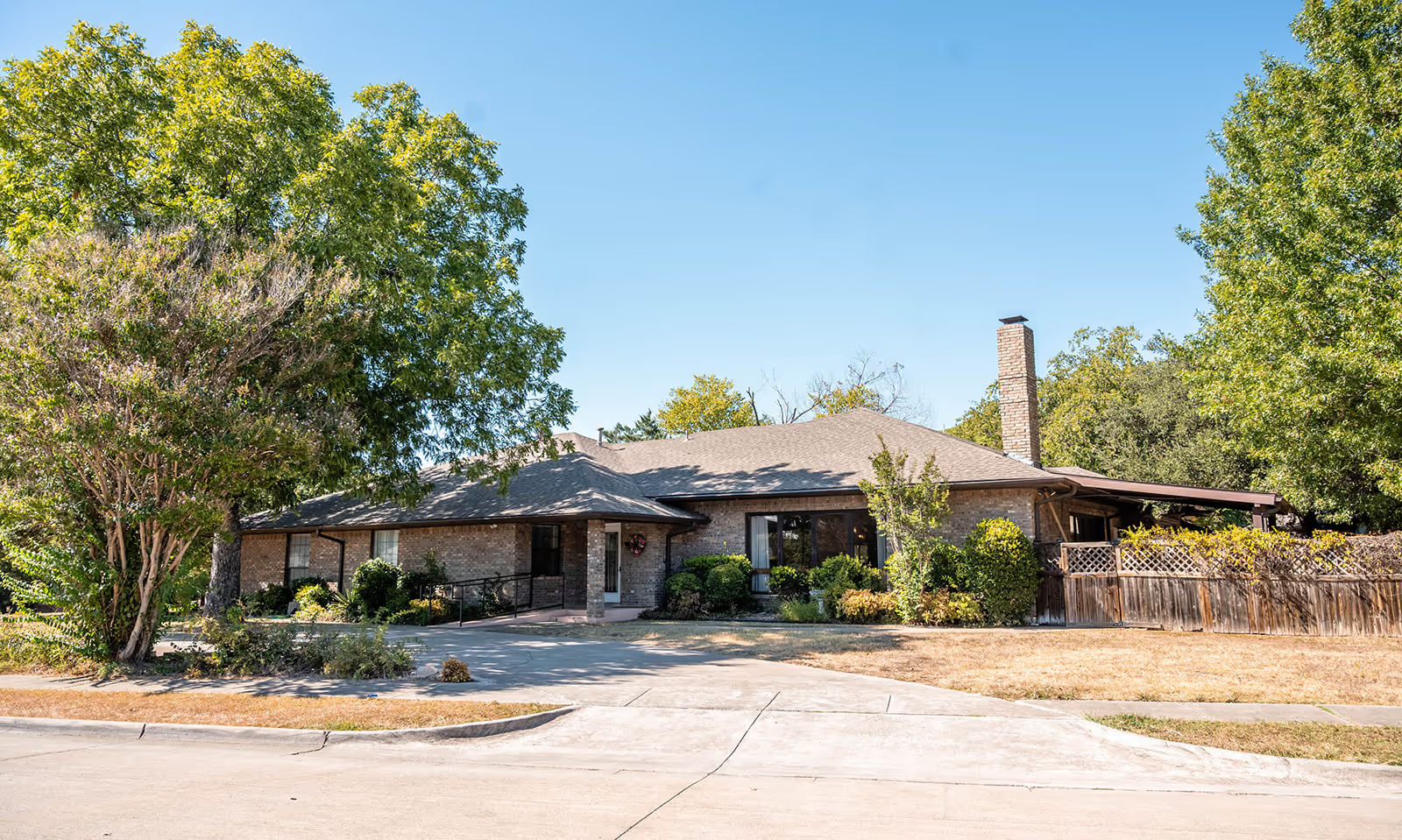
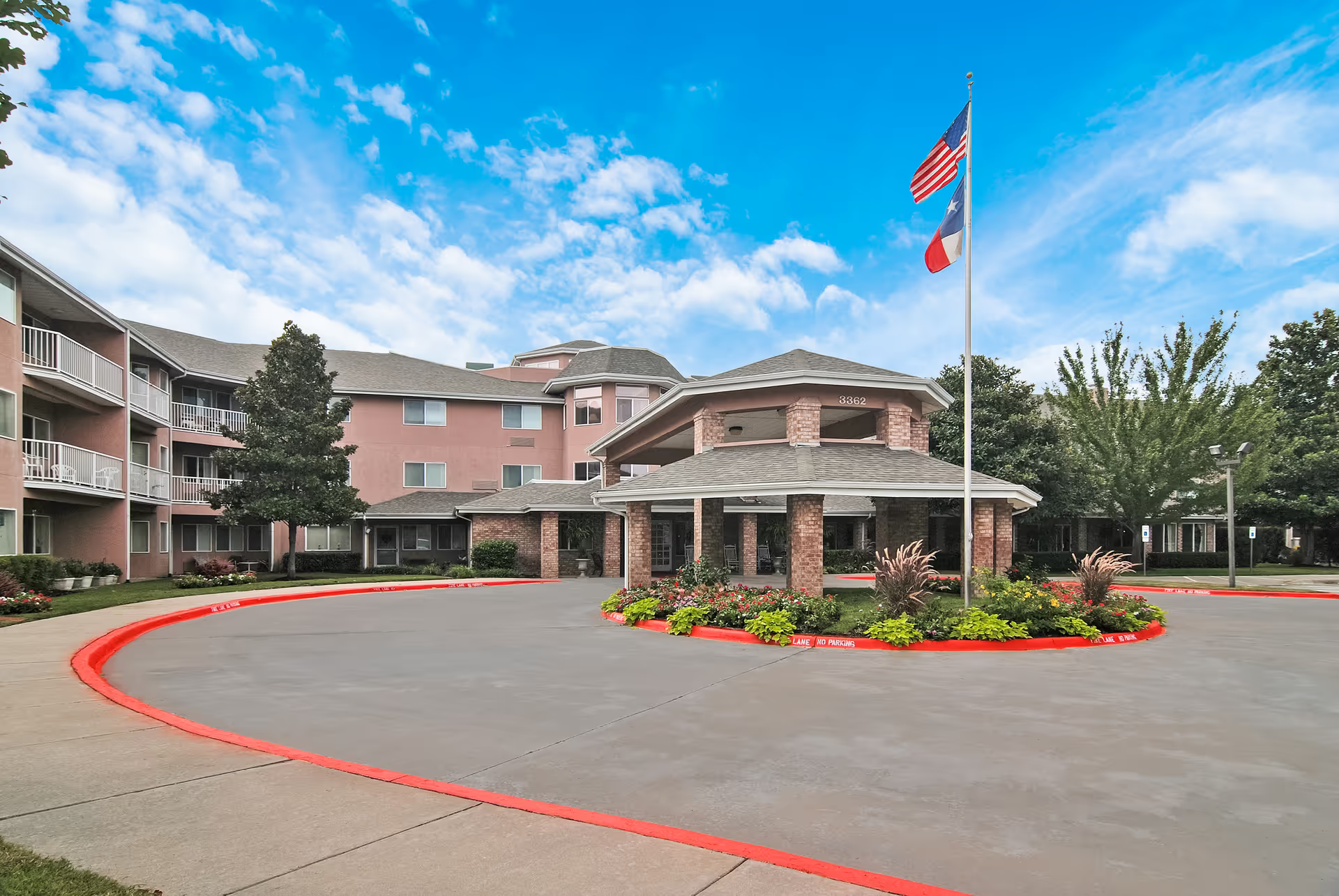
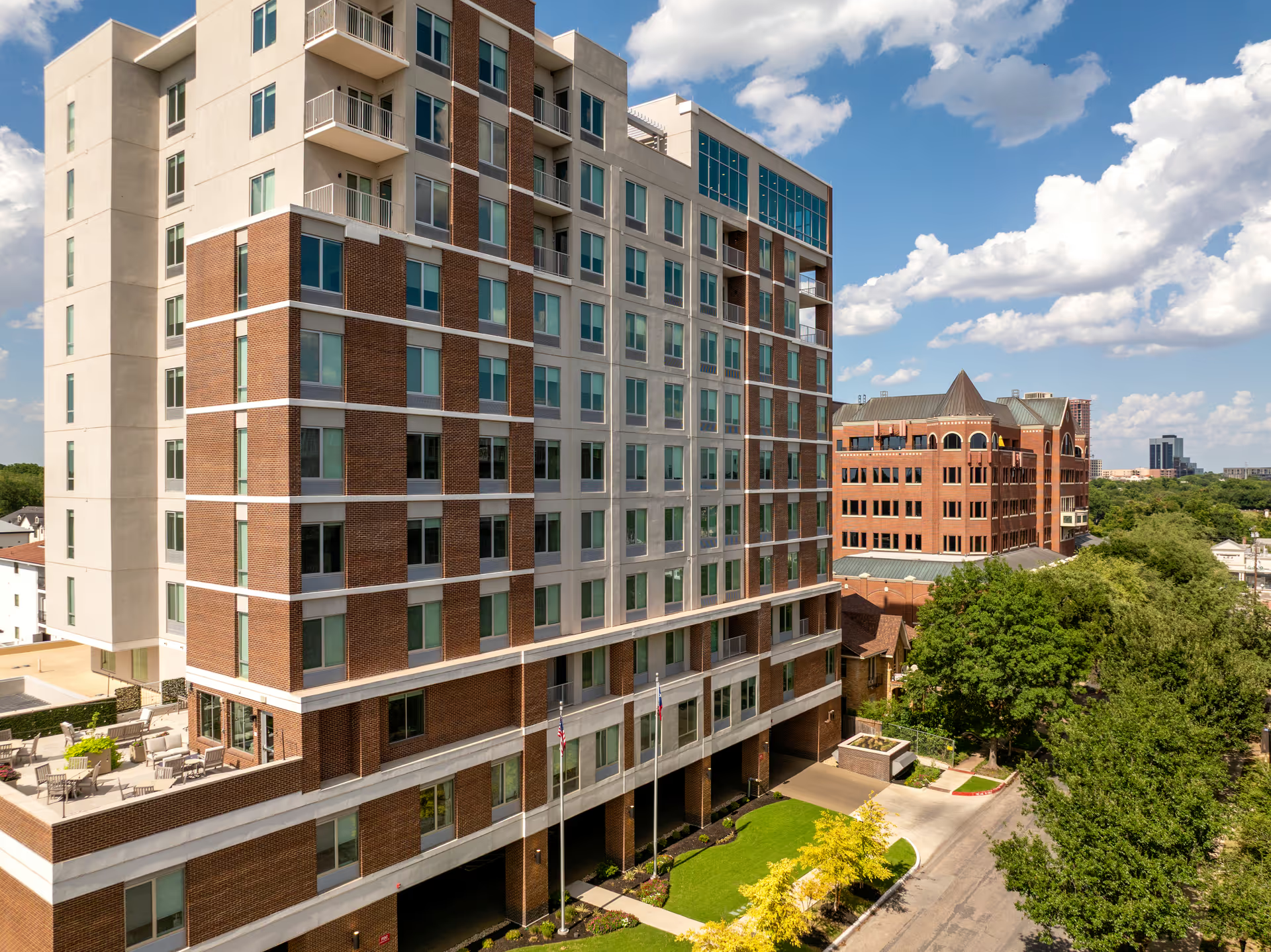
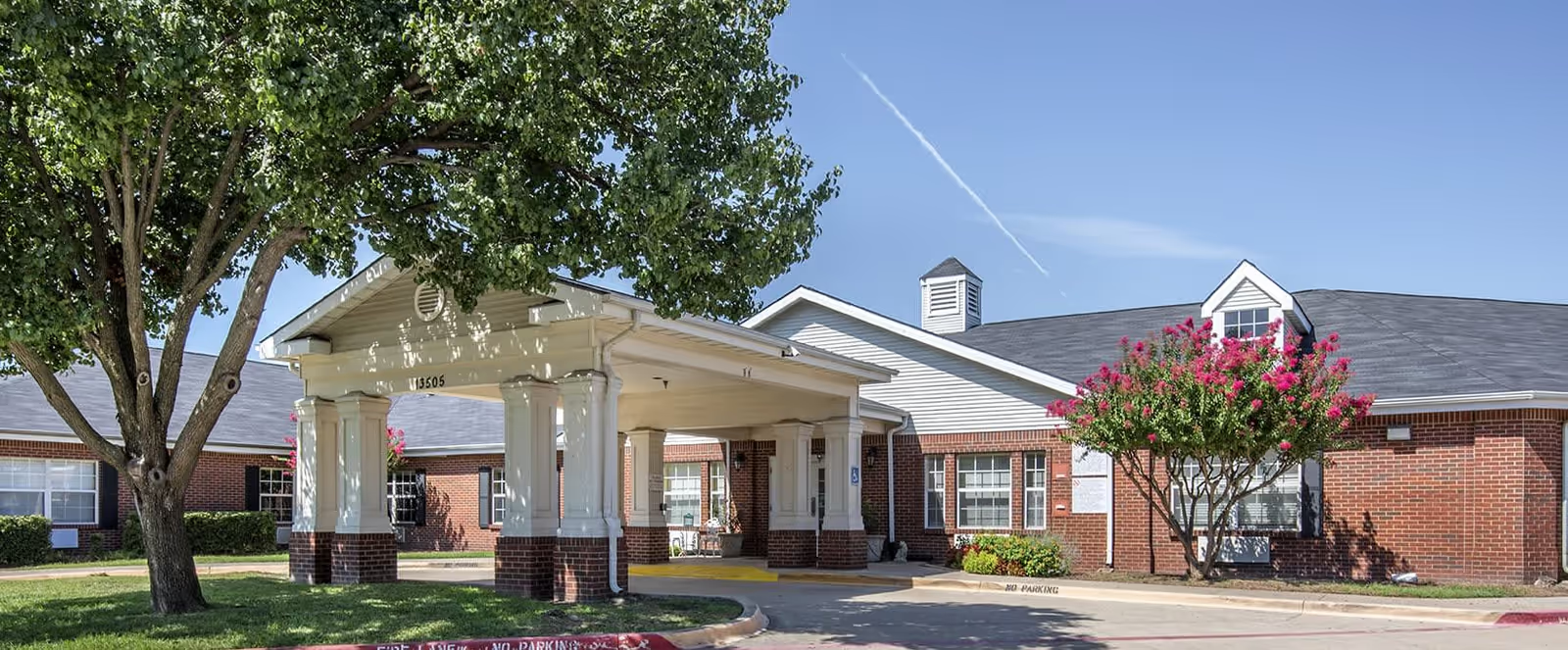
The collected reviews present a mixed portrait of Avir at Irving. Many families and visitors describe strong, compassionate frontline care: nurses, aides, therapists and several named administrators receive praise for being attentive, communicative, and supportive. Positive accounts highlight organized admissions and transfers, a small single-story layout that promotes familiarity, above-average meals with texture/diet accommodations, accessible rehabilitation services, clean resident rooms in many areas, and attentive housekeeping. New ownership and management changes are cited in several accounts as contributing to measurable improvements in nursing oversight and responsiveness.
At the same time, a number of reviews raise substantive clinical and operational concerns. Themes include inconsistent caregiving and delays in clinical responsiveness, lapses in medication administration and documentation, and uneven presence or follow-through from therapy staff. Several families describe circumstances suggesting inadequate assistance with feeding or repositioning for higher-dependency residents, which can increase pressure-injury and aspiration risks if not addressed. There are also accounts indicating weekend and overnight coverage is less reliable than daytime staffing.
Communication and administrative transparency emerge as recurrent issues. While some administrators are singled out for clear, patient-family communication, others are associated with inconsistent updates, missing incident reports, and confusion around discharges and oxygen or equipment handoffs. Financial concerns appear in multiple accounts: unexpected rate increases, private-pay and insurance-communication issues, and billing confusion were cited as actionable items for prospective families to verify before admission. There are also allegations of personal-item mismanagement and deficiencies in property handling that warrant attention to facility policies and safeguards.
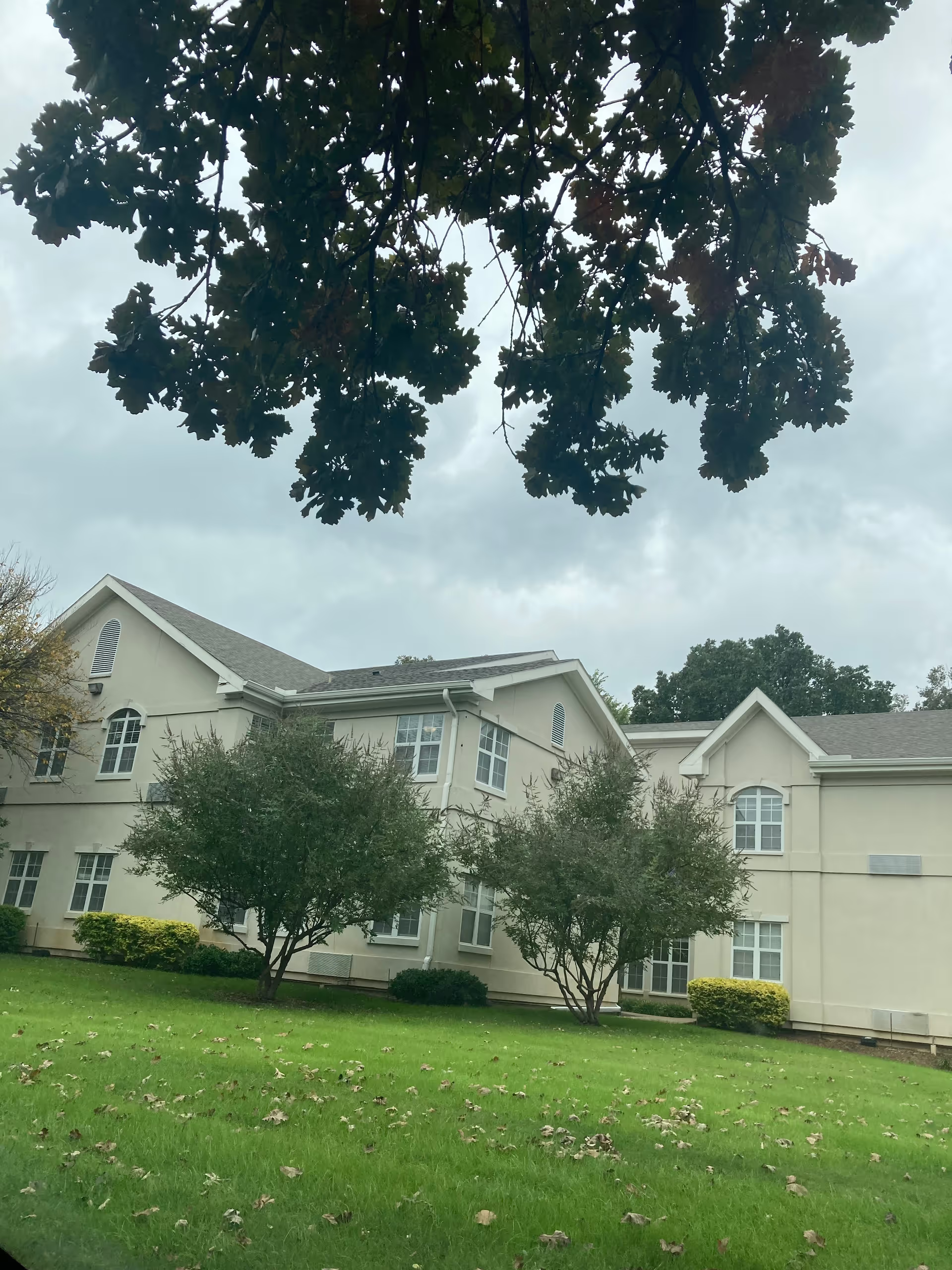
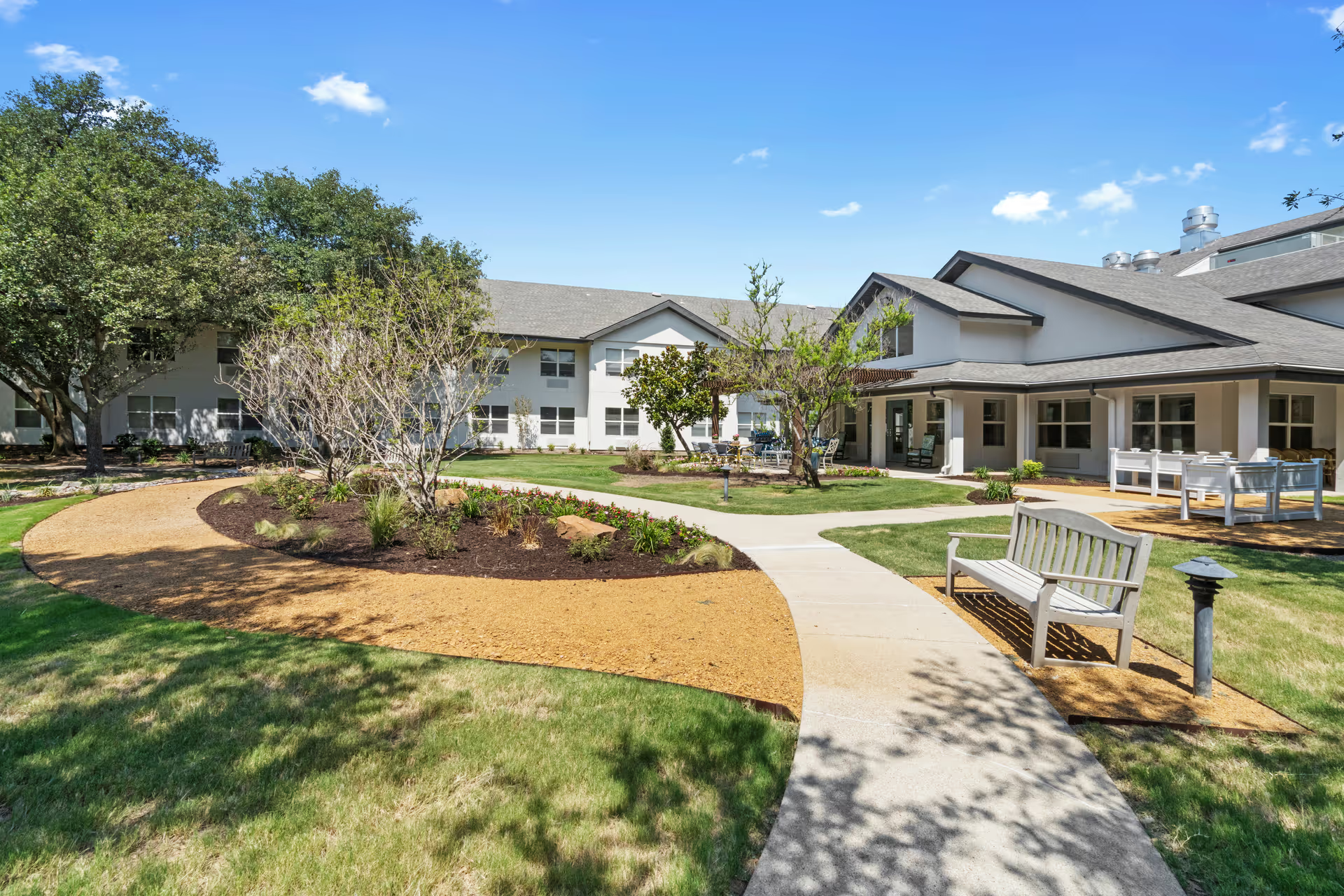
Facility condition and cleanliness present a mixed picture. Several reviewers commend a clean, odor-free environment and recent renovations in parts of the building; others note worn infrastructure, maintenance needs, sanitation concerns in specific areas, and pest-control concerns. The facility’s small size and single-story design are seen as advantages for socialization and orientation, but some safety-process descriptions — including front-door access controls and elopement-prevention practices — raise questions about consistency of protocols and resident supervision.
Dining and activities are generally described positively where staff provide appropriate assistance and social opportunities; however, inconsistent meal assistance for residents with higher needs is a recurring operational weakness. Rehabilitation services receive praise in multiple accounts when therapists are proactive and provide individualized plans; reviewers who experienced minimal therapy contact described a gap between promised services and day-to-day practice.
Overall, the patterns suggest a facility with clear strengths in staff dedication, family-facing communication in many instances, and meal/program quality, while also exhibiting variable performance in clinical consistency, safety processes, facility maintenance, sanitation control, and administrative transparency. Prospective residents and families should perform an in-person assessment that includes observation of morning care, mealtime assistance, night and weekend staffing levels, medication-administration procedures, infection-control and pest-control measures, and a careful review of billing and contract terms. Asking for recent staffing ratios, incident-reporting policies, therapy schedules, and references from current families can help clarify whether the operational weaknesses cited have been addressed.