Falcon Point receives sharply mixed feedback across short-term rehabilitation, skilled nursing, memory care, and long-term residency. Many families and residents describe kind, patient staff, attentive therapy, and positive outcomes, including improved strength and safe returns home. Other accounts raise concerns about delayed responses to call bells, limited nursing engagement, and inconsistent follow-through with everyday care. The contrast suggests that experiences can vary substantially by unit, shift, and stay. Several reviewers also describe recent management changes as a source of improvement, while other accounts indicate that service consistency remains a concern.
Therapy is a recurring strength. Reviewers praise physical, occupational, and speech therapy staff for encouragement, individualized approaches, and helping residents improve mobility and independence. Some describe frequent therapy during rehabilitation, and one family highlights continued outpatient therapy at home. However, a reviewer also said expected rehabilitation services were not provided, so families may wish to confirm the therapy plan, schedule, and progress updates directly with the team.
Staff and communication experiences are especially varied. Positive accounts describe compassionate nurses and aides, familiar caregivers, helpful admissions staff, and managers or social workers who listened and addressed questions. Other families describe difficulty reaching staff by phone, delayed responses to resident requests, and limited communication about clinical changes or discharge arrangements. Medication coordination and clinical follow-up are also areas of concern in some accounts. Families have praised staff for developing care plans, while others describe needing to repeatedly seek updates or clarify responsibilities.
Dining feedback is mixed. Some residents and families describe meals as enjoyable or adequate, while others cite cold or unappealing food and difficulty obtaining meals that meet vegetarian or other dietary preferences. Activities are a positive feature in several accounts, including bingo, social events, religious services, and escorted participation. The memory-care review describes a secure, all-female unit with a courtyard, shared living and dining space, and staff supervision. Families considering memory care may want to ask about supervision arrangements and how wandering risks are managed.
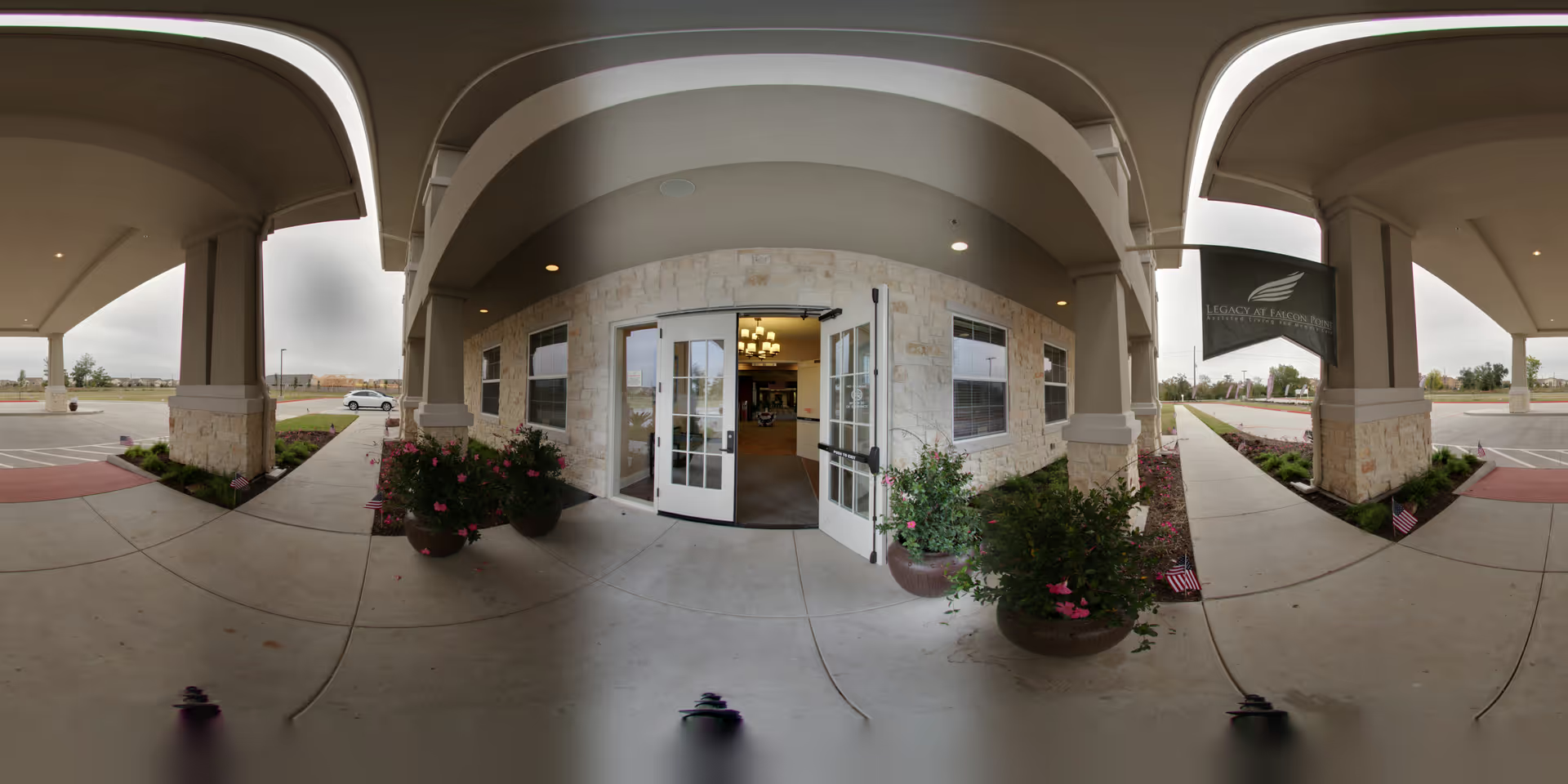
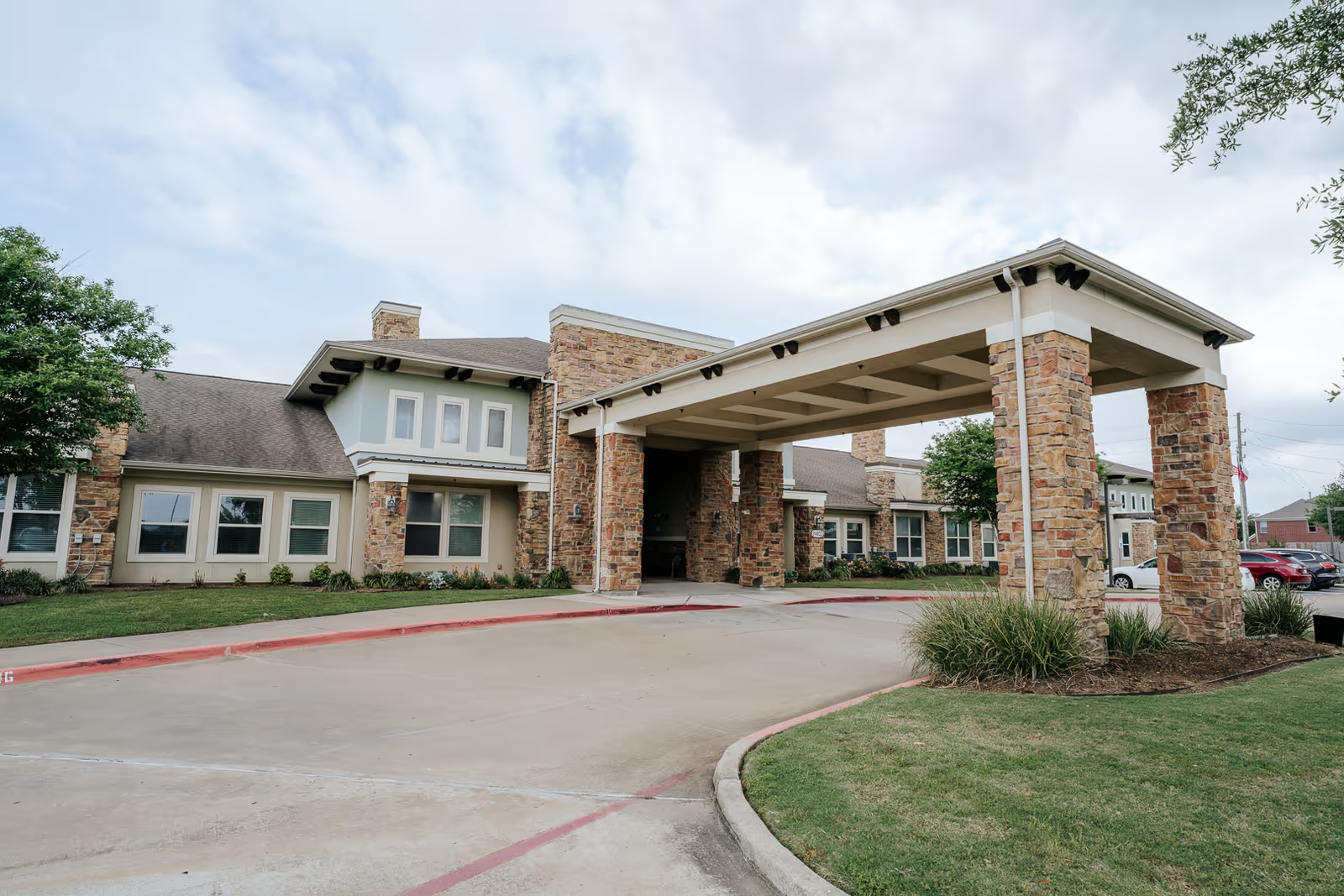
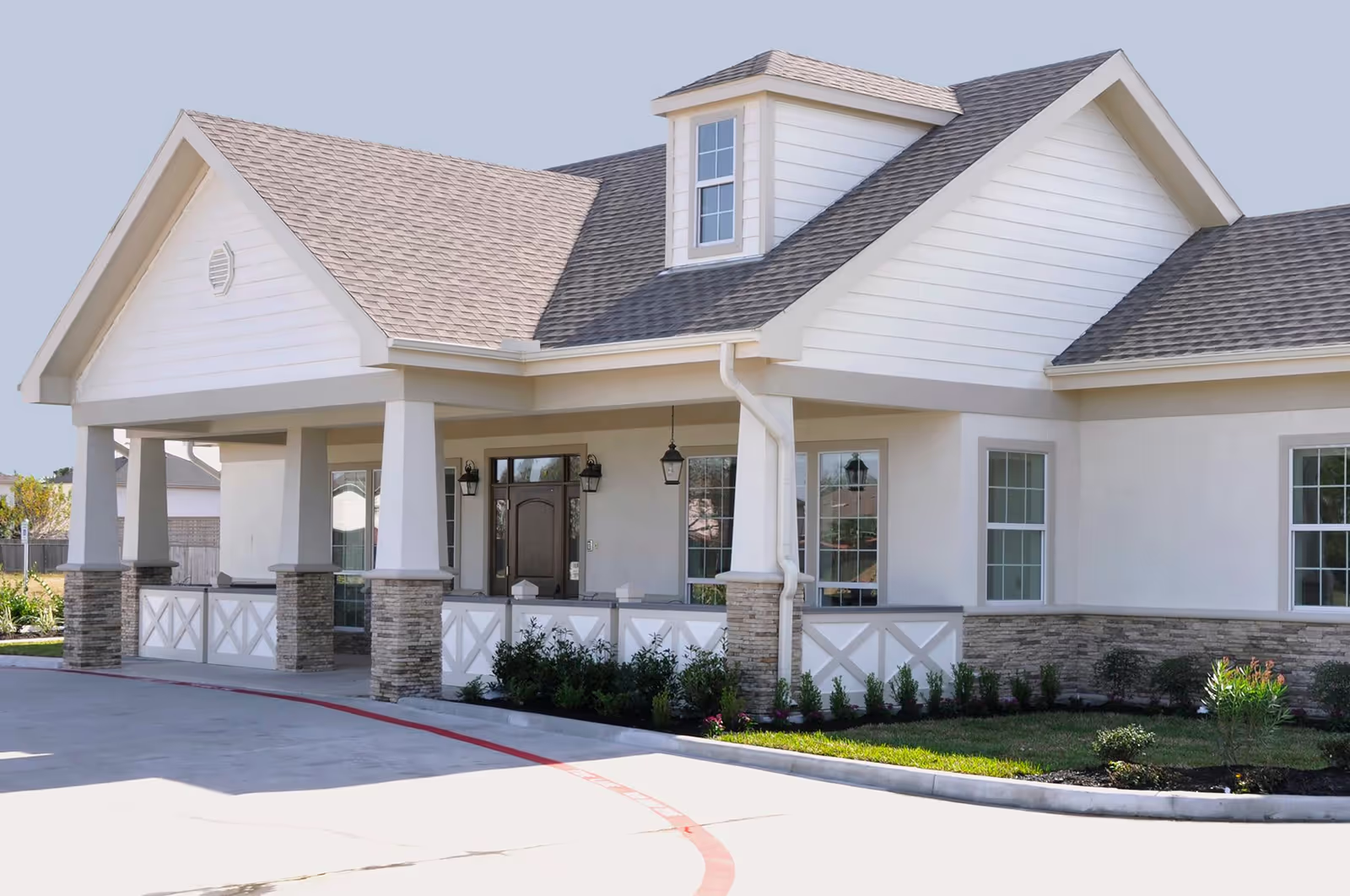
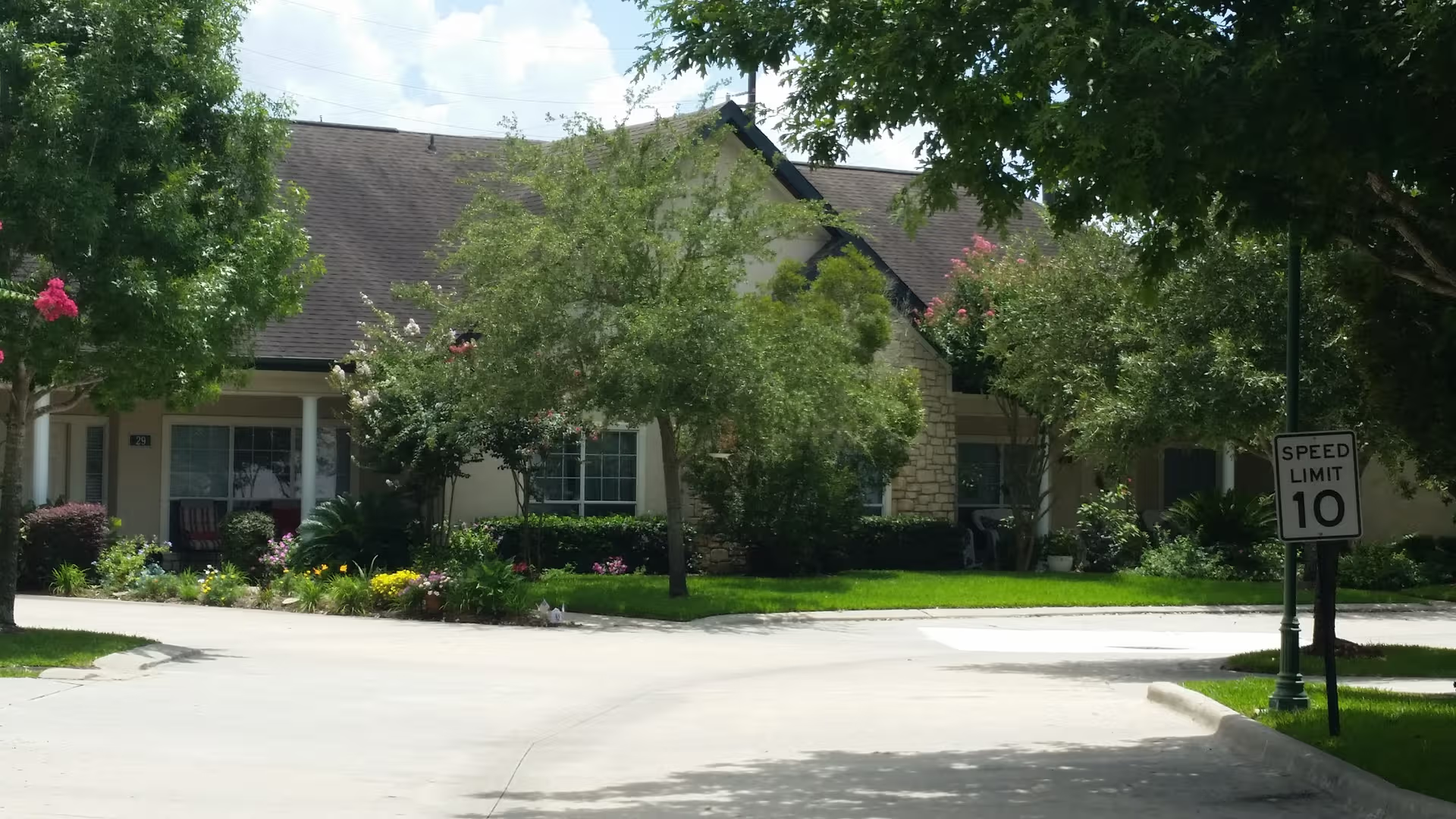
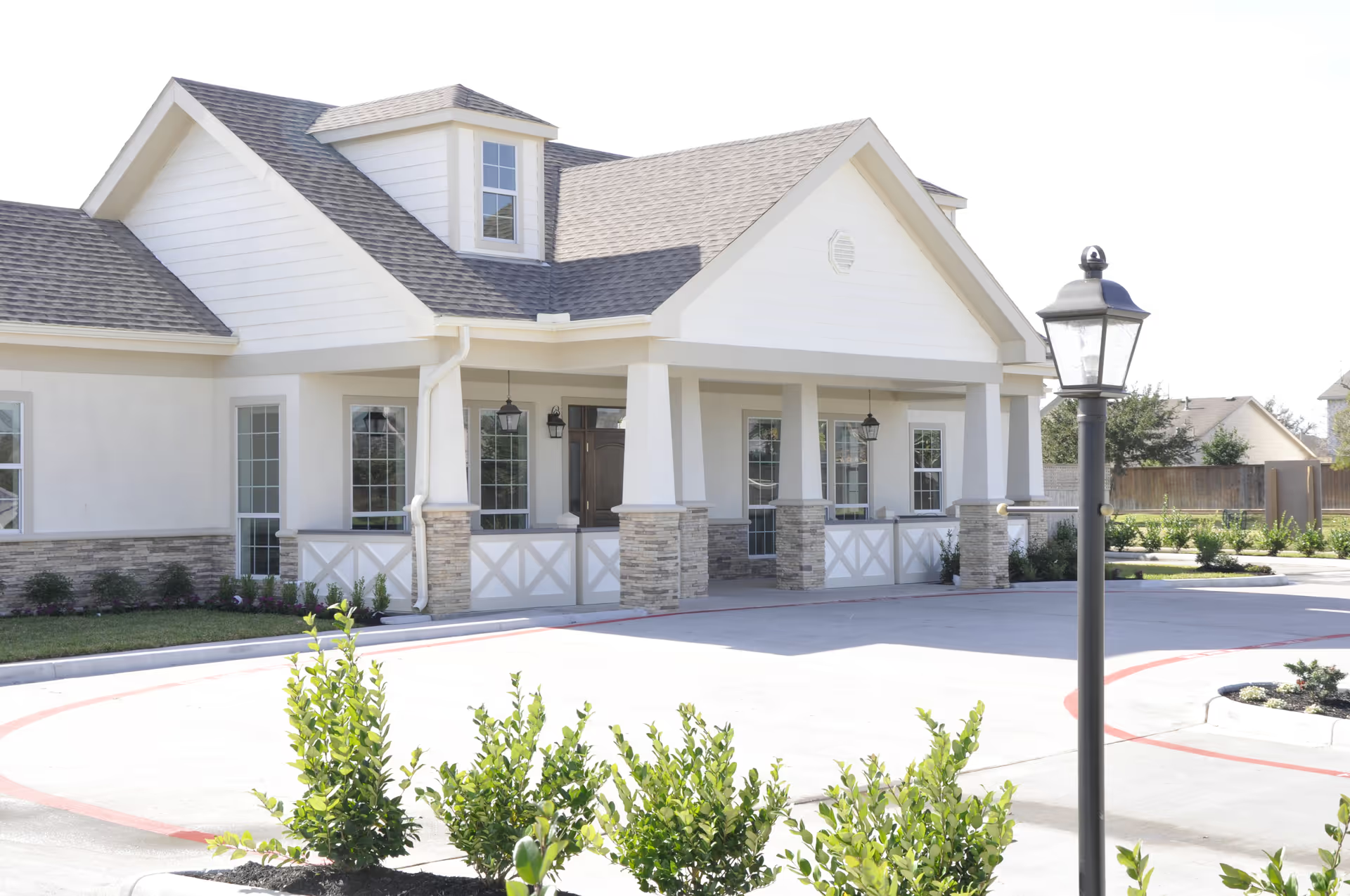
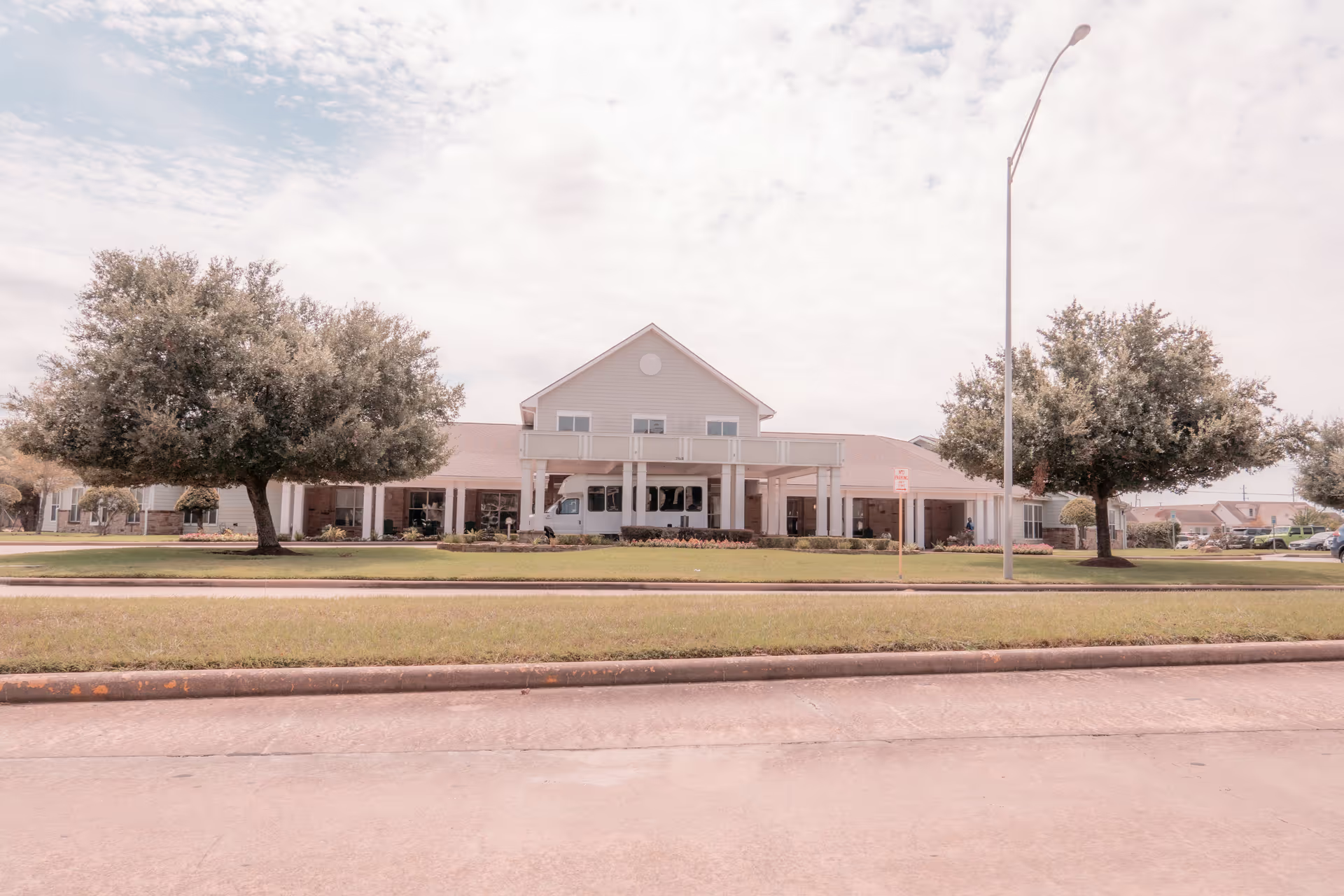
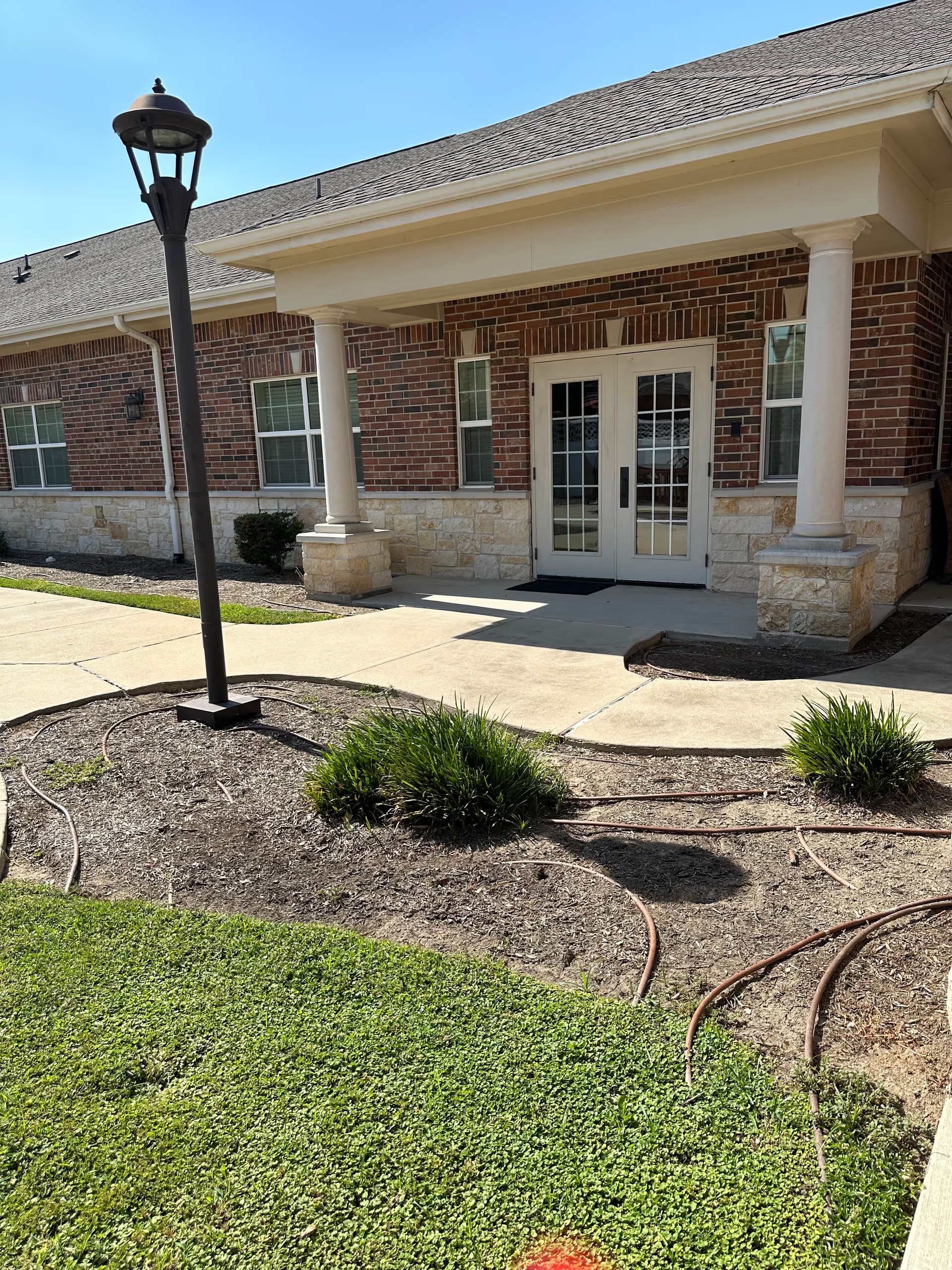
The building is often described as clean, attractive, and welcoming, and some reviewers particularly praise the common areas. In contrast, other accounts raise concerns about odors, room cleanliness, bathing and linen routines, maintenance, and one pest-control issue. Financial and administrative experiences also differ: admissions and business-office staff are praised for explaining Medicaid and insurance options, while other families describe delays involving billing, refunds, insurance submissions, or discharge paperwork. One family also described limited follow-up after an end-of-life stay. Given these differences, prospective residents and families may benefit from touring the relevant unit, speaking with nursing and therapy leadership, and confirming care, dietary, communication, and financial processes before admission.