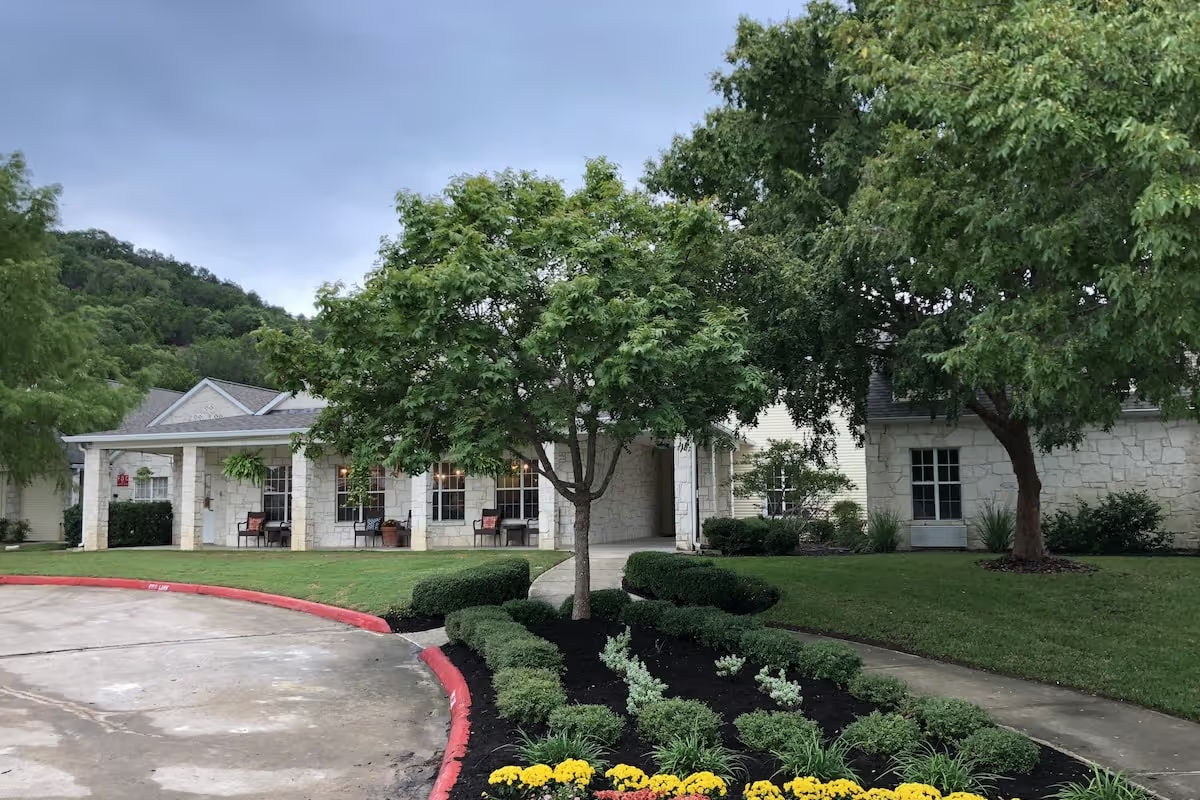
Reviews of Hilltop Village Nursing and Rehab are mixed but contain distinct, recurrent themes. Many families and residents praise the facility’s therapy and rehabilitation capabilities: physical and occupational therapy, wound care, and the large rehab gym are repeatedly described as effective and professional. Nursing and caregiving staff are frequently characterized as compassionate, respectful, and attentive; several accounts highlight staff who create a family-like atmosphere, maintain resident dignity, and provide good bedside care. Maintenance and move-in logistics receive positive mention, and the facility’s common areas, views, and chapel contribute to a pleasant ambience for residents and visitors.
Dining and activities are often cited as strengths. Multiple reviewers commend homemade, well-presented meals and a responsive nutrition team. Activity programming — including music, volunteering, caroling, bingo, and therapy-driven engagement — is described as robust in many accounts, and the facility’s entertainment and social offerings are a definite asset for socially engaged residents. At the same time, some families noted that activity engagement can be inconsistent for residents who are less social or less mobile.
Despite these positives, reviews indicate several operational weaknesses that prospective families should evaluate. Staffing consistency and coverage vary by shift; reviewers describe meaningful differences between daytime and late-night/overnight performance. Communication with families is uneven: phone responsiveness and callbacks have been a frequent concern, though a change in administration is credited by some with recent improvements. Clinical-process gaps are another recurring theme, including concerns about medication-administration controls, transfer-safety procedures, and post-incident follow-up. A small number of reviews raise serious concerns following a resident transfer and subsequent death; these instances are described as motivating family dissatisfaction with clinical incident response and investigation processes.
Facility-level issues also appear intermittently. Cleanliness and sanitation standards are praised in many areas but criticized in others, suggesting inconsistency across units or shifts. The building is described as older in places, with cramped shared rooms and an appearance that some reviewers feel could use updating. Administrative friction is reported in a few cases, including billing disputes and difficulty obtaining clear paperwork or timely resolution. Finally, visitation policies and scheduling constraints were described as restrictive by some families, which may affect caregivers’ ability to stay closely involved.
Overall, Hilltop Village demonstrates clear strengths in rehabilitation, therapy, nutrition, and in many instances compassionate caregiving. However, variability in staffing, communication, clinical-process controls, and unit-level cleanliness introduces risk and can produce very different family experiences. Prospective residents and their families should consider touring the unit(s) they would occupy, asking specific questions about staffing patterns by shift, medication and transfer-safety protocols, sanitation procedures, visitation flexibility, and the facility’s incident-investigation and family-notification practices. These targeted inquiries will help determine whether the facility’s strengths align with an individual resident’s clinical and social needs.