Experiences at River Hills Health and Rehabilitation vary substantially. Positive accounts frequently praise the therapy team, describing staff as knowledgeable, encouraging, and invested in residents’ progress. Families and residents also describe individualized attention, kind interactions, and support with transitions home. Other accounts raise concerns about nursing responsiveness, completion of routine care, and consistency of clinical oversight. Medication administration and documentation are recurring areas of concern, including reports of delays, errors, and limited clarity for families about medications and care plans. One reviewer also described concerns about physician and social-work decisions. These accounts contrast with families who describe attentive care and clear communication, so prospective residents may wish to ask how medication changes, care plans, and concerns are reviewed and communicated.
Staff experiences are similarly mixed. Many positive comments describe compassionate, respectful employees and specific staff members who build rapport with residents. At the same time, negative accounts describe uneven responsiveness, frequent staff changes, and reliance on agency workers. Weekend and holiday coverage is a particular concern in some accounts, including limited therapy and reduced access to administrative or support staff. Families also describe difficulty reaching staff by phone or receiving return calls. Several accounts mention inconsistent bathing and incontinence-care routines, and concerns about staff attention during visits.
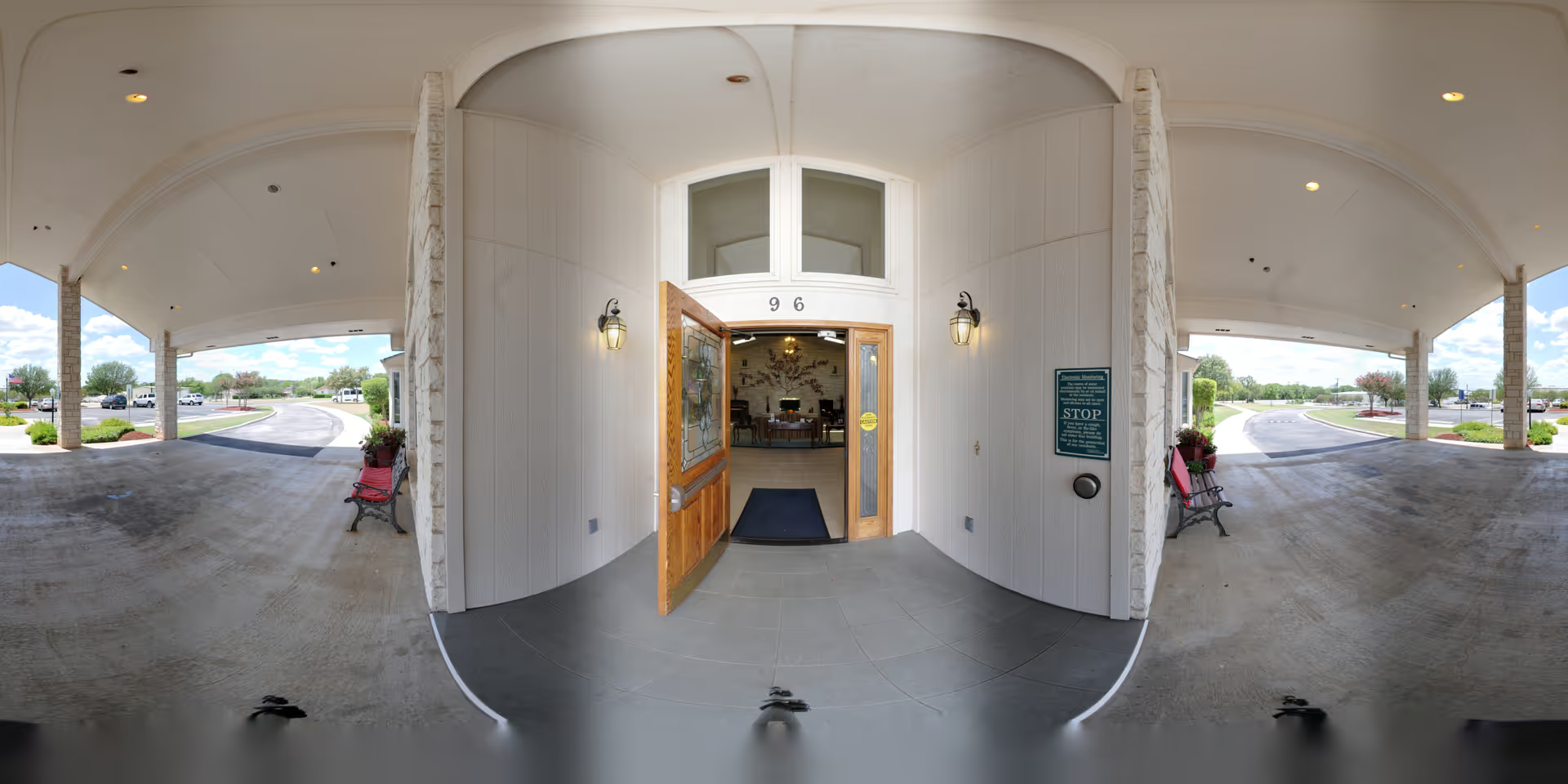
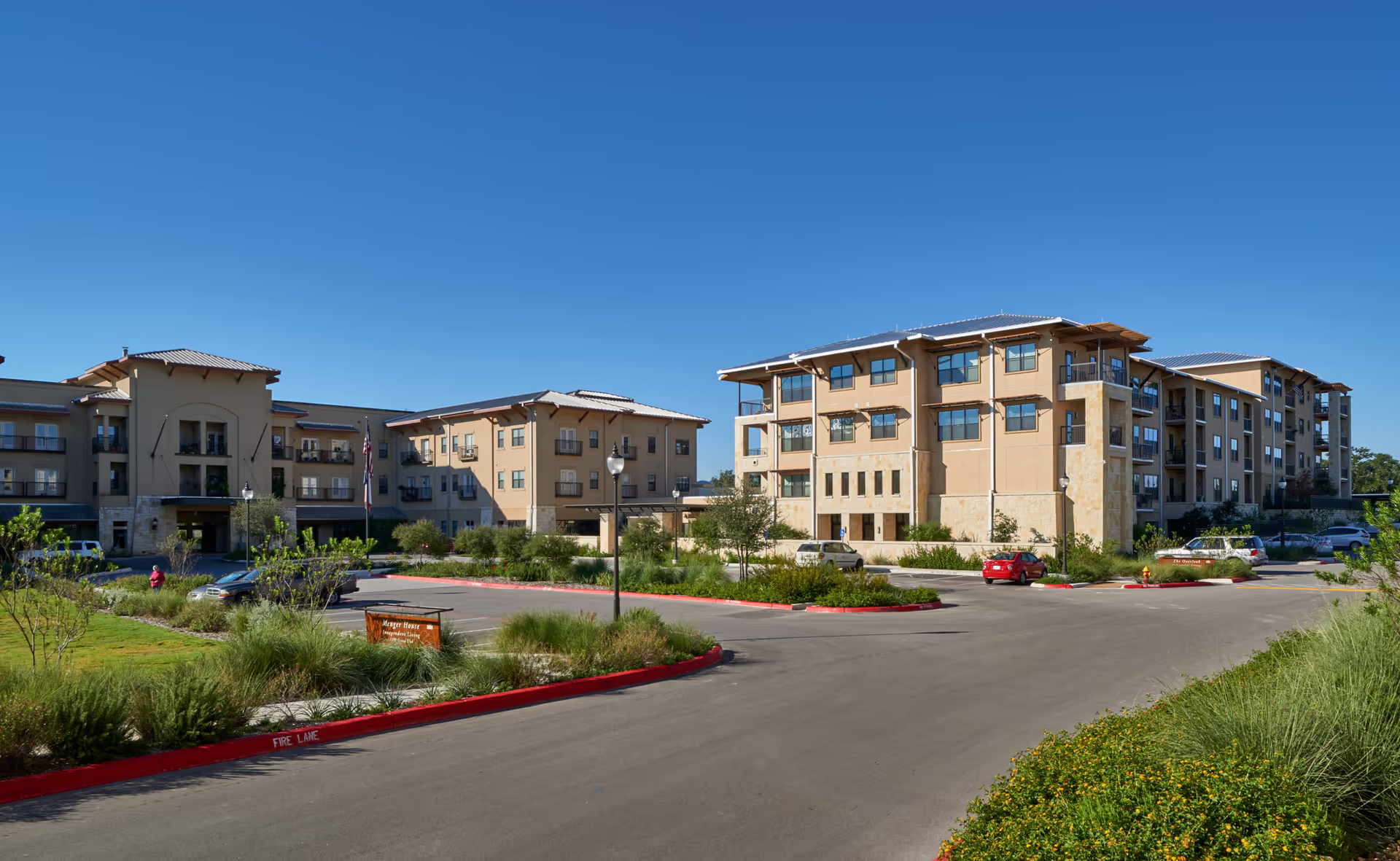
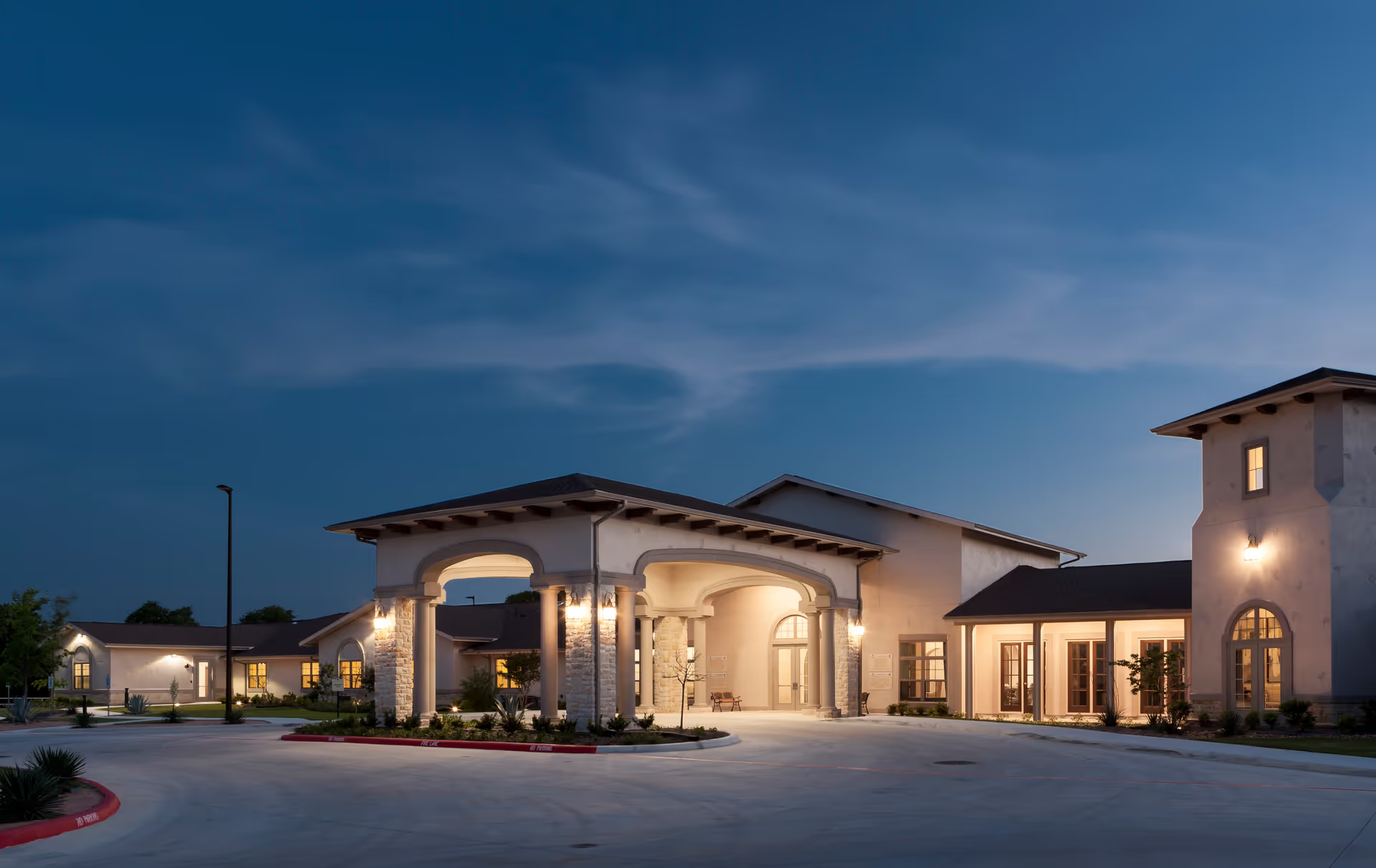
Dining feedback is notably inconsistent. Some residents and families describe meals positively, while others cite poor taste or temperature, limited accommodation of special diets, and occasional supply shortages or meal-service errors. Activities are a relative strength in favorable accounts: reviewers mention group games, music, social gatherings, spiritual programming, and recognition of veterans. The building itself is often described as attractive, welcoming, and clean, with amenities and shared spaces; other accounts raise concerns about cleanliness, room conditions, laundry and clothing management, temperature control, and equipment maintenance.
Management and overall quality also receive sharply different assessments. Some families praise leadership and admissions staff for answering questions, arranging tours, and helping them feel confident in choosing the facility. Other accounts describe management turnover, communication gaps, and concerns about follow-through and accountability. One review cites CMS special-focus monitoring during a period between August 2024 and July 2025 and a 2025 penalty of $74,915; families may wish to verify current regulatory information directly. End-of-life experiences are also mixed: one family described concerns about support during a short terminal stay, while another praised compassionate care during a prolonged stay. Overall, the reviews suggest strong therapy and meaningful staff relationships for some residents, alongside recurring concerns about staffing consistency, clinical processes, communication, dining, and day-to-day care routines.