Avir at Killeen elicits strongly polarized feedback. Many families praise the facility’s physical environment, rehabilitation services, and several individual staff members who provide clear communication and advocacy. At the same time, a substantial set of concerns appears repeatedly around staffing, clinical consistency, and administrative reliability. Prospective residents and families will see both clear strengths and operational variability reflected in these reviews.
Care and staff: The facility is frequently credited for a capable therapy team (PT/OT) and for nursing leaders who maintain care plans and communicate with families. Named staff within admissions, case management, and therapy are highlighted for going above and beyond, assisting with Medicaid and paperwork, and calming families during transitions. However, there is a recurrent pattern of inconsistent bedside nursing performance: delayed responses to call lights, uneven personal-care schedules (including bathing and incontinence-care delays), and occasional gaps in medication administration or documentation. These patterns suggest variability in front-line staffing, staff training, and clinical oversight across shifts.
Dining and activities: Reviews describe a full activities program — organized crafts, music (piano), church services, and social programming — and several amenities such as a gift shop, beautician services, and an on-site store. The building layout (atrium, indoor courtyard, therapy rooms) supports social engagement. Dining impressions are mixed: some note balanced meals and pleasant dining areas, while others cite inconsistent meal quality, temperature issues, missing condiments, and portion/texture concerns for residents with special needs.
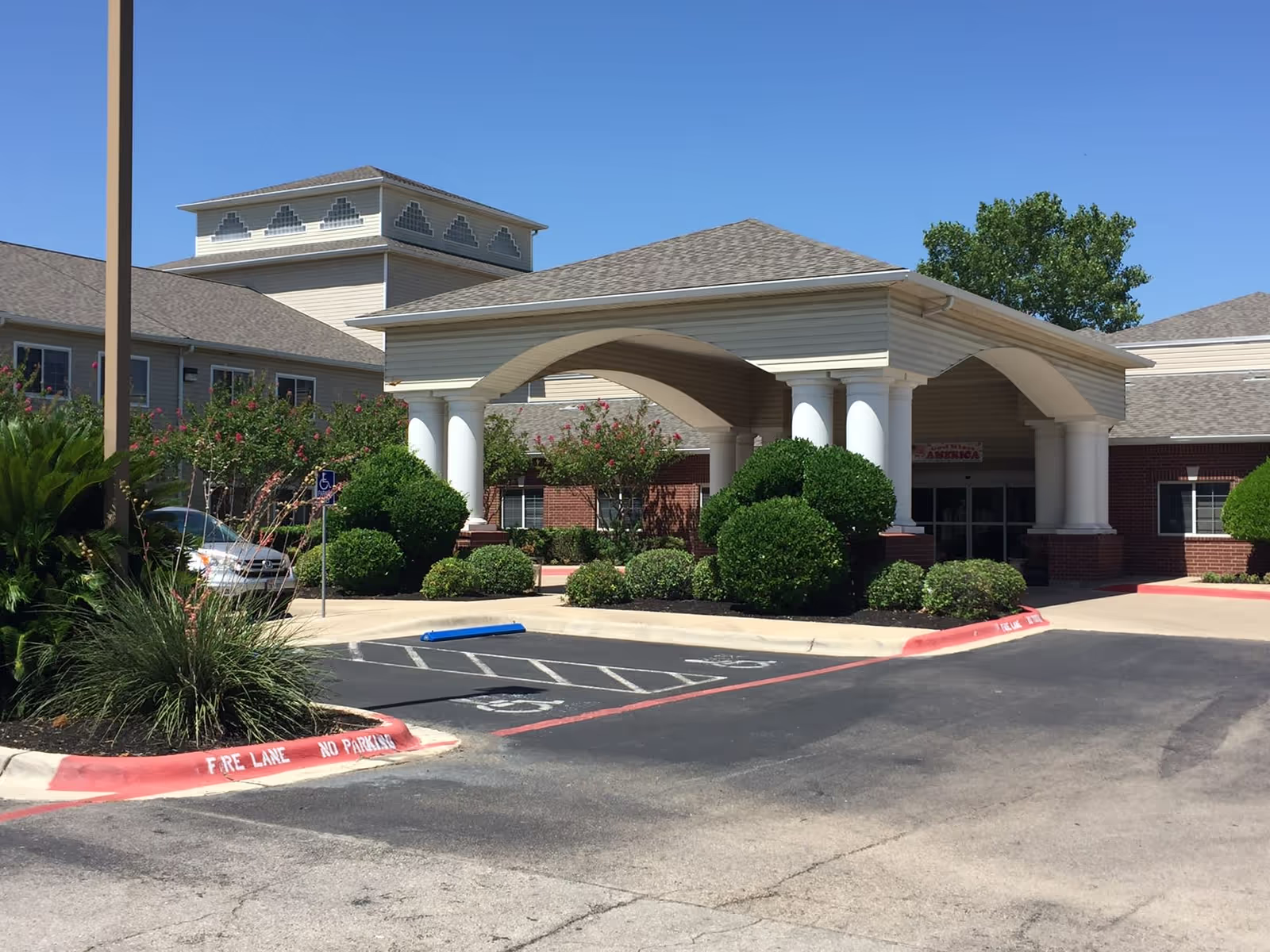
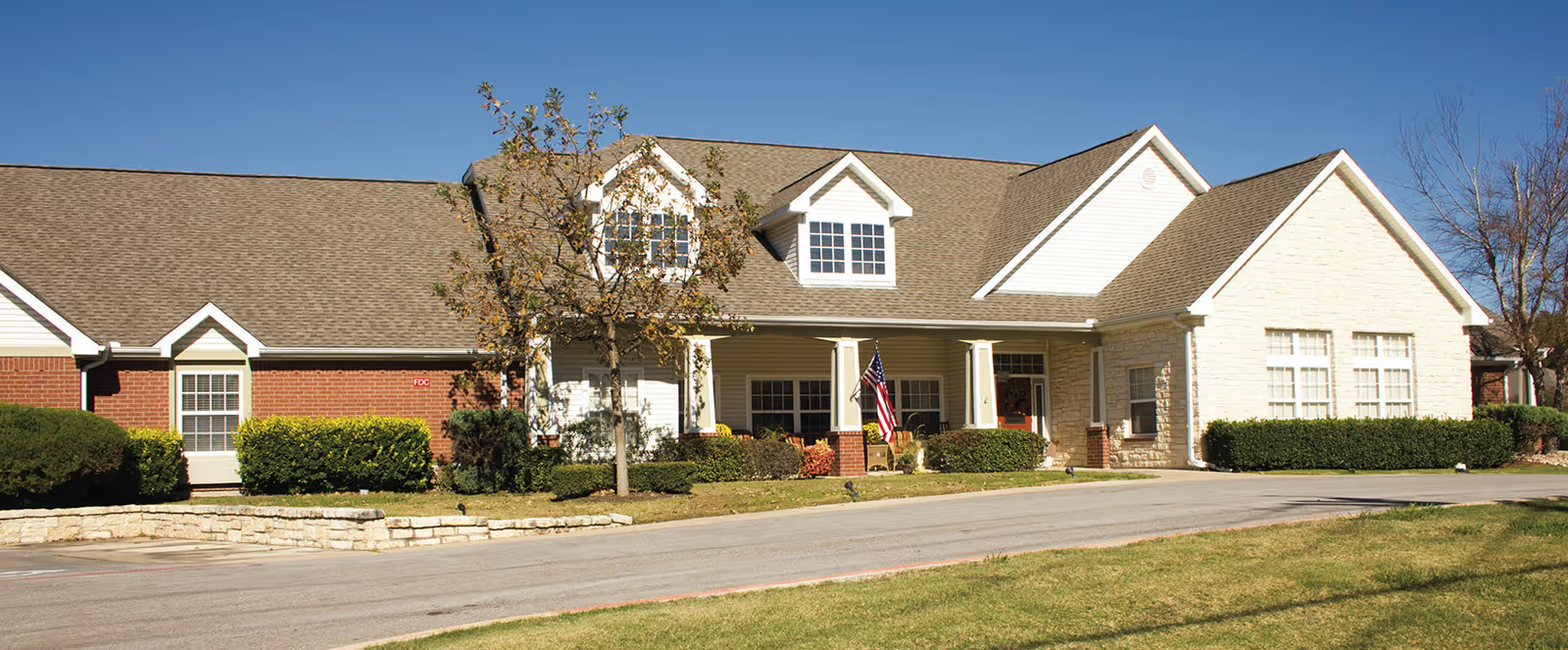
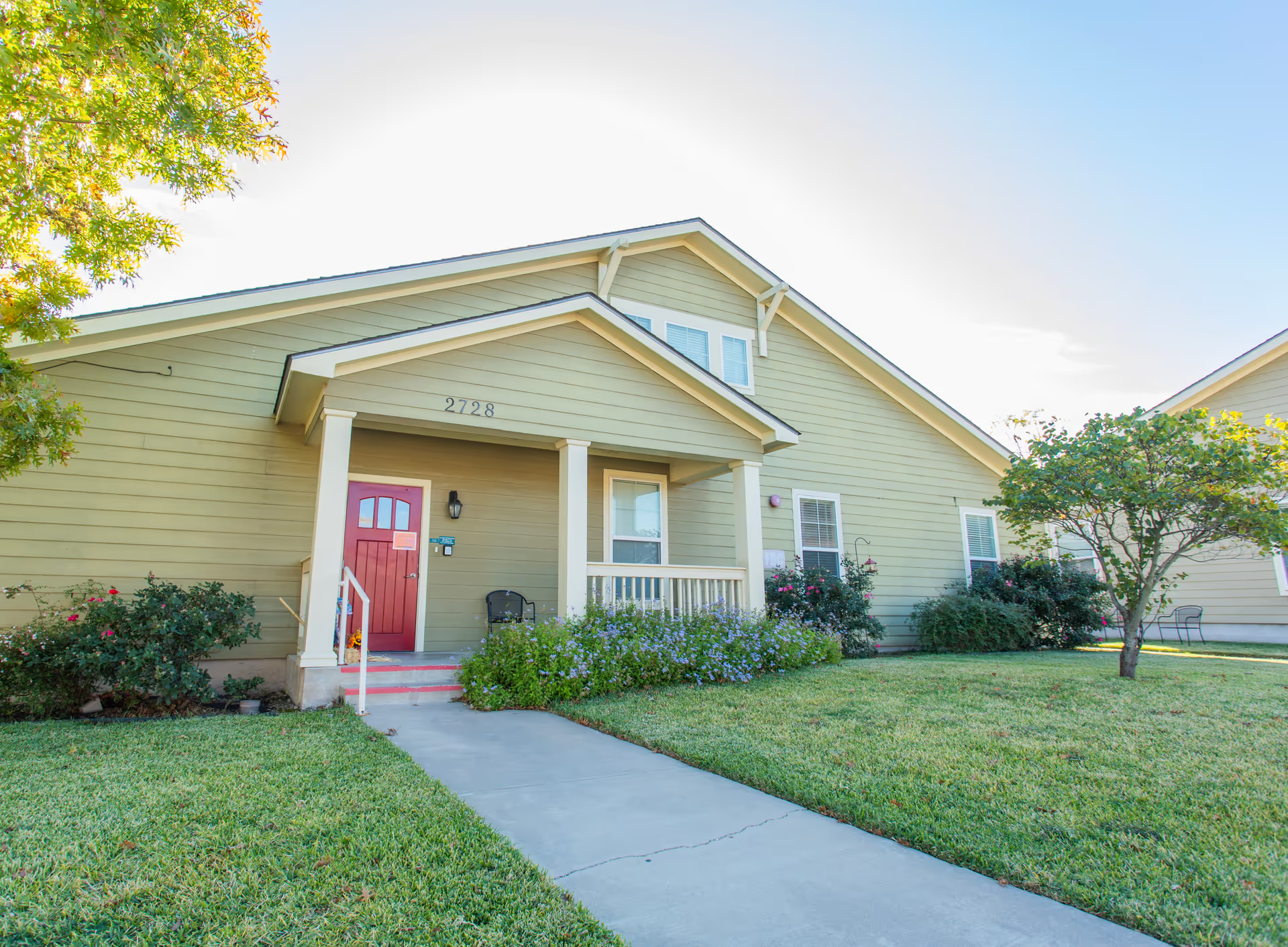
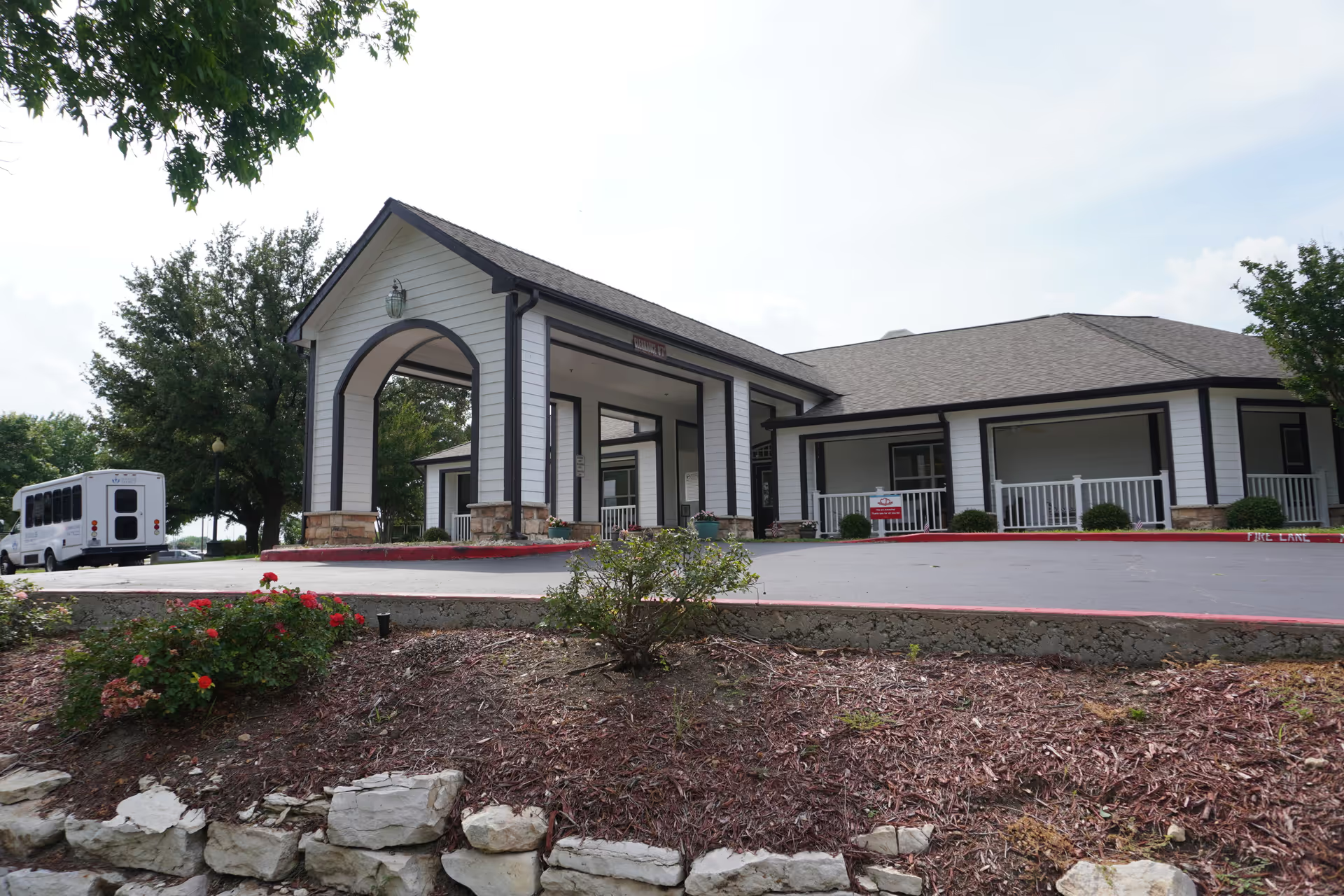
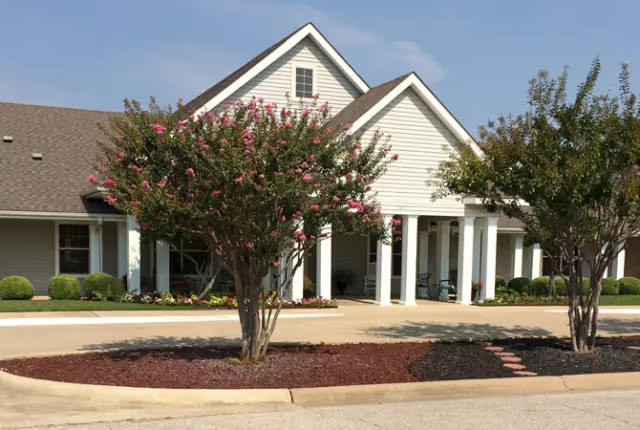
Facilities and environment: The campus is frequently described as new, clean, and well maintained with private rooms, climate control, landscaped courtyards, and well-equipped therapy spaces. Contrasting accounts cite sanitation and pest-control concerns in specific areas and maintenance lapses. These contradictory observations reinforce the overall pattern of uneven operational consistency — physical plant and common areas are strengths when regularly maintained, but there are reports that some zones fall short of the facility’s generally positive appearance.
Management and communication: Admissions and marketing staff receive consistent praise for helpfulness, Medicaid assistance, and follow-up; several families singled out individuals who facilitated transitions. Conversely, administrative communication and customer-service performance are a common source of frustration: lost paperwork, slow phone responses, unclear pricing, and perceived discourteous interactions. There are also serious individual allegations, including theft and privacy breaches, and references to regulatory complaints. Such claims warrant direct inquiry by prospective families and review of the facility’s state inspection and complaint history.
Notable patterns and guidance: The dominant operational theme is variability — excellent rehabilitation outcomes and committed individual staff members coexist with recurring complaints about understaffing, inconsistent nursing care, and administrative shortcomings. For families considering placement, recommended actions include: ask for current staffing ratios by shift, request written care-plan examples and medication-administration protocols, review recent state inspection reports and complaint dispositions, confirm infection-control and visitation policies, and tour multiple rooms/units rather than a single model room. These steps can help clarify whether the facility’s strengths align with the specific clinical and supervision needs of a prospective resident.