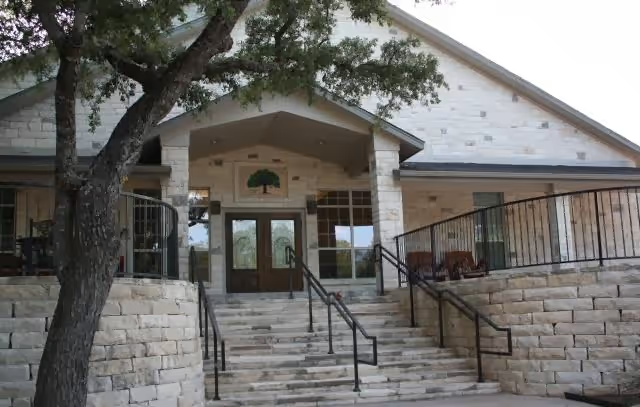
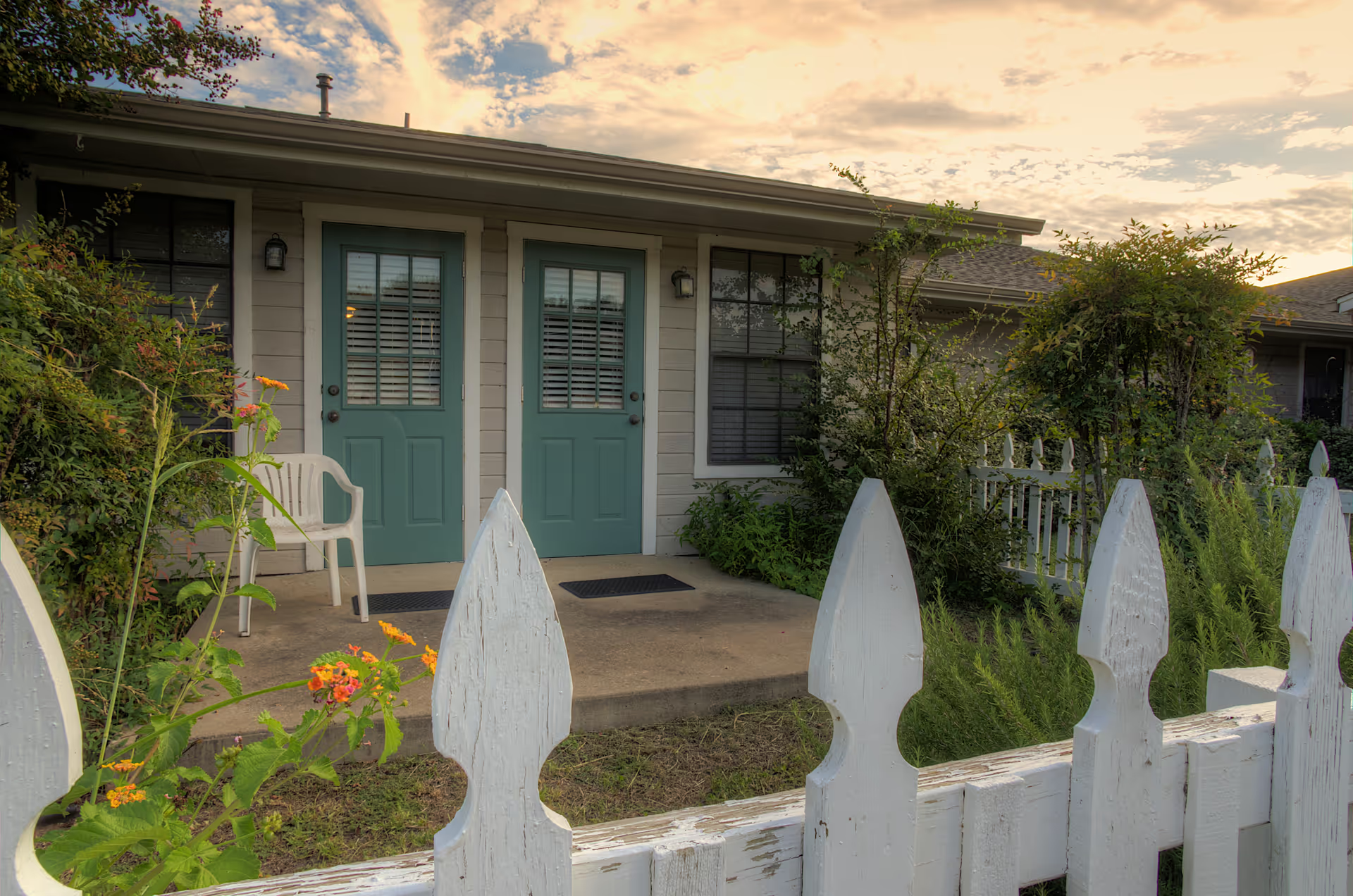
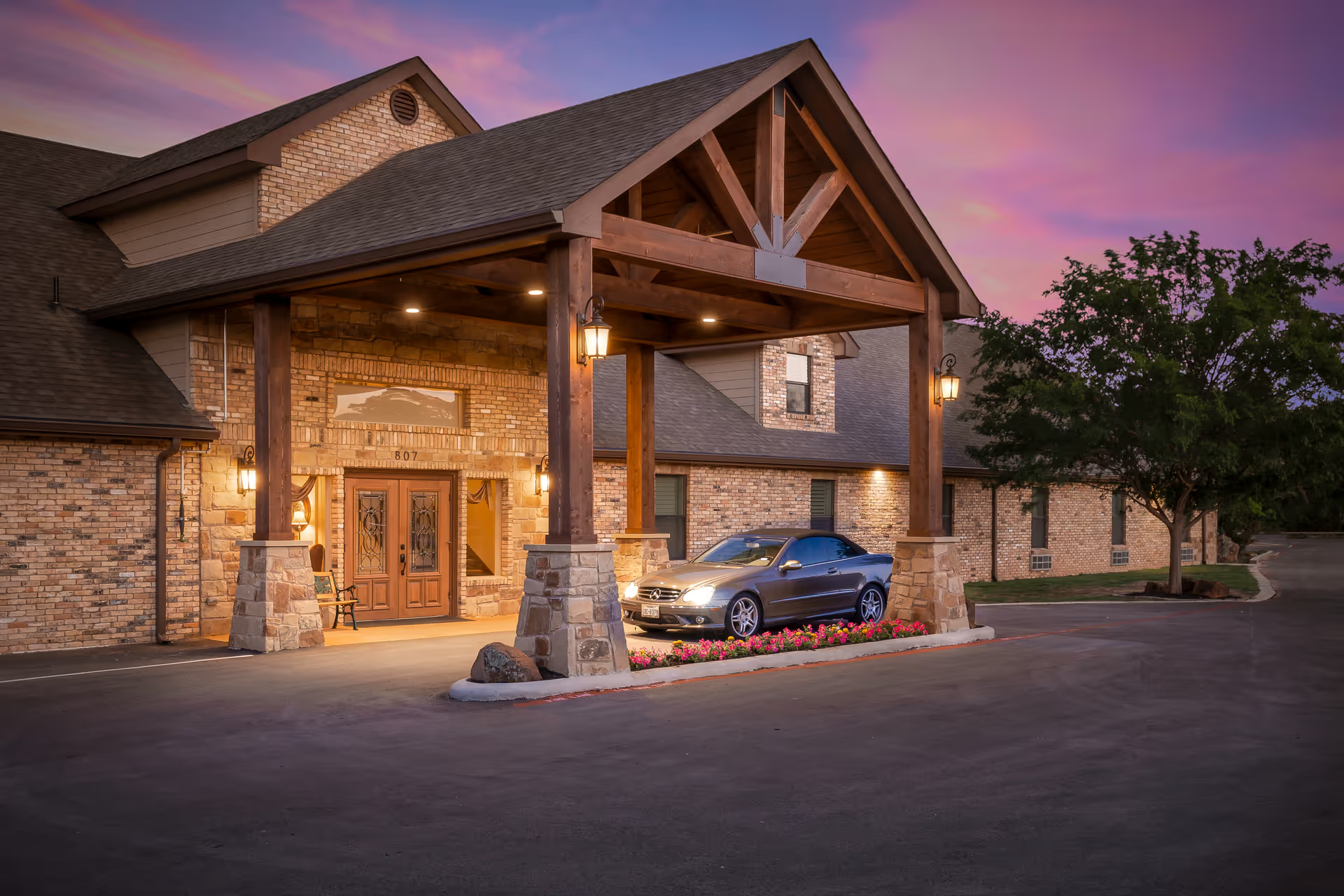
Arbor House Assisted Living and Memory Care - Llano presents as a small, home-like facility with a number of strengths that families consistently cited. The community size and atmosphere are repeatedly described as intimate and welcoming; private studios are noted for having generous bathroom and closet space, which supports resident comfort and independence. The facility’s location and residential feel were viewed positively by many families, and nursing staff received multiple mentions as helpful and professional.
Care quality is characterized by compassion and attentiveness. Reviewers emphasized caring interactions in both assisted living and the memory-care unit, with several families noting personalized attention and follow-up support after bereavement. Staff responsiveness to resident needs and a willingness to work flexibly with families are recurring positives. That said, there is a pattern of variable staff consistency: friendliness and conduct were described as uneven at times, and staffing numbers were flagged as a limiting factor. These operational constraints appear to affect day-to-day delivery of care during busier periods.
Dining and programming are broadly adequate. Meals were described as good to adequate, and the facility offers organized activities such as arts and crafts, games, and group events that support engagement. However, activity programming may not fully meet the needs of residents with limited mobility; reviewers indicated a desire for more tailored, low-mobility options and greater variety for less-active residents.
Facility infrastructure and management practices present mixed signals. The building is older, which reviewers identified as an observable trait; physical updates and ongoing maintenance needs are implied by comments about the facility’s age. A specific operational concern involves security and access-control procedures, which some families found problematic. Communication from management to families received mixed evaluations: owner involvement and individualized financial support were appreciated, and several families praised proactive follow-up, yet others described inconsistent communication and gaps in information-sharing.
Overall, Arbor House may be a good fit for residents and families seeking a small, residential environment with compassionate staff and available memory-care supports, particularly in earlier stages of cognitive decline. Prospective families should weigh the strengths in personalized care and owner engagement against operational limitations such as staffing levels, variable dementia-care training, older facilities, and the need for more inclusive activity programming for low-mobility residents. Asking specific questions about staffing ratios, dementia-care training, activity adaptations, security procedures, and planned facility updates will help families determine alignment with their expectations and care needs.