The reviews present a polarized view of Heritage House of Marshall Health & Rehabilitation Center: many families and former residents describe a clean, modern facility with strong therapy and wound-care services and courteous, organized staff, while other accounts identify operational gaps in personal care, communication, and housekeeping. This creates a pattern of overall strong clinical and rehabilitation capabilities paired with variability in day-to-day resident support and family liaison.
Care quality and clinical services receive frequent praise for postoperative rehabilitation, organized therapy programs, and effective wound-care nursing. Several reviewers specifically highlighted positive outcomes after knee replacement and situations where nursing staff resolved wound concerns. At the same time, there are consistent concerns about inconsistent personal-care delivery (missed or irregular bathing and room maintenance), delays in attending to toileting or incontinence-related needs, and indications of pressure-injury (skin integrity) problems for at least some residents. Additionally, some families described challenges when residents with cognitive impairment required more support, suggesting dementia-care readiness can be uneven.
Staff and management impressions are mixed. Many reviewers describe staff and administration as professional, caring, and attentive, noting pleasant interpersonal interactions and organized processes. Conversely, other reviewers described staff who seemed inexperienced or unprepared for specific clinical needs; these comments point to variability in staff training, experience, and consistency of practice. Communication with families also shows variability: positive accounts mention proactive planning and family satisfaction, while negative accounts note delayed or absent notification to power-of-attorney designees and disputes over billing. A small number of serious individual claims about inappropriate physical handling and concerning conduct were described; such allegations are significant and warrant investigation by families and regulators as appropriate.
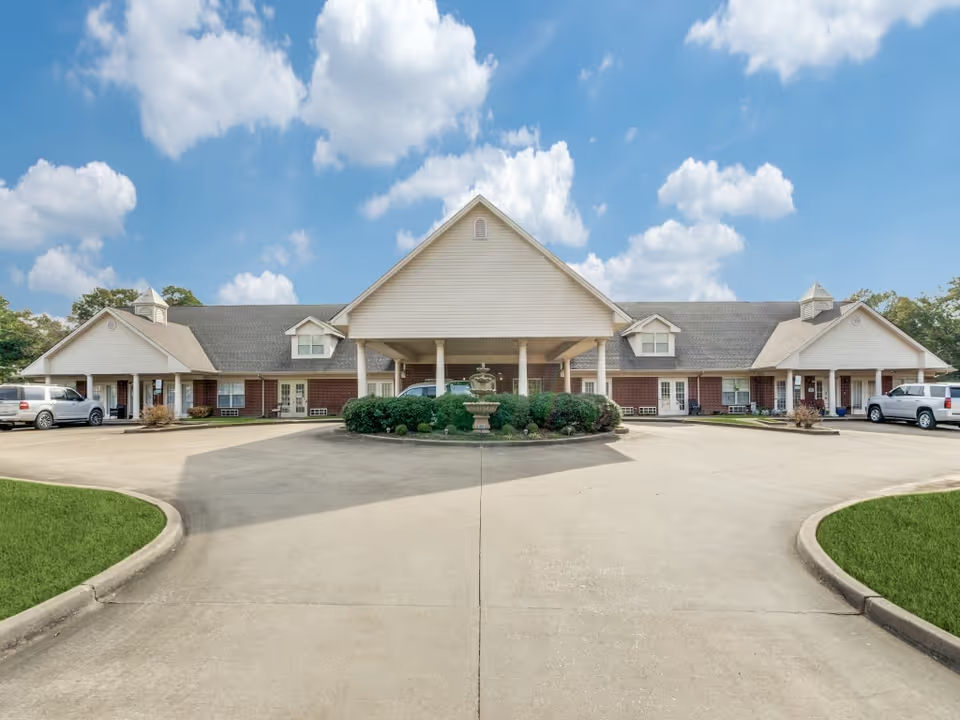
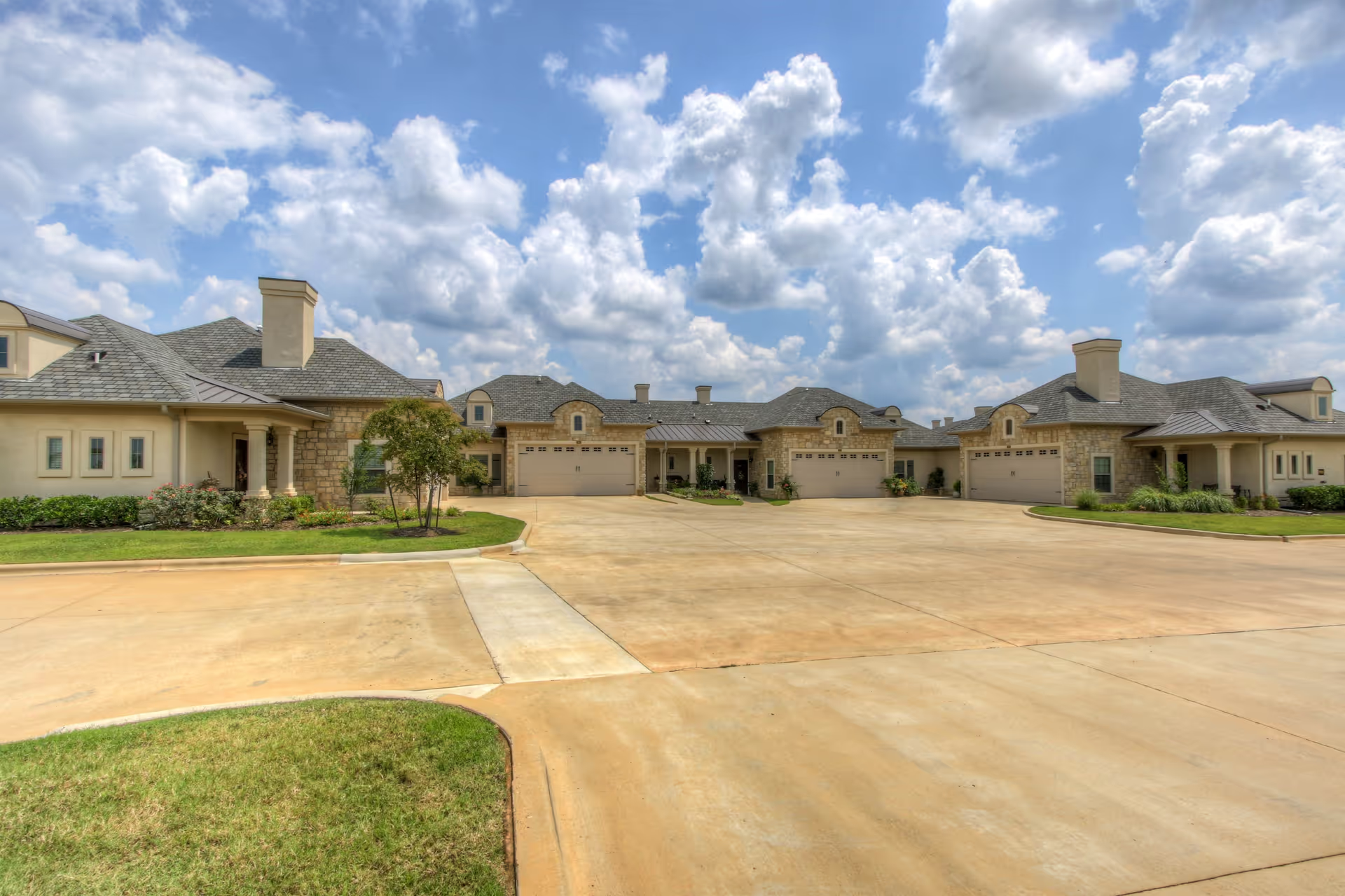
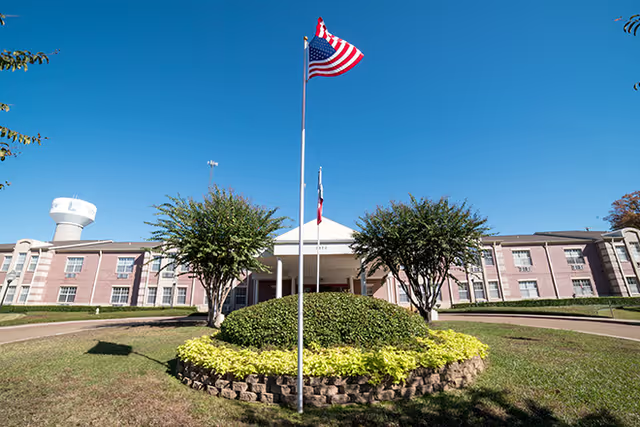
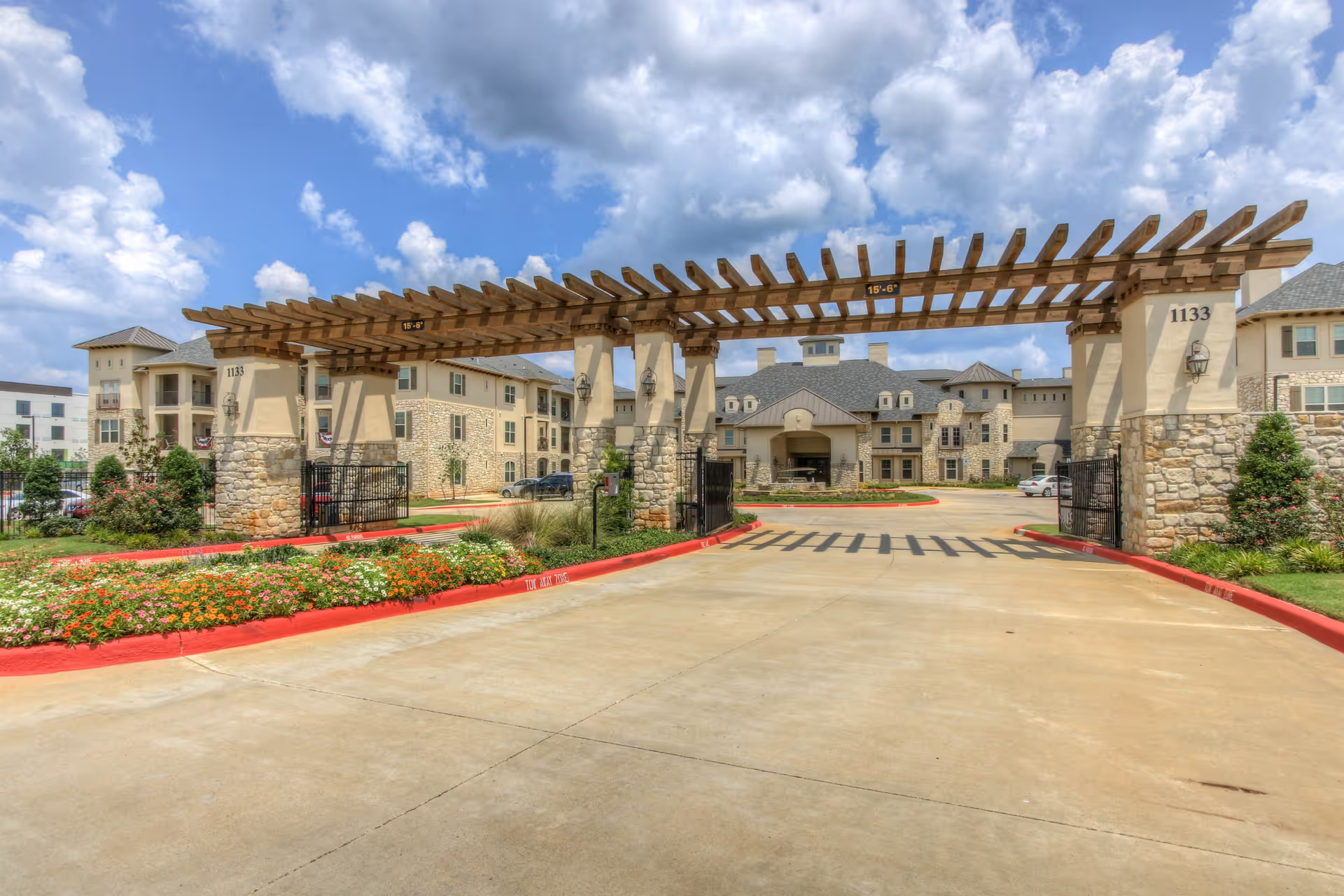
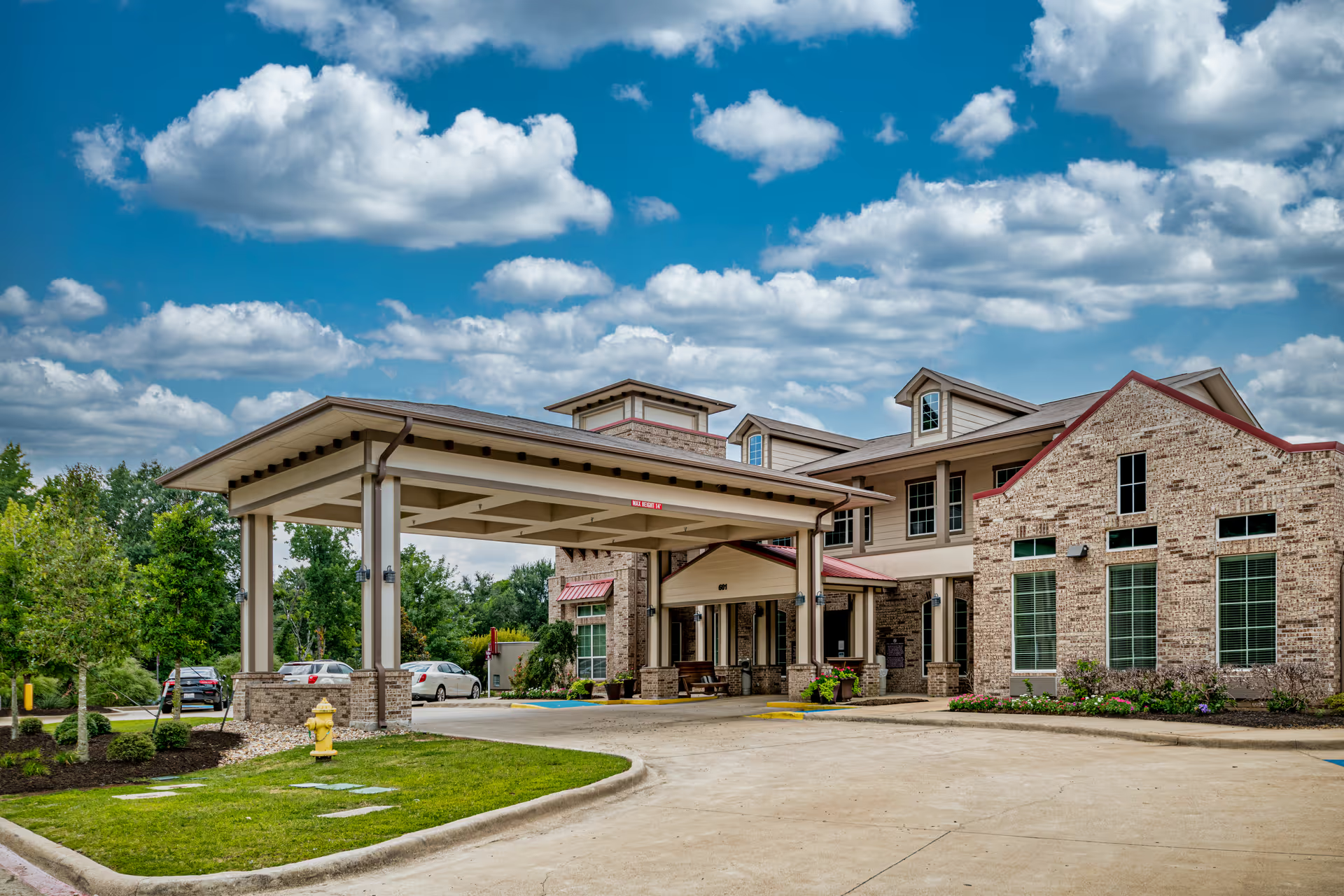
Dining, activities, and the physical environment are generally regarded as strengths. The facility’s lobby, cafeteria, recreation spaces, and overall maintenance are frequently praised, and activity offerings (physical therapy, group exercises, singing, religious visits) are cited as contributing to resident engagement. At the same time, some reviewers reported sanitation or odor concerns and inconsistent room housekeeping, indicating cleanliness standards may vary by unit or shift.
Notable patterns for prospective residents and families: strengths appear concentrated in rehabilitation, wound care, and communal amenities, while operational consistency—particularly in personal care routines, dementia-specific assistance, family communication, and billing transparency—appears variable. When evaluating this facility, consider asking about staff training levels and turnover, staffing ratios for the unit you expect to use, protocols for pressure-injury prevention and dementia-care, family notification and incident-reporting procedures, and billing practices. Observing mealtimes, activities, and a resident room visit at different times of day can help assess consistency between the facility’s marketing and actual day-to-day care.