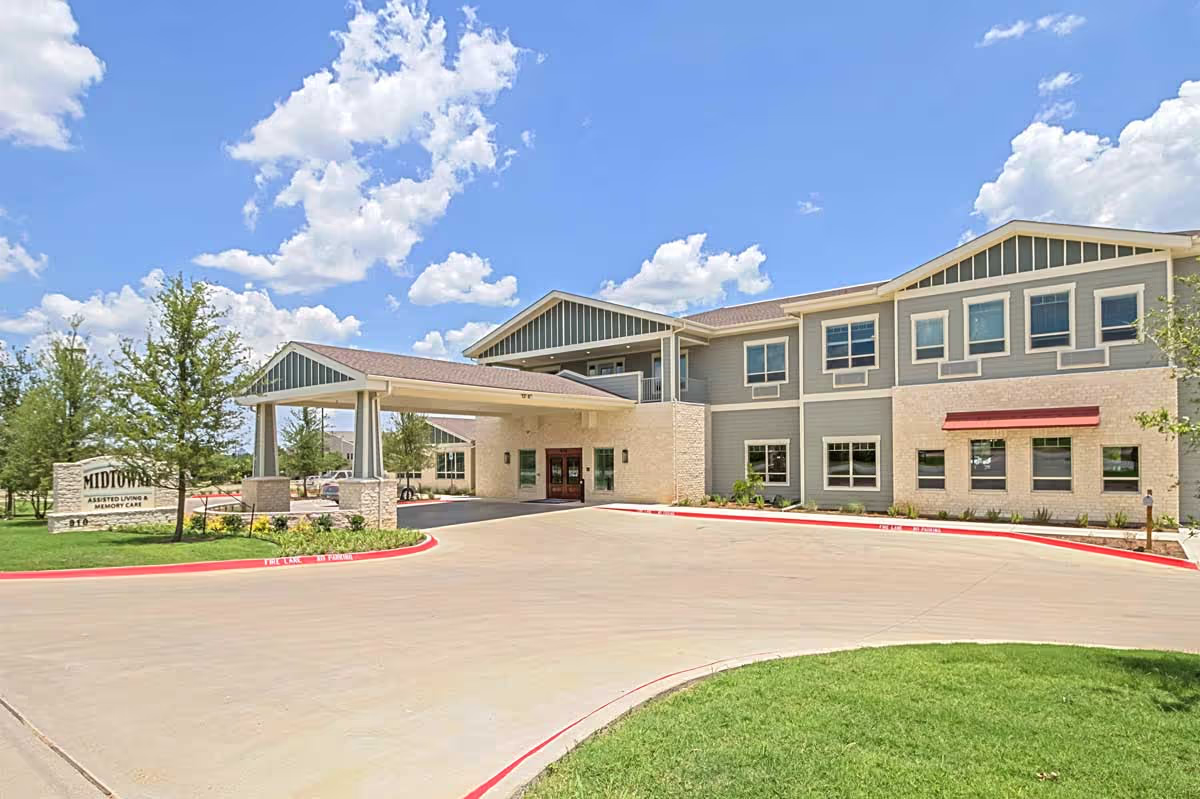
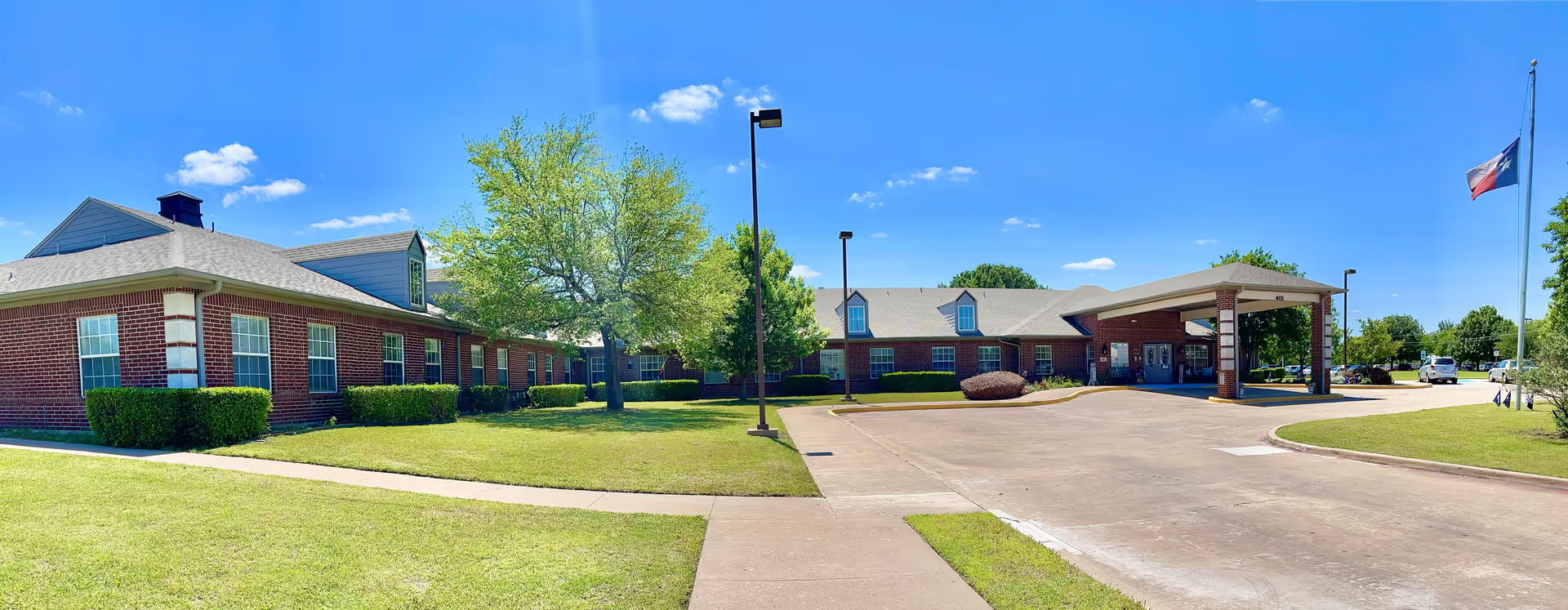
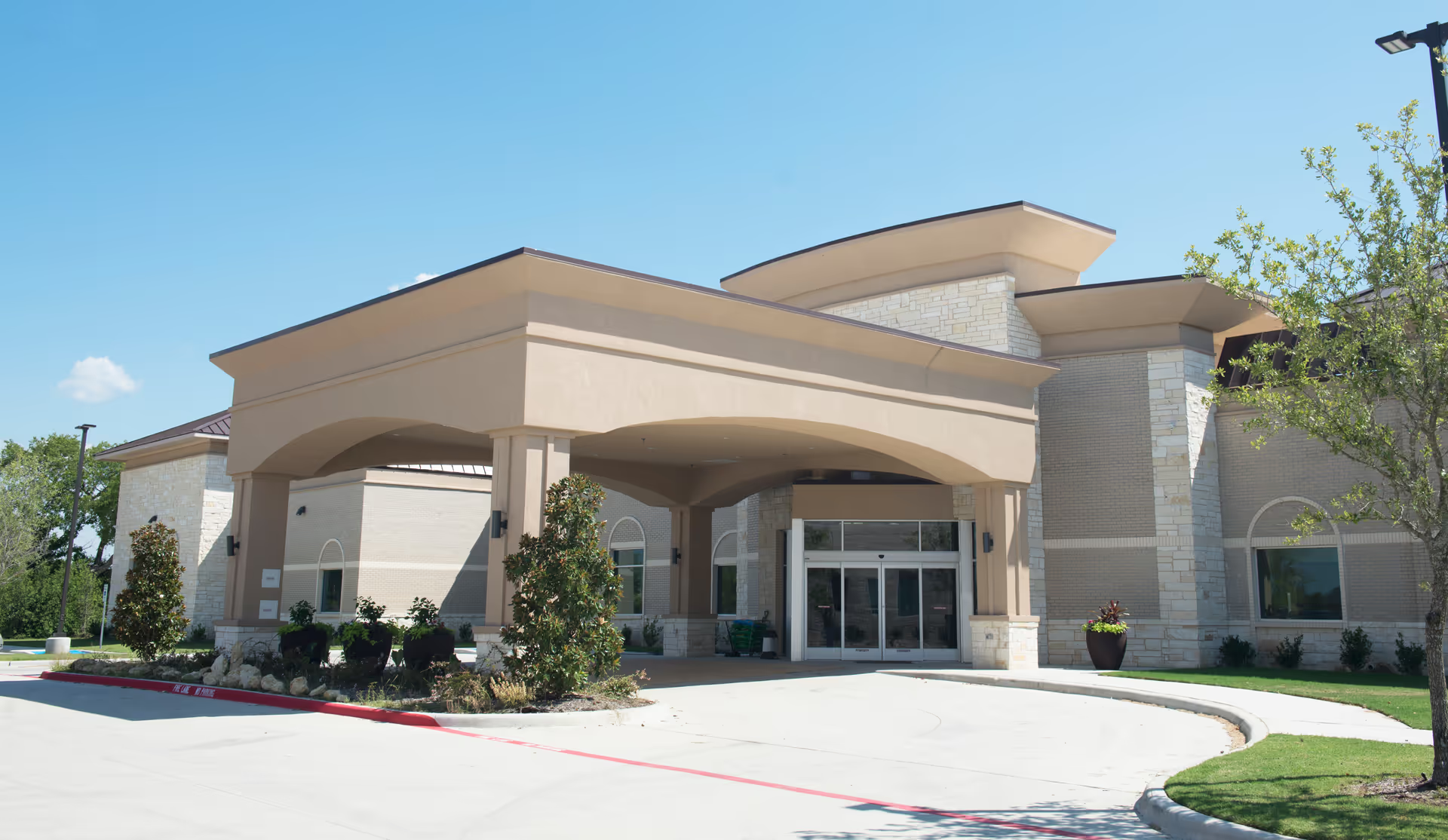
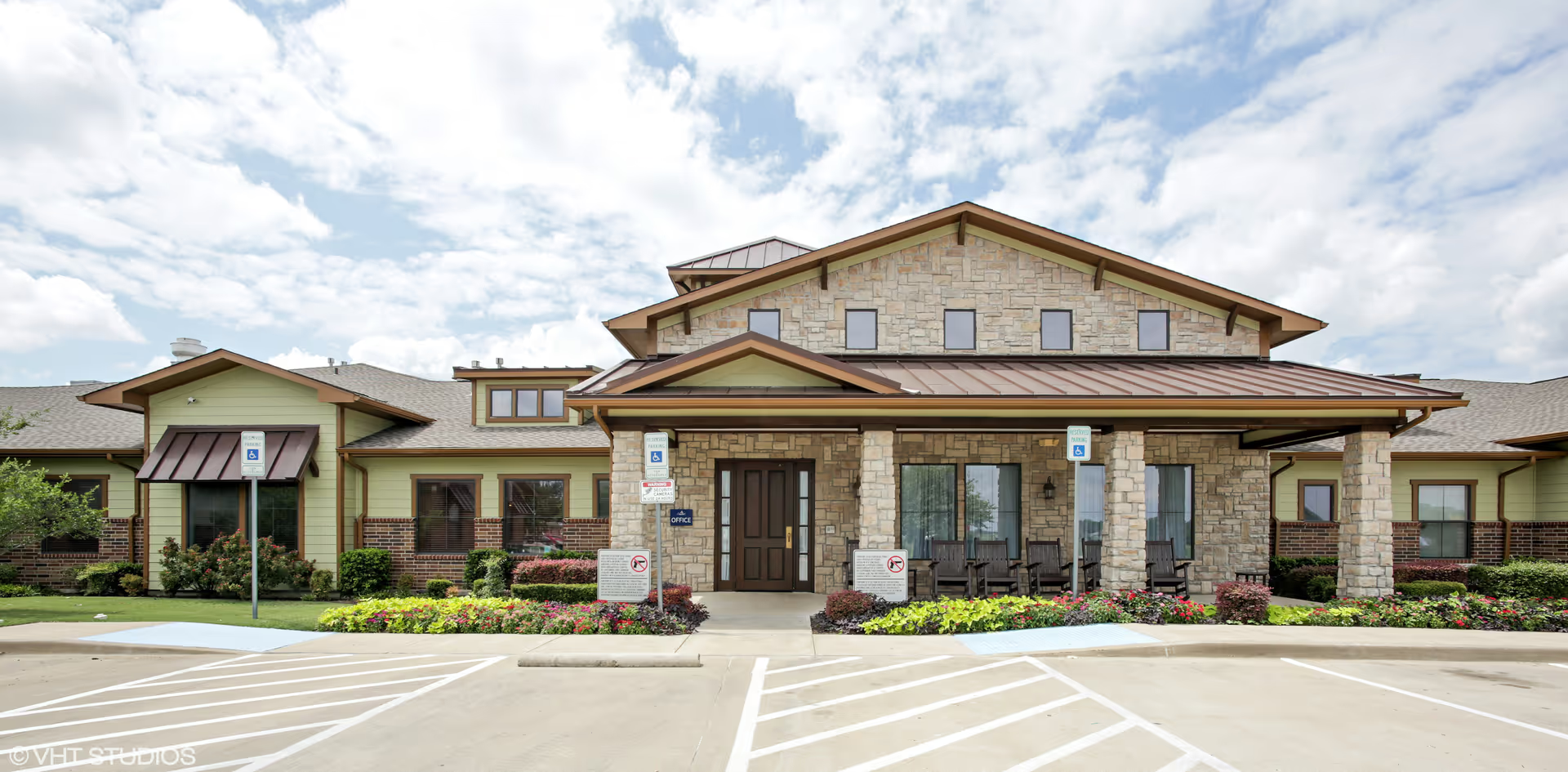
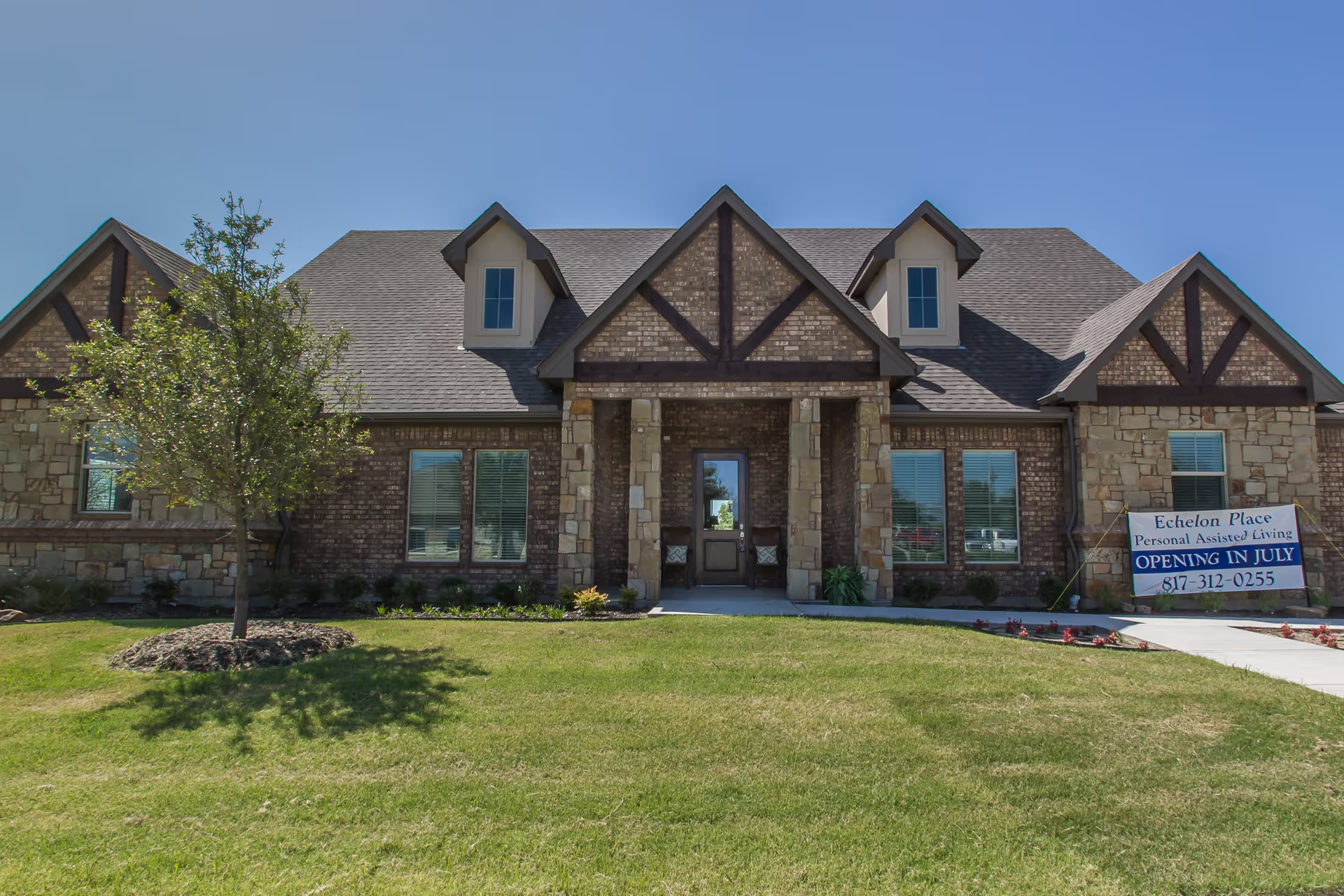
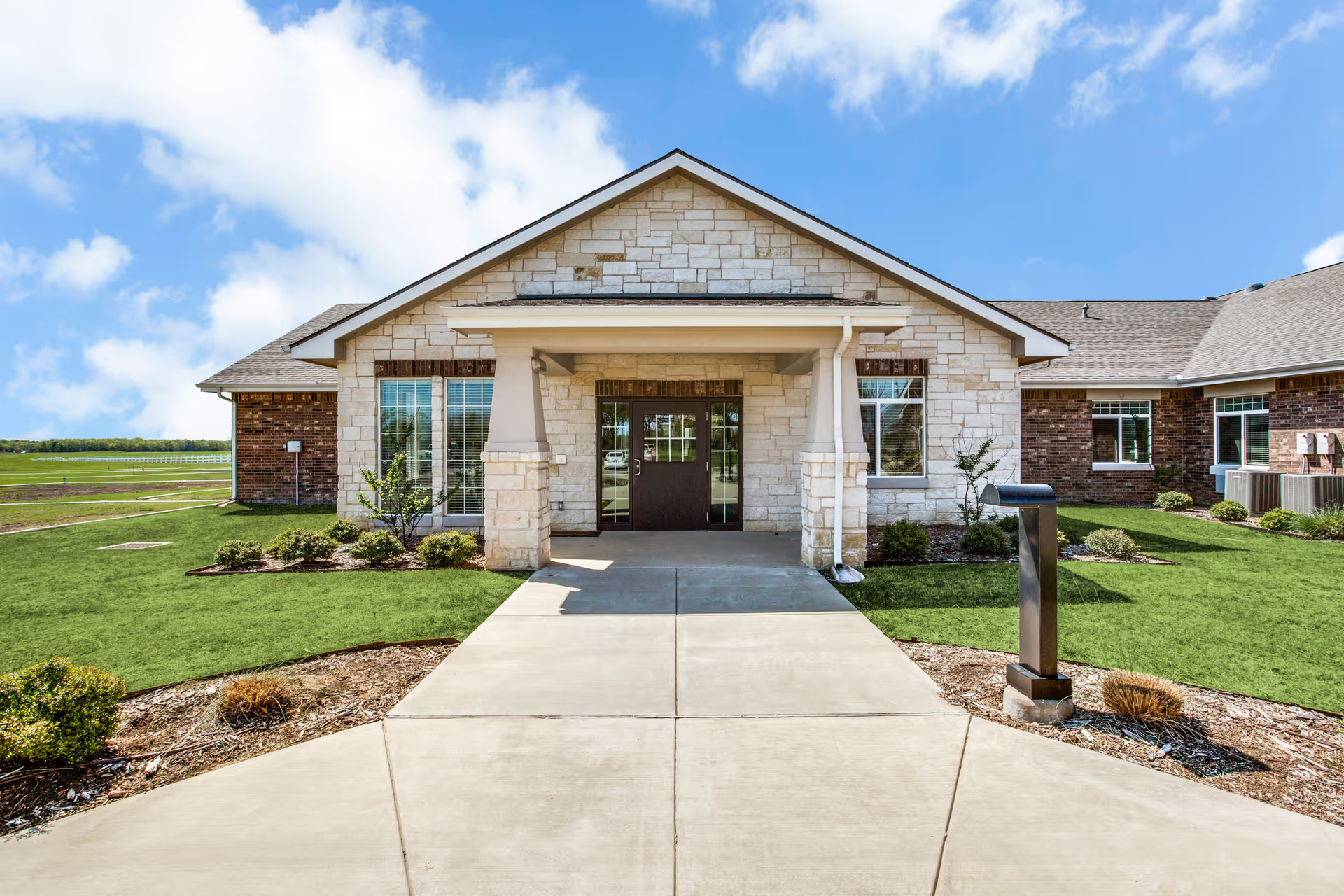
Midlothian Healthcare Center elicits strongly polarized impressions. Many reviewers praise the physical environment — an attractive, well-maintained building with an inviting courtyard and a homelike atmosphere — and repeatedly highlight the facility's rehabilitation strengths. When the therapy and nursing teams function as described by satisfied families, patients often achieve measurable functional gains and successful transitions home. Admissions, therapy coordination, and some aspects of clinical organization (including on-site therapy continuity and personalized dining accommodations) are noted as clear strengths in numerous accounts.
At the same time, a substantial body of feedback identifies persistent operational weaknesses that affect safety and satisfaction for some residents. The most consistent themes are variability in staff responsiveness and coverage — with particular problems reported during nights and weekends — and inconsistent medication administration and pain-management timeliness. Reviewers also describe staffing shortages and turnover that appear to contribute to lapses in monitoring, delays responding to call lights, and gaps in fall-prevention practices. These patterns are compounded by reports of inconsistent professionalism and communication tone among front-line staff, which families characterize as a source of stress and mistrust.
Dining and daily-care experiences are also mixed. Several families describe attentive, customized meal service and a well-run dietary department; others report cold or low-quality meals, missed dietary restrictions, and slow or inconsistent meal delivery. Cleanliness and incontinence-care practices are praised in many areas but flagged as inconsistent in others, with some reviewers highlighting sanitation and odor concerns in specific units. Activity programming and social opportunities are appreciated when available, but there are accounts of curtailed activities during infection-control periods and uneven engagement depending on staffing levels.
Management impressions are similarly divided. Some reviewers single out responsive administrators, an involved director of nursing, and admissions staff who resolve issues quickly. Conversely, other families describe difficulties obtaining timely communication, unsatisfactory discharge coordination, and perceived indifference or poor conflict resolution from leadership. A small number of reviewers raise serious allegations about staff conduct and medication handling; those allegations fall outside the scope of this summary but indicate areas where independent oversight or follow-up would be appropriate.
In sum, Midlothian Healthcare Center demonstrates clear operational strengths — particularly in rehabilitation and in sections of well-managed clinical care — alongside notable variability in day-to-day operations. The facility can deliver high-quality, outcome-focused rehab and has many teams that families commend, but the inconsistent experience across shifts and units (staffing levels, responsiveness, medication processes, dining quality, and cleanliness) is a recurring pattern. Prospective residents and families would benefit from targeted questions about nighttime staffing, medication administration protocols, infection-control activity plans, and direct observation of mealtime and overnight routines to assess how the facility’s strengths apply to a specific care episode.