Overall impression: Palo Pinto Nursing Center presents as a small, close-knit facility with many families praising the interpersonal side of care. Reviewers frequently describe nursing, CNA, and therapy staff as compassionate and effective; several families attribute measurable functional improvement to the therapy program (walker training, balance and stroke rehab). The facility's social environment and activities program are also commonly described as engaging, and dietary staff receive positive comments for meal quality. Leadership visibility — including an accessible director and active nursing management — is highlighted as a strength that supports care coordination.
Care quality and clinical services: Clinical strengths include attentive day‑to‑day nursing, strong skilled‑therapy services, and round‑the‑clock coverage. Multiple families reported improved mobility and positive rehabilitation outcomes. At the same time, reviewers raised operational concerns that may affect care consistency: there are statements indicating gaps in medication oversight and clinical monitoring, and occasional breakdowns in family notification and care‑plan communication. For prospective families, the mixed feedback suggests solid hands‑on clinical capability but variability in some aspects of clinical governance and communication.
Staff and culture: Many reviewers emphasize a warm, family‑like culture where staff know residents by name and take a personal interest in them. Specific staff members and leadership roles are praised for being responsive and compassionate. However, there is also reported variability in staff professionalism and engagement — examples include administrative interactions and frontline behaviors that gave some family members a negative impression. This pattern points to strong caregiving culture in many units alongside pockets of inconsistent staff conduct or administrative responsiveness.
Dining and activities: The dietary team and meal quality are frequently described positively; several reviewers expressed satisfaction with lunches and regular menus. Activities programming is characterized as lively and inclusive, with staff who organize frequent, observable events (including social media updates). These operational areas appear to be a consistent strength for resident quality of life.
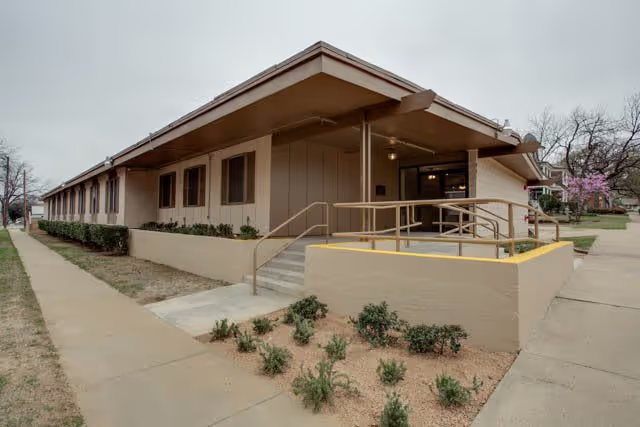
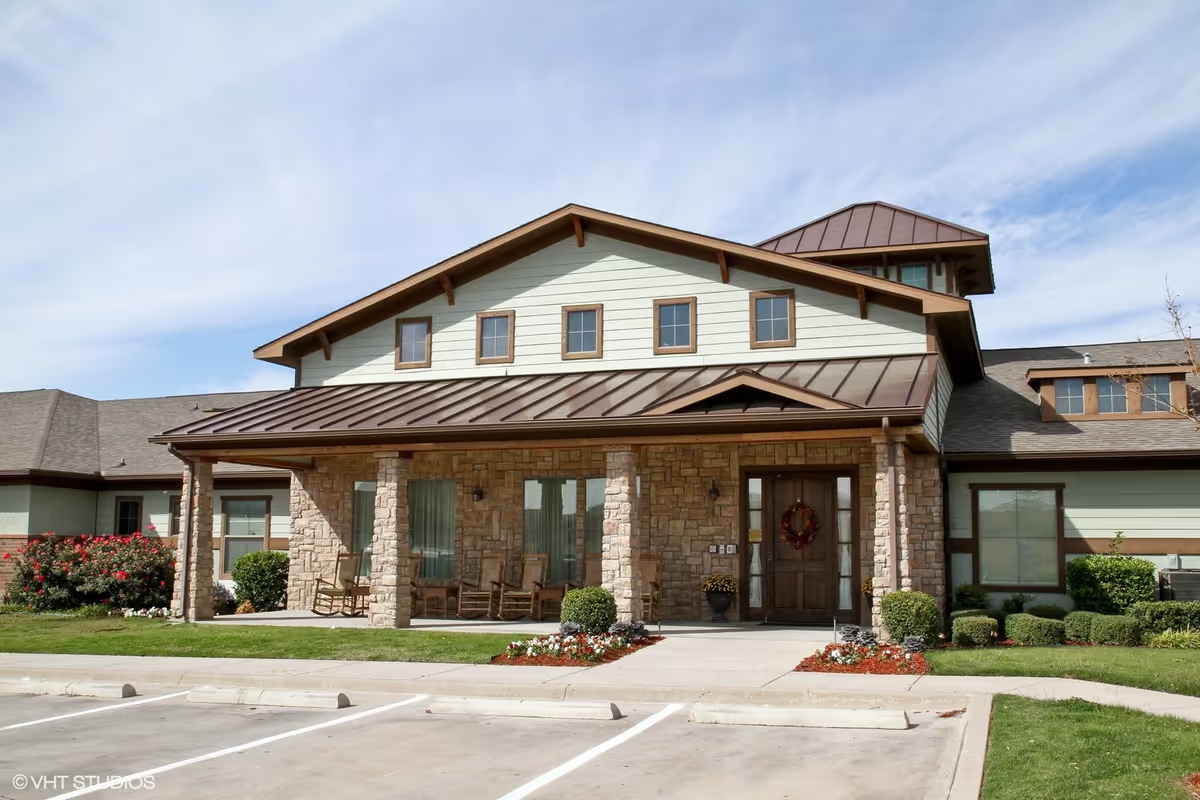
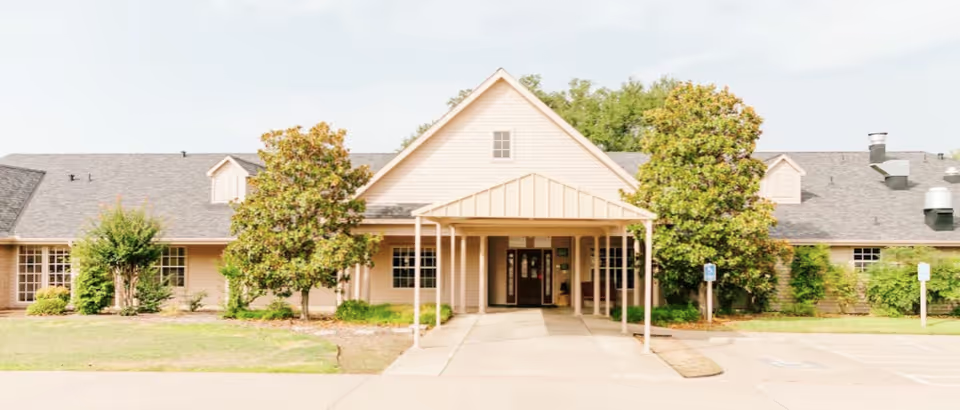
Facilities and sanitation: The facility appears to be older and more modest in physical plant and amenities. Maintenance limitations and occasional interruptions to utilities were noted. Importantly, some reviewers raised sanitation and pest‑control concerns in food‑service and common areas; these are operational issues a prospective family should verify during a tour. Rooming is another structural constraint: only shared double rooms are available, which affects privacy and accommodation choices.
Management, administration, and billing: Leadership and nursing management receive positive mentions for visibility and responsiveness in many accounts, including coordinated care‑plan conferences. Conversely, administrative functions such as billing, Medicare communication, and front‑desk interactions are described as inconsistent. There are also more serious claims in the reviews, including concerns about medication management and allegations of financial mishandling; these are significant enough to warrant direct inquiry with the facility and review of inspection records.
Notable patterns and recommendations: Strengths center on compassionate hands‑on care, strong rehabilitation services, engaging activities, and a small‑home atmosphere. Recurrent operational weaknesses include an aging facility with maintenance and utility reliability issues, sanitation and pest‑control concerns in certain areas, inconsistent administrative/billing communication, variability in staff professionalism, and serious allegations regarding financial practices and medication oversight. Prospective residents and families should tour the building (including dining and food‑service areas), ask about pest‑control and recent inspection results, confirm maintenance and utility contingency plans, clarify rooming arrangements, review medication‑administration and documentation practices, and request written billing/Medicare communication procedures and references from recent families.