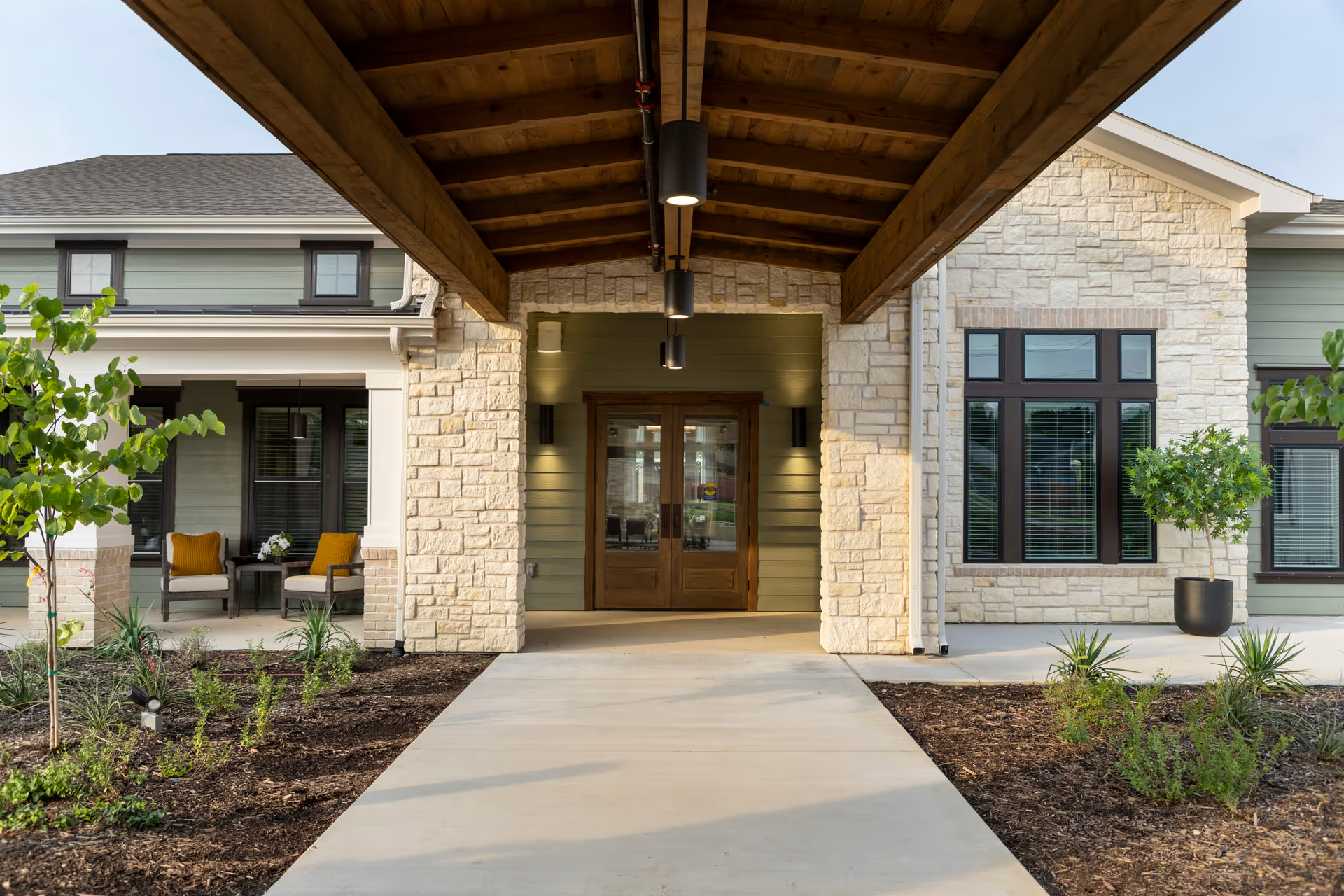
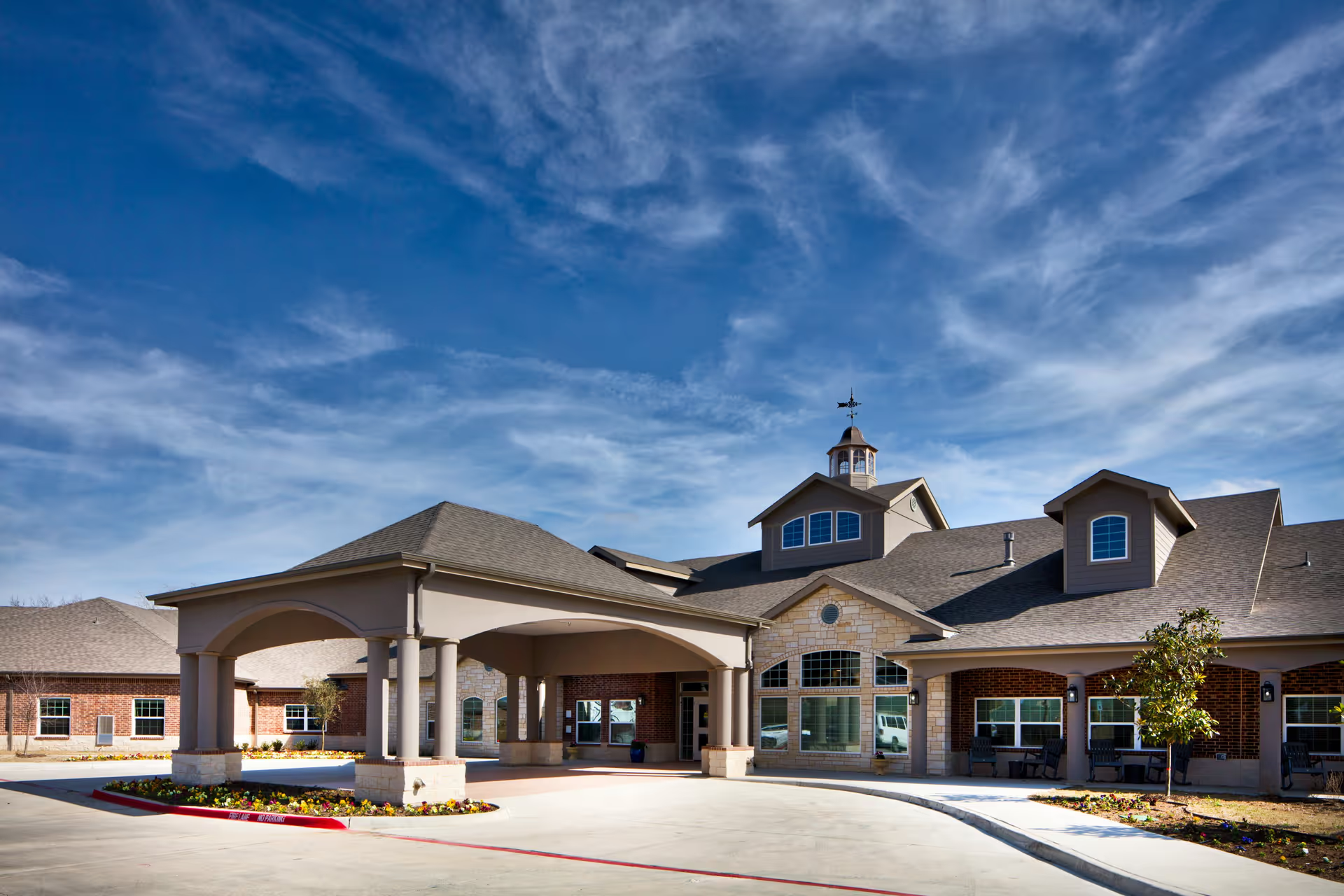
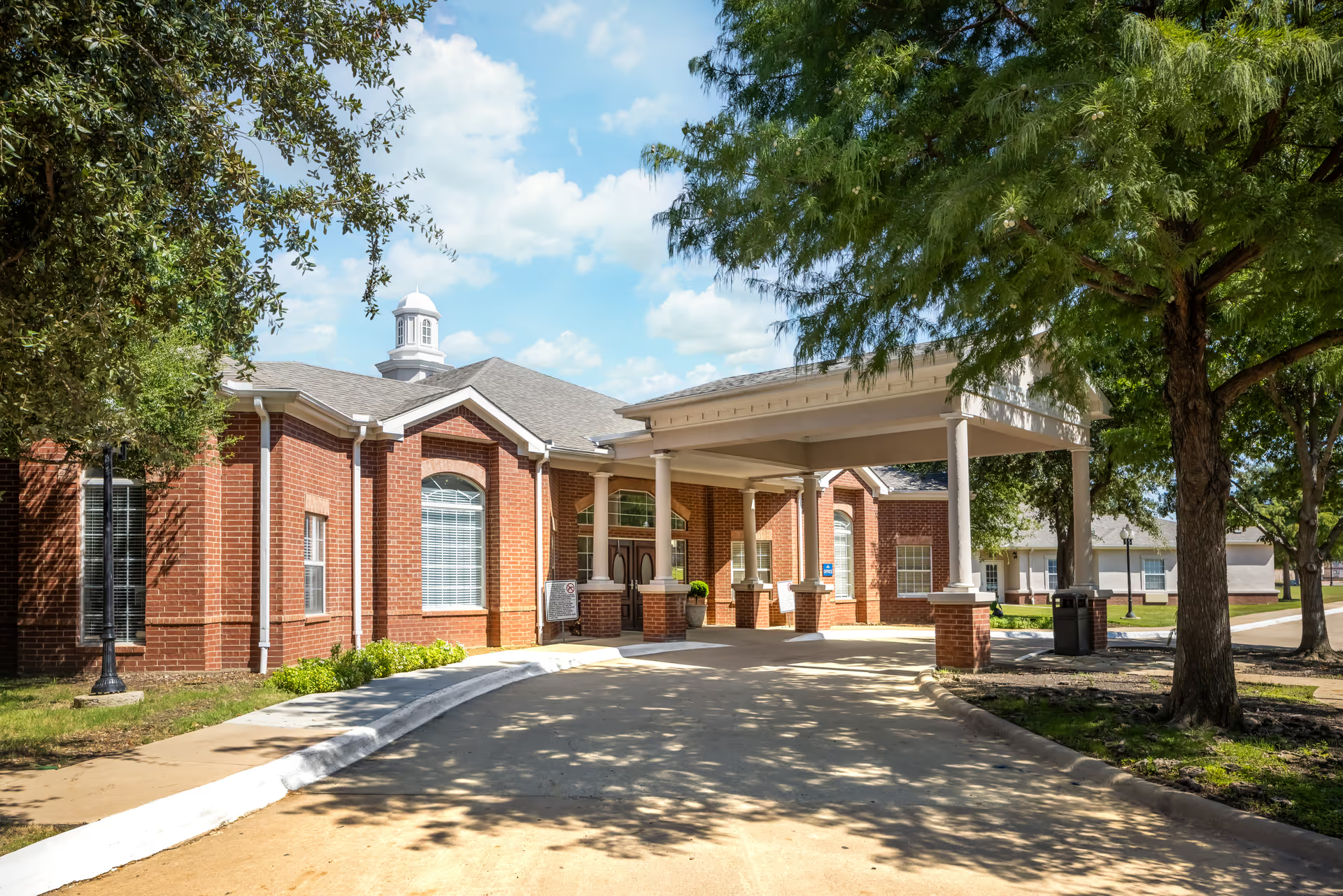
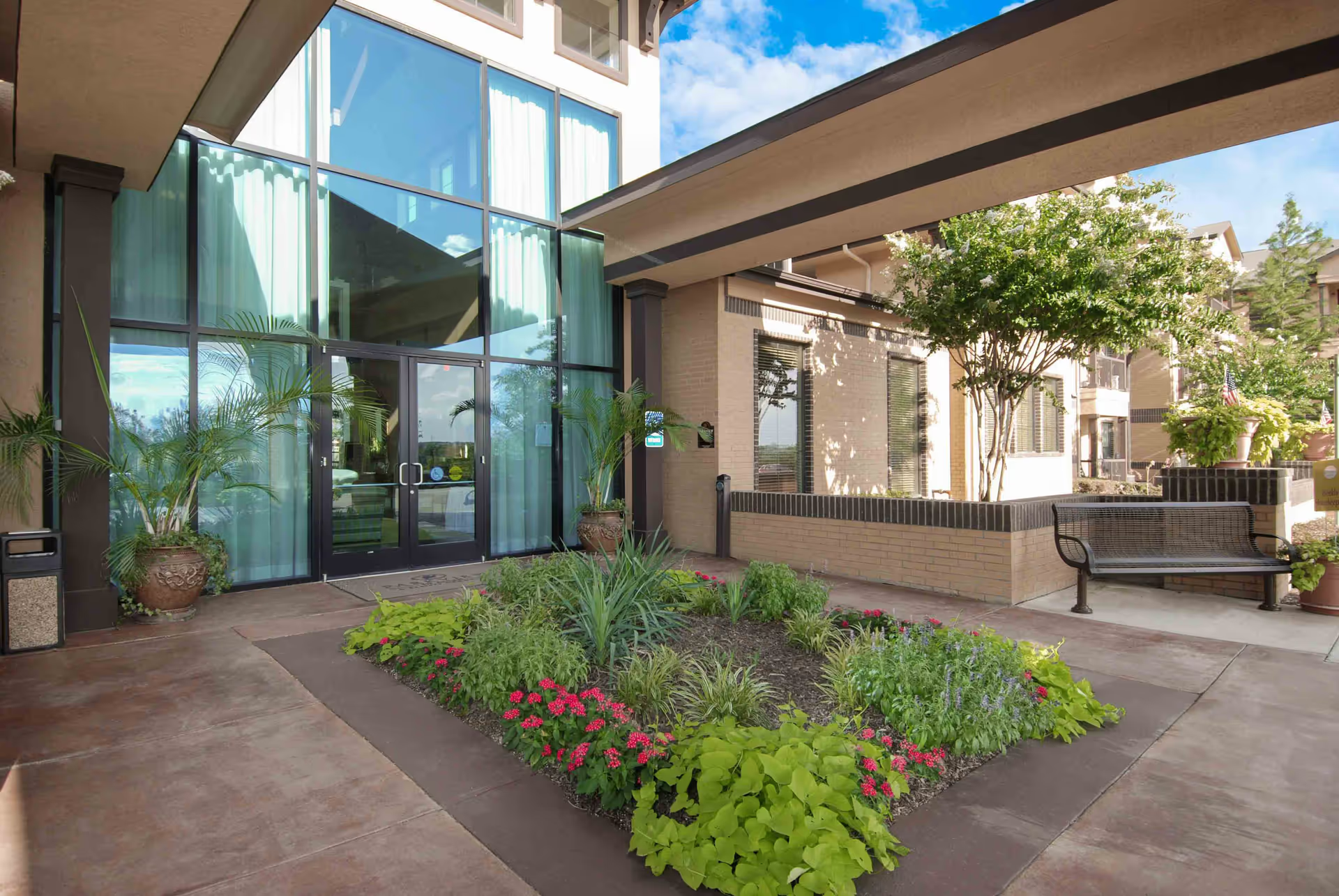
Lynridge of Murphy presents a mixed but distinct profile. Many families and visitors praise the caregiving team—especially the memory-care staff—and describe interactions as compassionate and attentive. Nursing and therapy services receive favorable remarks, and staff are frequently characterized as welcoming, helpful, and family-oriented. The physical environment is often described positively: new, well-decorated interiors, multiple courtyards and outdoor seating areas, a single-story layout in portions of the community, and generally clean common spaces. Dining is also a noted strength for many: varied menus, nutritious options, frequent snacks, and an overall positive dining experience for numerous residents. Life-enrichment programming, outings, therapy animals, and an active social calendar are other common strengths cited by families who felt their loved ones were engaged and comfortable.
At the same time, the facility shows recurring operational weaknesses that prospective residents and families should evaluate closely. Several accounts indicate inconsistent management follow-through, high caregiver turnover, and communication gaps both between shifts and with families. These issues have translated into delayed responsiveness at times and unclear leadership presence on floors. Housekeeping and environmental maintenance appear uneven: some families reported sanitation and pest-control concerns, odor issues in specific areas, and unresolved maintenance problems such as HVAC or plumbing delays. Meal quality and portion consistency are variable in some reports. Importantly, there are serious financial concerns raised by families, including alleged inappropriate billing practices and charges; these allegations, when present, have had significant consequences for those families and warrant specific inquiry.
Memory-care engagement is another area with mixed feedback. While memory-care staff are widely praised for their personal attention and bedside manner, other families reported limited or inconsistent activity programming within memory-care units and gaps in cross-shift communication that affect continuity of care. Coordination between clinical/care teams and facilities management has been described as uneven, which can affect timely repairs and environmental comfort. Apartment sizing and value were also flagged: some residents find unit sizes small relative to price.
For families considering Lynridge of Murphy, the decision will often hinge on the strength of the direct care team versus the operational risks. Recommended steps before committing: observe an activity period in the memory-care neighborhood, request recent pest-control and sanitation logs, confirm written billing and move-out policies, ask for examples of recent maintenance response times, review staffing ratios and turnover metrics, sample the meal service at a typical meal time, and identify the on-site chain of command and how family communication is handled. The facility offers many genuine strengths in caregiving, dining, and community feel—but the documented operational inconsistencies and serious financial allegations are important to validate and clarify during touring and contracting.