Overall impression: Reviews of Oxford Glen Memory Care at Sachse emphasize a consistent strength in dementia-focused care delivered in a small, community-style setting. Families repeatedly describe compassionate staff, experienced caregivers, and leadership that is highly involved. The program is designed around memory-care needs, with on-site clinical services, regular physician visits, and life-enrichment programming intended to support residents’ routines and engagement.
Care and clinical services: Clinical oversight is a prominent positive: 24/7 nursing presence, on-call physician access, and structured medication administration are cited as contributors to resident stability and improved outcomes. At the same time, a pattern of inconsistency emerges in clinical staffing coverage and medication adjustments; some families experienced initial medication issues that were corrected, while others raised concerns about dosing decisions and coverage gaps. Prospective families should confirm current shift coverage, medication-review practices, and handoff procedures during a tour.
Staff and management: The facility’s caregiving staff and executive leadership receive extensive praise for compassion, continuity, and active involvement with residents and families. Long-term employees, proactive directors, and organized family communication (email updates, director outreach) are described as creating a family-like culture. However, there are isolated but notable allegations of unprofessional conduct and billing-transparency problems; these indicate a need to review management policies, grievance processes, and billing practices directly with administrators.
Dining and activities: Life-enrichment and activities programming is repeatedly highlighted as a core strength—daily engagement, family events, therapy-animal visits, crafts, and social meals are part of the community rhythm. Many families praise the chef and meal planning. Contrasting feedback points to variability in meal quality and limited activity coverage at certain times (for example, evenings or Sundays). If dining variety and round-the-clock activity options are priorities, families should ask for sample menus and a current activity calendar.
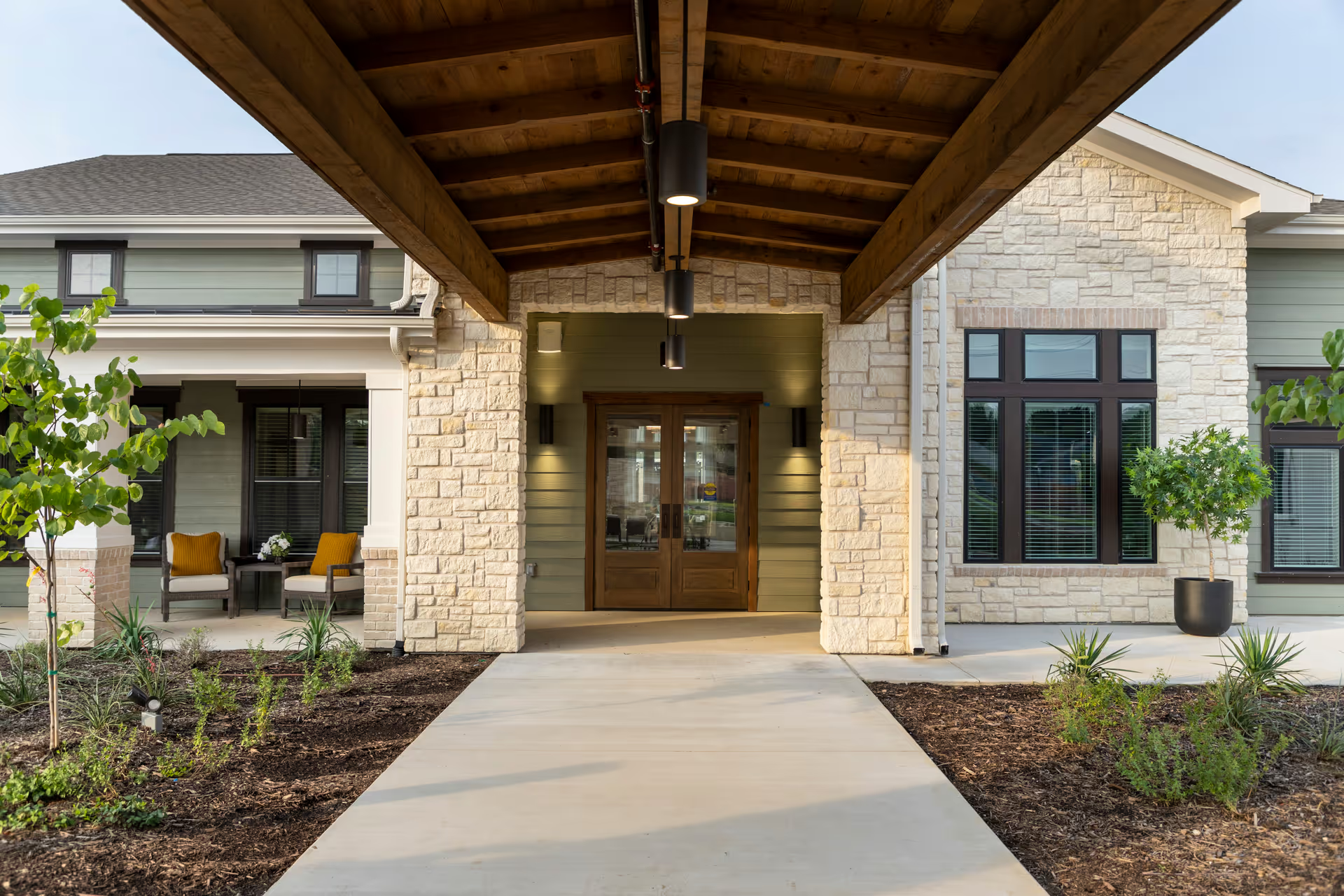
Facilities and amenities: The campus layout, atrium/common rooms, courtyard, and small-house wings are described as supportive of socialization and supervision. Units with private rooms and onsite salon/rehab services are convenient for residents’ needs. Reviewers note a range in building age and décor—some areas feel bright and new, others more dated or dim—and room sizes vary; families should inspect unit layouts to ensure the living space meets expectations.
Notable patterns and considerations: The dominant themes are strong dementia expertise, attentive caregiving, and active programming that many families credit with improved resident quality of life. Counterbalancing this are operational issues: intermittent staffing or clinical-coverage inconsistencies, communication and language gaps, variable meal offerings, and cost/value concerns. There are also occasional serious claims regarding management professionalism and billing that warrant direct inquiry. For prospective residents and families, recommended next steps are a focused tour that reviews clinical coverage hours, medication-review protocols, activity schedules (including weekends/evenings), billing and contract clarity, and opportunities to meet core staff and the executive director.