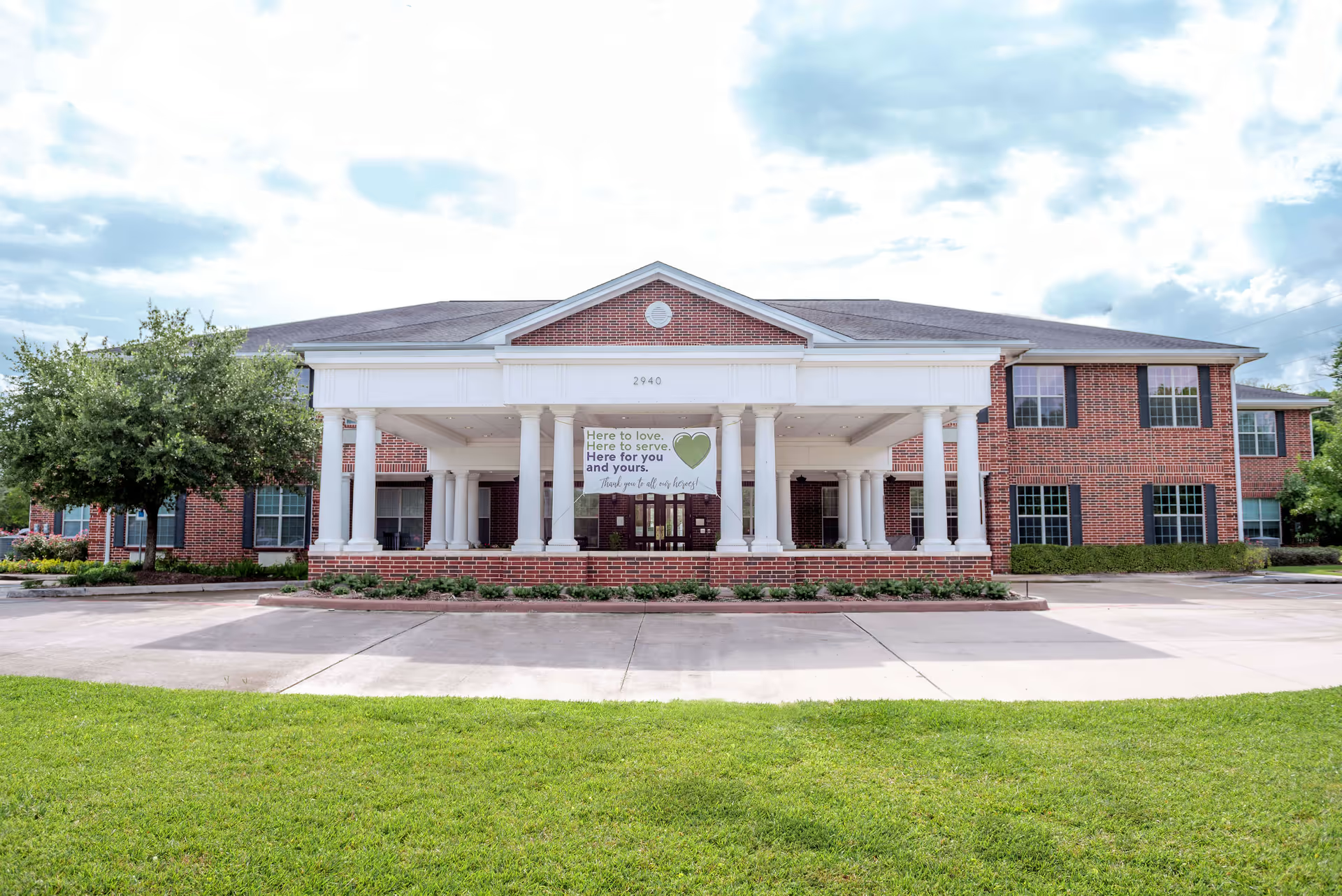
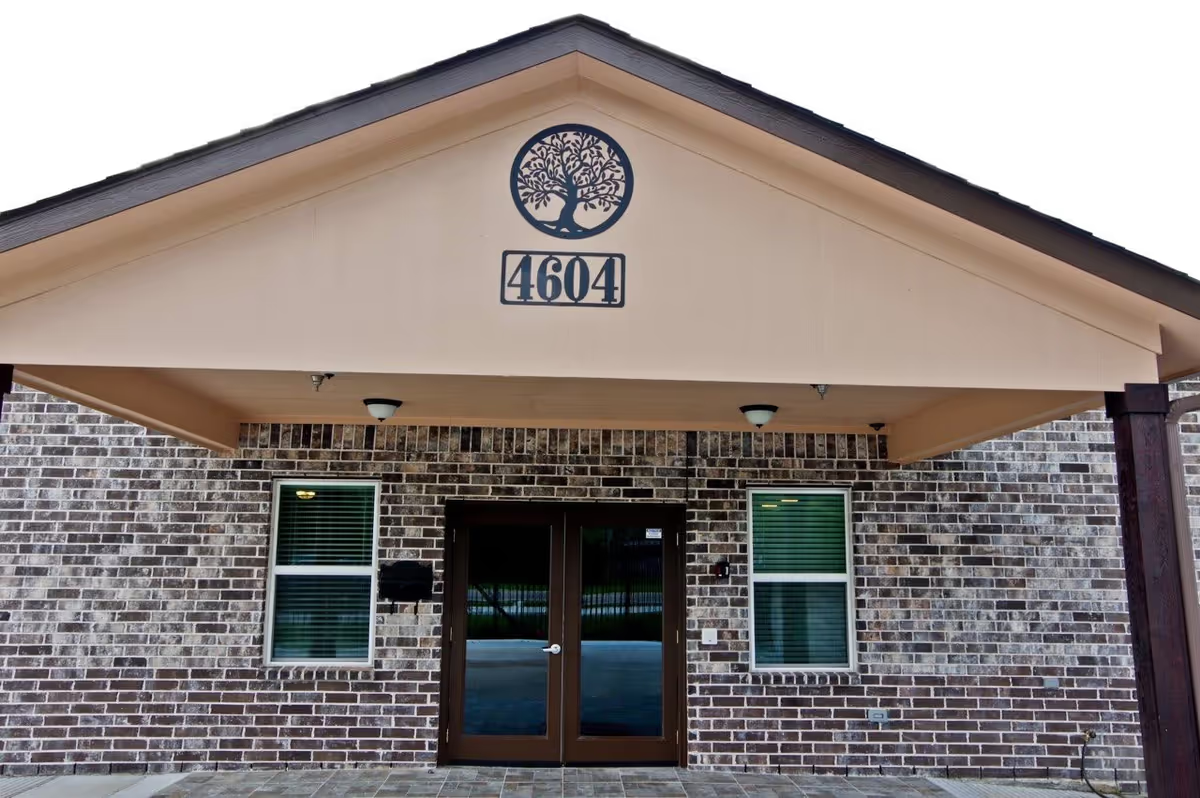
Tuscany Village Skilled Nursing & Rehabilitation elicits a wide range of experiences. Strengths most often cited include a clean, well-maintained building and grounds, a welcoming dining room and common areas, and an array of physical, occupational and speech therapy services that many families credited with measurable mobility and functional gains. Reviewers frequently praise direct-care staff — CNAs, med techs, and therapists by name — for being compassionate, personable, and effective. Housekeeping, laundry, and facility maintenance are also commonly described as responsive, and the availability of private rooms with accessible bathrooms and motorized beds contributes to a comfortable, hotel-like environment for many residents.
At the same time, a recurrent pattern across feedback points to operational inconsistencies that materially affect care experience. Staffing levels are described as uneven, with greater shortages and slower response times at night, on weekends, and during holidays; this is tied to delays in answering call buttons, missed or delayed personal care tasks (bathing, toileting support), and longer waits for transfers or assistance. Several reviews raise concerns about medication administration, clinical monitoring (including delayed lab results and glycemic control), and documentation or shift-handoff practices — all of which can undermine continuity of care. Discharge planning and post-discharge coordination are another frequent problem area, with examples of incomplete home-health arrangements and poor communication about transitions.
Dining and nutrition receive mixed reviews: many residents find the menu varied and enjoyable, while others note food-temperature issues and lapses in dietary restriction compliance. Housekeeping is generally a strength, but a subset of reports details sanitation and pest-control issues or water-damage concerns in specific rooms or areas; these appear sporadic but significant to affected families. Administrative and billing problems — reservation mishandling, invoice disputes, and inconsistent admissions intake — are recurrent themes and contribute to family stress during transitions. A few reviews also raise safety and security concerns, including property-security gaps and supply shortages during peak periods, indicating potential areas for system-level improvement.
Overall, Tuscany Village demonstrates notable clinical and rehabilitative capacity and a large base of dedicated frontline staff and therapists who deliver positive outcomes for many residents. However, the facility shows persistent operational vulnerabilities: staffing variability, communication and documentation gaps, episodic sanitation and security issues, and uneven discharge/billing processes. Prospective residents and families should weigh the facility’s strong therapy and direct-care strengths against these operational risks; when choosing or monitoring placement, request clarity on staffing levels by shift, specific medication-administration and handoff protocols, discharge planning steps (including home-health set-up), and the facility’s schedule for addressing sanitation, pest control, and security improvements.