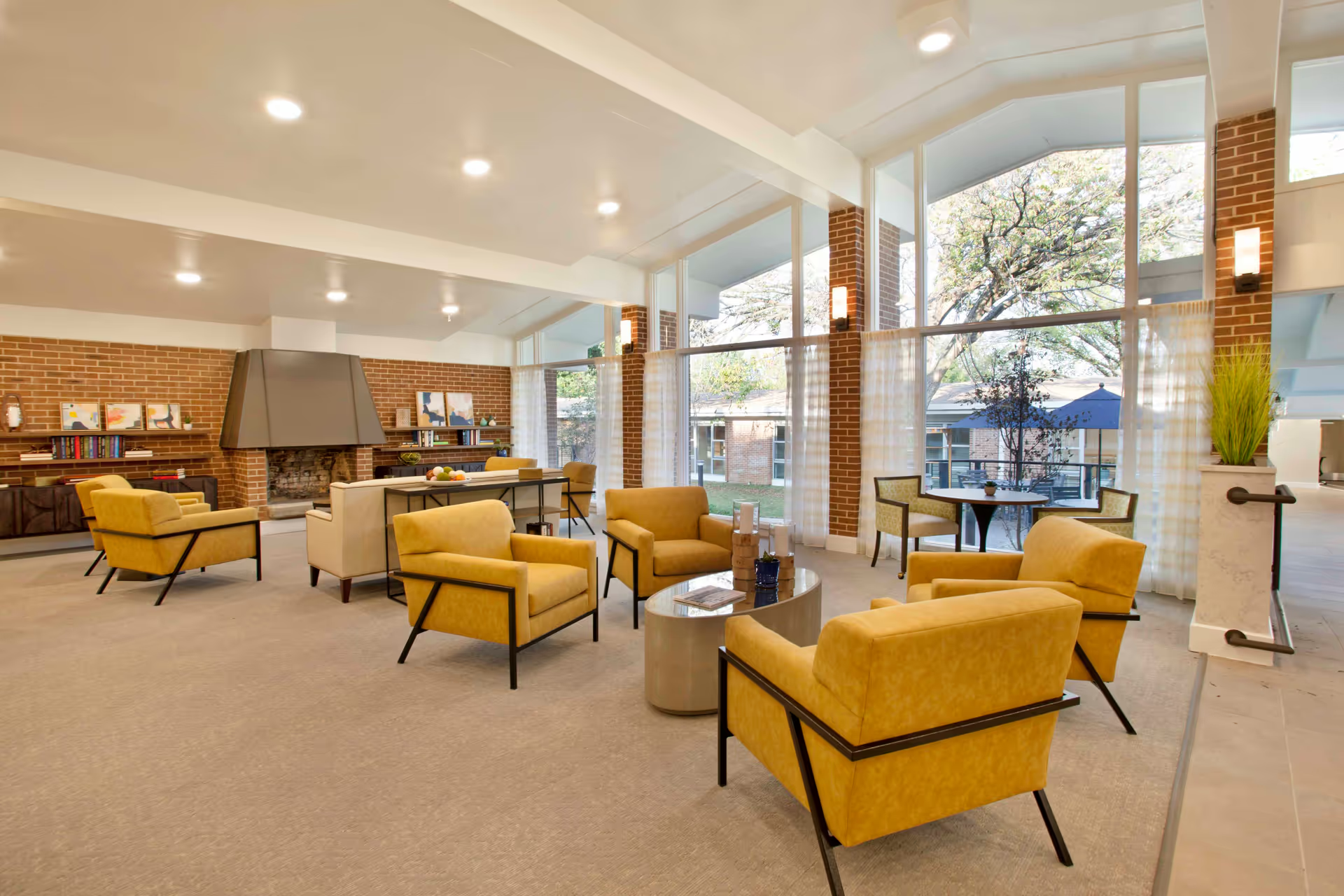
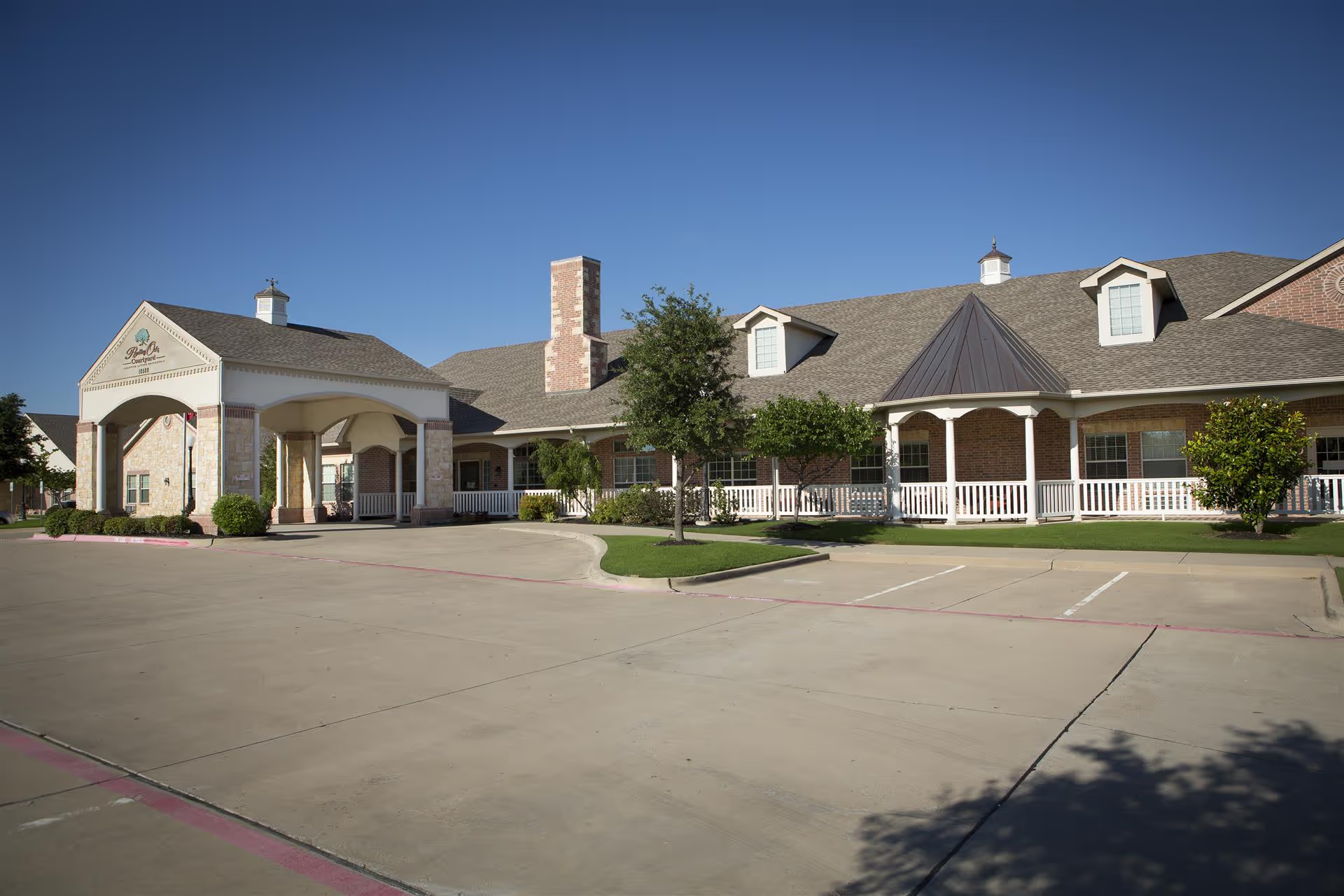
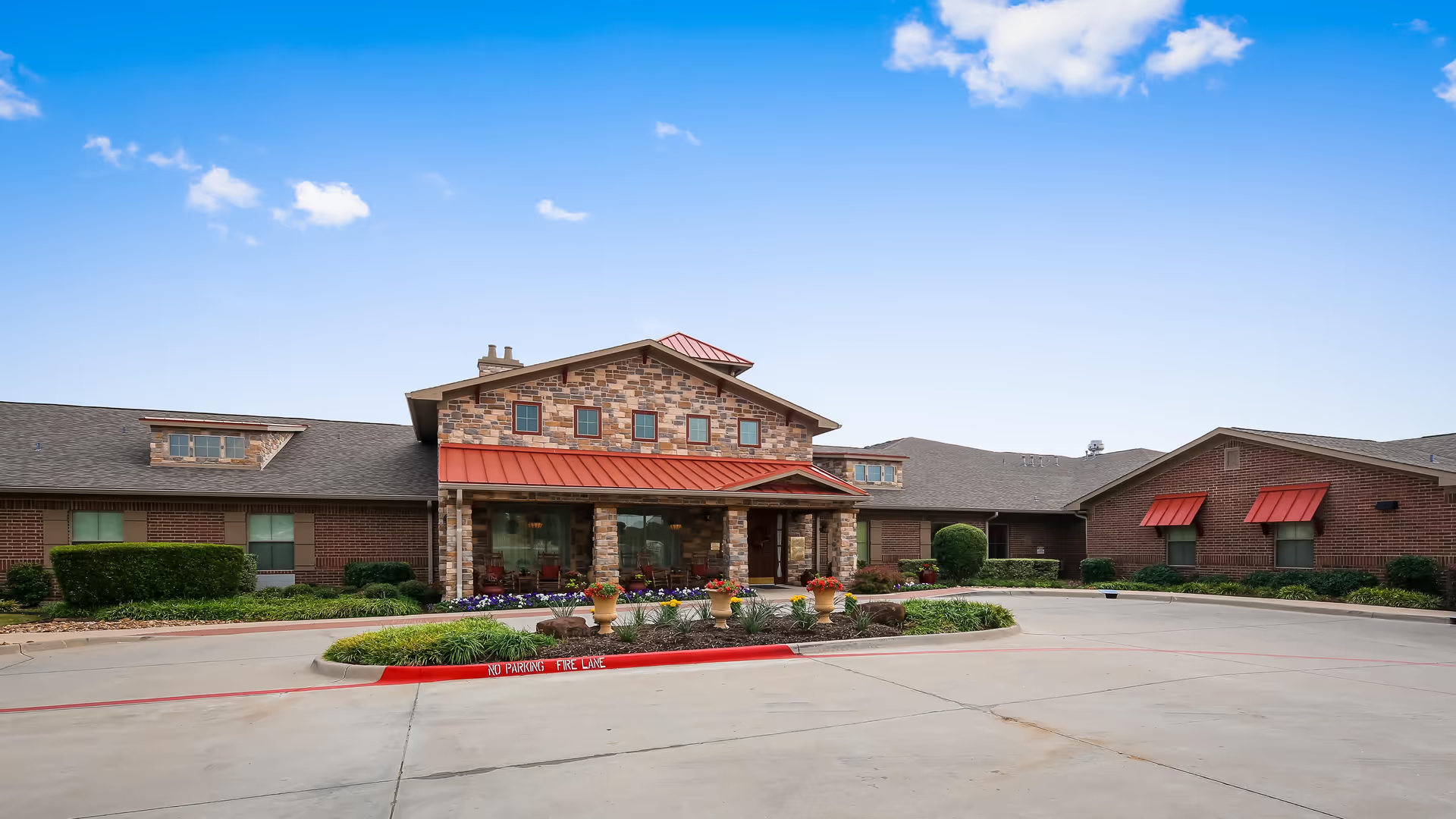
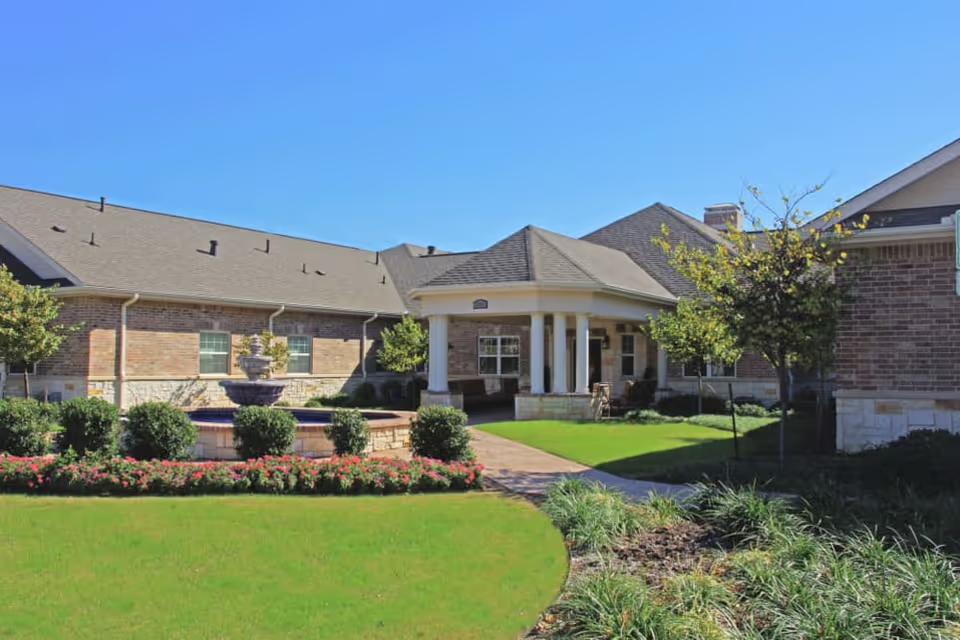
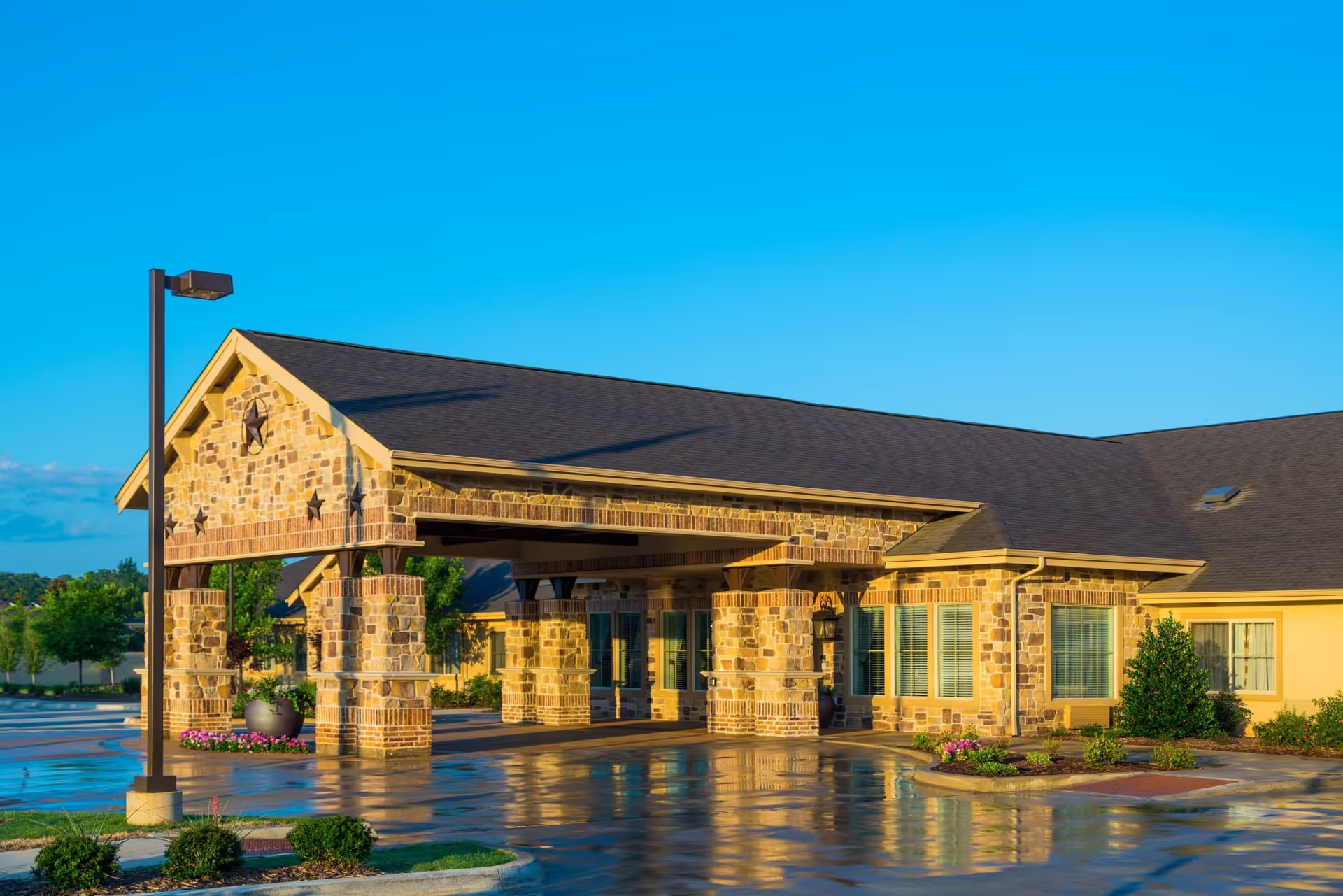
Reviews describe a facility with strong interpersonal strengths but also notable operational vulnerabilities. Across many accounts, frontline caregivers, nurses, therapy staff, and activity personnel receive consistent praise for being caring, attentive, and personally invested in residents. Families commonly described a welcoming admissions process, a home-like atmosphere, and an activities program that includes outings and community events. The on-site rehabilitation and therapy offerings are frequently cited as a core strength that supports short-term recovery and transitions back home.
At the same time, reviewers — and documented regulatory findings — indicate systemic issues that prospective residents and families should evaluate carefully. Staffing levels and coverage emerge as a recurring operational concern: delayed assistance, long waits for help, and occasions when a single aide covers an entire wing were reported. These staffing inconsistencies appear to contribute to lapses in responsiveness and to family perceptions of uneven day-to-day care.
Clinical compliance and safety processes also show variability. Several reviews and citation history point to gaps in infection-control practices and specific device-care protocols, including catheter-related procedures. These items suggest opportunities for improved clinical oversight and stronger written protocols. Relatedly, reviewers raised concerns about limited direct communication between physicians and families, occasional unreturned calls, and intermittent front-desk or phone responsiveness — all of which affect families’ ability to get timely clinical updates.
Nonclinical operational issues are mixed. Many families praised cleanliness, maintenance, and the personal attention from office staff; however, there are also reports indicating vulnerabilities in property handling, documentation, and resident-privacy safeguards. Dining impressions are inconsistent: some reviewers praised meals, while others identified uneven food quality. Management visibility and an involved administrator were cited positively by many reviewers, but the facility’s regulatory history and several serious individual complaints underscore the importance of confirming corrective actions and current compliance status.
For prospective residents and families: weigh the facility’s clear strengths in caring staff, therapy services, and programming against documented operational and compliance concerns. Recommended questions to ask during a tour include current staffing ratios and weekend coverage, recent infection-control audit results and corrective actions, how physician–family communication is handled, policies for safeguarding resident property and privacy, and opportunities to sample menus or review dining schedules. These targeted inquiries can help determine whether the facility’s interpersonal strengths are matched by robust operational practices appropriate to a given resident’s clinical needs.