Reviews of Arden Place of Richland Hills are highly polarized: many families describe warm, attentive clinical staff and a small, community-oriented environment, while others raise significant operational and sanitation concerns. Overall impressions tend to cluster around two profiles — one of a well‑run, rehab-capable small facility with engaged staff and another of an older building with inconsistent housekeeping and staffing challenges.
Care quality and staffing: Numerous accounts praise compassionate nurses and CNAs, proactive medication management, and staff who communicate daily with families. The facility’s rehab offering and on-site physical therapy are highlighted as strengths for residents needing short-term recovery. At the same time, recurring operational issues are reported: persistent aide shortages, delays in attending to call lights and routine care, and inconsistent bathing and incontinence-care routines. Several families also flagged gaps in clinical documentation and medication-management processes, which contributes to concerns about reliability of care during busy periods.
Dining and activities: Many reviewers note balanced, nourishing meals and activity schedules that promote socialization, including twice-daily programming and occasional outings. These features are often cited as supporting resident well-being and weight maintenance. Contrasting accounts describe inconsistent food temperature and variable meal quality; some reviews also cite pest-control concerns near dining areas. Activity programming appears robust in the secured dementia unit and for residents who can participate, though a subset of families mentioned limited offerings or a lack of engaging options for some residents.
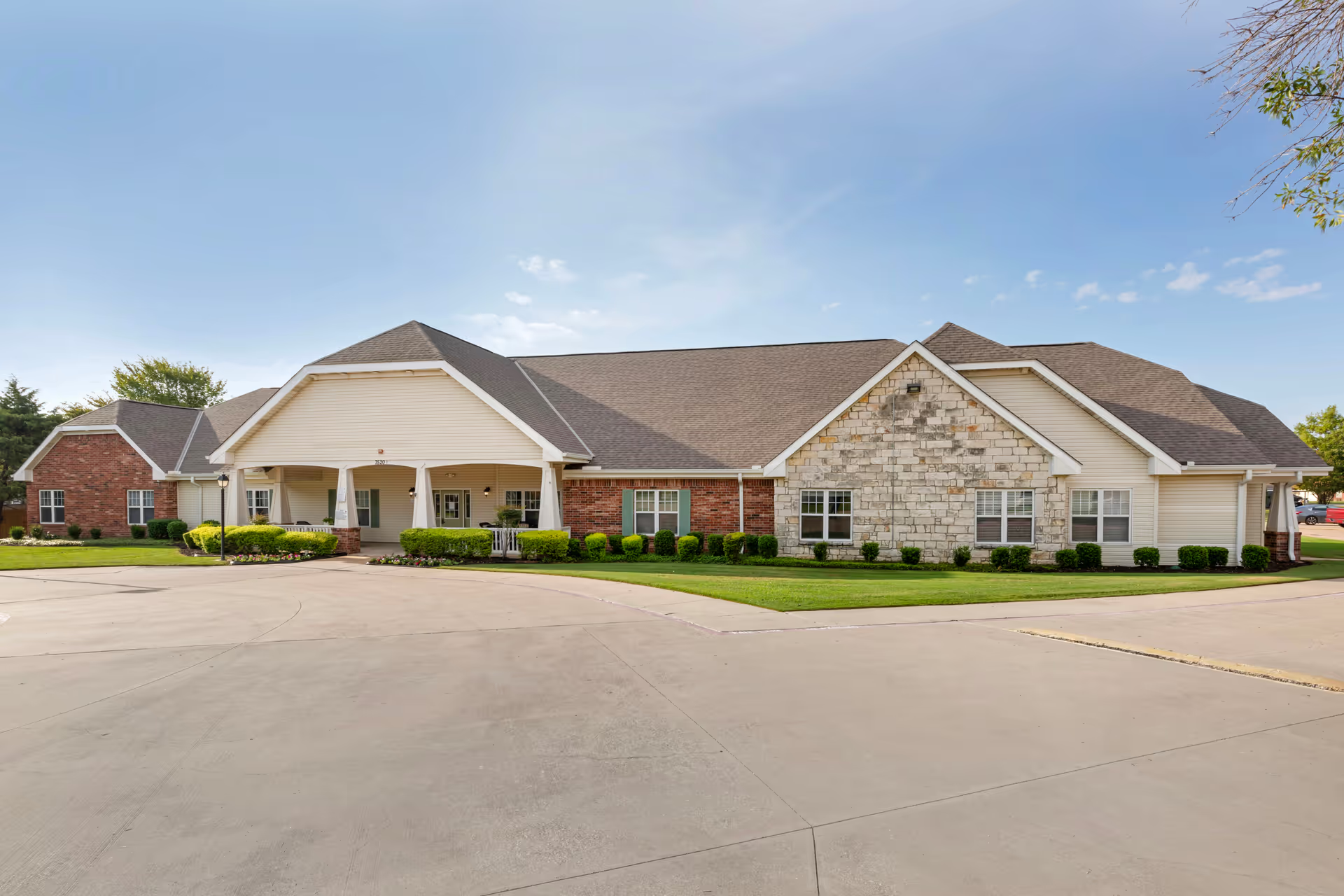
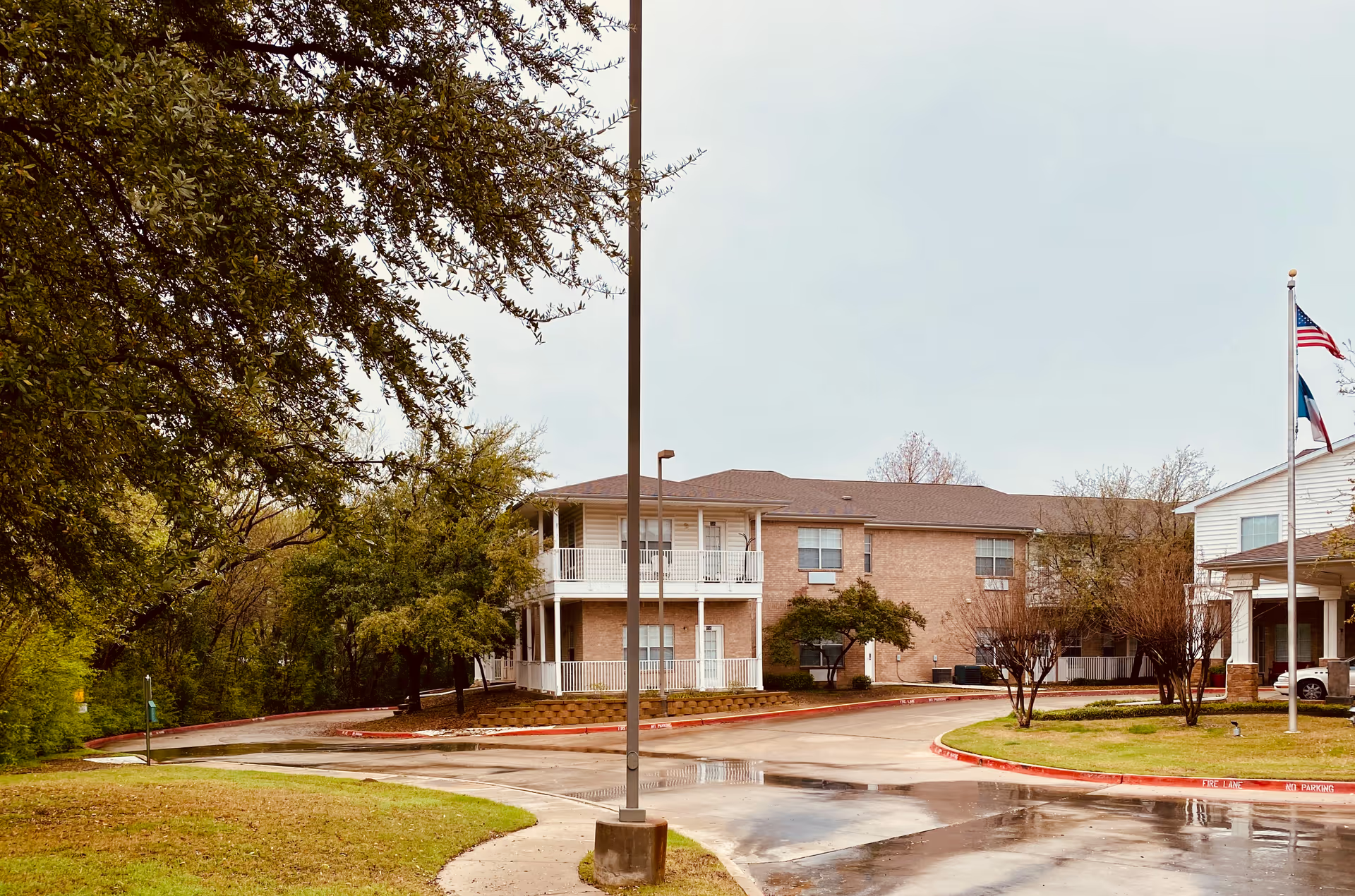
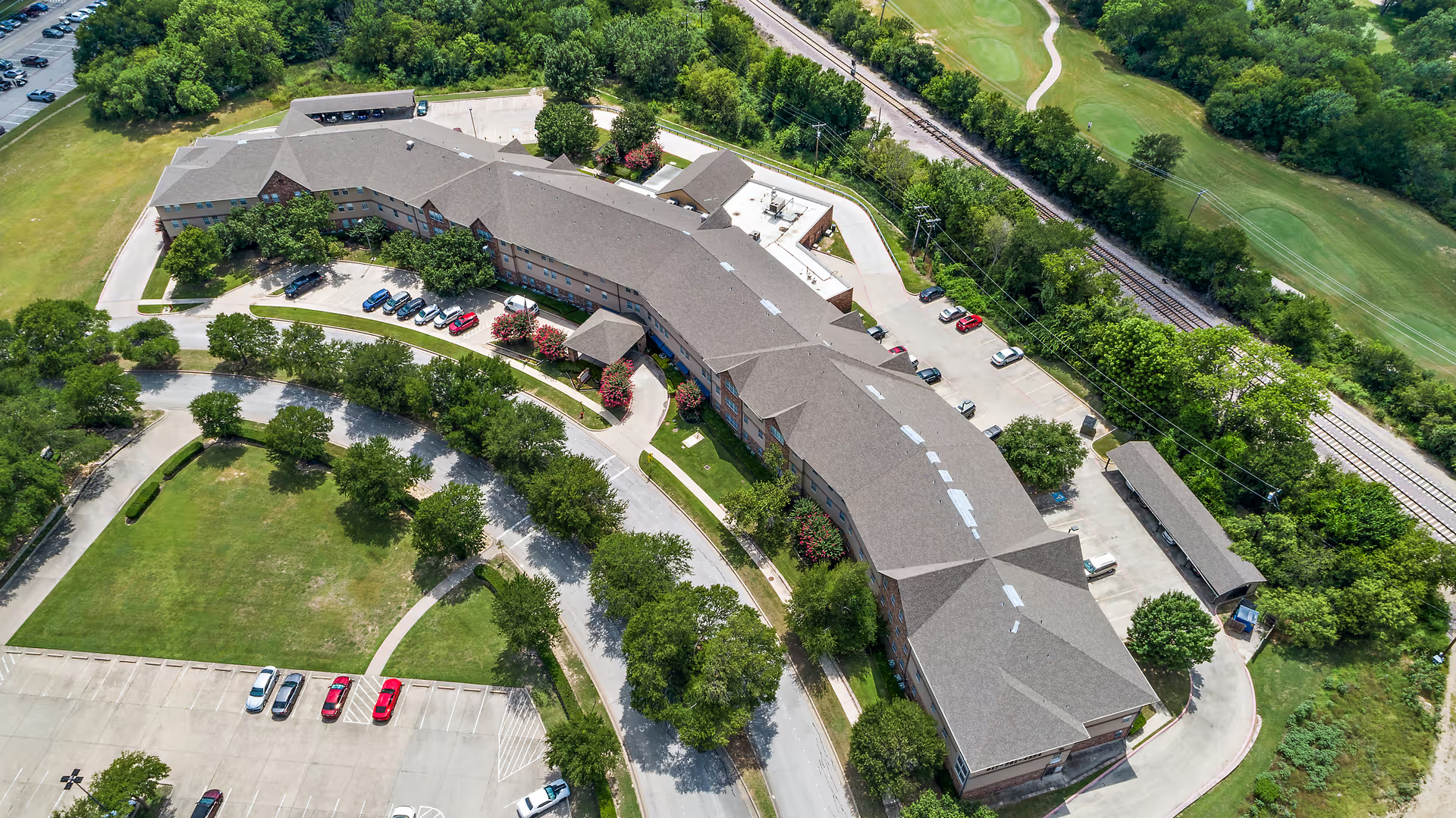
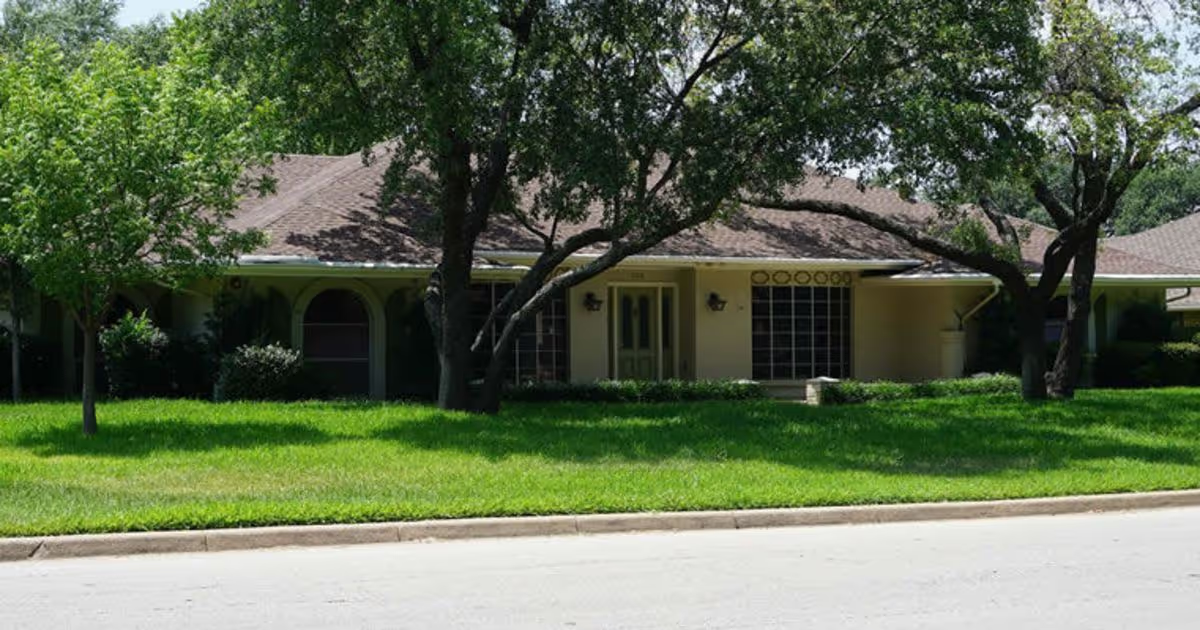
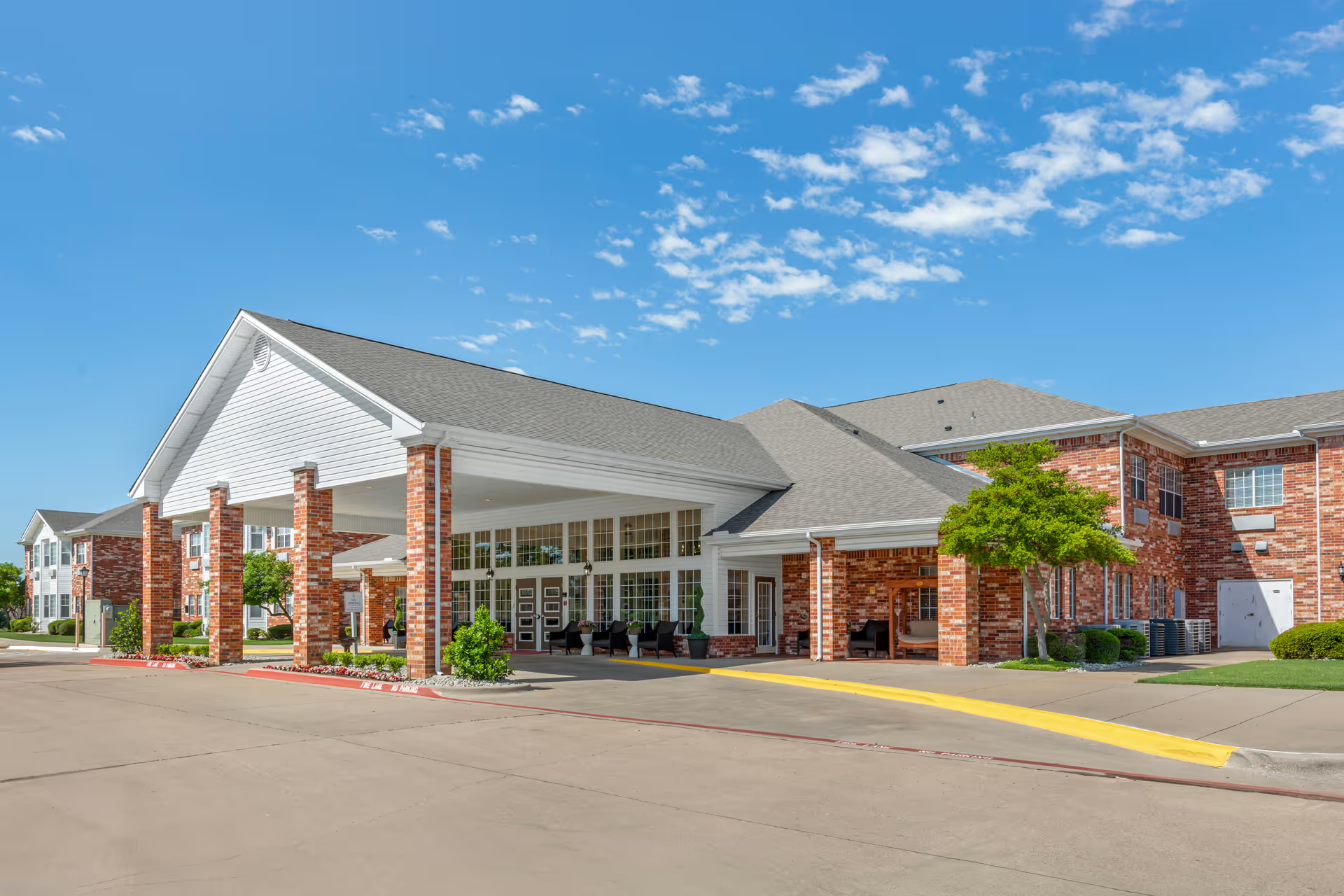
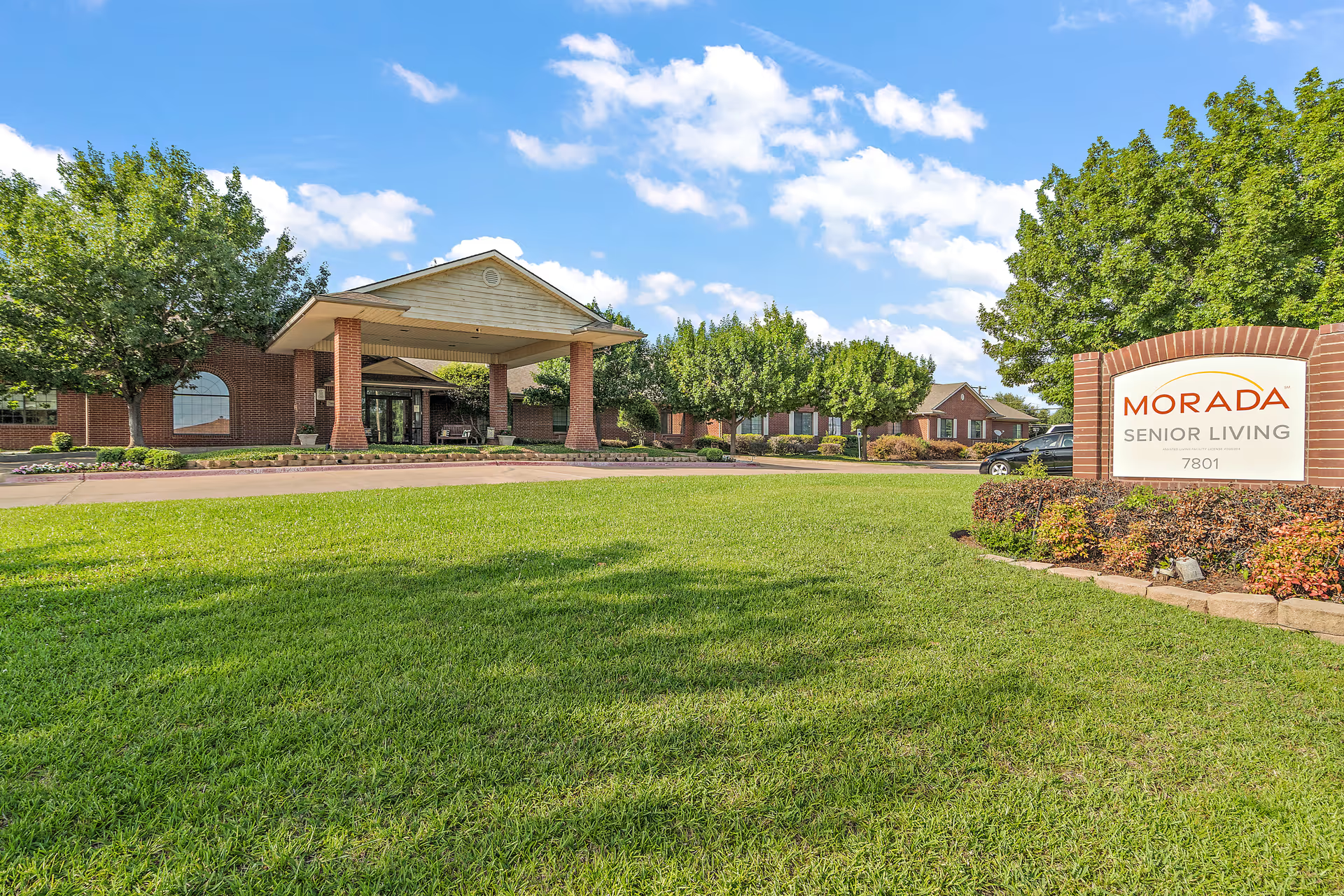
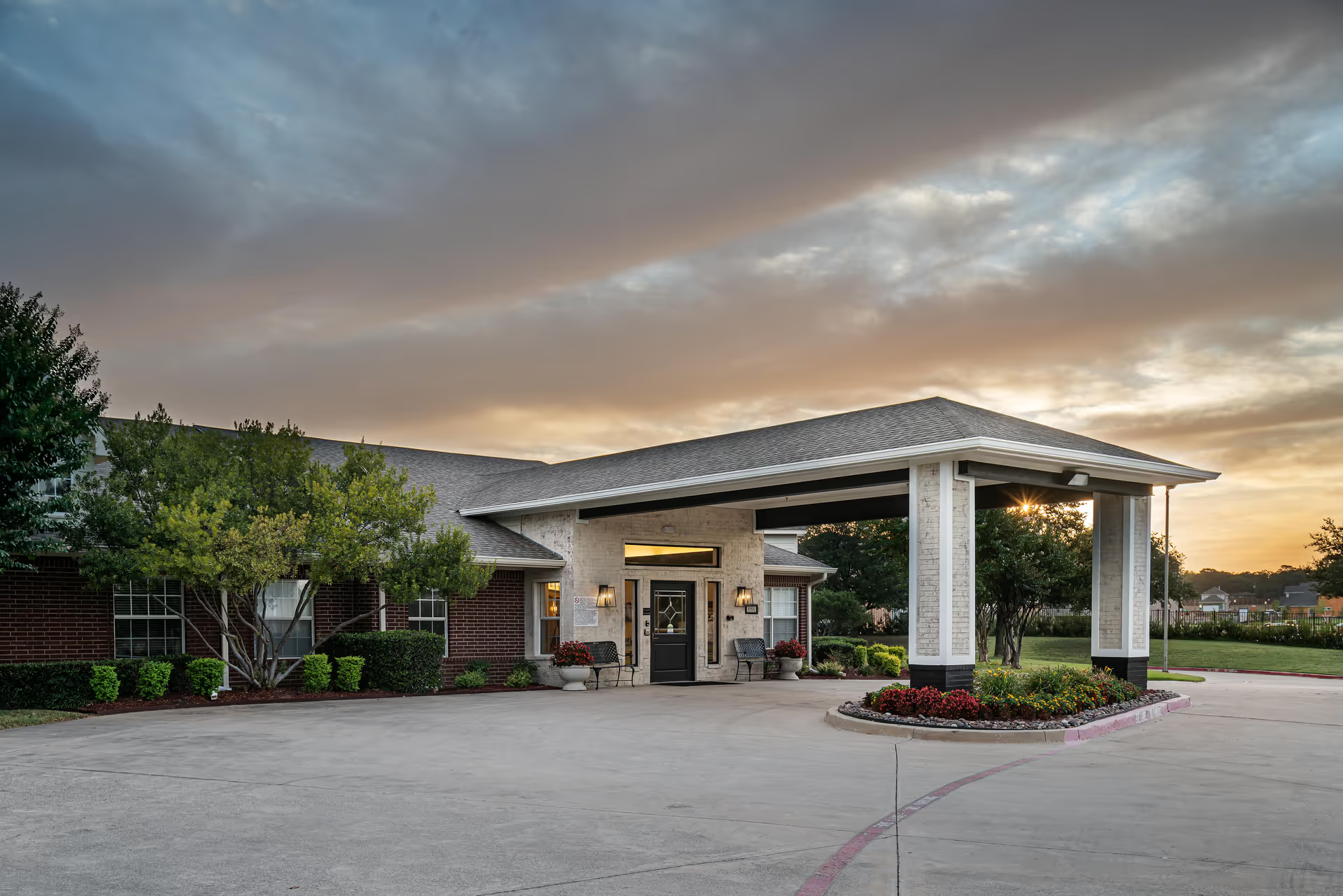
Facilities and environment: The property is described as an older building with a mix of updated rooms and areas under refurbishment. Positive remarks include clean, welcoming dining and some recently refreshed rooms and finishes. However, other accounts indicate sanitation inconsistencies, odor concerns in parts of the building, and maintenance gaps related to recent flood repairs and ongoing refurbishment. Privacy and room configuration issues were raised, including crowded room layouts and limited communal seating, which can affect resident comfort and family visits. Pest-control and laundry/process lapses were also raised as operational weaknesses.
Management and governance: Family experiences with administration vary widely. Several reviewers commend proactive administrators, responsive caseworkers, transparent admissions staff, and empathetic end-of-life coordination. Conversely, others describe limited administrative accessibility, HR and payroll process problems, and slow responsiveness to family concerns. Of particular note are serious allegations concerning property control and staff-related misconduct; these allegations, together with claims of inconsistent documentation, underscore the importance of regulatory oversight and clear facility protocols.
Notable patterns and advice for families: Arden Place shows strengths typical of smaller, dementia-capable facilities — a secure environment, personalized rooms, hands-on rehab services, and staff who can be highly engaged and communicative. At the same time, reviewers repeatedly point to systemic operational issues: staffing shortages, sanitation and laundry process inconsistencies, meal-temperature control, and administrative accessibility. Prospective families should conduct an in-person visit focused on current staffing ratios, observable cleanliness and odor control, laundry/property handling procedures, clinical documentation practices, therapy scheduling, and the responsiveness of administration to family concerns. Asking about pest control protocols, turnover on key shifts, and how the facility handles lost items or grievances will help clarify whether the facility’s operational practices meet your expectations.