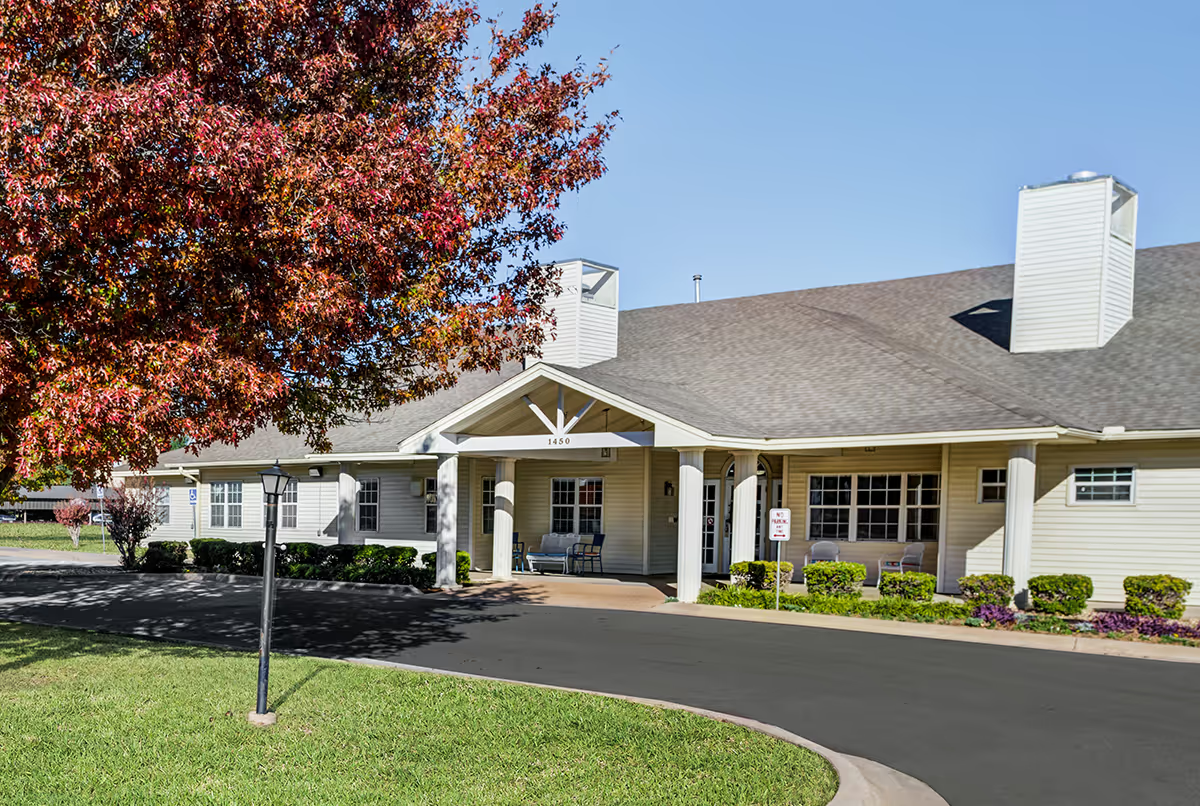
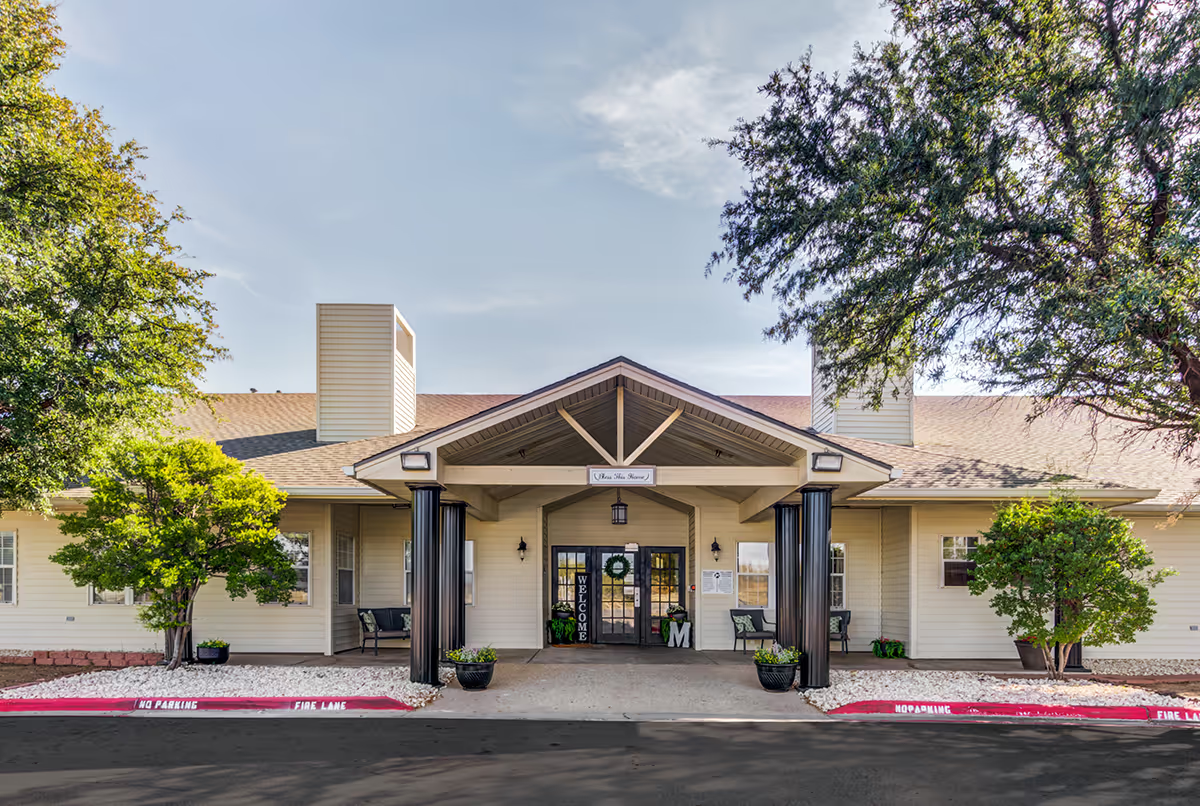
Baptist Retirement Community is described primarily as a full-service senior campus offering a continuum of care, from independent living through assisted living, memory care, and skilled nursing. Reviewers consistently highlight the facility’s ability to keep residents on one campus as a benefit, with staff and administrative processes that facilitate transitions between care levels. The community offers a mix of housing types (patio homes, duplexes, one- and two-bedroom apartments) and a range of support services that many families found helpful when planning moves and coordinating benefits.
Care and staff are frequently cited as strengths. Comments commonly emphasize compassionate, professional nursing staff and an administrative presence attentive to resident needs. Maintenance response times are described as prompt, and reviewers point to specific staff members and an organizational culture of helpfulness. At the same time, there is some variability noted in frontline caregiver availability and conduct; nurses are generally characterized as competent and present, while non-nursing caregiver staffing and responsiveness occasionally appear inconsistent. Staffing shortfalls have also been associated with intermittent service interruptions, particularly affecting dining-room and café operations.
Dining is a salient theme in the feedback. Many reviewers praised the main dining area and described the food as better than a typical institutional cafeteria; features singled out include affordable meals and an in-room dining option without extra fees. However, recurring comments raise concerns about limited menu variety and a tendency toward blandness, and reviewers linked staffing gaps to temporary cafe closures or abbreviated service at times.
Activities and social life emerge as clear strengths. The community supports an active calendar with a full-time activities director, twice-daily offerings, organized trips (weekly shopping and medical-appointment transportation), worship services, volunteer opportunities, games, karaoke, and social clubs. Residents describe increased social engagement, exercise, and friendships formed within the community, which many families cited as an important quality-of-life benefit.
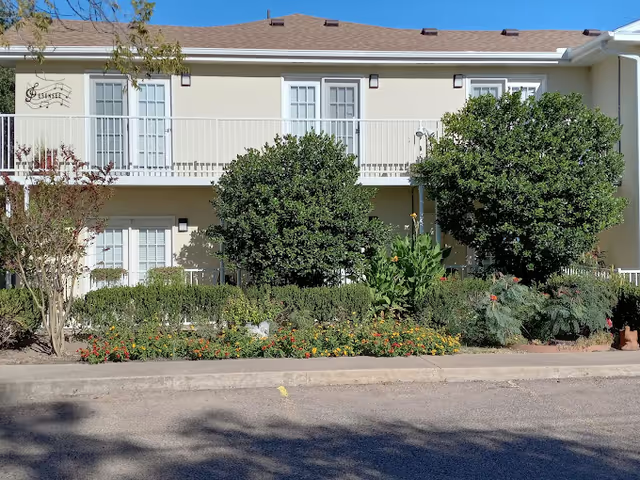
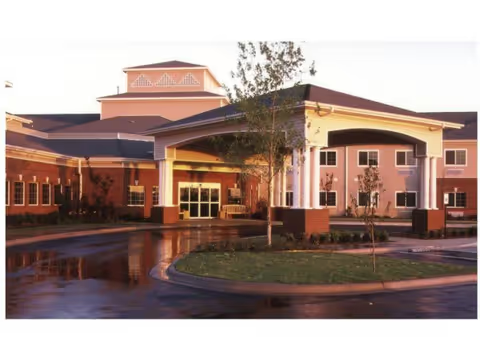
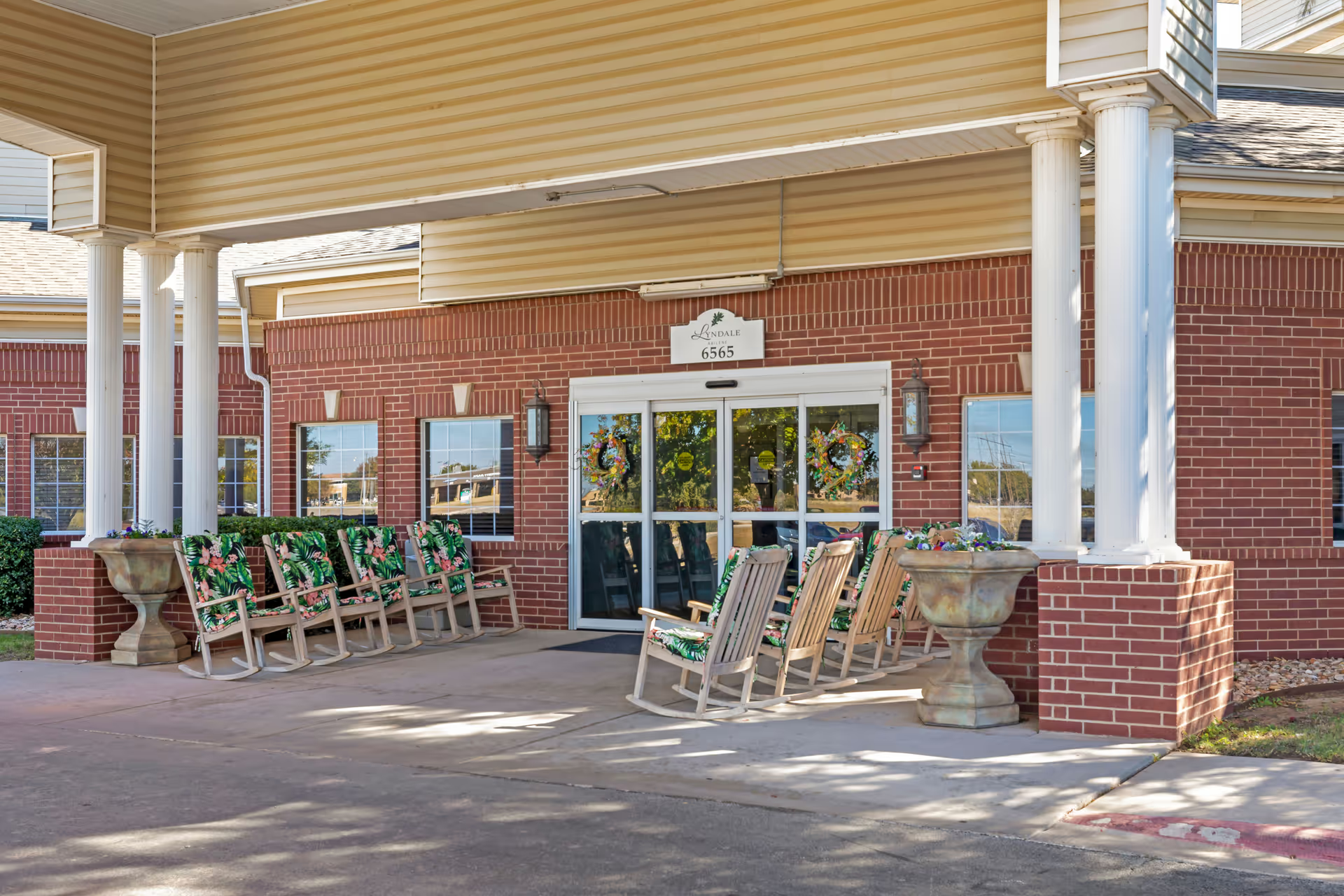
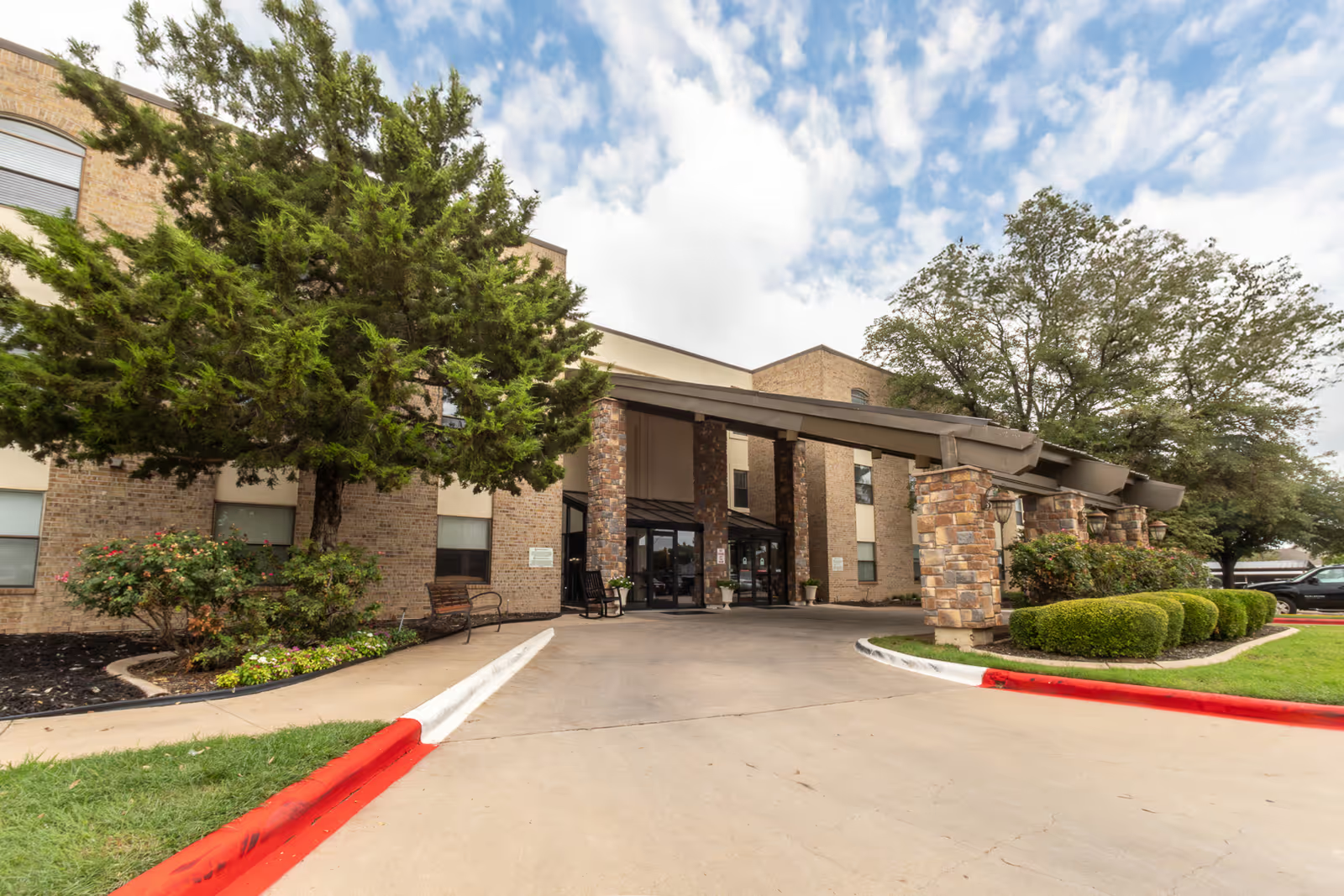
Facilities are a mix of modernized and dated areas. Many spaces have been renovated—refurbished duplexes, remodeled dining rooms, bright common areas, and multiple courtyards are noted positively. Reviewers also report ongoing renovations and frequent maintenance work; while this signals investment, it has sometimes caused temporary disruptions and visual inconsistency across the campus. Practical amenities such as an on-site salon/barber, laundry, weekly housekeeping, and available transportation are regularly highlighted.
Overall, the pattern of feedback frames the community as compassionate, activity-rich, and service-oriented, with practical conveniences and a generally well-run nursing presence. Key operational caveats for prospective residents and families are culinary variety and occasional dining interruptions, intermittent non-nursing staffing variability, and parts of the physical plant that still require renovation. Those prioritizing social programming, coordinated care transitions, and on-campus services will likely find the community aligns with those needs; those for whom diverse daily-menu options, consistent cafe hours, or a fully modernized interior are critical should plan visits to observe current dining offerings and renovation status in person.