Cedar Manor presents a mixed but overall serviceable profile. The most consistent strengths across reviews are the caregiving and therapy teams: many families and residents described staff as compassionate, attentive, and willing to provide individualized support. The therapy program is frequently cited as effective at facilitating short-term rehabilitation and helping residents return home. Activities and social programming appear active and well-received, contributing to a welcoming atmosphere for residents.
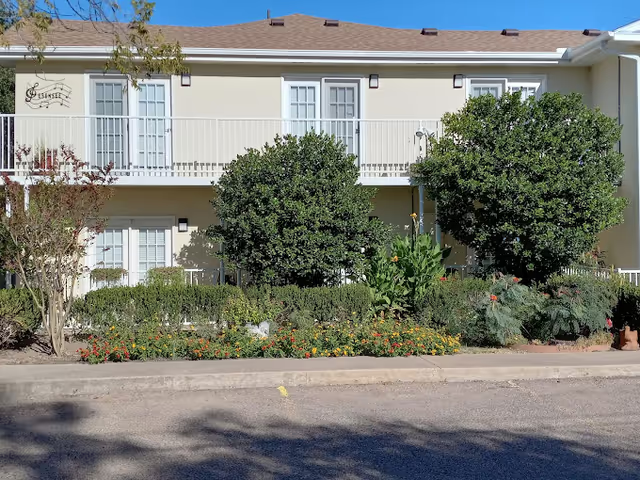
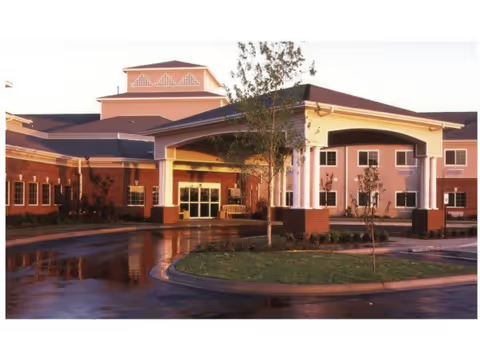
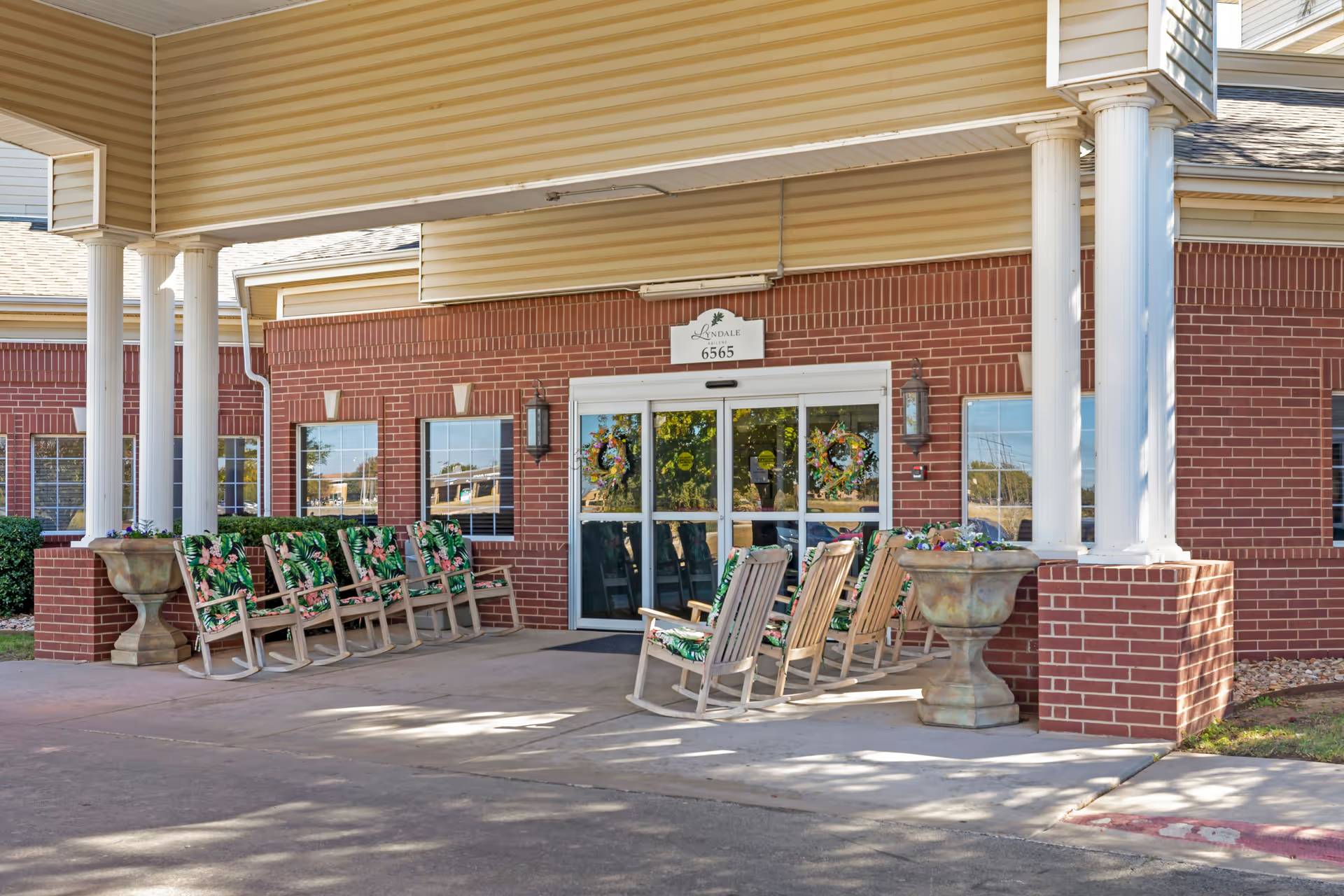
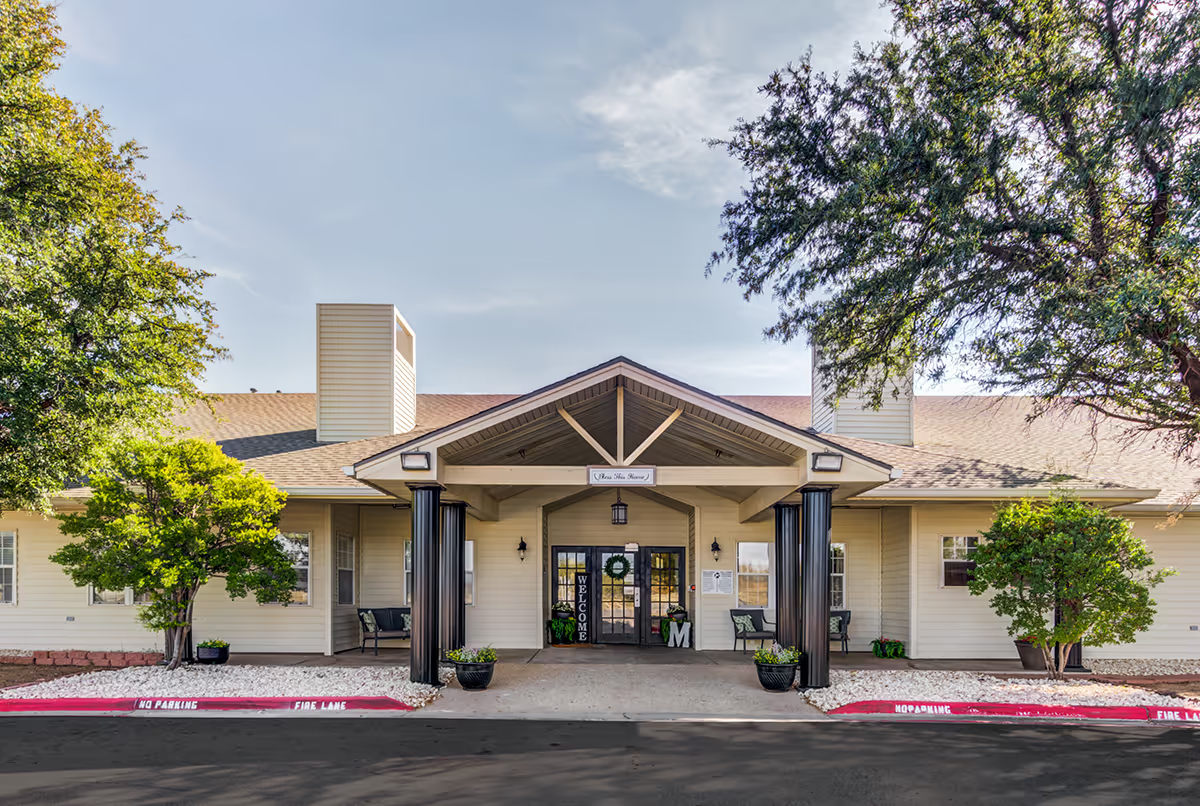
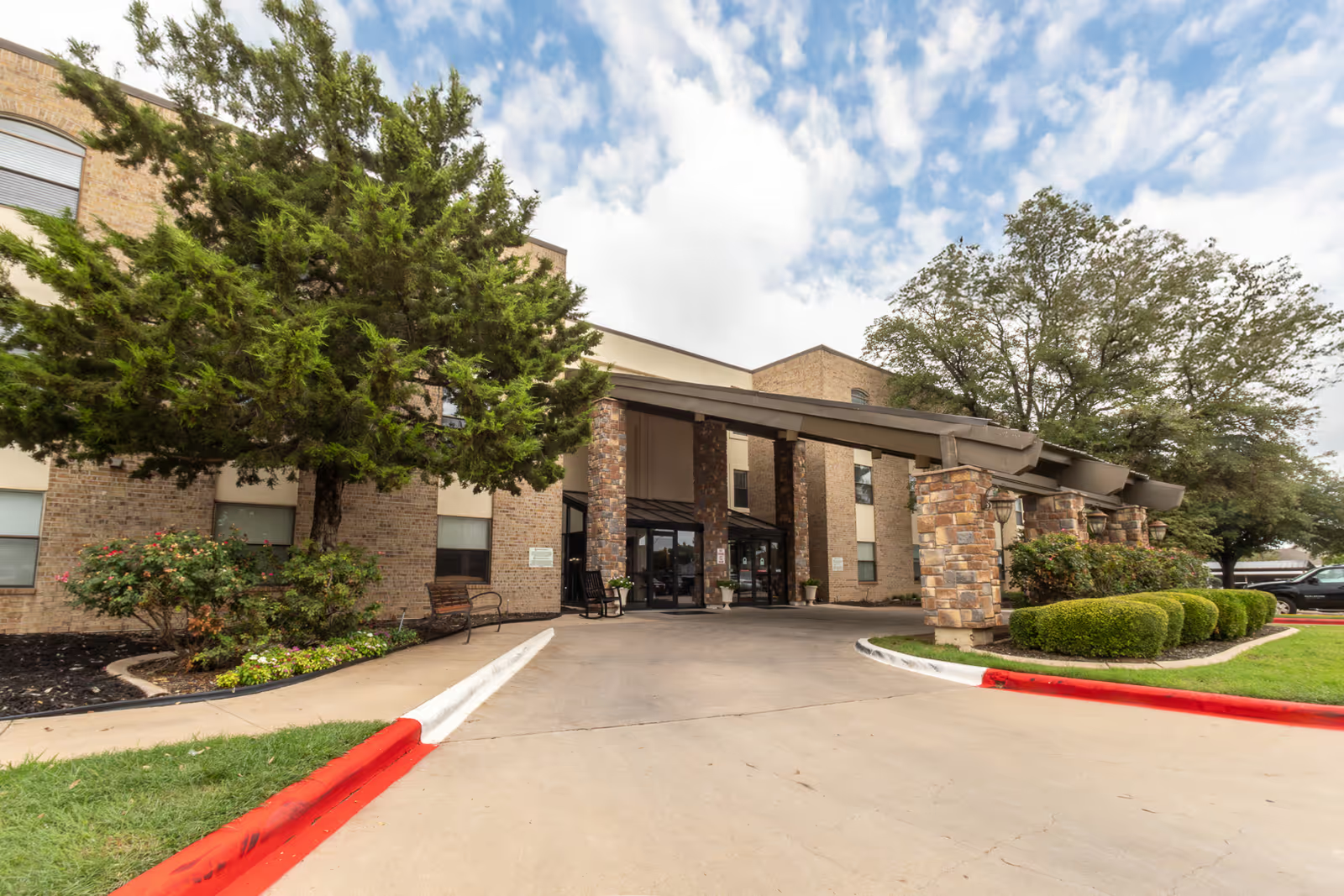
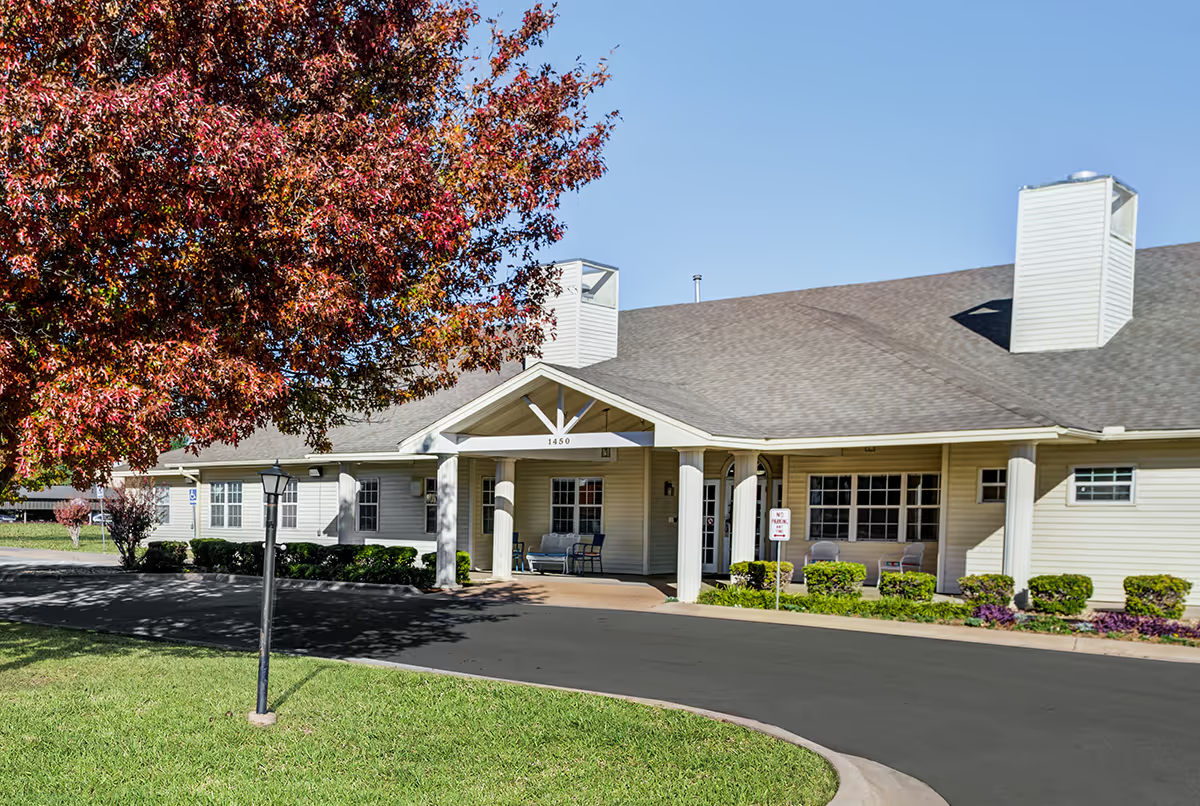
Dining and facility condition are areas of notable variability. Several accounts praise hot, freshly prepared meals and an improved menu, while others describe inconsistent food quality. Renovations and facility upgrades are underway under new ownership and have been highlighted positively; common areas and rooms are described as clean and spacious in many reports, though some reviews pointed to intermittent room-maintenance and cleanliness issues.
Operational weaknesses recur in several themes. Communication and responsiveness are commonly mentioned concerns: families described ineffective front-office and business-office communication, unreturned phone calls, and delays in responding to resident requests or call lights. Staffing levels and staff availability were also raised as ongoing challenges, with reviewers linking coverage gaps to slower response times. Relatedly, some reviewers raised serious concerns about medication management and about staff conduct and the tone of interactions; a small number of allegations described use of medications to calm residents and unprofessional behavior that prompted family intervention. Safety patterns were also noted, including concerns about fall-prevention and transfer-safety practices.
Management and ownership change is a prominent pattern. Multiple reviews reference new ownership and a visible management presence, with several families reporting improvements since the transition and crediting leadership for renovation work and operational changes. At the same time, some reviewers described inconsistent issue resolution and concerns about staff morale and compensation, which may reflect transitional staffing and administrative challenges.
For prospective residents and families: the facility shows clear strengths in caregiving, therapy, and social engagement, and is actively investing in physical upgrades. However, variability in communication, staffing consistency, dining quality, medication oversight, and safety processes suggest areas to probe during a tour. Recommended questions include current staffing ratios, protocols for responding to call lights, medication-management policies, fall-prevention strategies, recent inspection or quality metrics, and examples of how complaint-resolution is handled post-ownership change. A direct tour and conversations with the administrator and therapy staff can help verify whether recent improvements have addressed the documented concerns.