Meadow Creek presents a mixed picture: the facility demonstrates clear strengths in hands-on caregiving and rehabilitation but also shows recurring operational weaknesses that families should weigh. Many reviews emphasize compassionate nursing and CNA attention, a skilled physical/occupational therapy team, and a rehabilitation-oriented environment that produces positive outcomes for short-term rehab patients. Admissions experiences, activity leadership, and restaurant-style dining with menu choices were frequently cited as positive entry points for families evaluating placement.
Care quality appears to be variable. Positive accounts highlight effective wound care, safe transfer practices, daily updates, and coordinated teamwork between nursing and housekeeping. At the same time, there are repeated references to understaffing, inconsistent clinical oversight for residents with complex or high-acuity needs, and lapses in responsiveness — for example, delays in attending to care needs and delayed test scheduling or appointments. These patterns suggest the facility can deliver strong care when staffing and clinical oversight are adequate, but outcomes may fall short when those systems are strained. There are also explicit concerns about medication decisions and pain-management practices that families should review with clinical leaders during admission.
Dining and nutrition are another area of divergence. Several reviewers praised the kitchen, named staff, and appealing, restaurant-style meals; others described a decline in menu variety and freshness over time (fewer fresh fruits and salad options, more canned or prepackaged items, and occasional cold or bland meals). Given that nutrition is central to recovery and long-term health, prospective residents and family members should confirm current menu practices and how dietary needs are individualized.
Activities and social environment receive generally favorable comments: bingo, crafts, dog visits, and other programs contribute to a positive living atmosphere. That said, some residents — particularly those with cognitive impairment — were described as participating less, and a number of reviews indicate insufficient one-on-one interaction for residents who need more engagement. Families who prioritize active programming or individualized stimulation should probe activity frequency and staffing during tours.
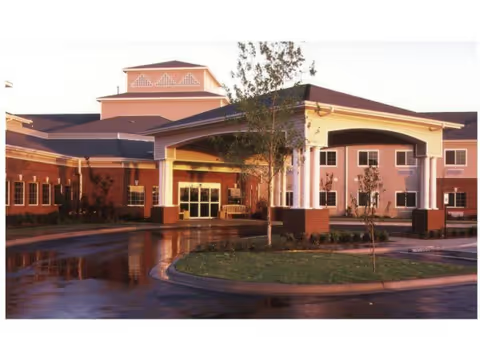
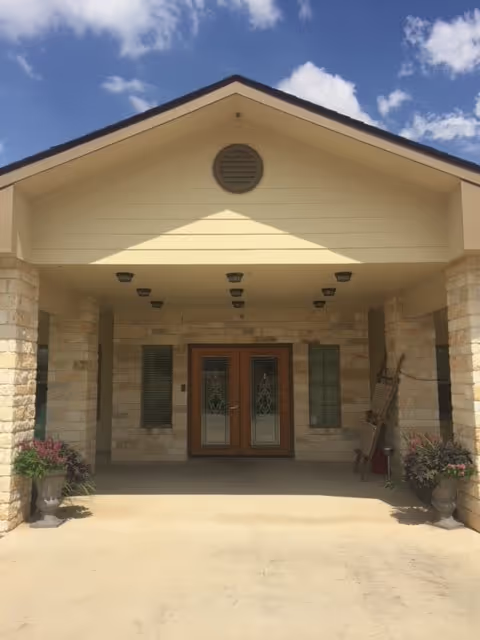
Facility condition and amenities are mixed. The building is described as attractive and, in many areas, clean and well maintained; however, other accounts highlight the need for upgrades, occasional sanitation and odor concerns in some zones, and pest-control follow-up. Connectivity and language access have gaps noted by reviewers (limited Spanish-language support and lack of accessible Wi‑Fi). Physical plant issues such as locked restrooms at certain times and outdated fixtures were also mentioned.
Management and administration present contrasting impressions. Some families praised new or engaged leadership, clear communication, and responsive follow-up; others raised concerns about high turnover, poor complaint resolution, paperwork errors, and confusing coordination around hospital transfers and Medicaid paperwork. There are also serious individual claims — including allegations of financial misconduct and missing personal items — that warrant careful inquiry. Prospective families should ask management about incident investigation procedures, property-security measures, staffing ratios, clinical oversight for higher-acuity residents, and how the facility documents and follows up on clinical and administrative complaints.
Overall, Meadow Creek may be a good fit for short-term rehabilitation or residents who benefit from a therapy-focused, social environment and compassionate direct-care staff. Families considering long-term placement for someone with complex medical needs should verify current staffing levels, medication-management protocols, infection-control and sanitation procedures, and administrative responsiveness before making a decision. Regular family involvement and clear communication with facility leadership are likely to improve the resident experience given the variability described across reviews.