Reviewer feedback for Regency House is strongly mixed, with clear patterns of both notable strengths and persistent operational weaknesses. On the positive side, many families and residents described direct-care staff as compassionate, friendly, and professional. Nursing teams and CNAs receive frequent praise for hands-on care, and the facility's rehabilitation and physical therapy services are highlighted as effective and encouraging. Several reviewers singled out admissions and certain leaders (for example, Shanna) as attentive and helpful; hospice coordination and end-of-life support were also described positively in multiple accounts.
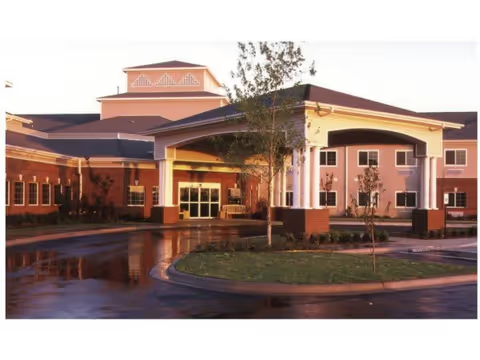
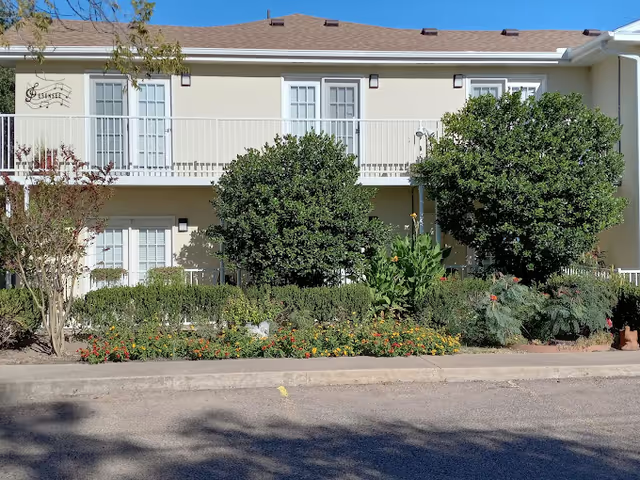
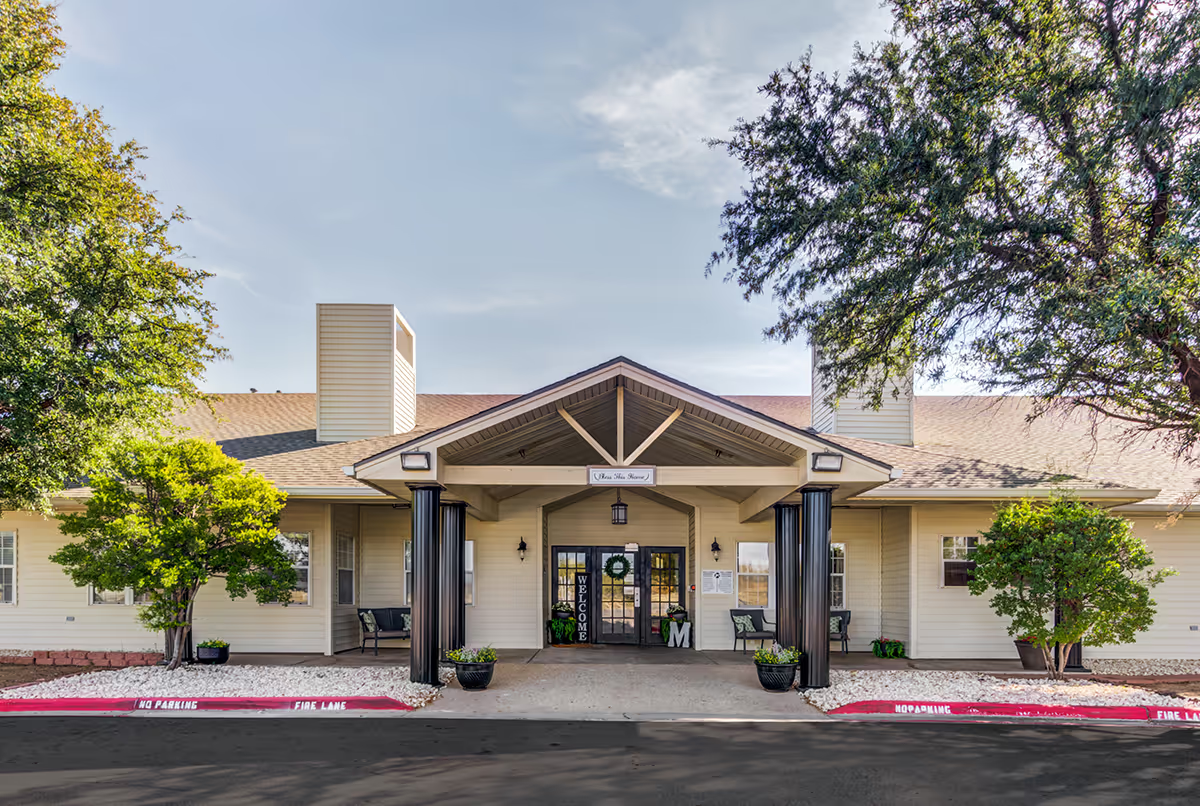
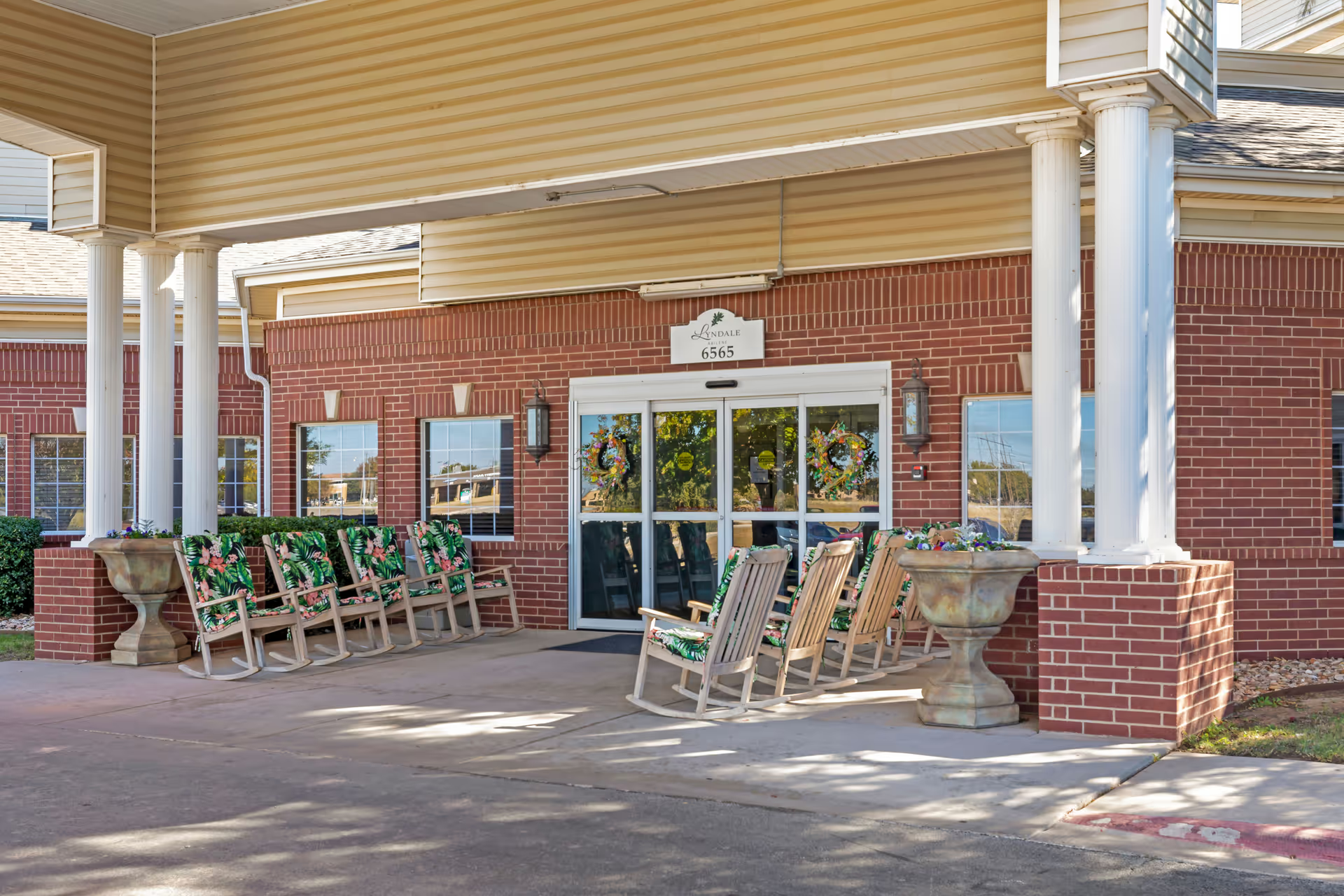
Dining, activities, and the facility environment are frequently cited as strengths. Multiple accounts describe homemade-style meals, a pleasant dining experience, and a home-like atmosphere that supports socialization. Organized activities and opportunities for residents to eat in communal settings were noted as beneficial to residents' well-being. The building itself is often described as clean and well maintained, with many families noting fresh smells and a tidy appearance in common spaces.
Counterbalancing these positives are recurring operational concerns. Leadership and management stability are inconsistent in the reviewer narrative: comments range from praise for a hardworking administrator to criticisms of poor management and lack of visible leadership. Staffing levels and workload pressures on frontline caregivers emerge as a clear pattern; several accounts indicate short staffing, high-pressure conditions for floor workers, and variability in how quickly staff respond to requests for assistance. These dynamics appear to contribute to uneven day-to-day care reliability across shifts.
Facility-operation issues include disorganization at reception and unit navigation (for example, absent front-desk coverage and difficulty finding rooms) and sanitation or odor concerns in specific areas. Financial-handling issues are an important theme: reviewers describe pressure to pay upfront, delays in refunds, and difficulties working through corporate channels, creating stress for families and raising questions about billing practices. Communication gaps between corporate management and families are mentioned alongside these concerns, which can complicate resolution of care or billing issues.
Taken together, the reviews portray a facility with strong frontline caregivers and programs that support rehabilitation, dining, and social engagement, but with material weaknesses in management, staffing consistency, and administrative processes. Prospective residents and families may find value in the facility's clinical and social offerings, but should also inquire directly about current staffing ratios, escalation procedures, front-desk coverage, sanitation protocols, and billing/refund policies. An in-person visit and targeted questions about leadership continuity and financial handling are advisable to gauge whether the facility's strengths are reliably delivered for a particular resident's needs.