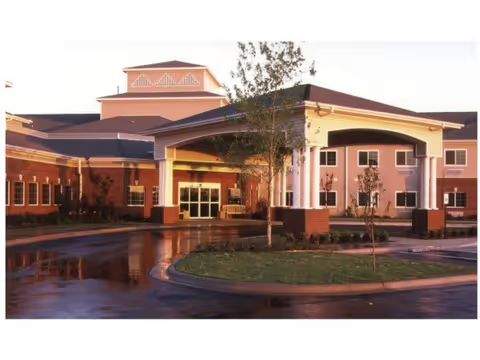
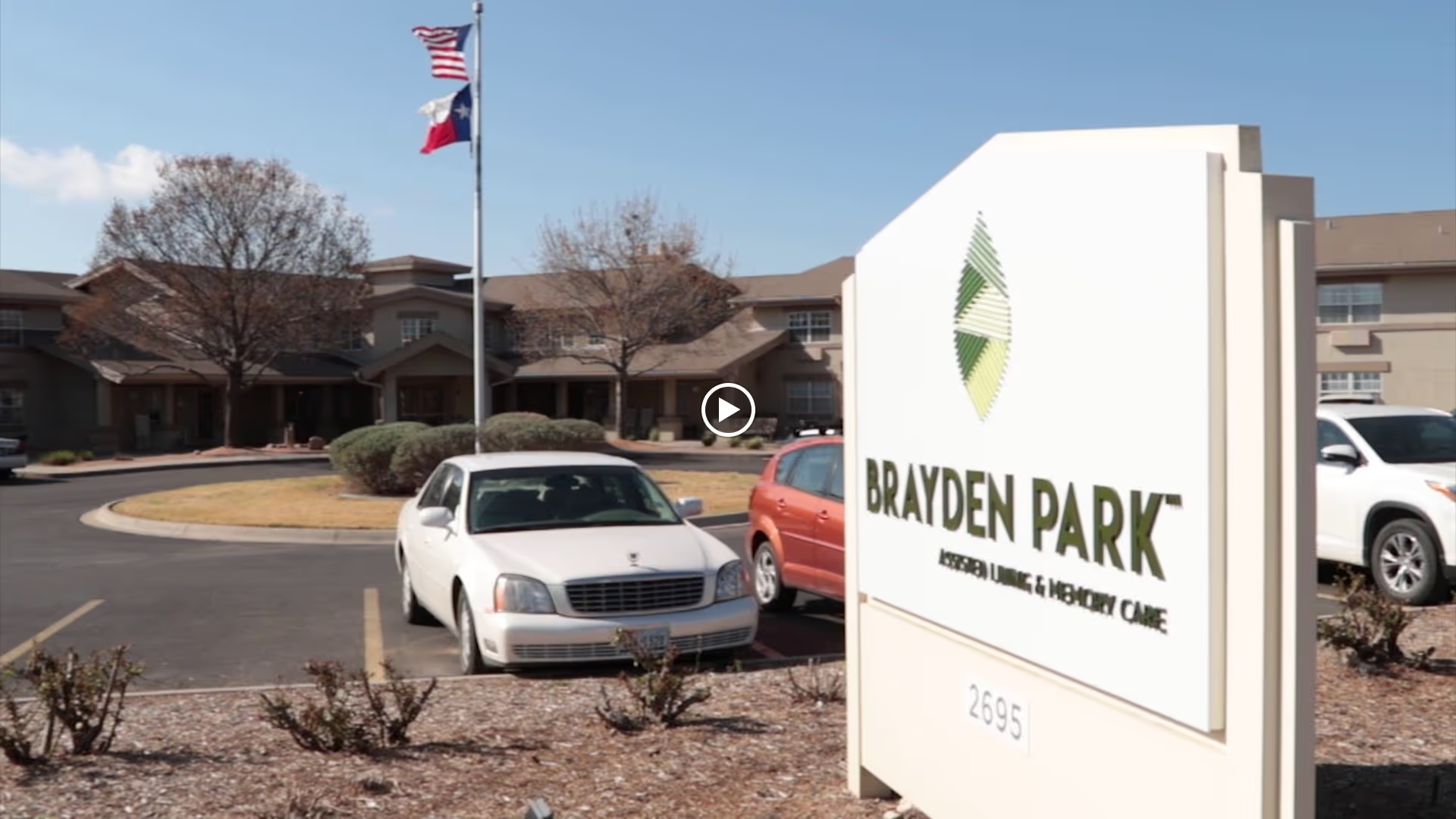
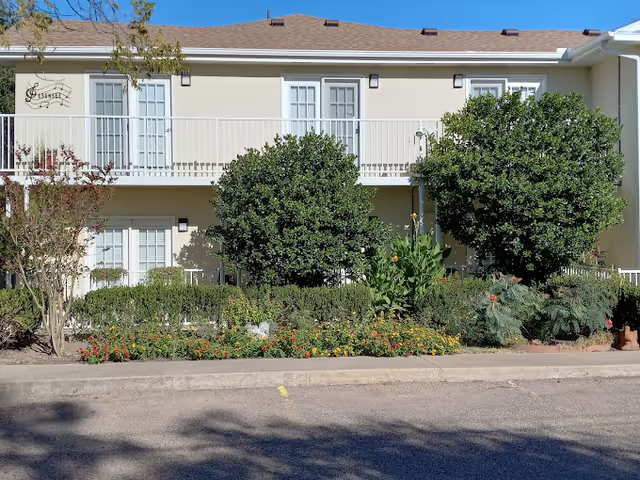
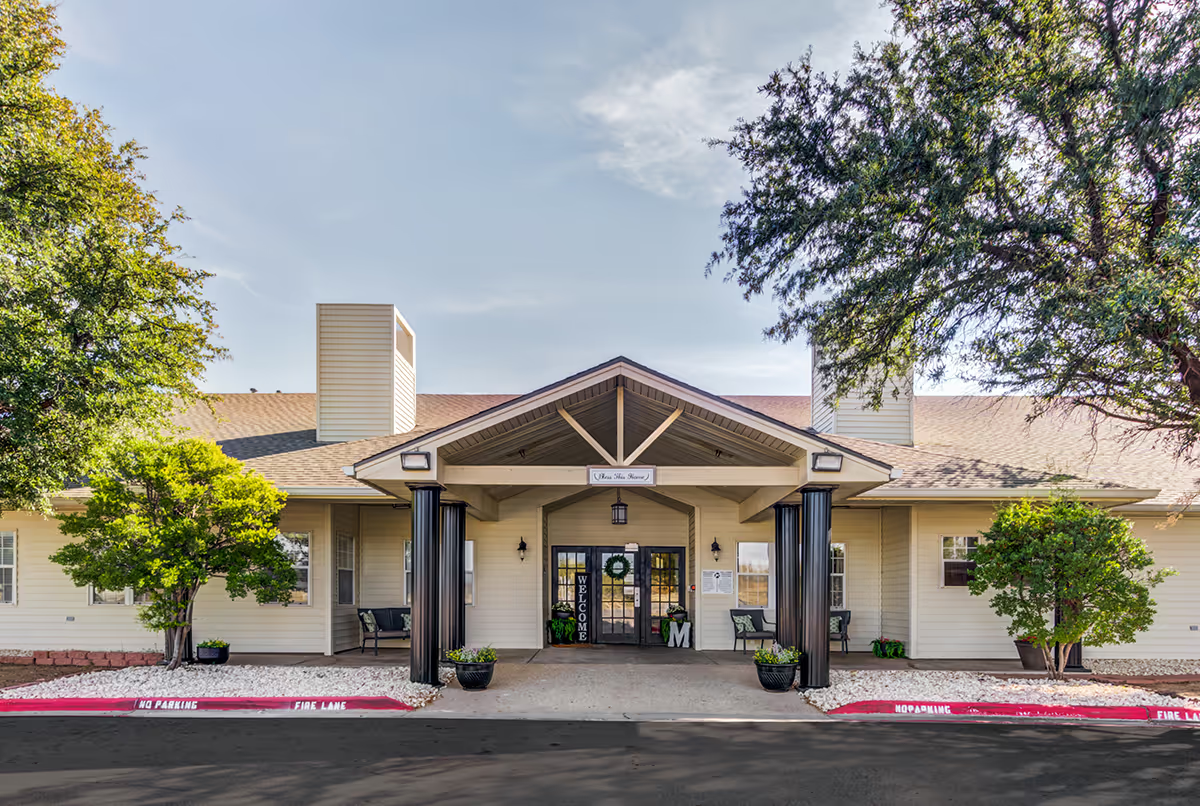
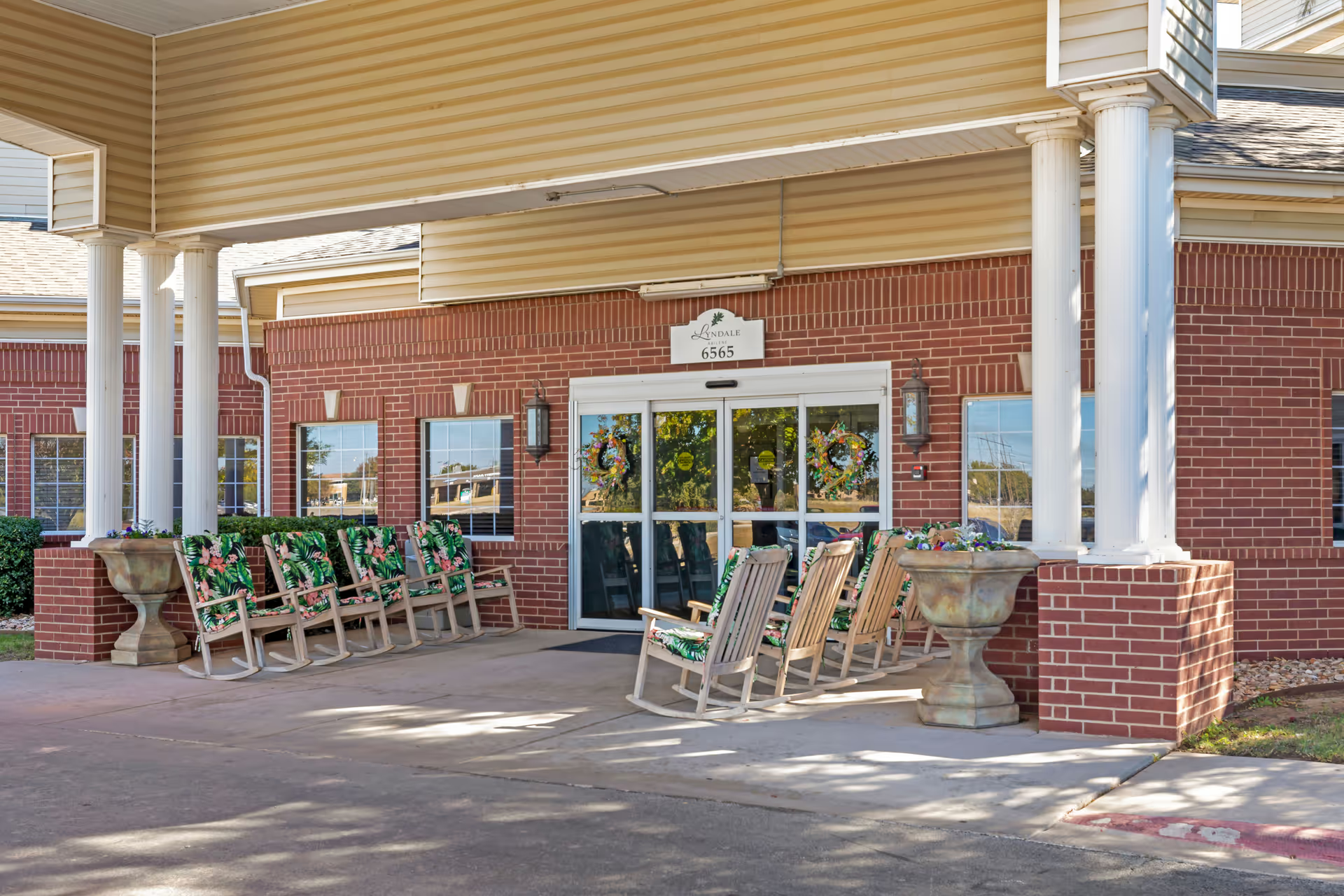
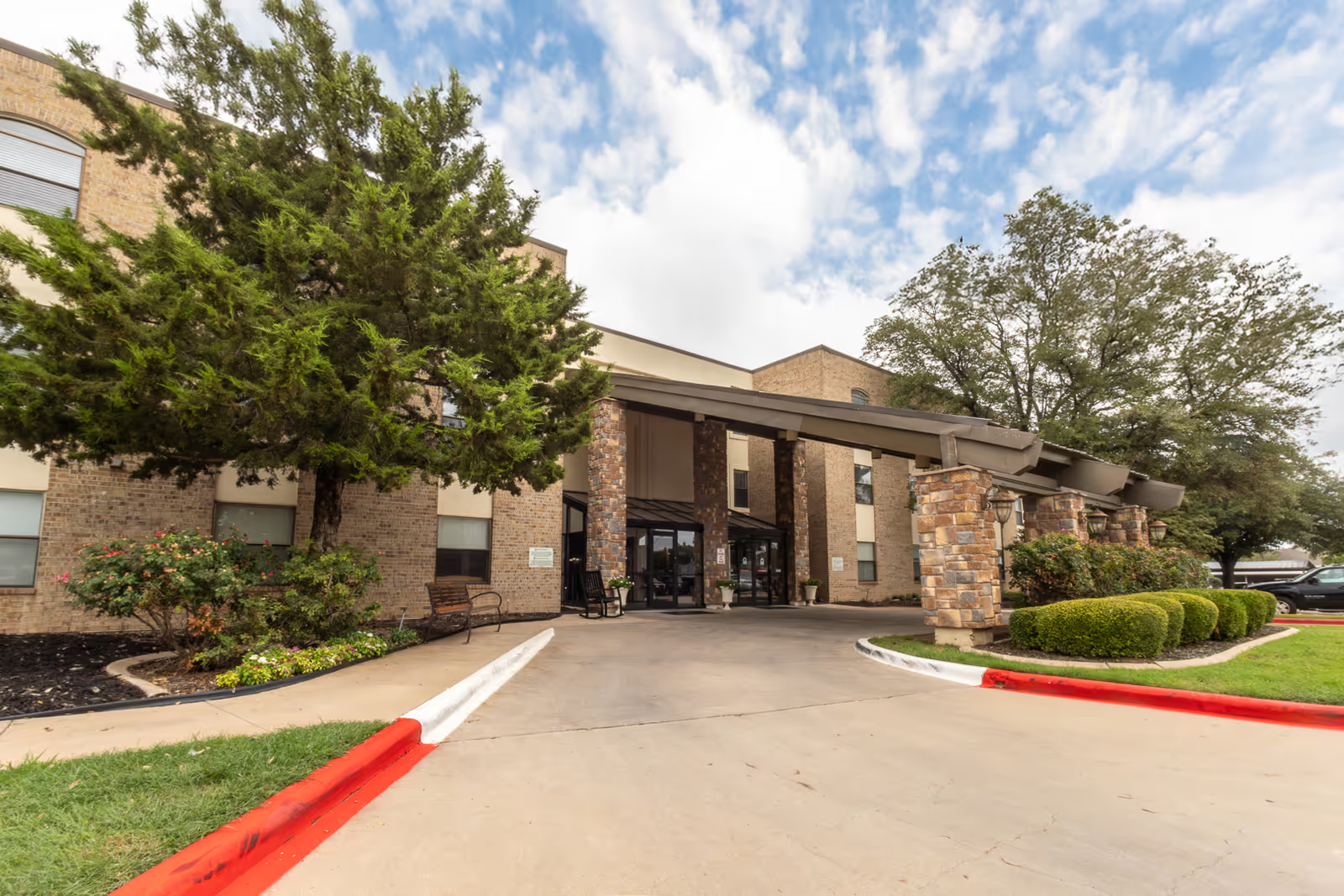
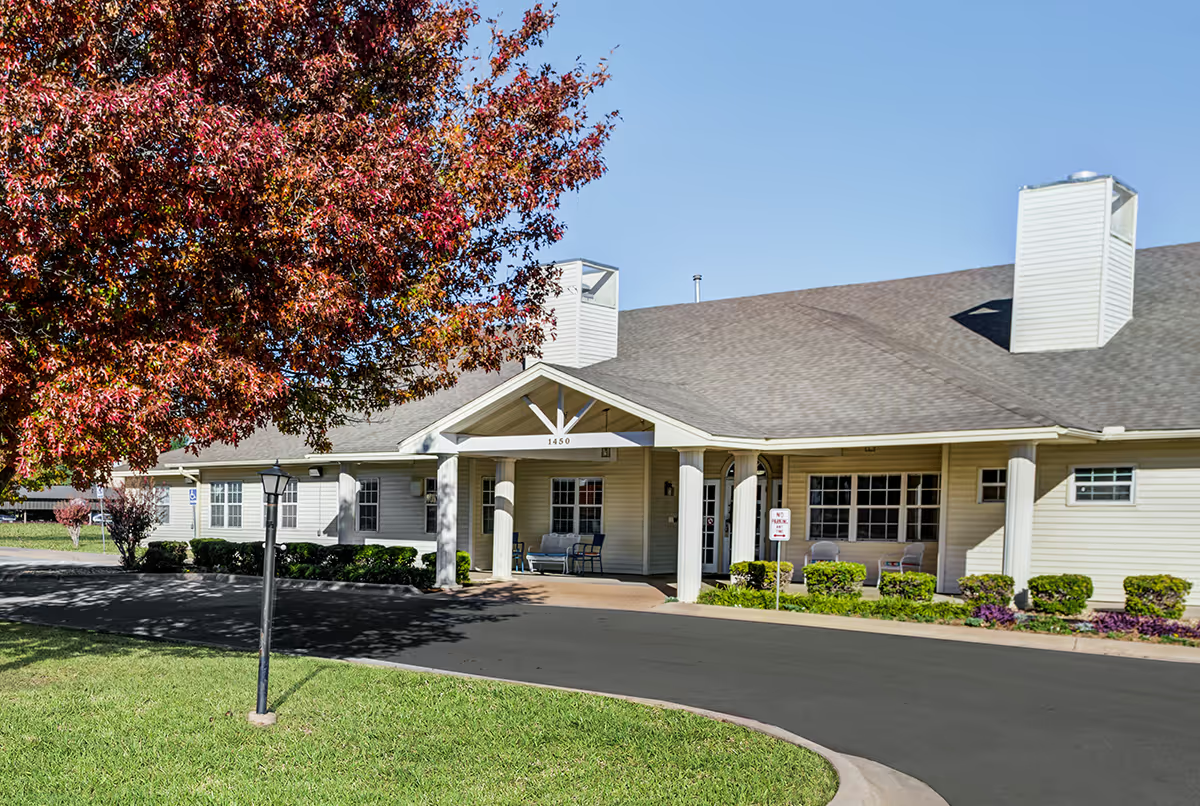
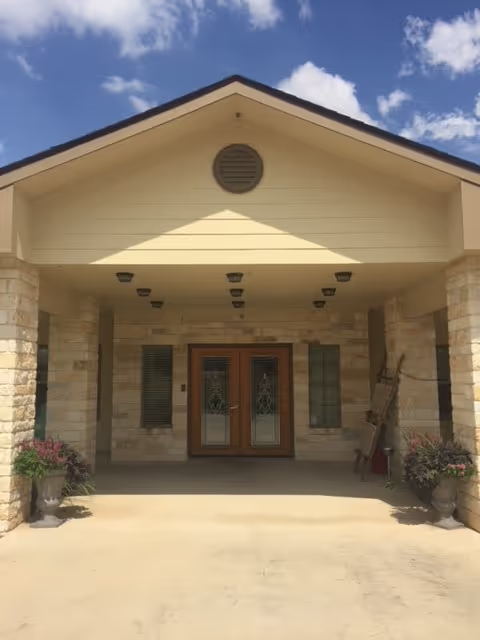
Overall impression: The Springs Memory Care presents as a well-kept, secure memory-care community with a strong emphasis on personalized, home-like living spaces and a robust program of social and therapeutic activities. Reviewers consistently highlight cleanliness, landscaped indoor and outdoor areas (atrium, indoor garden, courtyard), and thoughtfully designed dining and common areas. The community's memory-care focus and escorted-access layout are seen as strengths for safety and resident orientation.
Care and staff: Families and visitors most often describe staff as compassionate, knowledgeable, and highly engaged with residents. Many note reliable medication management and individualized attention that contributes to residents' sense of safety and wellbeing. There is also praise for nurses and specific caregivers who provide exceptional, consistent care. However, a recurring operational pattern is inconsistent staffing levels and periodic staff turnover, especially around admissions. These staffing fluctuations have been linked to training-in-progress situations, delays in response times, and occasional gaps in transfer-assistance staffing that may affect safe handling of residents who require two-person transfers.
Dining: Dining is frequently cited as a positive. The facility offers attractive dining spaces, options for communal or solo dining, and generally well-liked, healthy meal plans. Reviewers mention pleasant dining areas that are well-lit and clean, and several commented that food quality and portioning supported improved weight and appetite for some residents. The facility also provides assistance navigating payment options and insurance, and some families noted all-inclusive pricing structures.
Activities and social life: Activity programming is a clear emphasis — the calendar typically includes physical, social, intellectual, spiritual, emotional, and sensory stimulation with offerings such as music, sing‑alongs, bingo, crafts, entertainment, pet therapy, outings, and seasonal events. This contributes to strong staff–resident interaction and a visible sense of belonging. That said, activity variety has been reported to scale back during infection-control periods, and a minority of family members described a less varied or less consistently staffed activity program at times.
Facilities and resident experience: The physical plant receives consistent praise for its cleanliness, bright open spaces, wide hallways, and outdoor amenities where wildlife and landscaped courtyards are appreciated. Rooms are described as comfortable and can be personalized to feel home-like. A notable facility-level limitation is the predominance of semi-private rooms, which raises concerns about privacy and noise for some residents. Secure entry/exit procedures and escorted access enhance security but are also described by some as restrictive to family movement and visiting flexibility.
Management and notable patterns: Many families recommend the community and cite peace of mind from the staff and environment. Conversely, operational issues include communication gaps during admissions and care transitions, occasional unannounced staff changes during admission, and the perception of higher costs relative to alternatives. Together, these patterns suggest a strong clinical and social program supported by thoughtful facilities, but one that would benefit from more consistent staffing, clearer communication during transitions, and expanded private-room options to better meet diverse resident needs.