The review set presents a facility with a split profile: numerous families praise the care team, admissions staff, and specific clinical services, while other accounts raise substantial operational and environmental concerns. Strengths most consistently mentioned are the compassion and helpfulness of direct-care workers and select nurses, an admissions team that facilitates rapid placement and family orientation, and a rehabilitation/therapy program with good follow-through. Several reviewers also described engaged directors and a clinical leadership change that corresponded with improvements in resident activity programming, morale, and some aspects of clinical oversight.
Care quality is described as uneven. Positive experiences include attentive nursing assistants, coordinated physician visits, reliable transportation, and effective therapy teams that supported recovery. Counterbalancing those are accounts describing delayed recognition of clinical events (including falls and late detection of injuries), inconsistent medication oversight, and delays in attending to resident needs when staffing was stretched. Families should be aware of variability in clinical-incident response and communication; the pattern suggests strong care at times but meaningful lapses at others, particularly during understaffed shifts.
Staff and culture also vary across reports. Many reviews highlight courteous, helpful, and long-tenured staff, plus specific individuals who create a welcoming atmosphere. At the same time, other accounts describe abrupt or unprofessional communication, reluctance to resolve family concerns, and staff conduct issues that undermine trust. Understaffing is a recurring theme tied to delayed assistance and stress on front-line teams. Leadership changes and an active director of nursing are cited as drivers of recent improvements, but operational inconsistency between units and shifts is frequently noted.
Dining and activities show a mixed picture. Several families praised improvements in meals, engaged dining staff, and increasing activity options that encourage resident participation. Other reviewers described inconsistent meal quality and dissatisfaction with food on certain days. Activity programming appears to be evolving, with new offerings and family involvement reported alongside occasional uneven execution.
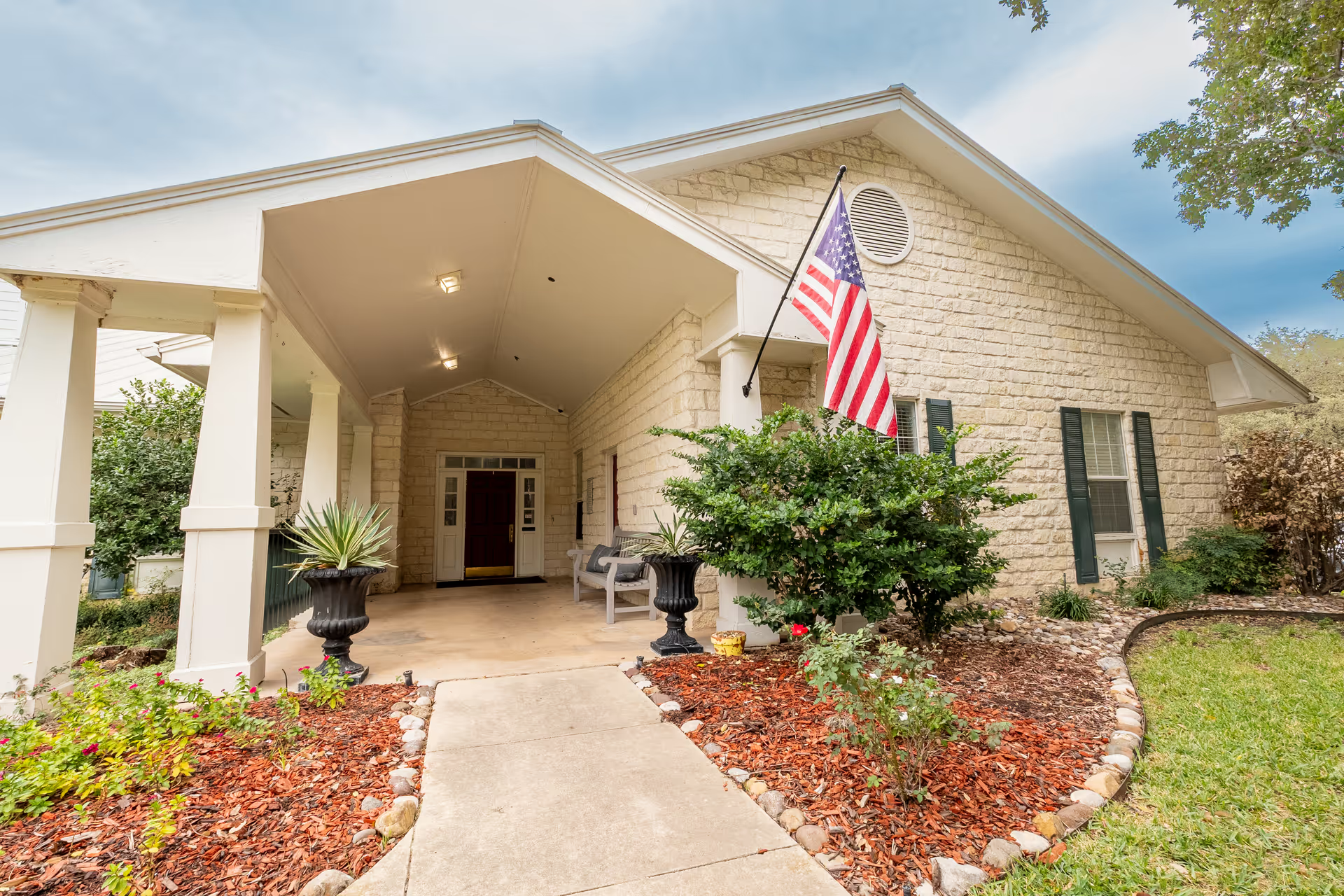
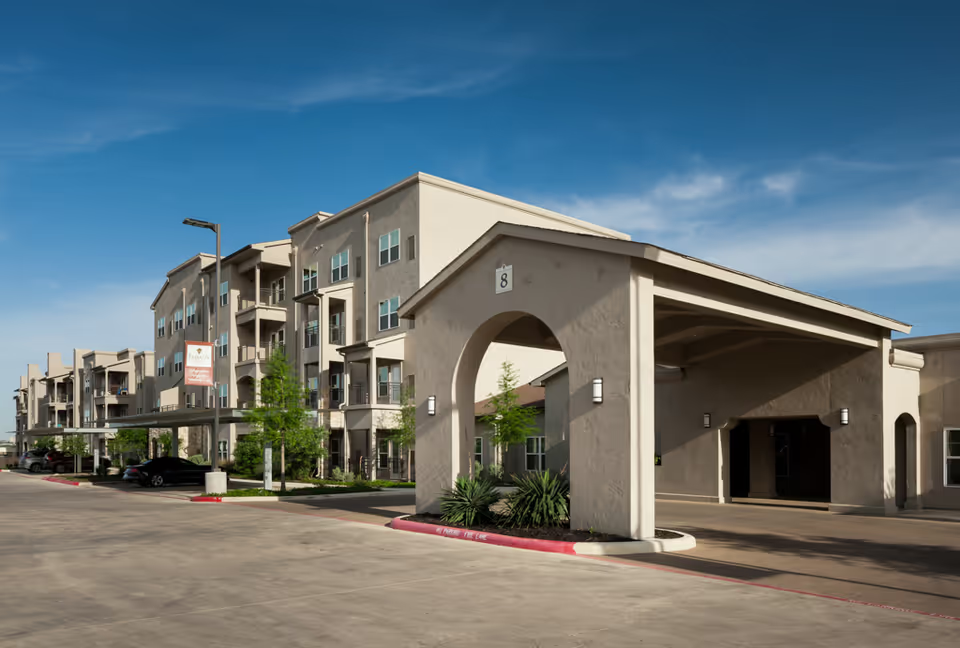
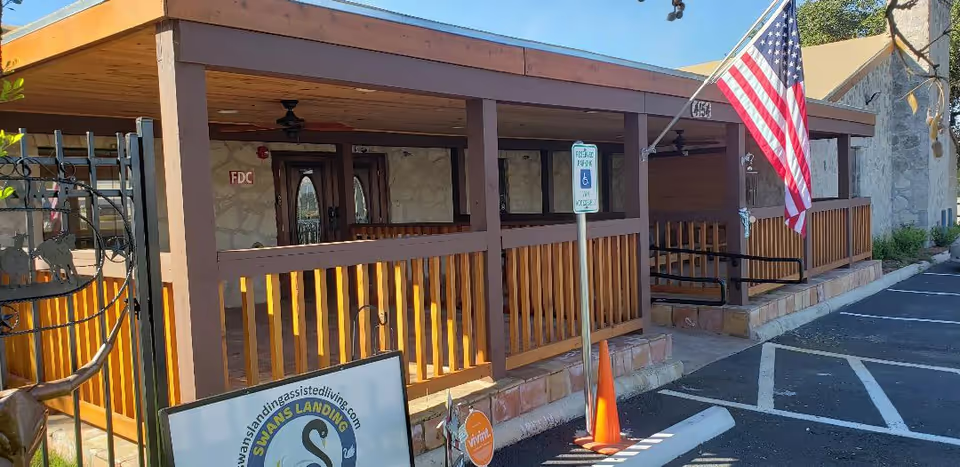
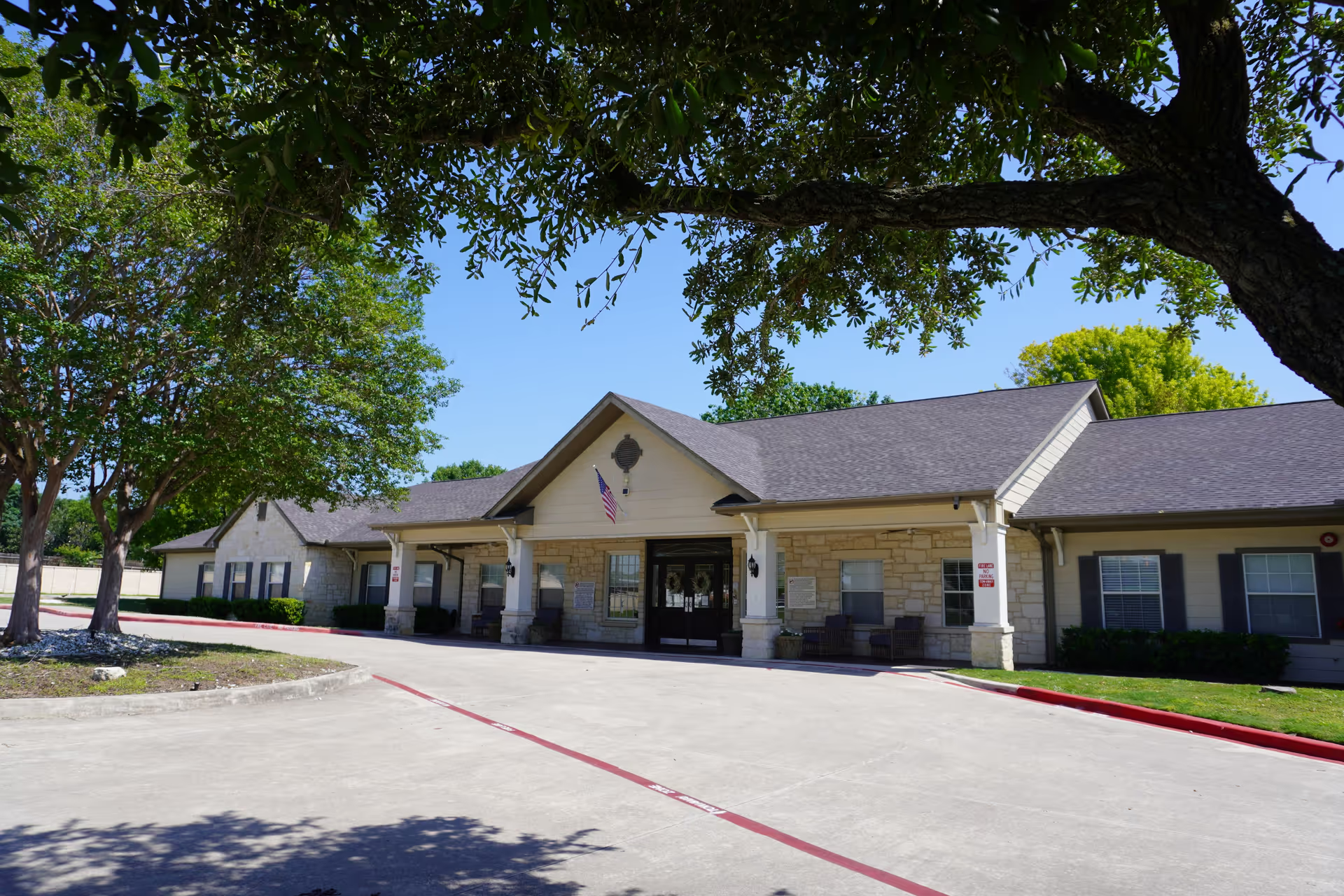
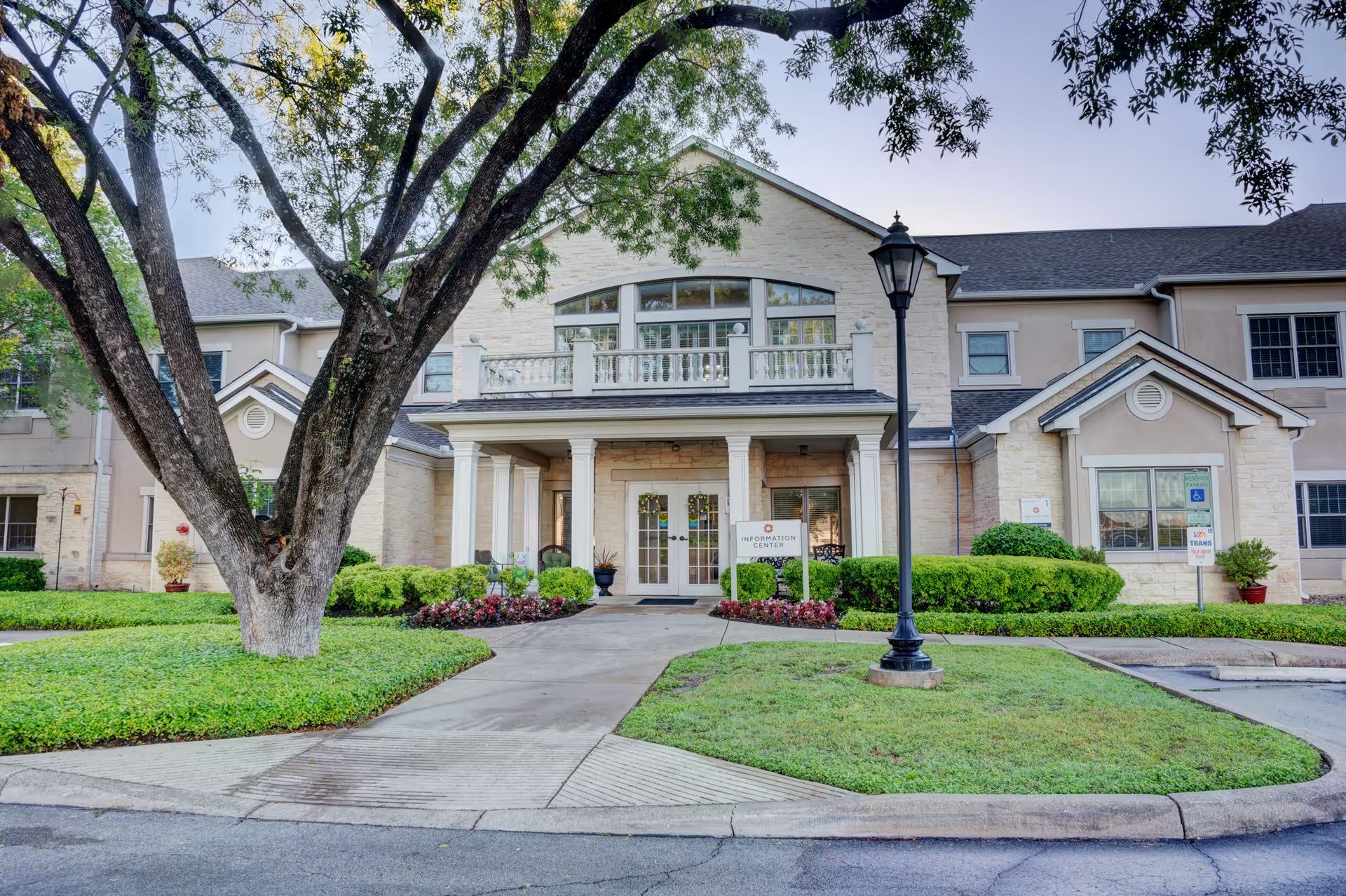
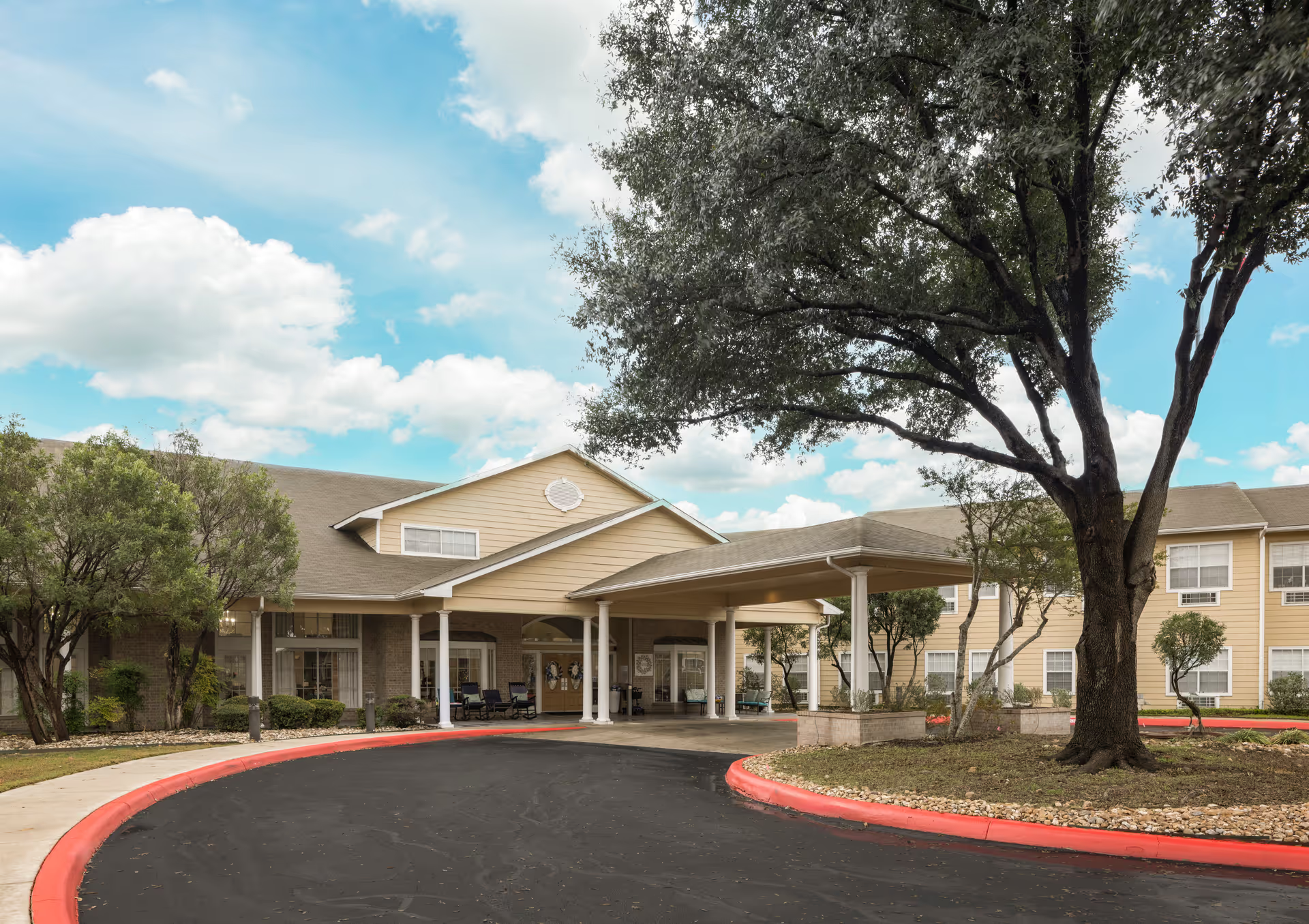
Facility condition and maintenance are notable areas of concern. Positive comments reference attractive grounds, a pleasant entry environment, and clean common areas in portions of the building. However, many reviews indicate aging infrastructure, maintenance backlogs (including roof and building-repair issues), small shared rooms with limited space for two occupants or wheelchairs, and sanitation or pest-control concerns in some areas. Security and property-control weaknesses—ranging from allegations of unauthorized resident release to concerns about personal belongings—were raised and merit careful inquiry.
Taken together, the pattern is one of operational variability: distinct strengths in admissions, individualized attention from some staff members, and rehabilitative services coexist with systemic issues in maintenance, housekeeping, staffing consistency, and incident response. Prospective residents and families would benefit from an in-person tour focused on unit-specific cleanliness, room size and configuration, pest-control protocols, staffing levels (including weekend and night coverage), fall-detection and notification procedures, medication-management practices, and documentation of recent health-inspection outcomes. Asking for references from recent families and for evidence of corrective actions on maintenance and safety items can help assess whether the facility’s positive changes are sustained and whether remaining risks are being actively managed.