Experiences at Pecan Valley Rehabilitation and Healthcare Center vary notably by resident, care type, and apparent time period. Many families describe successful short-term rehabilitation, with patients making meaningful progress after surgery, a fall, or a stroke. Physical and occupational therapy receive especially frequent praise for being supportive and effective; speech therapy is also mentioned positively. In contrast, some families describe difficulty obtaining timely nursing assistance, personal-care support, or follow-up when they raise concerns. A few serious individual accounts raise questions about safety supervision and the response to changes in residents’ condition, including end-of-life care concerns following a resident’s death.
Staff feedback is similarly mixed. Positive accounts describe kind, attentive nurses, aides, therapists, and support staff, with families appreciating updates, help coordinating care, and a welcoming approach to visits. Specific employees are praised for going beyond routine duties. Other accounts describe limited staff availability, dismissive or abrupt communication, and concerns that questions or complaints were passed between departments without resolution. Some families also report difficulty with admission decisions, discharge planning, and obtaining clear information about medications or services.
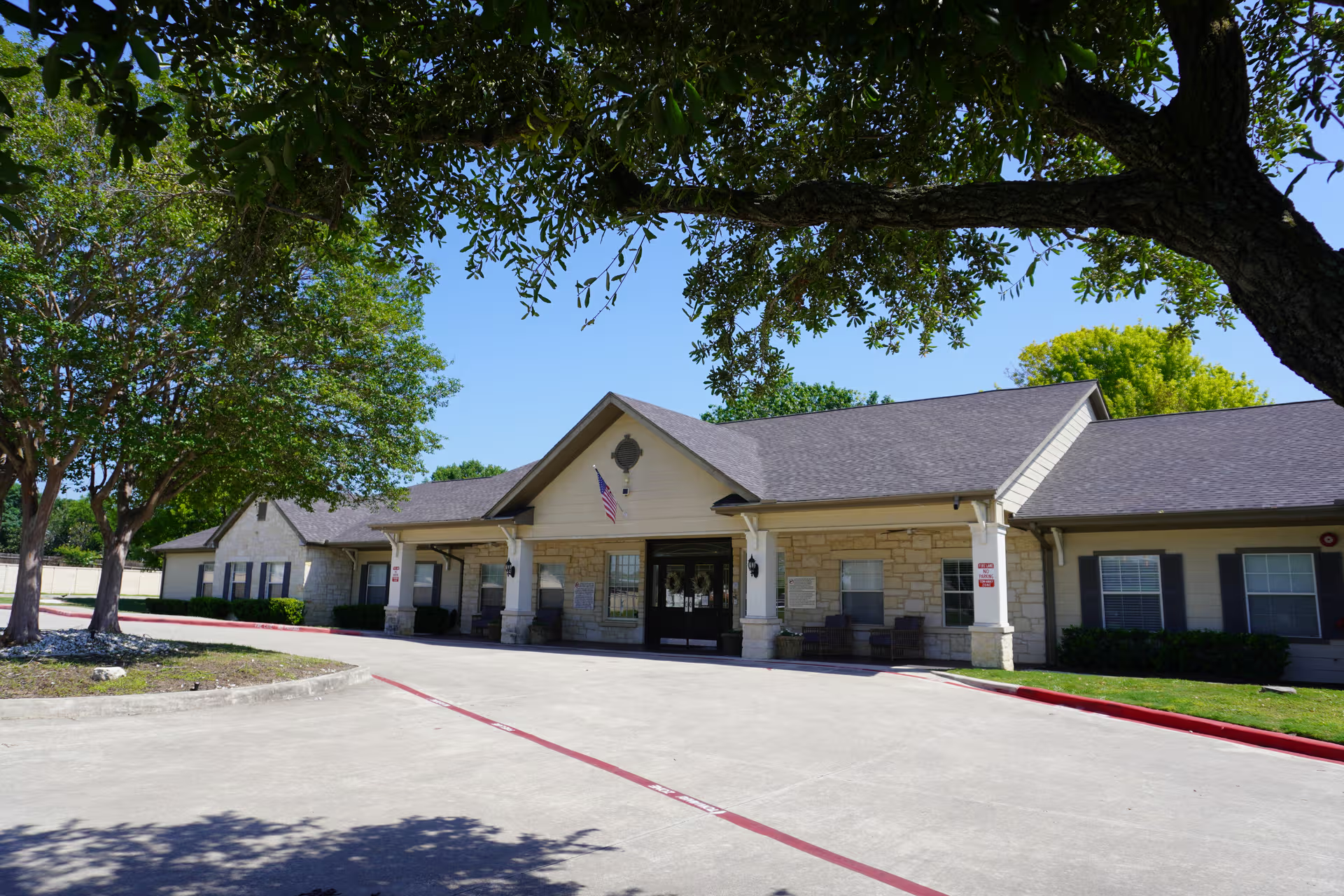
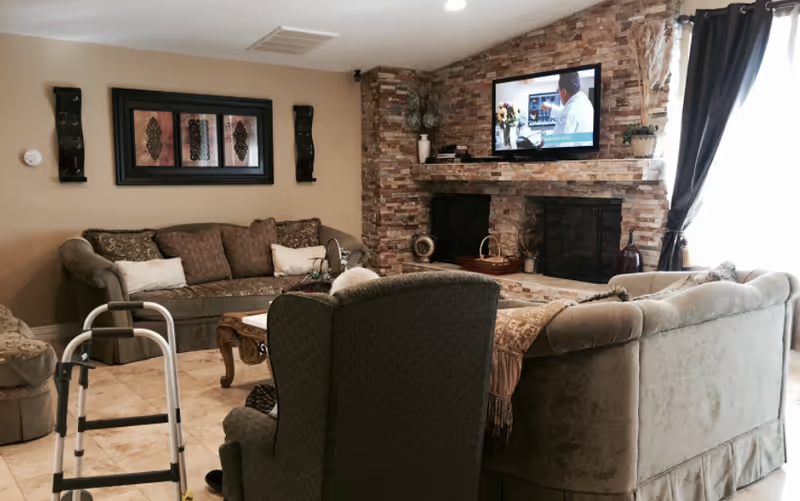
The building is often described as clean, pleasant, and inviting, and some visitors note renovations, activities, and residents spending time in common areas. Other accounts cite inconsistent room cleaning, temperature or nighttime noise concerns, and problems tracking personal belongings. Dining impressions differ: some families find meals appealing, timely, or varied, while others describe poor quality or limited choices. Shared rooms and the cost or availability of private rooms are additional concerns for some residents and families.
Long-term-care experiences are less consistent than the many positive rehabilitation accounts. Families report both years of compassionate, communicative care and ongoing concerns involving personal care, nutrition, hydration, and coordination. Several reviews also refer to positive changes under new management, while others describe unresolved operational problems. Because the reviews span different periods and include both rehabilitation and long-term care, prospective residents should ask about current staffing, therapy schedules, care-planning and complaint processes, room arrangements, meal options, and how the facility communicates changes in a resident’s condition. These accounts offer useful perspectives but do not establish the facility’s present performance in every area.