Reviews of Remington Transitional Care of San Antonio present a polarized picture: a substantial portion of families and patients describe attentive, skilled staff and a therapy-focused environment that supported meaningful recovery, while other accounts raise operational and clinical concerns that materially affected outcomes.
Care and clinical quality: Many reviewers praised the facility's rehabilitation teams (PT/OT) and credited therapists and some nurses with significant functional improvements. At the same time, a pattern of inconsistent clinical performance appears across reviews. Concerns include delayed nurse responsiveness, missed or incorrect medication administration, gaps in wound and infection oversight, and situations that required escalation to emergency care. These problems are described as intermittent rather than universal, suggesting variability by unit, shift, or clinician. Prospective families should ask specifically about current staffing ratios, medication-safety protocols, and wound-care policies during a tour.
Staff and management: Staff interpersonal qualities are frequently mentioned positively — caregivers, aides, therapists, drivers, and some nurses are described as compassionate and helpful. Several reviewers highlighted effective administrative assistance with insurance and discharge coordination. However, reviewer accounts also note management and communication inconsistencies: delayed or unclear family communication, occasional unprofessional conduct by staff or leaders, and abrupt changes in care when insurance authorization stops. These management-level inconsistencies appear to contribute to the uneven experiences reported.
Dining and activities: The dining program receives mixed but often favorable comments: many residents enjoyed the menu variety, customizable meals, and family dining options. Conversely, there are recurring notes about food temperature and service reliability (cold meals, late trays) and occasional kitchen quality-control problems. Activities programming is generally described as active and beneficial, with an engaged activities coordinator, though a few reviewers wanted more frequent or varied offerings.
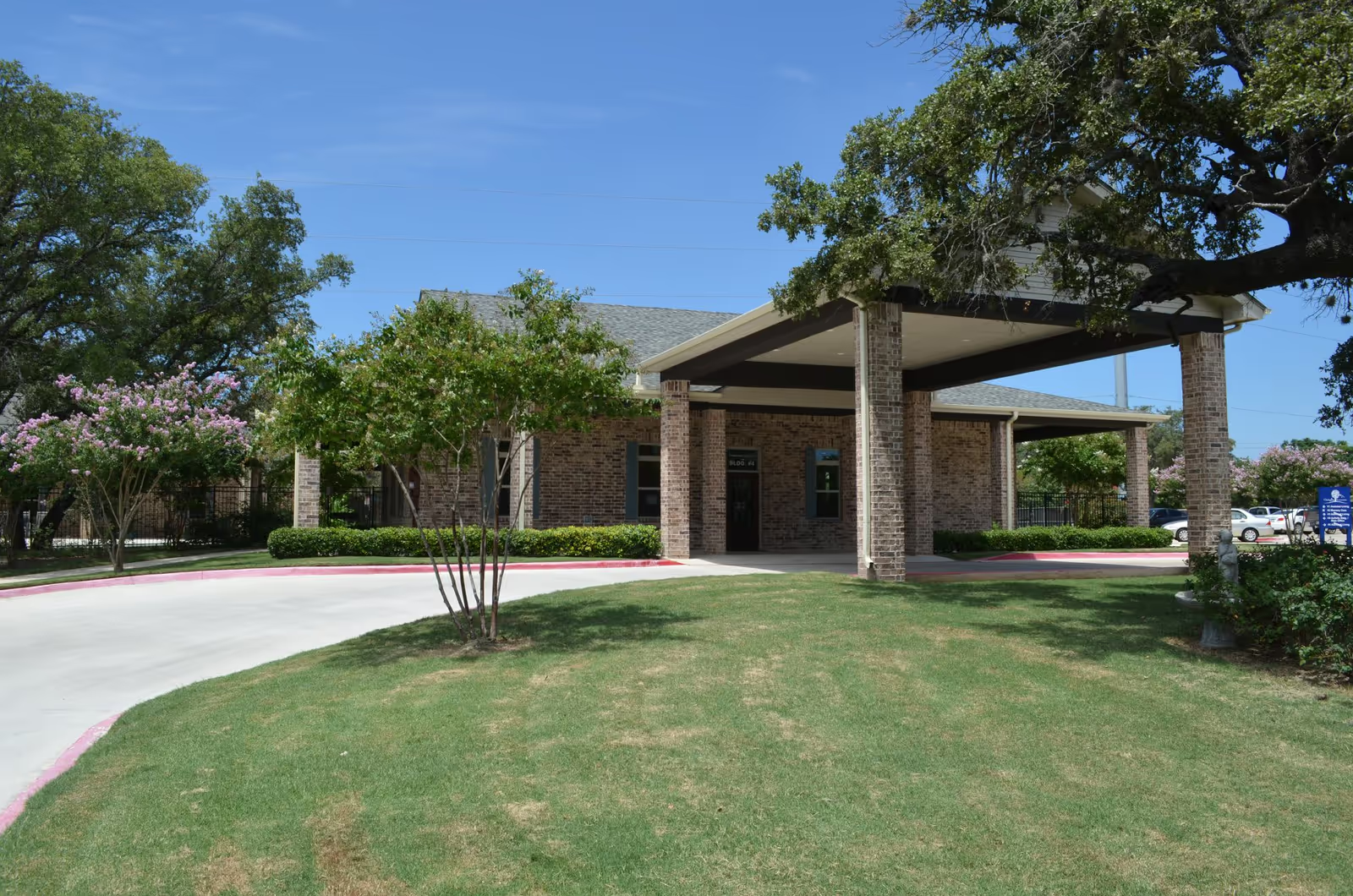
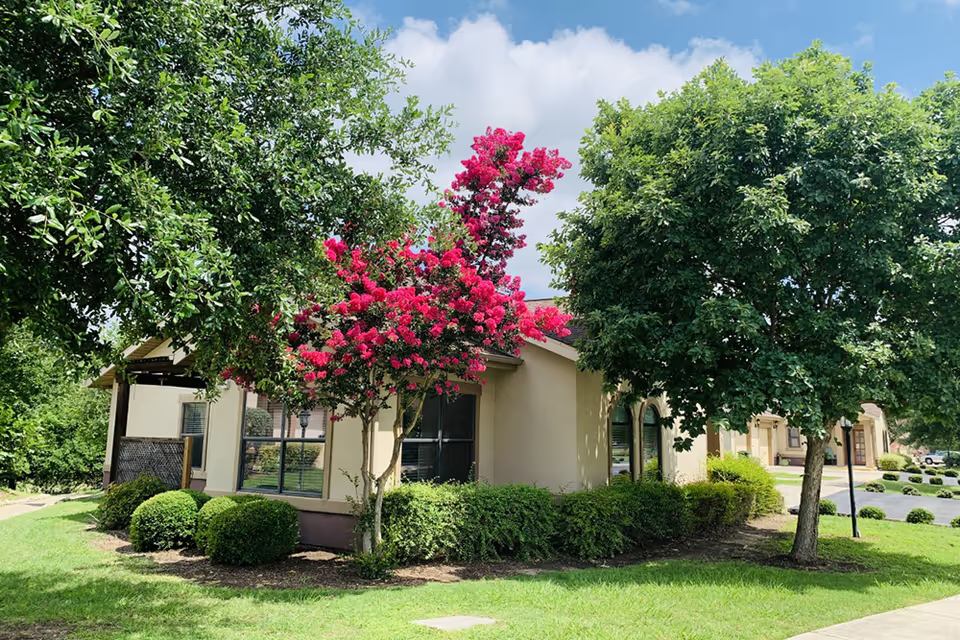
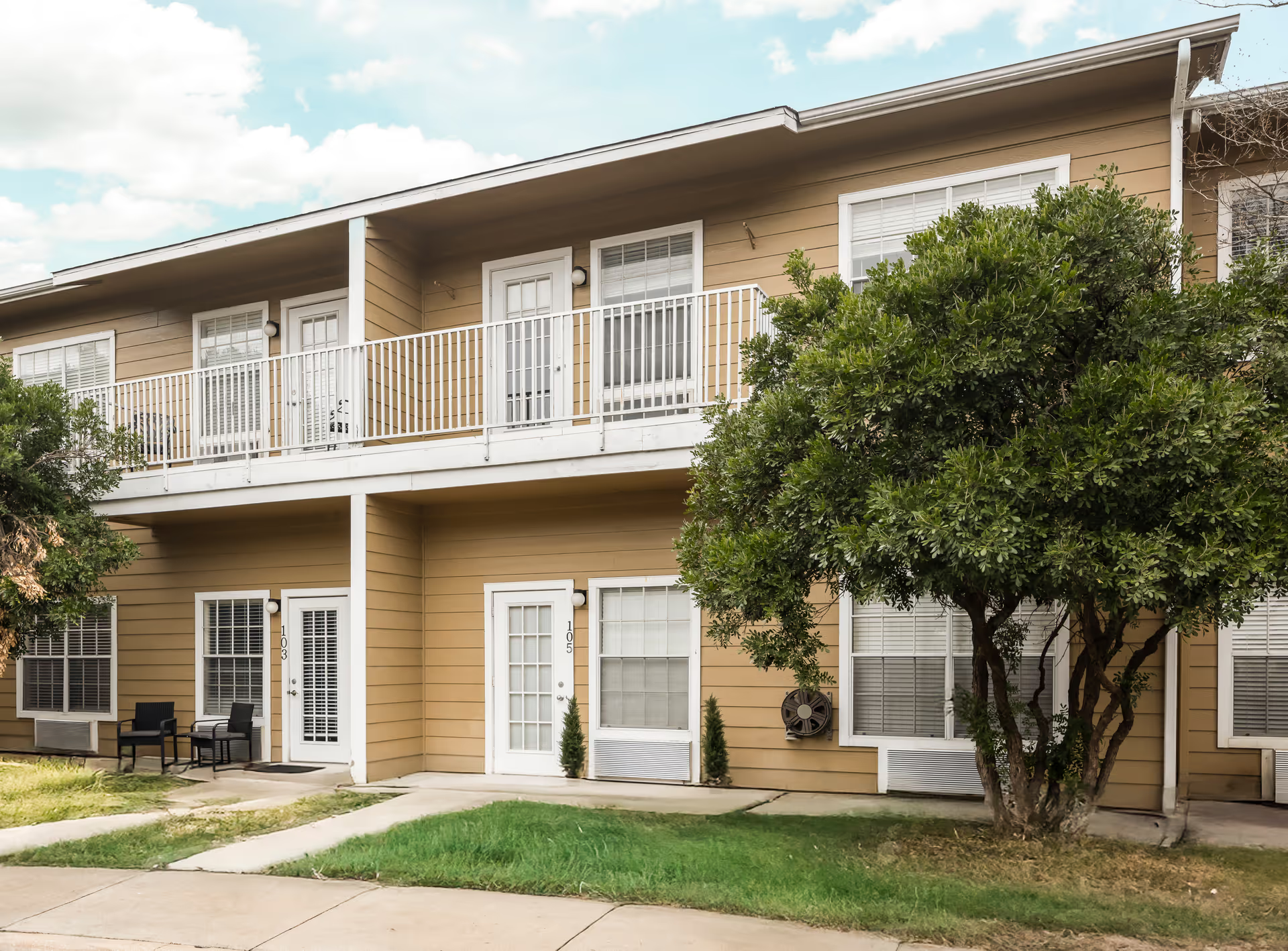
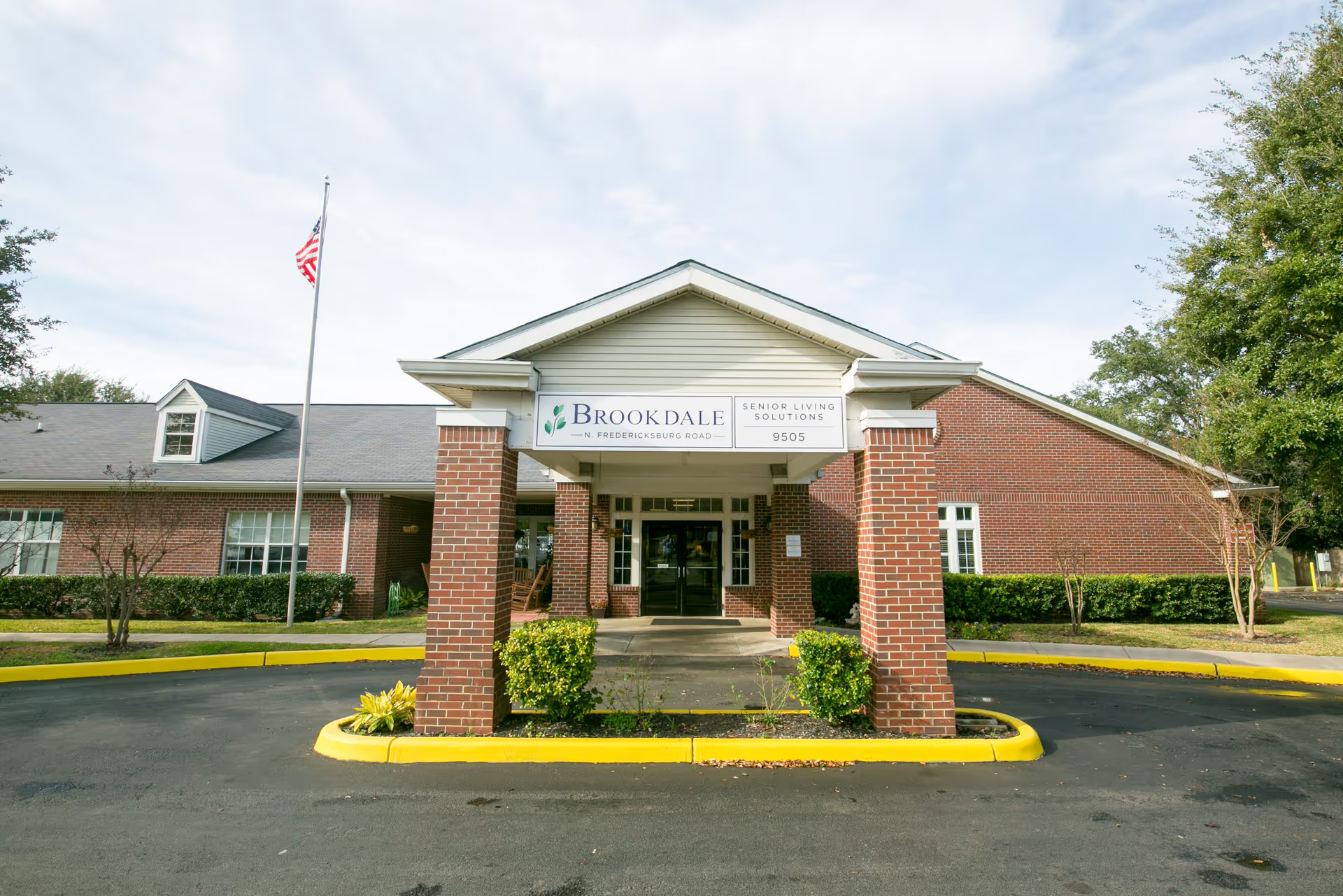
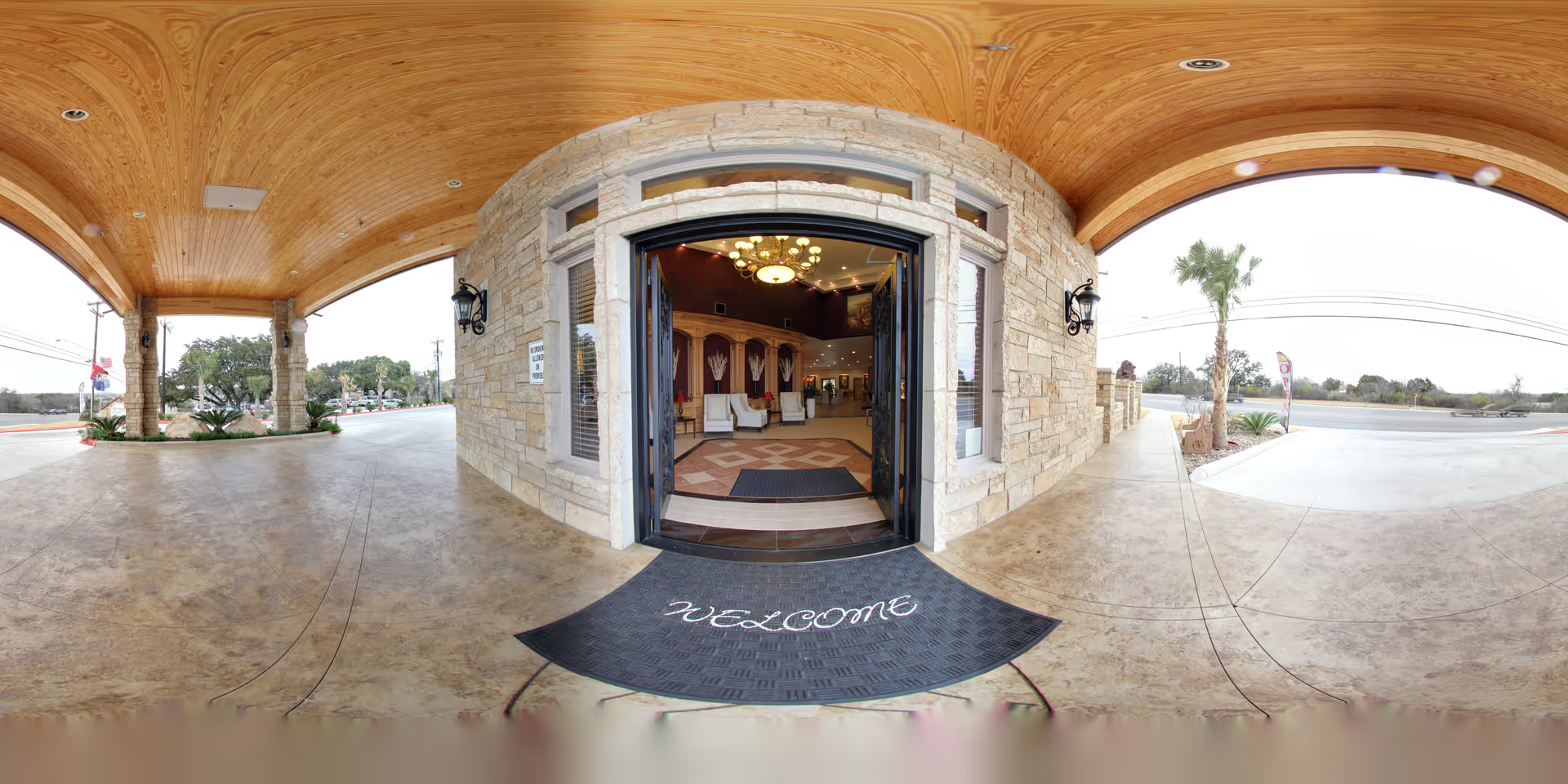
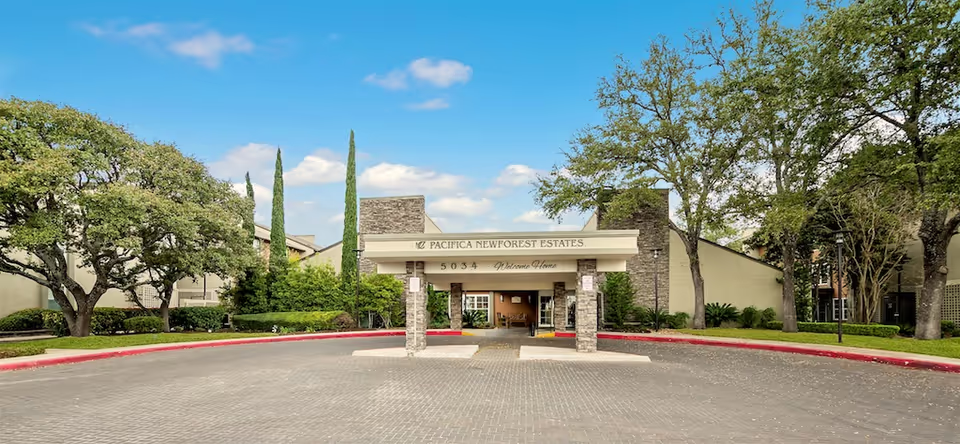
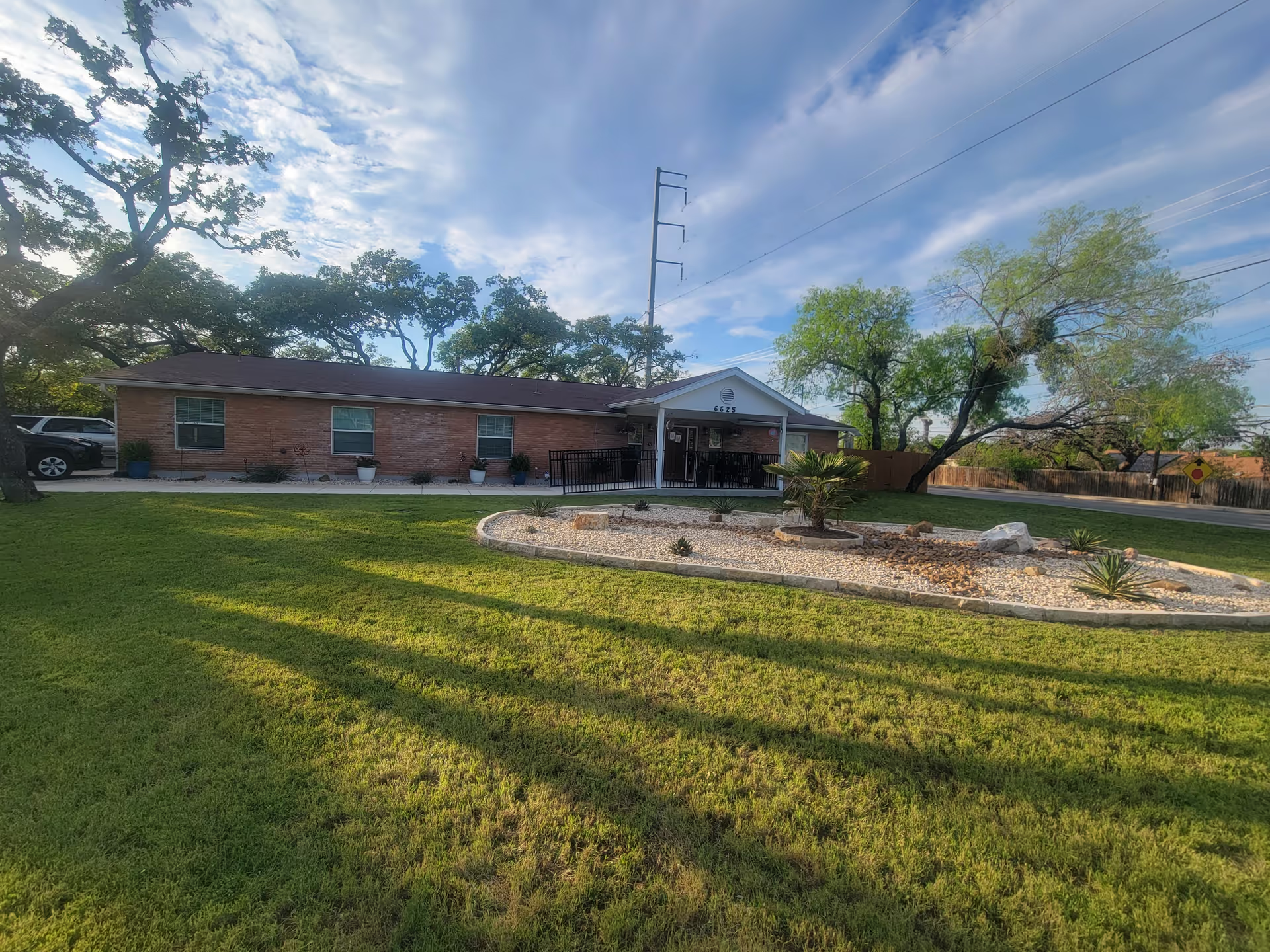
Facilities and amenities: The facility's physical environment is commonly described as attractive, hotel-like, and comfortable, with large rooms and pleasant common spaces. Reviewers also raised facility-level concerns including localized sanitation issues, occasional odors in some areas, and amenities that were not functioning or available as advertised (for example, an inoperable pool). Maintenance staff are mentioned positively in multiple accounts, but cleanliness and amenity upkeep are inconsistent by area and time.
Notable patterns and guidance for families: The dominant pattern is variability — many positive, high-quality experiences coexist with reports of significant lapses in clinical and service processes. Key themes to probe during a visit: current nurse staffing levels and turnover, medication-administration checks and incident history, wound-care expertise and protocols, real-time dining-service processes, which amenities are operational, and how the facility manages insurance-authorizations and transitions of care. If a loved one has complex clinical needs (wound care, heavy medication schedules, mobility limitations), insist on documentation of protocols and speak directly to therapists and nursing leadership about recent outcomes. Additionally, inquire about security procedures for personal items and the facility's process for addressing family concerns and formal complaints.