The reviews for The Canyons of Stone Oak Memory Care present a strongly polarized picture: many families describe an environment with compassionate staff, attractive facilities, and robust engagement programming, while others raise operational and clinical concerns that affect trust and perceived safety.
Care quality and clinical oversight: Positive accounts highlight attentive caregivers, nursing leadership involvement, and clinical intervention that stabilized residents' conditions and reversed decline. Conversely, recurring operational concerns include inconsistent medication administration, delays in attending to resident needs, gaps in night-time monitoring, and instances where families felt clinical issues were not communicated promptly. Several families specifically noted challenges when residents have complex dementia presentations, indicating that the facility's dementia-specific expertise and staffing ratios may not consistently meet those needs.
Staffing and staff conduct: Many reviewers praised individual caregivers and managers as kind, patient, and professional — with specific praise for nursing directors, wellness directors, and life-engagement staff. At the same time, there are frequent comments about staffing shortfalls, high turnover, and inexperienced caregivers. Those workforce inconsistencies appear linked to variability in care continuity, responsiveness to family concerns, and resident engagement.
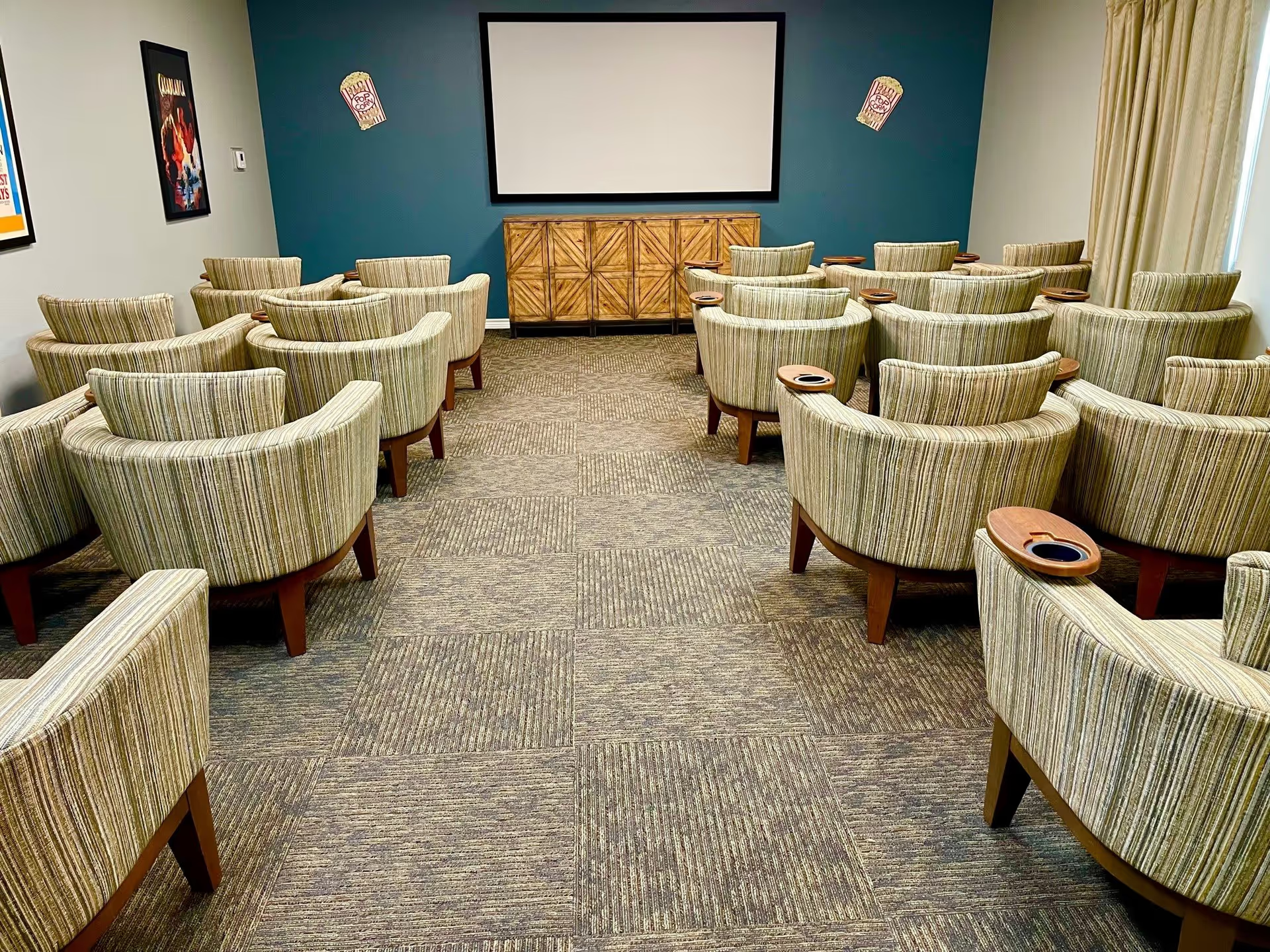
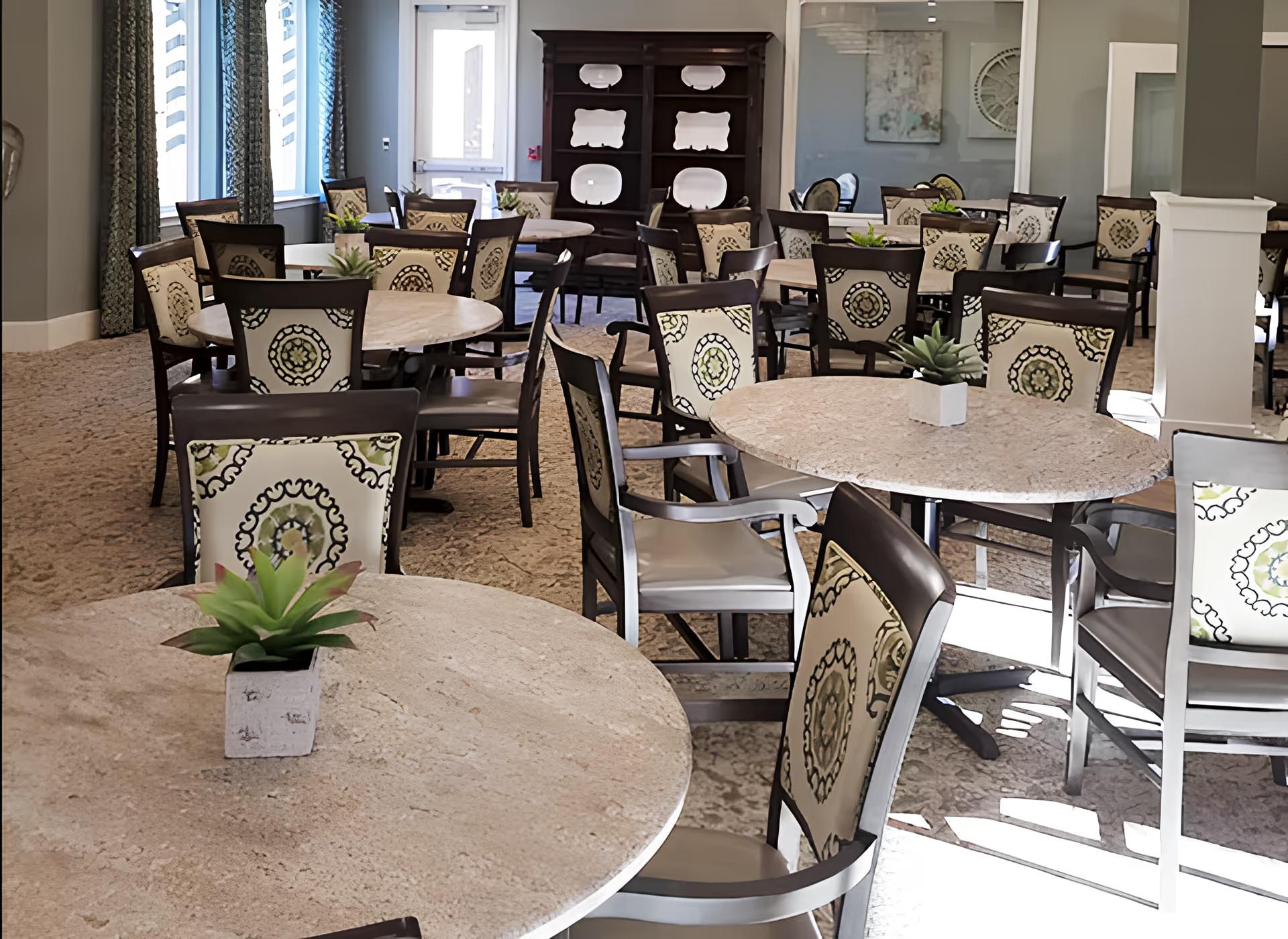
Dining and activities: Numerous accounts describe high-quality, home-style meals with culturally attentive menus and engaging food offerings. Activity programming is often cited as a strength — varied daily activities, entertainment, and personalized engagement that improve residents' mood and participation. However, other families reported inconsistent meal quality (limited options on some days) and periods when staff-guided activities were limited or unevenly delivered across the community.
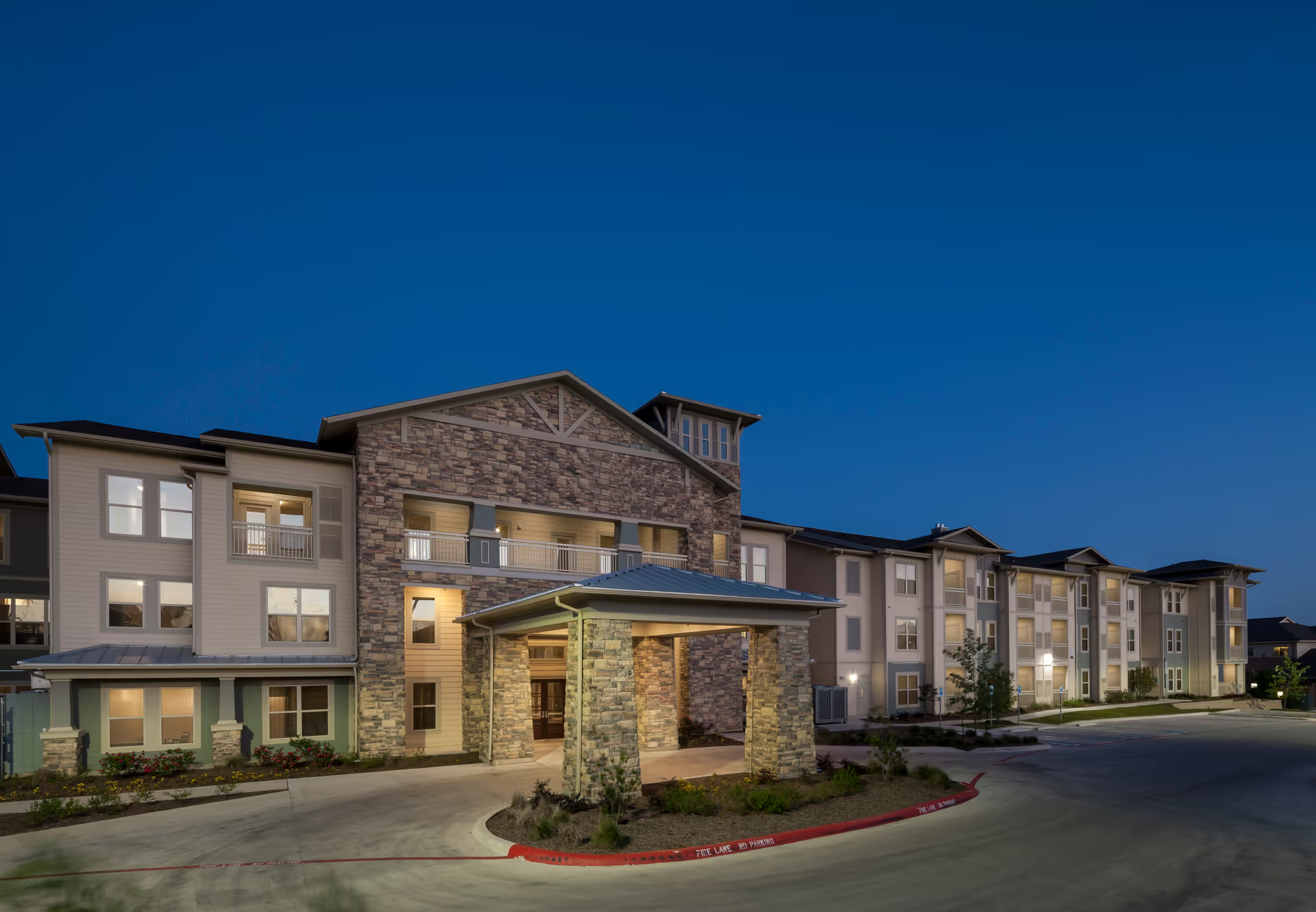
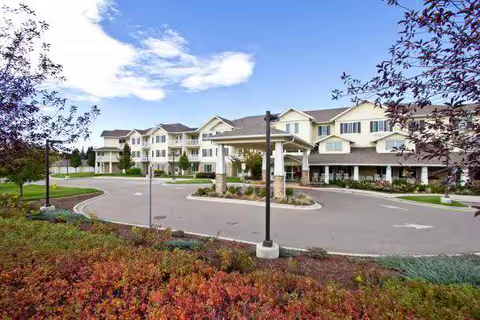
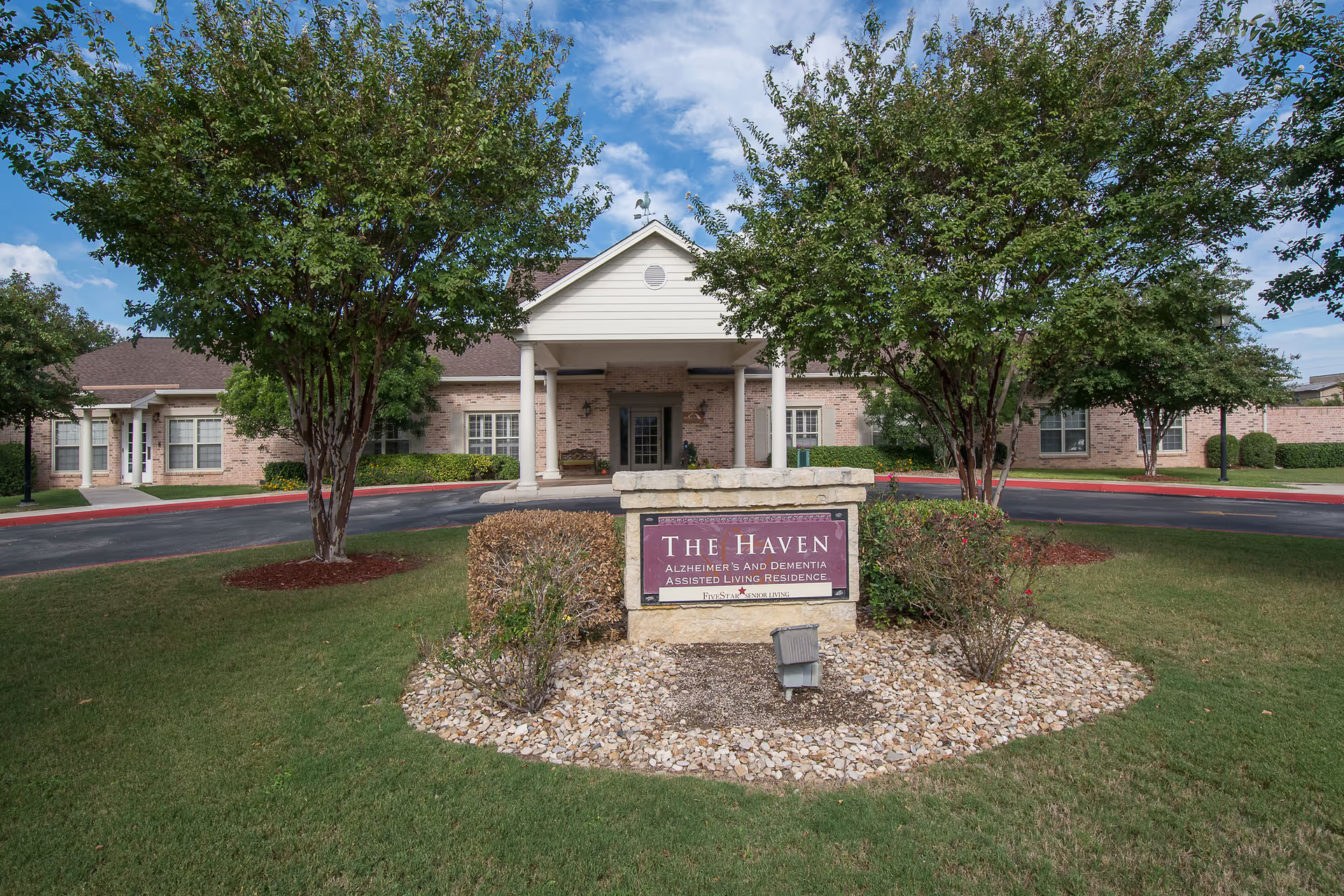
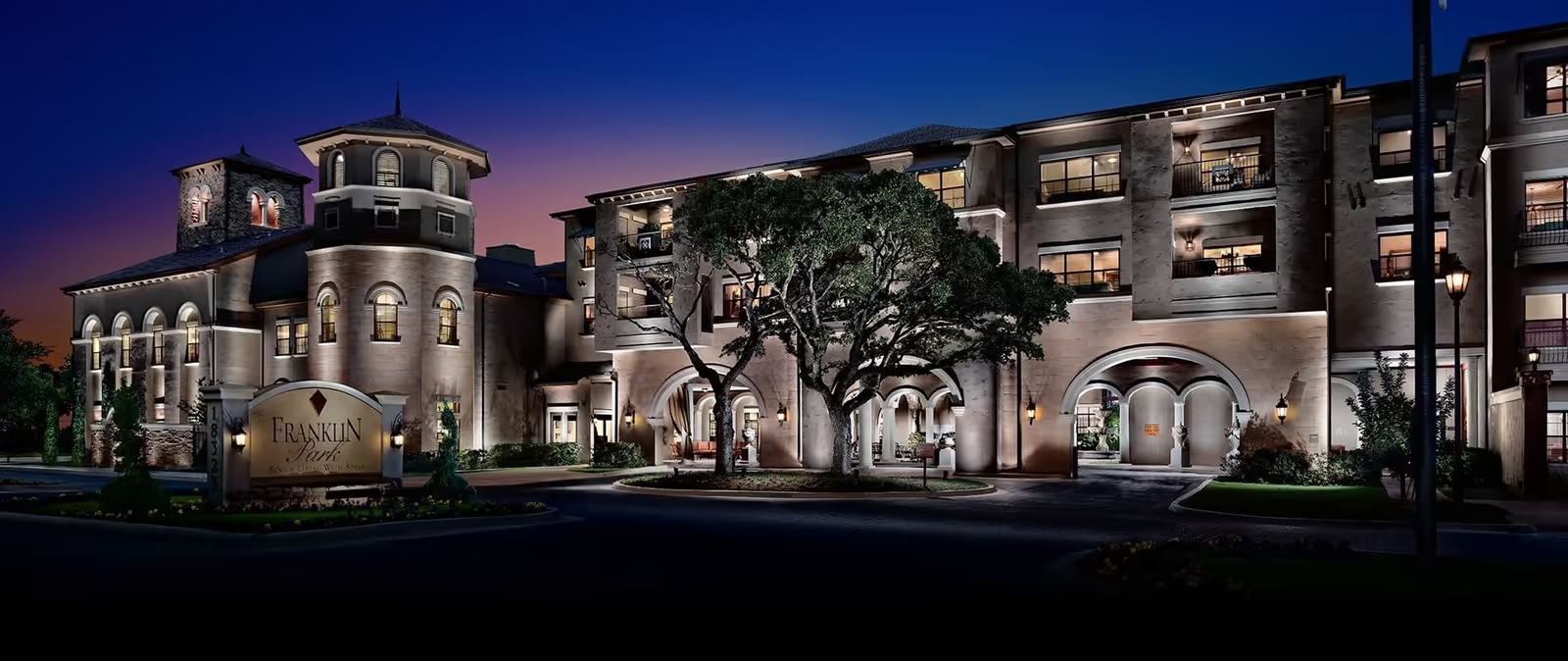
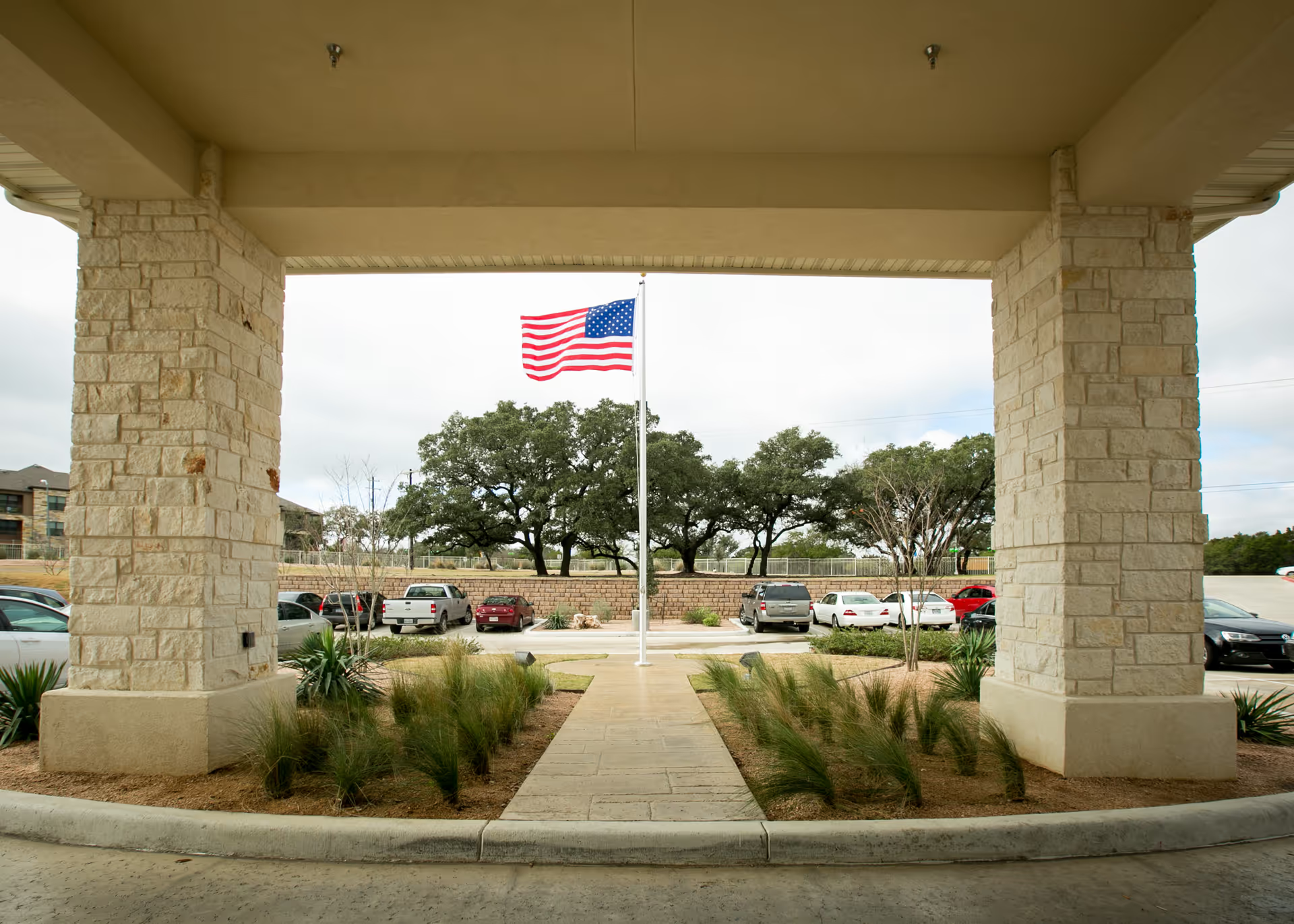
Facilities and operations: The physical environment is widely praised: modern, well-appointed rooms, comfortable furnishings, private toileting, controlled temperatures, and well-maintained garden/outdoor spaces. Safety features such as in-room motion detectors were noted positively. Operational weaknesses that emerge include property-management lapses (misplaced personal items and laundry mix-ups), sanitation and incontinence-care process concerns, and occasional equipment/maintenance issues.
Management, communication, and billing: Some family accounts commend proactive leadership, helpful marketing and admissions staff, and strong family communication through care-plan reviews. In contrast, other narratives describe unclear or delayed communication about incidents (falls, infections), emails or calls going unanswered, management instability during staffing or ownership transitions, and opacity in billing practices and fees. A subset of reviewers raised significant concerns about infection-control response during outbreaks and about handling of serious clinical events.
Notable patterns and recommendation guidance: Overall, experiences vary considerably between families. Prospective families should weigh the facility's clear strengths — attractive environment, engaged activities, and many compassionate staff — against recurrent operational themes: inconsistent staffing, communication gaps, clinical oversight variability, property-handling issues, and billing clarity. A recommended approach is to request specifics during tour and contract review: current staffing ratios (including night coverage), dementia-care training for direct-care staff, written incident-notification protocols, laundry/property protocols, infection-control policies, and an itemized fee schedule. Where possible, speak directly with clinical leadership and observe activity periods and mealtimes to assess consistency between the praised aspects and the operational concerns raised by other families.