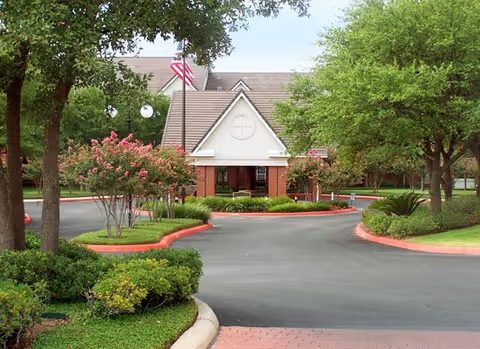
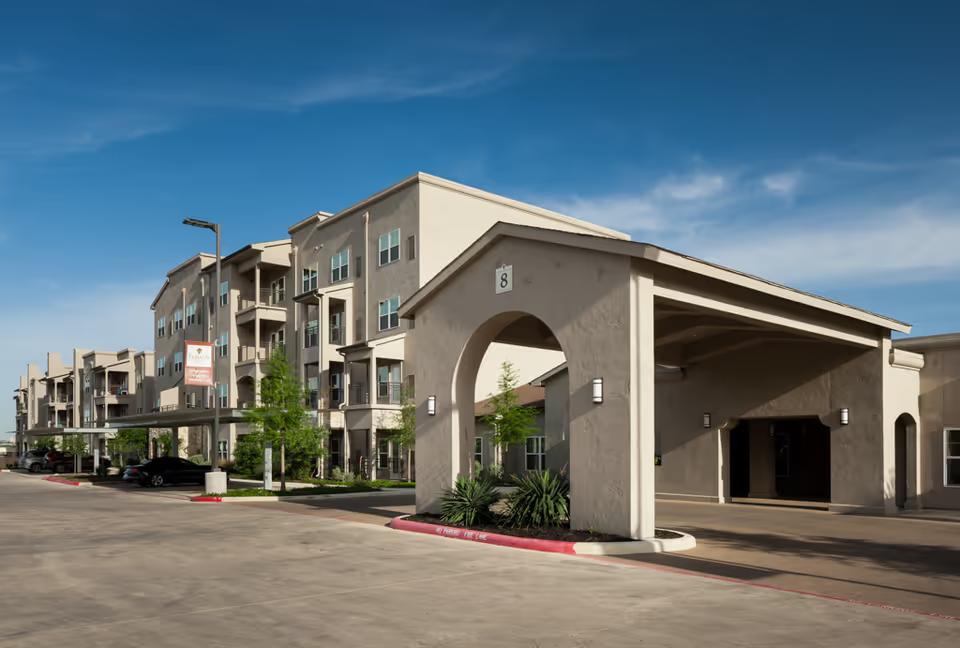
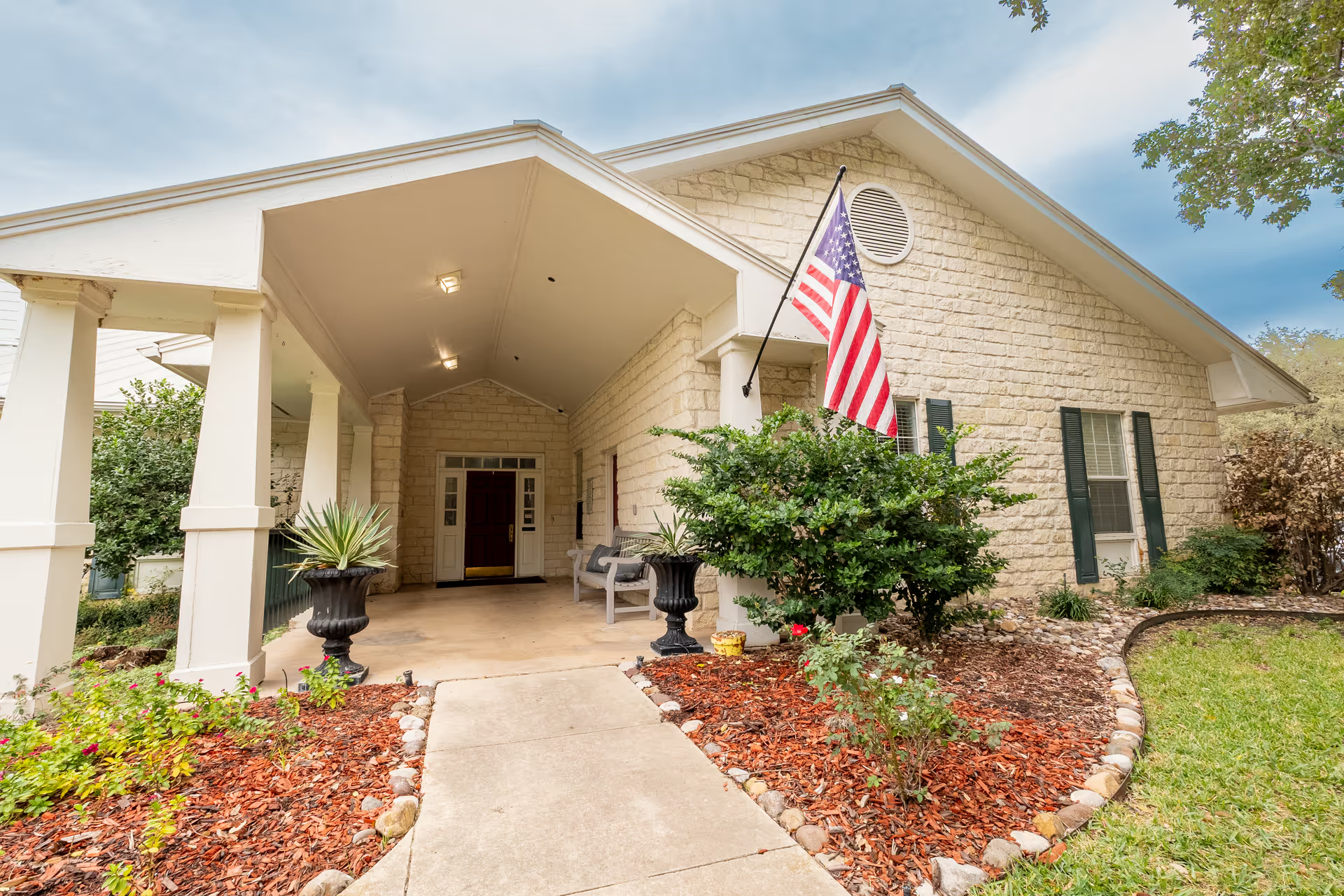
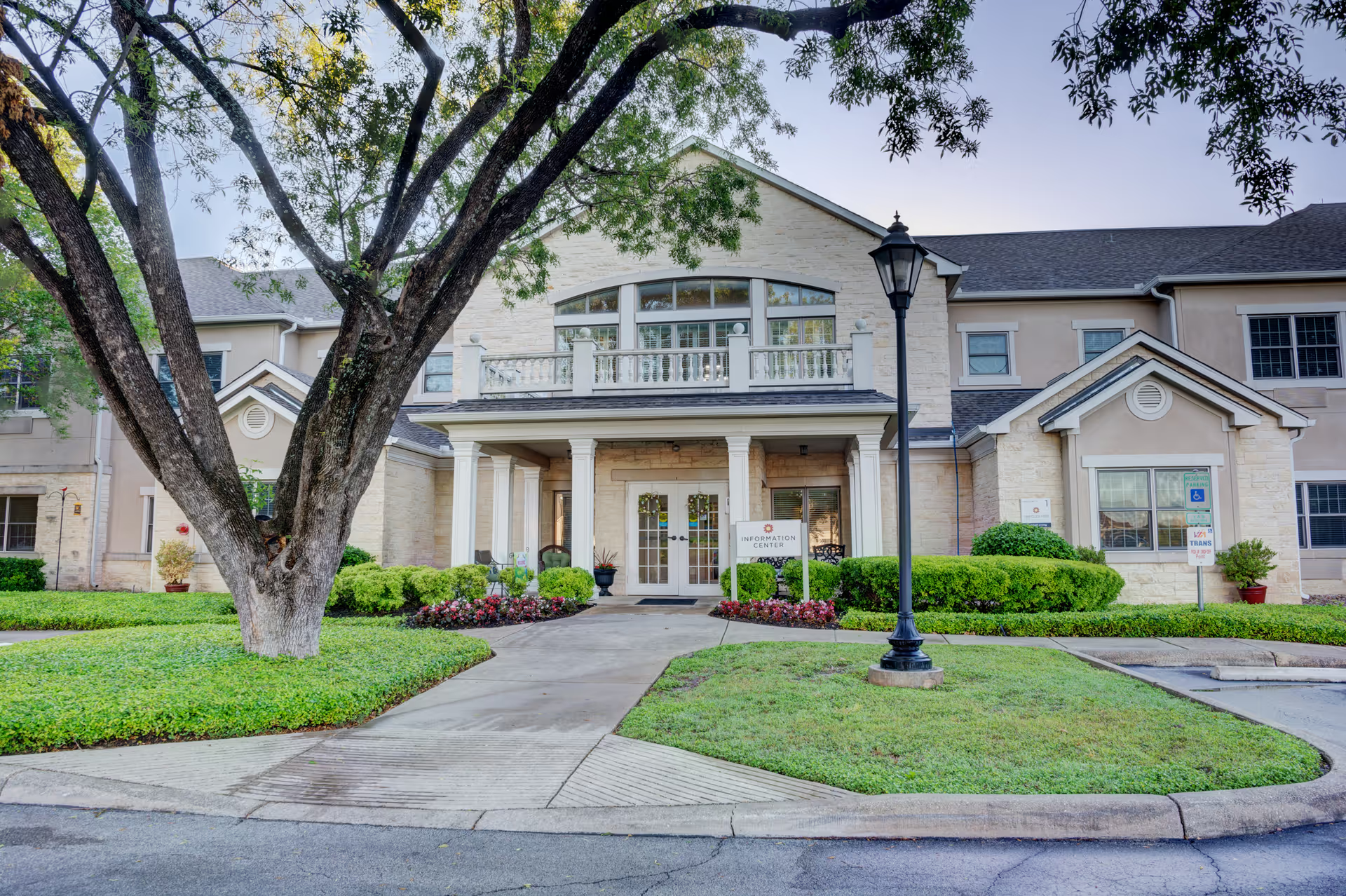
The Village at Incarnate Word is a faith-affiliated, non-profit senior community offering a full continuum of care: independent living, assisted living, memory care, and skilled nursing. Many reviewers praise the community for its compassionate caregiving, successful rehabilitation services, and a strong spiritual emphasis anchored by an on-site chapel and regular worship activities. The campus features varied apartment sizes, multiple dining venues, a fitness and aquatic center with instruction, a beauty salon, landscaped grounds, and a 24-hour concierge/reception presence—amenities that support active daily life and on-site conveniences.
Care quality and staff performance are frequently cited as strengths. Several accounts emphasize attentive aides, skilled nursing rehab that supported return-to-home goals, and specific staff and leaders who are described as compassionate and effective. At the same time, reviews also reflect notable variability in staff conduct and resident relations: families described experiences ranging from highly supportive to unfriendly or preferential interactions. This variability appears to affect resident experience and family satisfaction unevenly across units and shifts.
Dining and nutrition offerings include multiple in-building venues and a centralized kitchen. Many residents and visitors found meals acceptable and the dining areas pleasant and home-like; however, there are operational limitations to note. Dietary accommodations are limited in some areas—gluten-free options were specifically mentioned as unavailable—and dining access policies have at times been inconsistently applied. Those with strict dietary needs should confirm menu flexibility and accommodations before committing.
The community offers a broad activities program: daily classes, water exercise, outings, bingo, speaker series, and partnerships with the University of the Incarnate Word that bring student volunteers and free classes. These programs give residents ample social and intellectual engagement. Reviewers consistently identify the activities program and transportation for outings as important positives that contribute to residents’ quality of life.
Facility condition and accessibility show a mixed picture. Many reviewers described clean, well-maintained interiors and attractive grounds, while others raise sanitation and pest-control concerns and cite environmental maintenance issues that warrant follow-up. Apartment units vary from recently remodeled to outdated; several units lack in-room kitchens and have small footprints that restrict furniture placement. Accessibility can be limited in certain unit layouts (for example, doorways between bedroom and bathroom not being wheelchair-friendly). Prospective residents with mobility needs should inspect unit accessibility and ask about renovation plans or accessible unit availability.
Management and operational practices are an area of contrast. Positive reports highlight welcoming leadership and responsive social-work support; negative feedback raises concerns about billing errors, communication gaps, and, in a few accounts, serious governance-related allegations. There are also identified operational gaps such as limited assisted-living inventory, inconsistent staffing levels that can reduce individualized attention, and weaknesses in personal-item tracking procedures (for example, lost dentures). Prospective residents and families should clarify assisted-living waitlist policies, billing processes, staffing models, and item-management protocols during tours.
Bottom line: The Village at Incarnate Word offers a comprehensive, faith-oriented campus with strong rehabilitation services, active programming, and many on-site amenities. It can be a good fit for people seeking spiritual engagement, varied activities, and a full care continuum. However, experiences appear to vary by unit and shift; families should verify current assisted-living availability, unit accessibility, dietary accommodations, cleanliness and pest-control status, and administrative practices (billing and personal-item procedures) during an in-person visit and through direct questions to management.