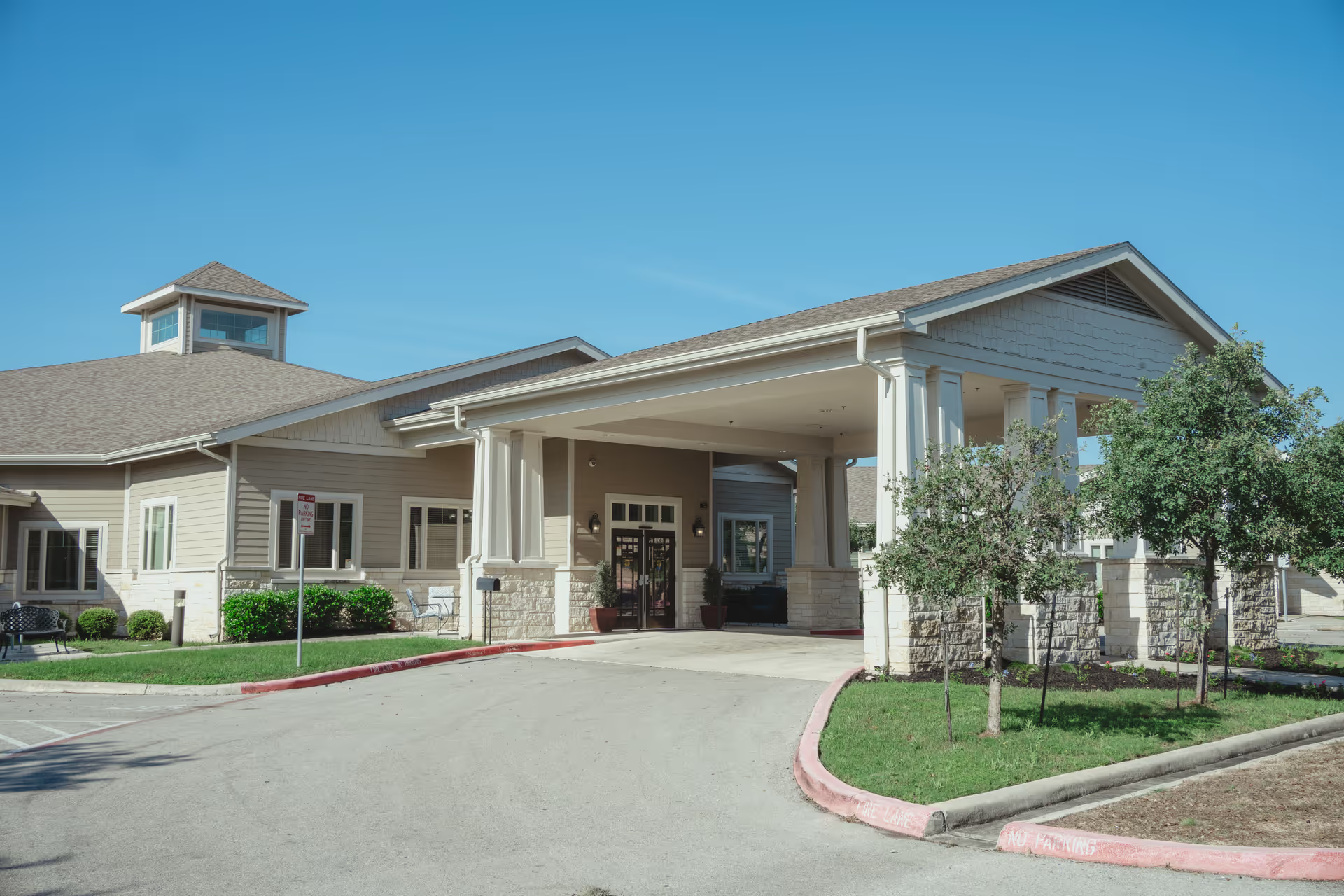
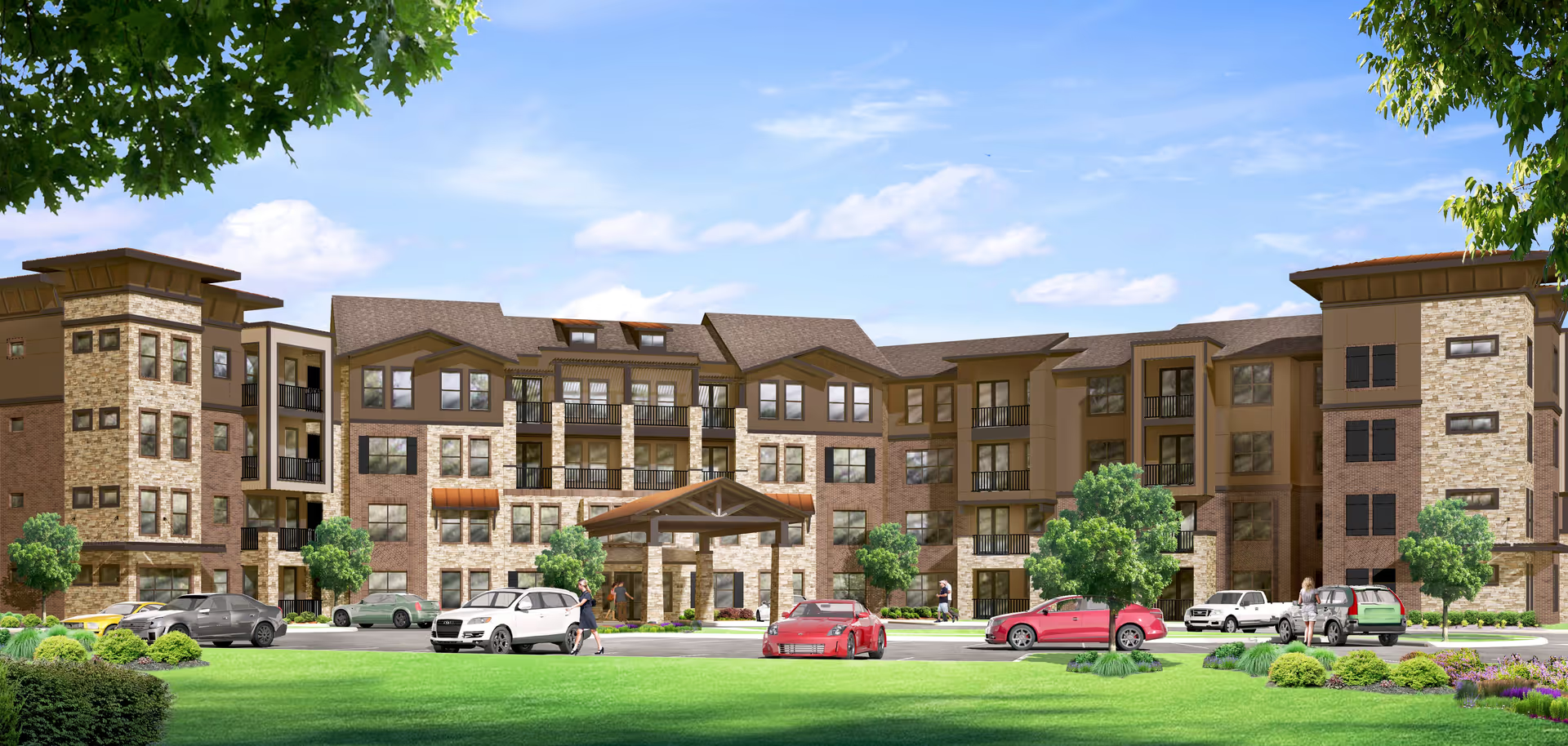
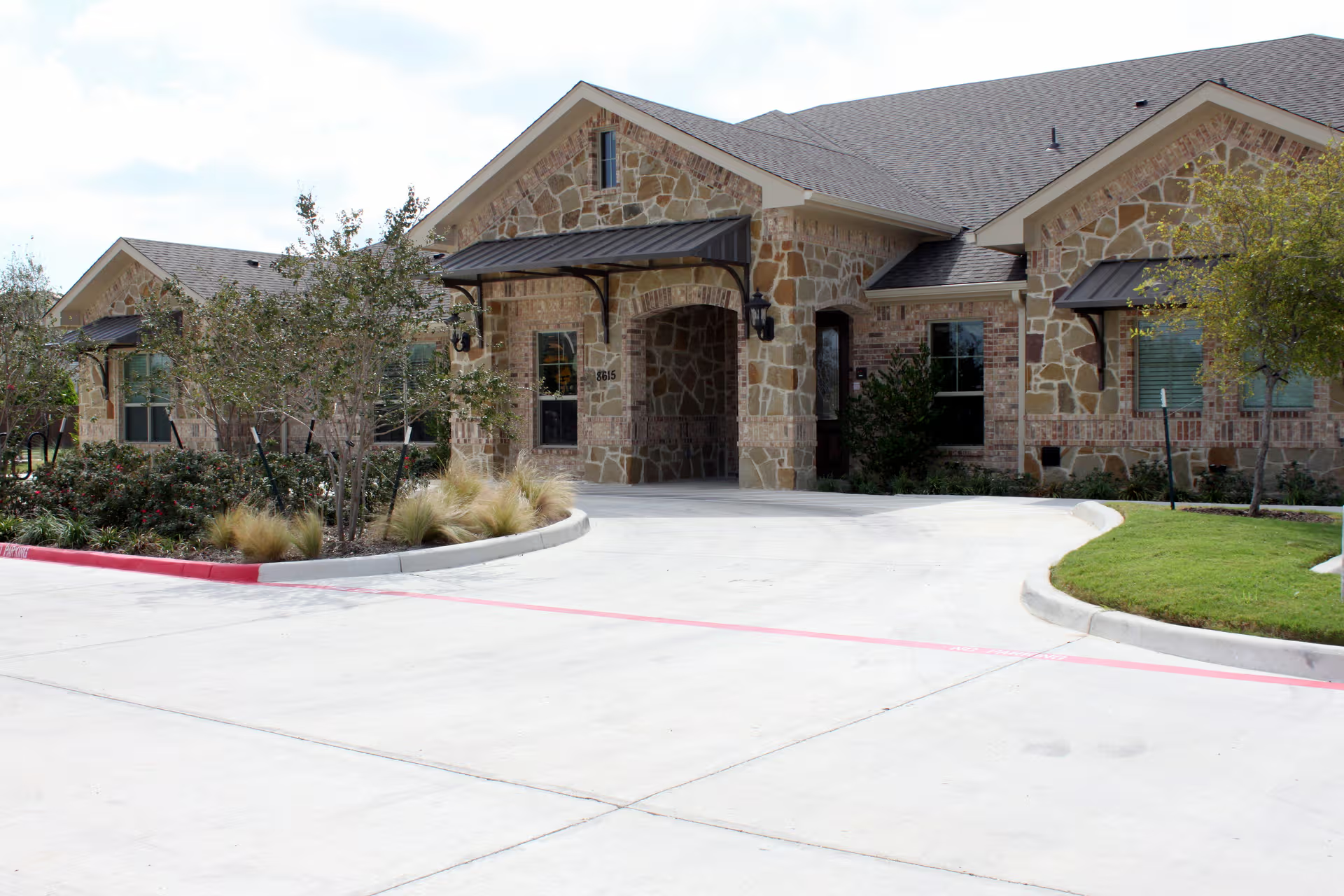
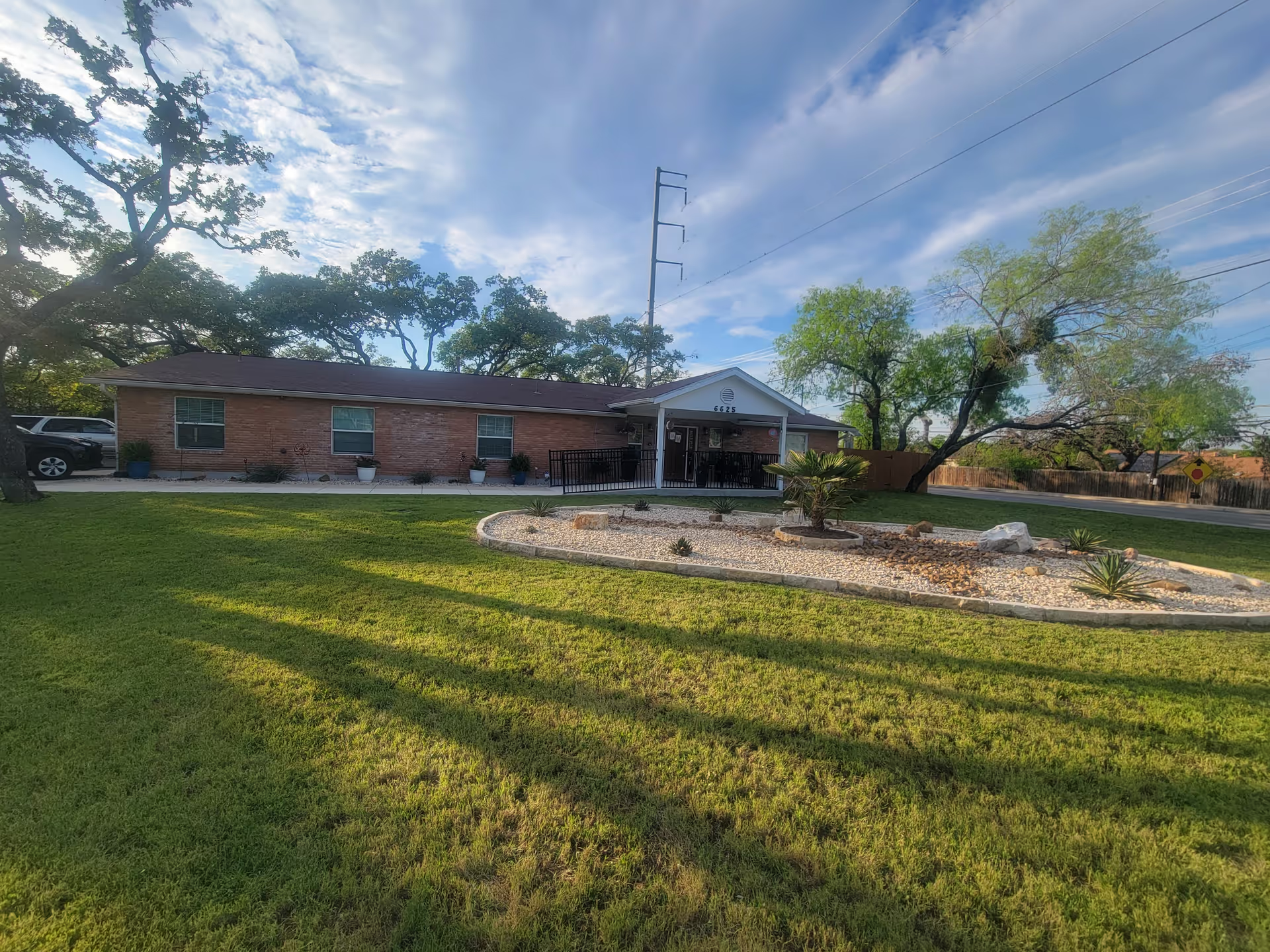
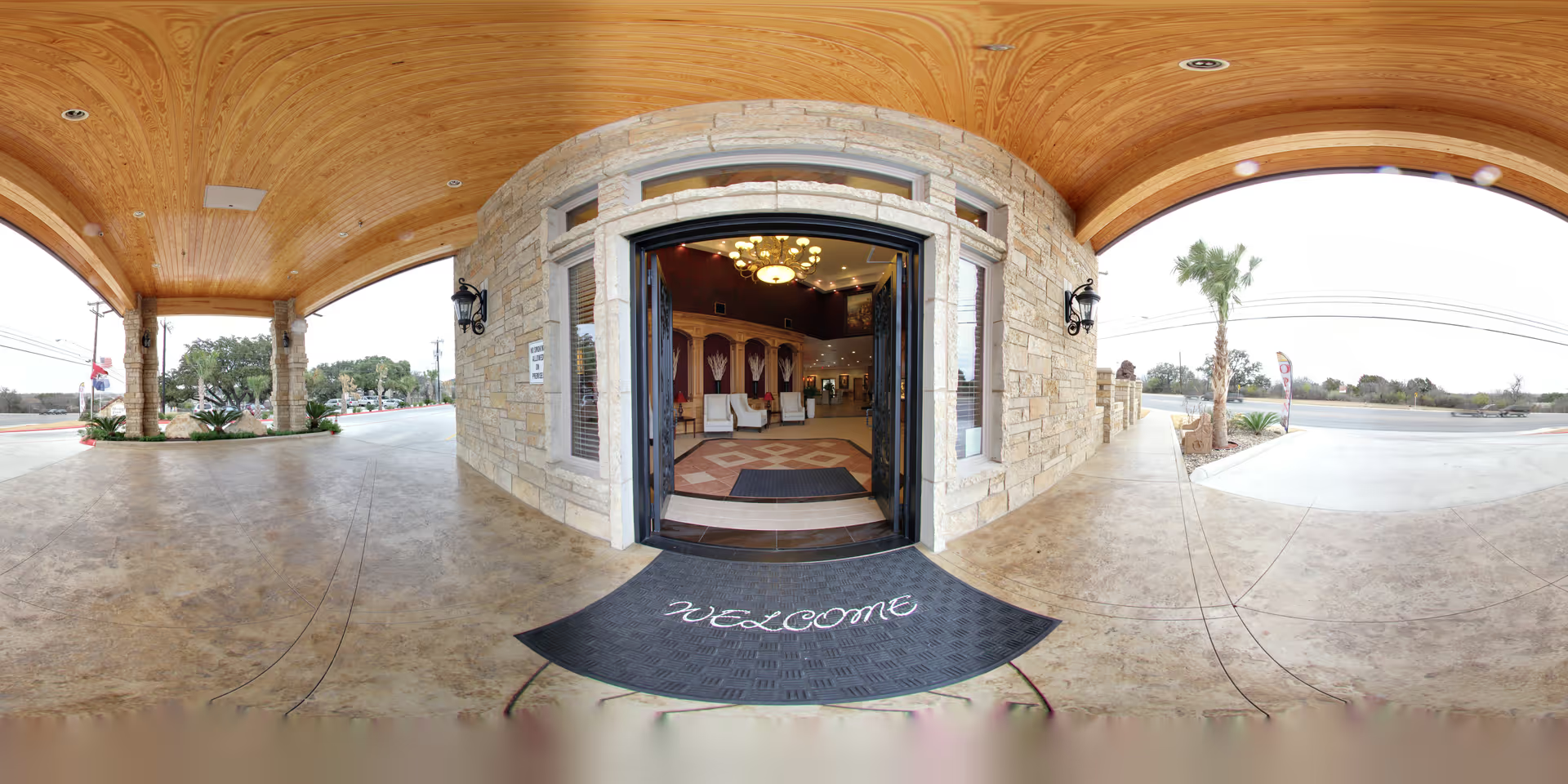
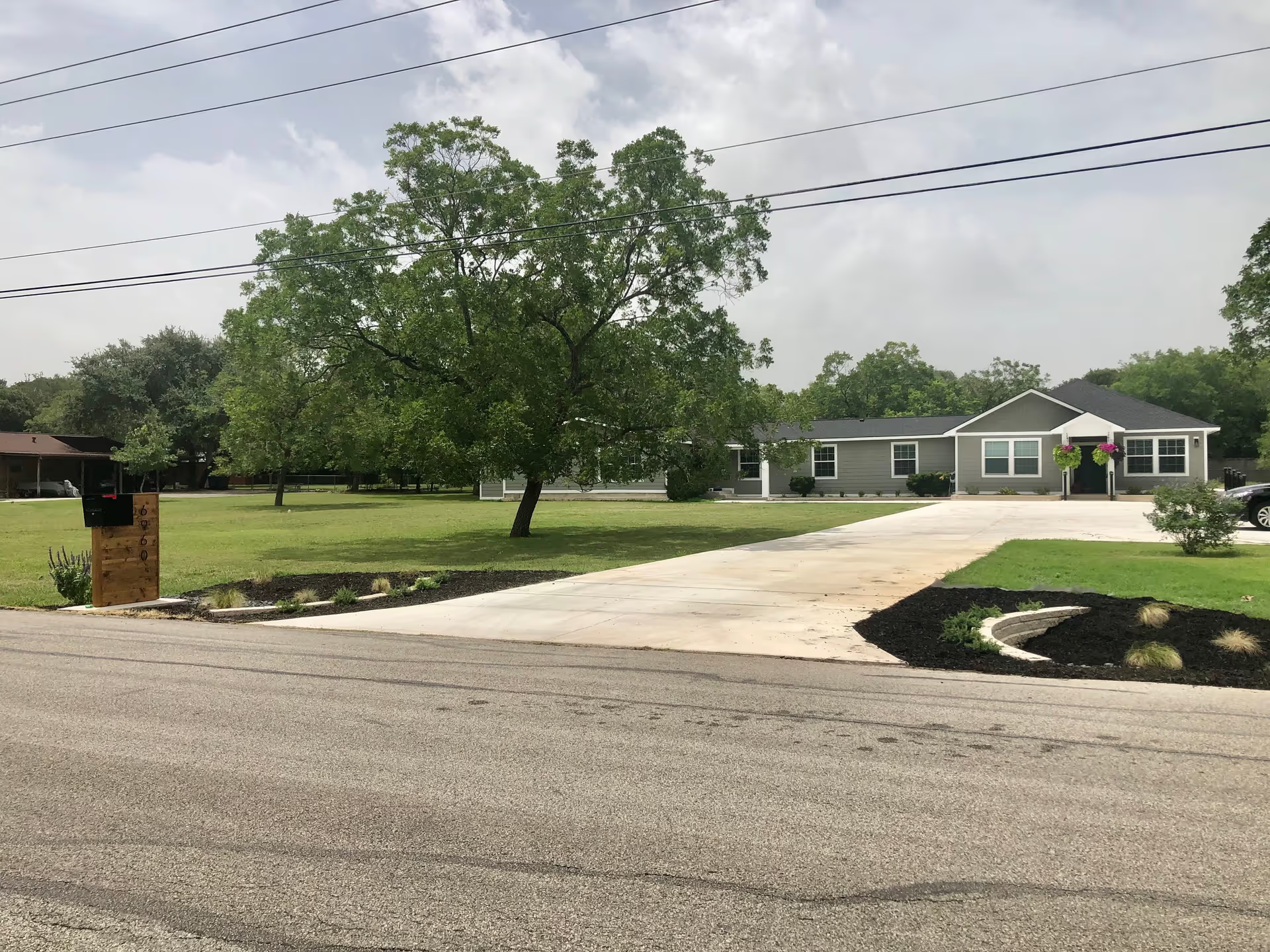
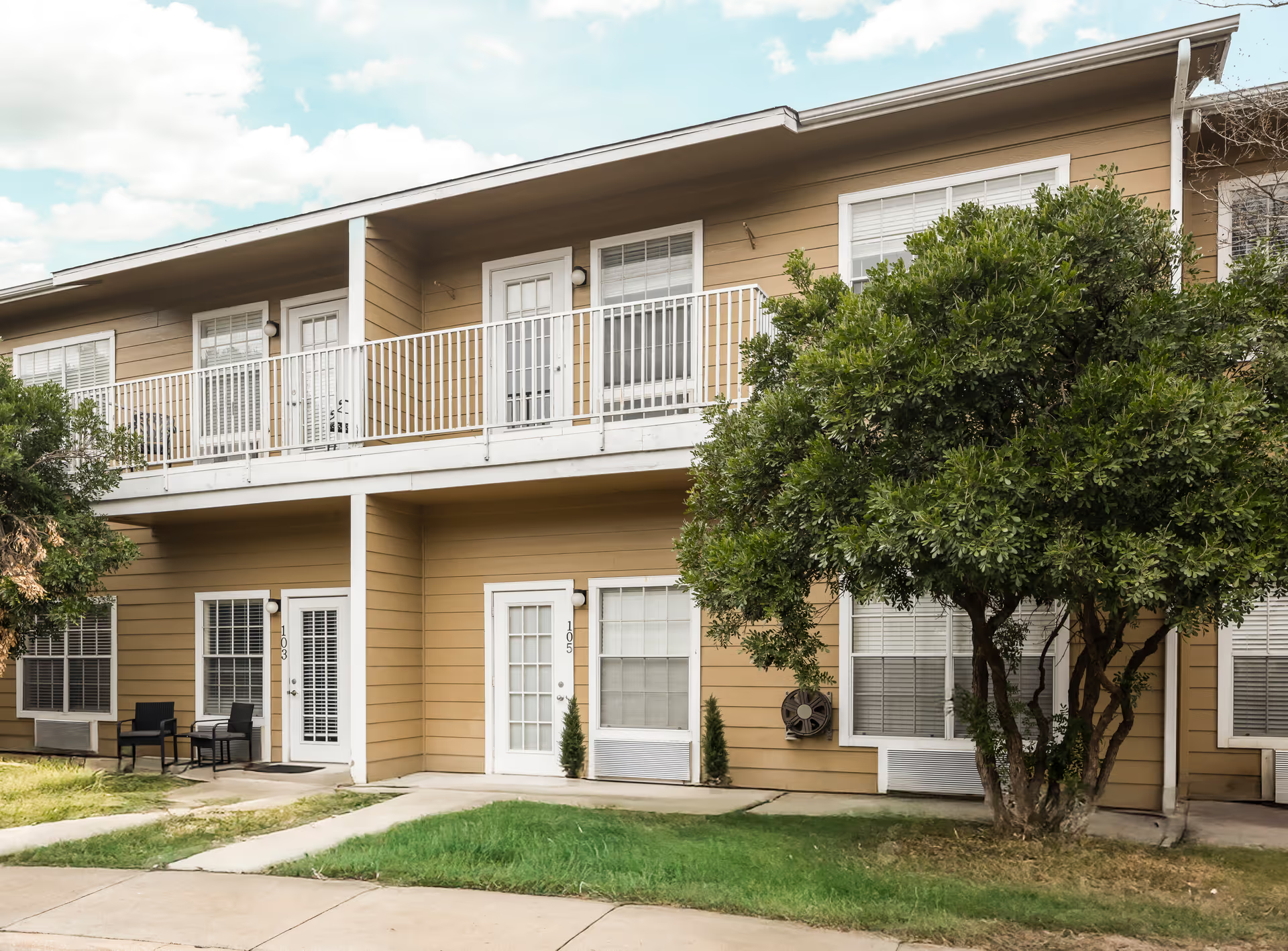
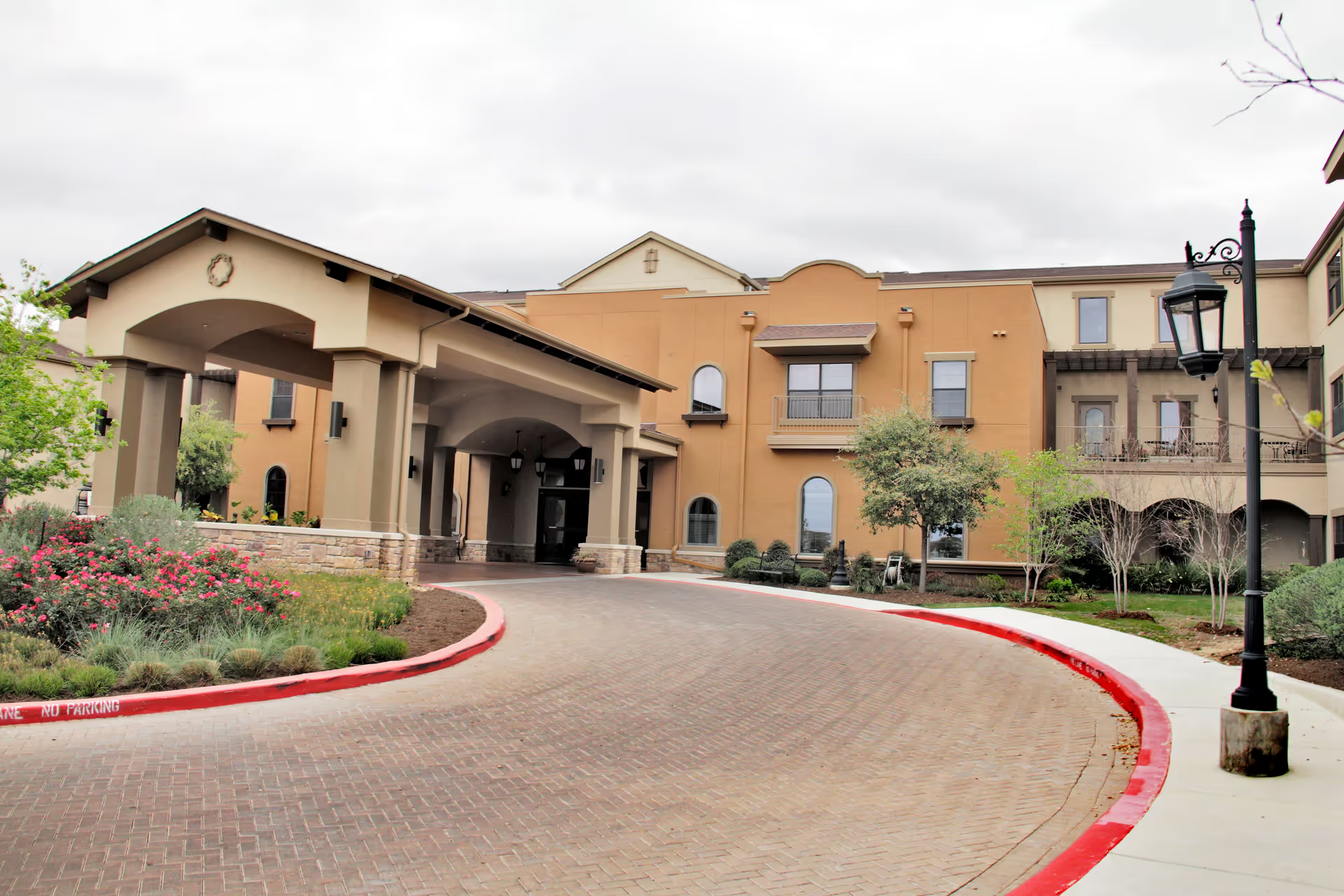
Overall impression: Waterford at Westover Hills presents as a recently renovated, well-kept senior living community with many amenities and a strong base of direct-care staff praised for kindness and attentiveness. Families frequently cite a clean environment, multiple common spaces, outdoor courtyards, and a variety of activities that support social engagement. The community offers a range of apartment types, in-room conveniences, regular housekeeping, on-site therapy and visiting providers, and a pet-friendly culture that many residents value.
Care and staffing: Reviews consistently highlight compassionate and attentive caregivers who build rapport with residents and families; several families described visible improvement and positive transitions after move-in. At the same time, there is a clear pattern of staffing instability: reviewers note high turnover among care staff and repeated changes in executive-level leadership. That instability correlates with operational problems described elsewhere in the reviews, including slower response times to calls for assistance, inconsistent shift-to-shift continuity, and concerns about how medications are administered and timed during shift changes.
Dining and household services: Many residents and families appreciate that three meals a day are provided and that there are dining choices and sample menus available. However, opinions on food quality are mixed: some praise varied and well-prepared meals, while others describe cold or bland meals and inconsistency across shifts. There are also isolated concerns about meal content transparency. Housekeeping and laundry services are noted as reliable, and common areas are generally described as clean and well-maintained.
Activities and social life: Activity programming is a strong point: bingo, music, live entertainers, crafts, outings, and transportation for appointments and shopping are frequently cited. The community offers multiple gathering areas and structured social opportunities that contribute to resident camaraderie and a sense of independence. A few reviewers noted that the published activity or marketing calendar did not always match the actual schedule, indicating occasional gaps in activity communication.
Facilities and operations: The building layout and finishes receive positive comments for being modern, bright, and mobility-friendly, with wide hallways and accessible bathrooms in many units. On-site amenities include a physical therapy room, private dining, salon services, and outdoor courtyards. Operational weaknesses raised by reviewers include periodic pest-control concerns, delayed maintenance responses, and limited transportation capacity (one or few vehicles/drivers), which can constrain scheduled outings and appointments.
Management and communication: Management performance is uneven in the reviews. Some families credit specific leaders and staff (named individuals in some accounts) with excellent support, smooth admissions, and helpful follow-through during end-of-life care. Conversely, other families describe gaps in administrative communication, billing issues, inconsistent follow-up after incidents (including falls), and a non-refundable community fee and a restricted pharmacy policy that can increase out-of-pocket costs. Those administrative and policy elements have contributed to dissatisfaction for some residents and families.
Notable patterns and considerations: The overall picture is mixed: many residents and families report satisfaction with the care, activities, and environment, while a subset describe operational concerns tied to staffing instability, inconsistent personal-care routines, medication-timing issues, and administrative responsiveness. Prospective residents should weigh the community’s strengths in social programming, facility quality, and direct-care relationships against the potential for variable service continuity driven by staffing and leadership turnover. Recommended next steps for families would be to (1) ask about current staffing ratios and leadership tenure, (2) review medication-administration protocols and pharmacy policies, (3) confirm activity schedules and transportation availability, and (4) inquire about pest-control and maintenance response processes before making a placement decision.