Overall impression: Reviewers describe Summit Nursing & Rehab of San Augustine as a small-town facility with many hands-on caregivers who are perceived as compassionate and attentive. Praise centers on direct-care staff, therapy services, and several operational conveniences (timely medications, dialysis transportation, and on-site respiratory therapy). The facility is commonly described as clean and pleasantly maintained, and families often highlight dignity-preserving care and observable improvements in residents' condition.
Care and clinical services: Positive commentary emphasizes skilled nursing and therapy teams, including a noted full-time respiratory therapist and an active rehabilitation department. Many accounts indicate timely medication administration and responsive clinical attention for both long-term residents and short-term skilled patients. However, there is variability in staff consistency and performance across reports; this suggests differences in shift coverage or staff retention that can affect day-to-day continuity of care.
Dining and activities: The dining program receives favorable remarks for home-cooked meals and homemade desserts, and reviewers frequently cite a variety of social and recreational activities that contribute to resident well-being. These social opportunities are described as meaningful and supportive of improved mood and engagement.
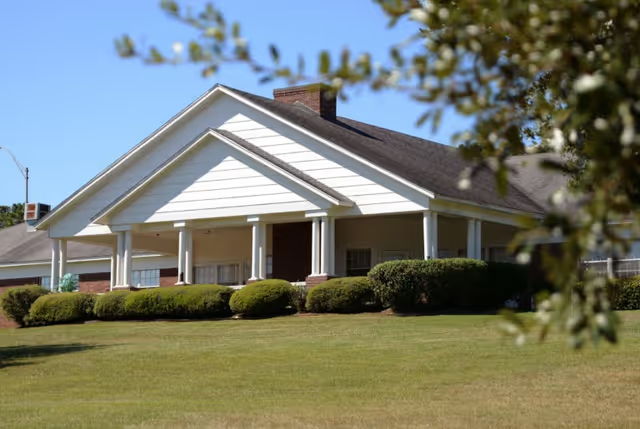
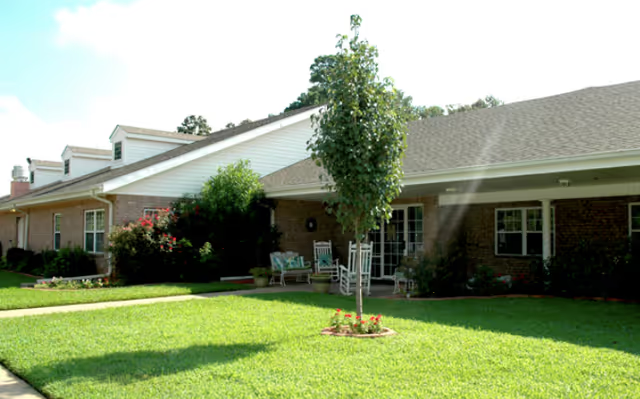
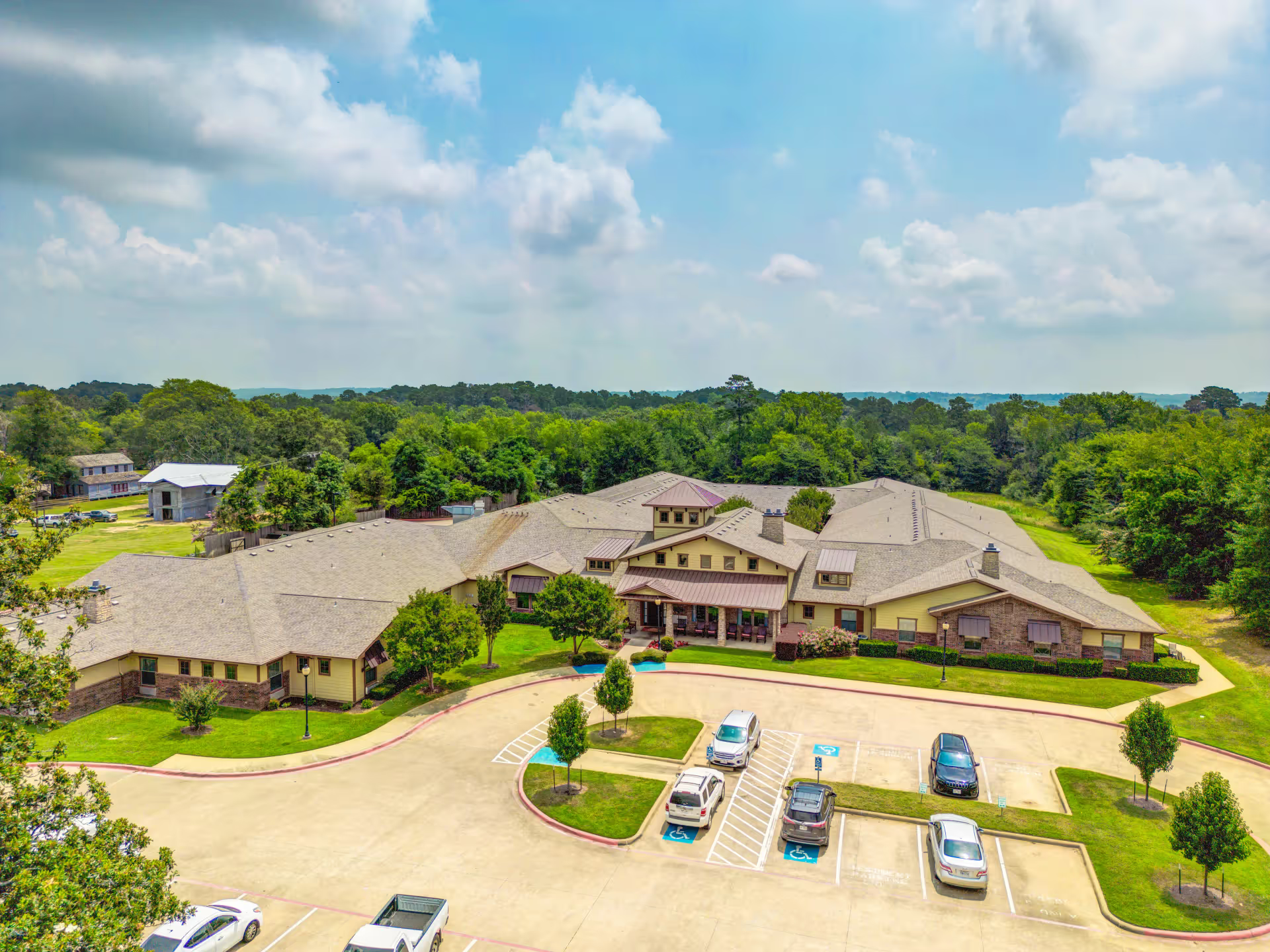
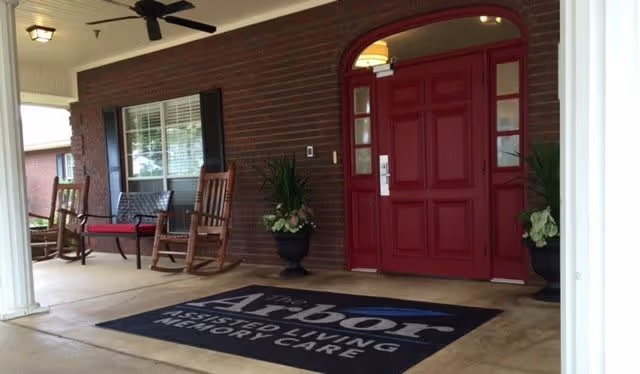
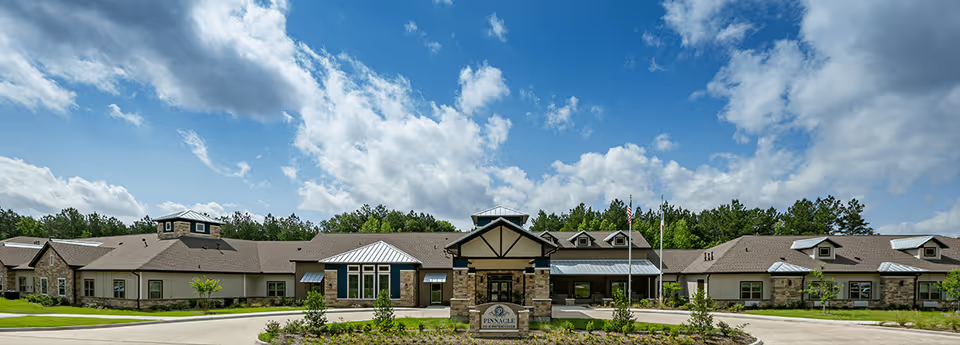
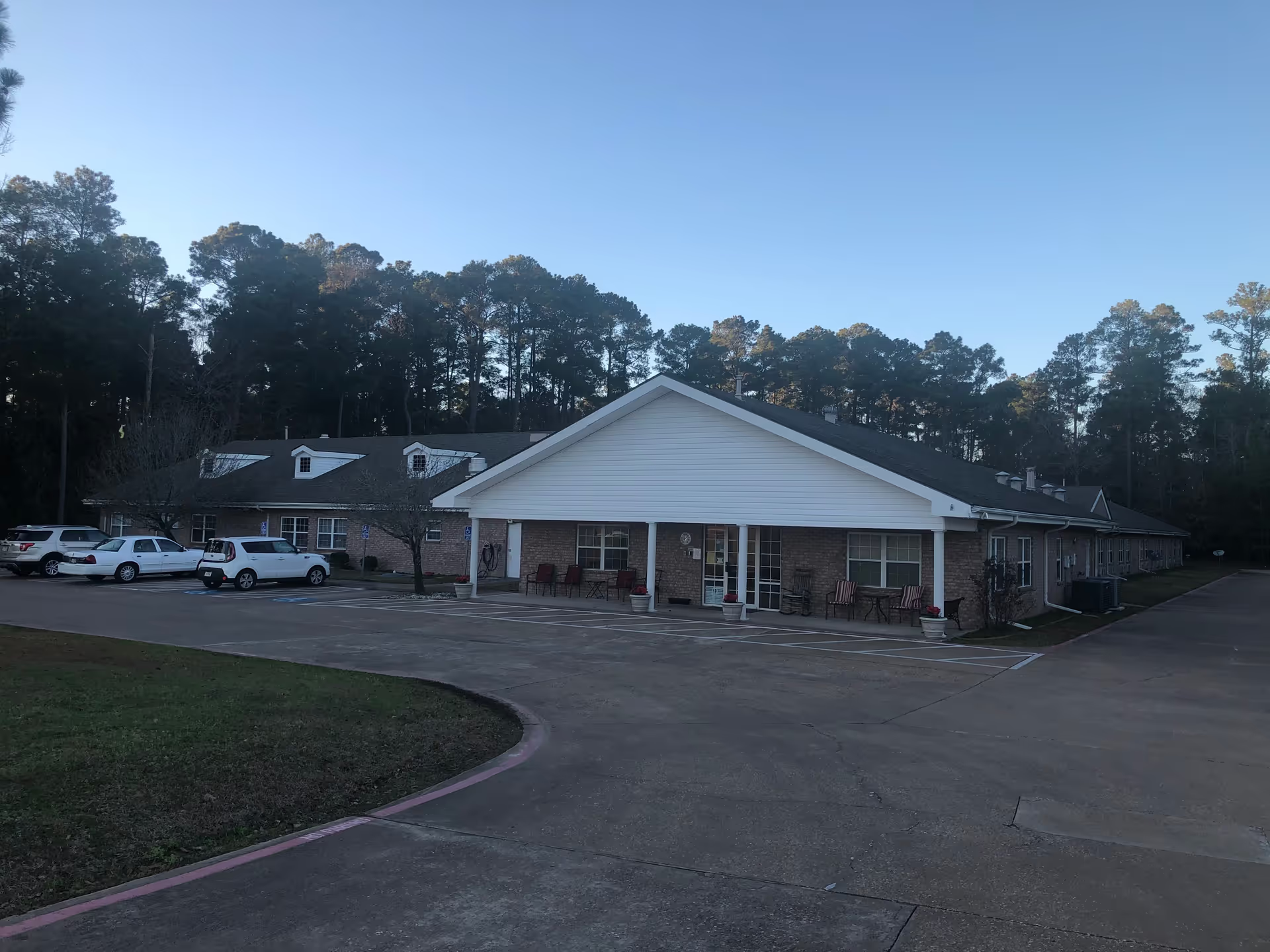
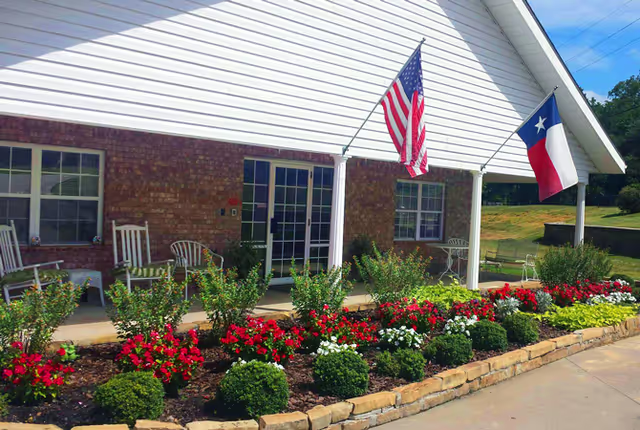
Facilities and cleanliness: The building is generally described as clean and well maintained, with a pleasant atmosphere. Reviewers note cleanliness and an orderly environment as strengths of the facility.
Management, administration, and communication: While on-site leadership and some administrative staff are described positively, a pattern of administrative concerns appears in multiple accounts. These include inconsistent paperwork processing, communication gaps between families and administrative staff, and strained management–employee relations. There are also serious financial-administration concerns conveyed by families, including aggressive billing and collections behavior; one account specifically described escalation to legal threats. Separately, at least one reviewer raised a serious infection-related event that culminated in a resident death and led to questions about infection-control practices and post-incident communication with families.
Notable patterns and considerations: The facility's strengths are concentrated in direct resident care, therapy, dining, and a well-kept physical environment. The main operational risks to weigh are variability in staffing continuity, administrative and billing practices, and potential gaps in infection-control response and family communication following clinical incidents. Prospective residents and families who prioritize strong bedside care and rehabilitation may find Summit suitable, but it would be prudent to discuss current staffing levels, infection-prevention protocols, billing policies, and preferred communication pathways with facility leadership before placement.