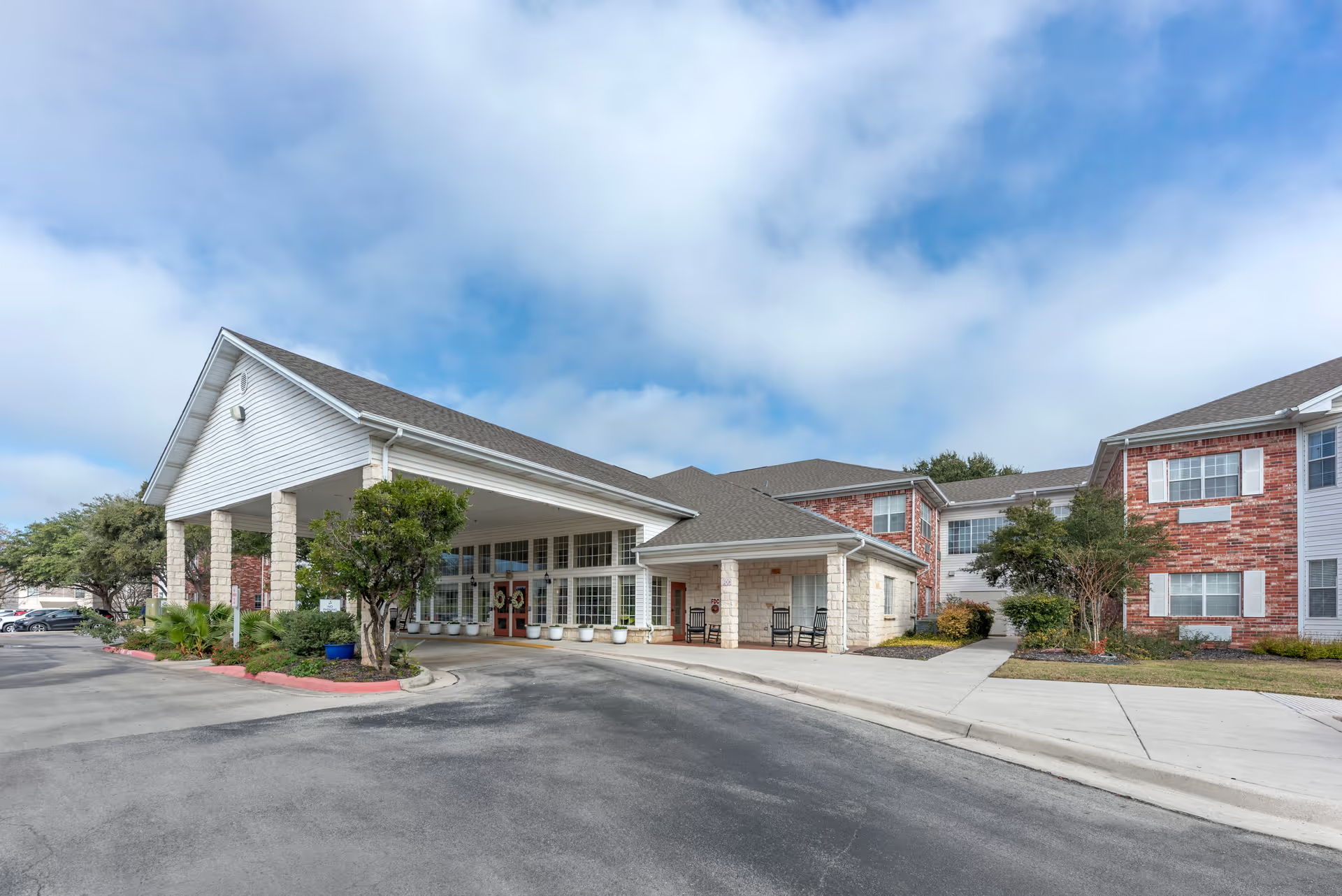
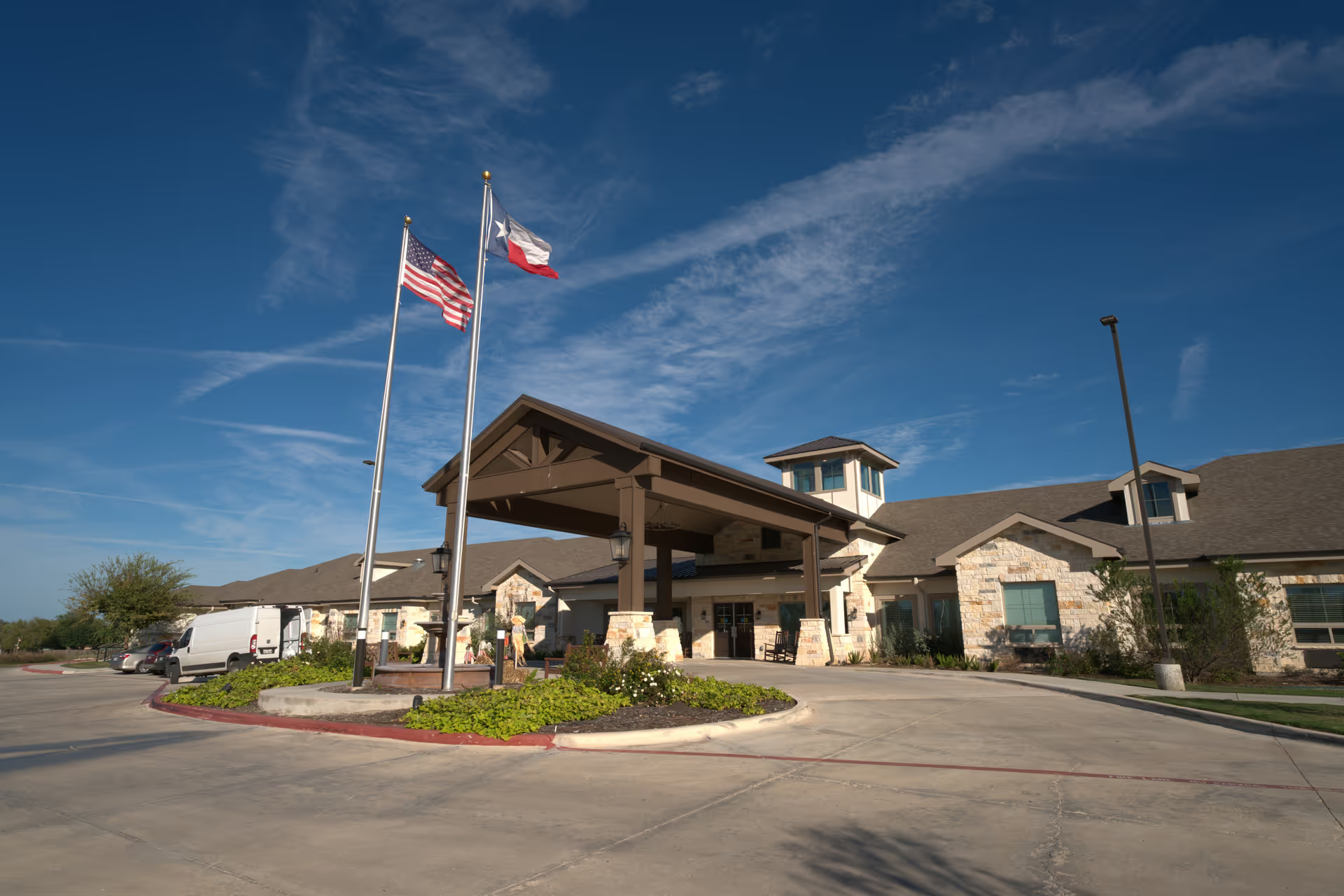
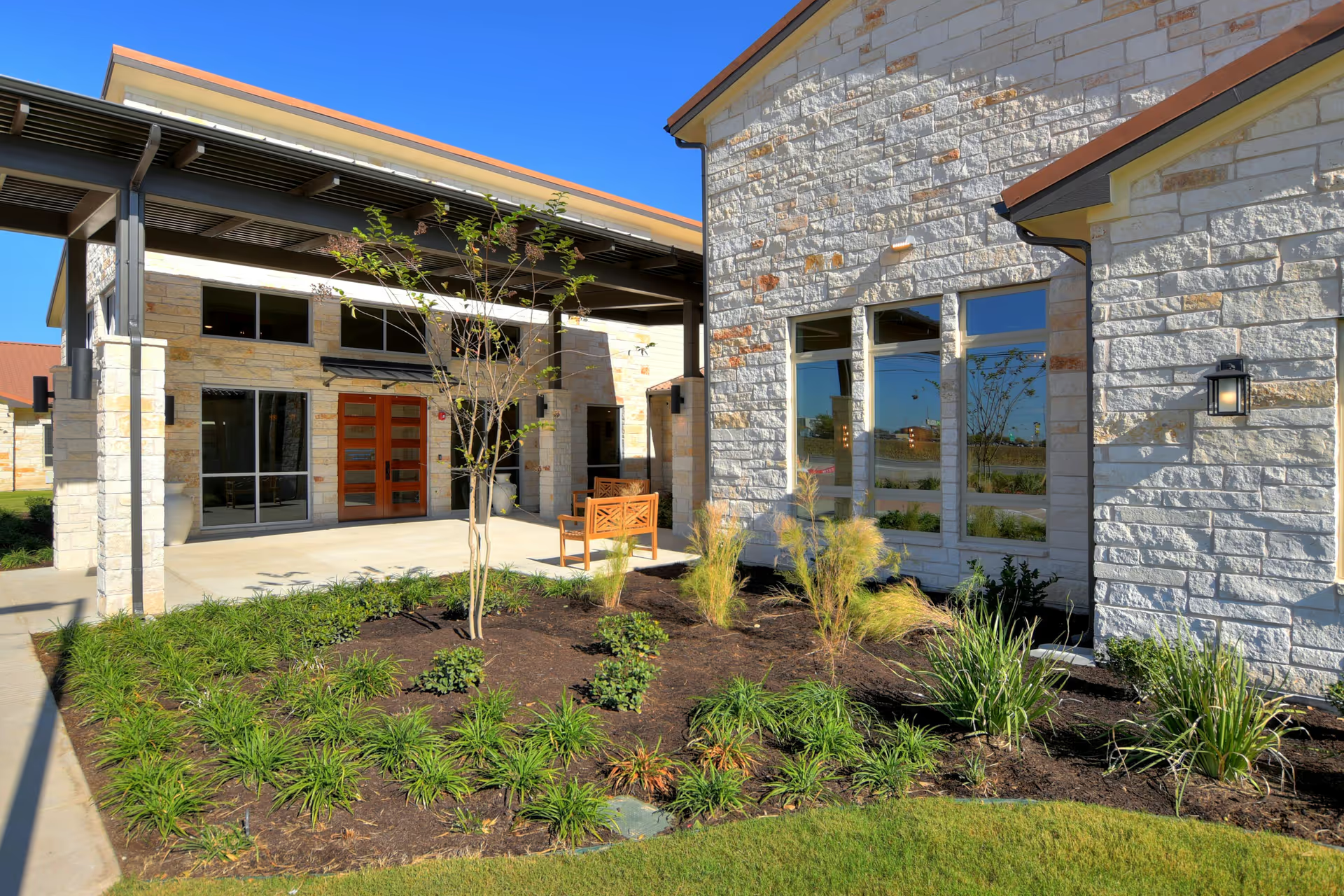
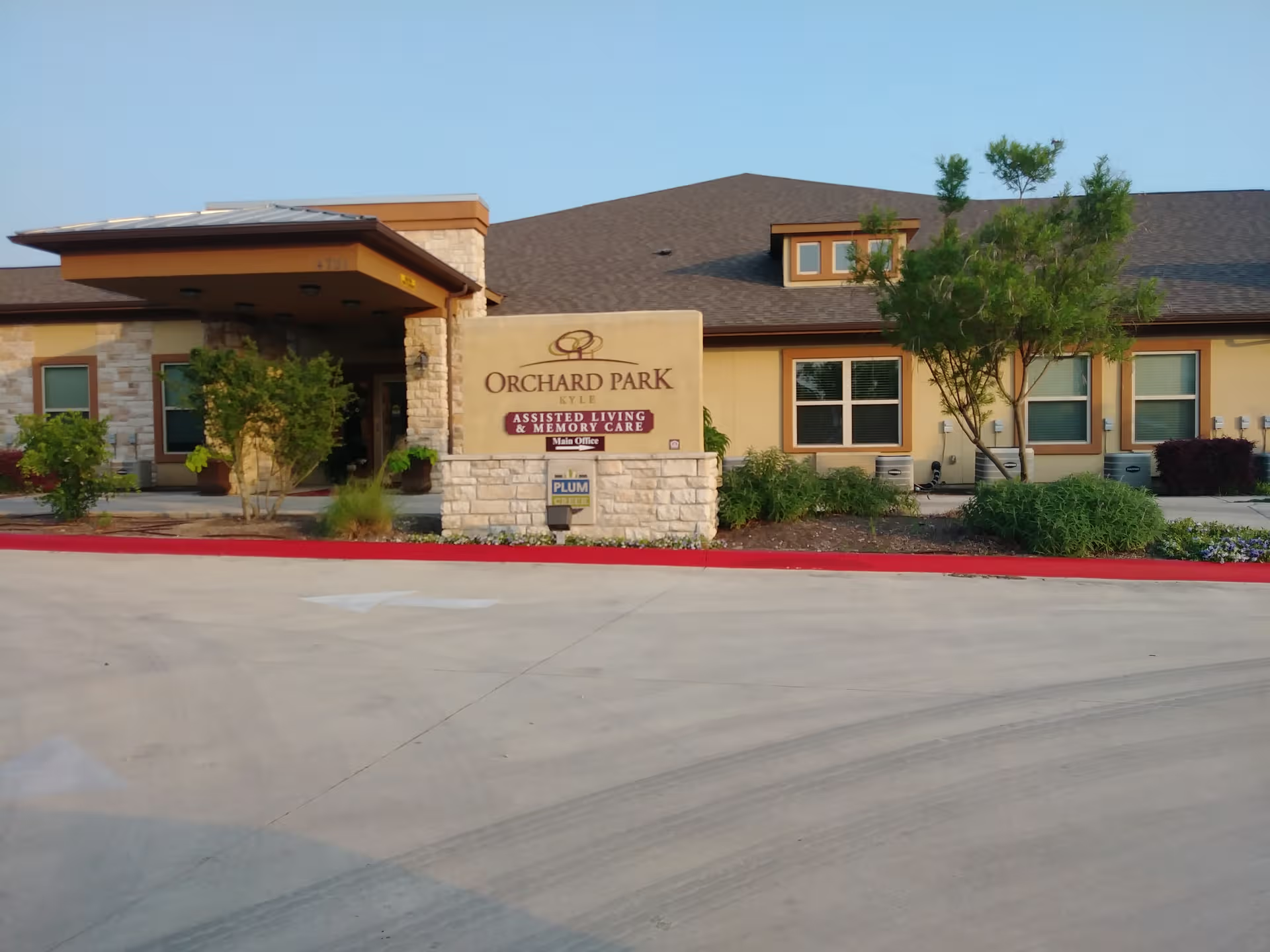
San Marcos Rehabilitation & Health Care elicits strongly polarized impressions. Many families and visitors praise the staff — nurses, therapists, admissions personnel and activity staff — for compassionate, person-centered care, strong clinical knowledge, and a welcoming, family-like atmosphere. The facility offers a broad range of activities (bingo, balloon volleyball, prize carts, holiday events), onsite therapy and rehabilitation services, safe outdoor space, and infection-control procedures for memory-care admissions. Multiple comments highlight clean common areas and bathrooms, visible sanitation supplies, and a pleasant entry experience.
At the same time, reviews describe persistent operational weaknesses that affect reliability of day-to-day care. Staffing instability and nurse turnover are recurring themes tied to inconsistent responsiveness, scheduling gaps, and variability in assistance with activities of daily living such as bathing, oral care, and incontinence support. Several accounts raise concerns about coordination of care across shifts and with external providers, including transportation delays to appointments and missed follow-up. Communication lapses between staff and families — delayed responses, unavailable administrators, and unclear incident explanations — are also commonly referenced.
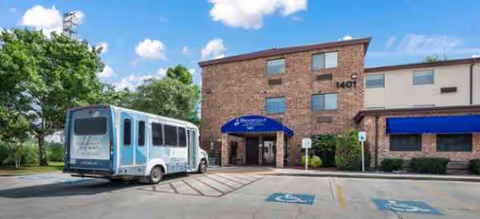
Dining and facility-condition comments are mixed. Some families express satisfaction with meals and nutrition, while others describe inconsistent food quality and occasional inadequate portions. The physical plant is frequently characterized as older and in need of modernization; reviewers note accessibility issues, ADA noncompliance in some bathrooms, worn common areas, and parking-lot problems. Cleanliness assessments vary by area — with specific praise for spotless bathrooms and sanitizer availability alongside reports of sanitation and odor concerns in certain hallways and rooms.
Safety, clinical incident response, and administrative oversight are important patterns to note. A subset of reviews describe serious adverse events and concerns about how the facility responded and communicated with families; those accounts indicate gaps in incident management, timeliness of clinical intervention, and family notification. There are also isolated but serious allegations regarding handling of resident belongings and finances. Conversely, other reviewers describe excellent clinical leadership, attentive after-hours admissions support, and staff who go beyond expectations to meet resident needs.
Overall, San Marcos appears to provide strong clinical and rehabilitative capabilities with a caring staff and active engagement programming, but prospective residents and families should be attentive to operational variability. When evaluating the facility in person, consider asking about staffing ratios and turnover, ADL and incontinence-care protocols, medication and pain-management continuity, transportation procedures, sanitation audits, ADA accessibility, and the facility’s incident-response and family-communication policies. These targeted questions can help reconcile the facility’s clear strengths in care and therapy with the operational issues noted by some families.