The reviews describe Happy Sunflower as a small, family-style assisted living home where care is personal and relationship-focused. Families and visitors praise caregivers for patience, kindness, and attention to residents’ dignity. Accounts include tailored support for people with dementia, gentle reassurance when residents are unwell, and close attention to changes in mood, awareness, and abilities. One family describes a parent becoming happier and more communicative after moving to the home, while another highlights a comfortable transition and the relationships fostered by the residential setting.
Staff are consistently characterized as warm, professional, and attentive. Families value the owner’s hands-on involvement and report thoughtful, ongoing communication. The owner is also described as experienced and generous in sharing guidance with other residential-care operators. Overall, the feedback presents management as closely engaged in residents’ daily experience and in setting a caring tone for the home.
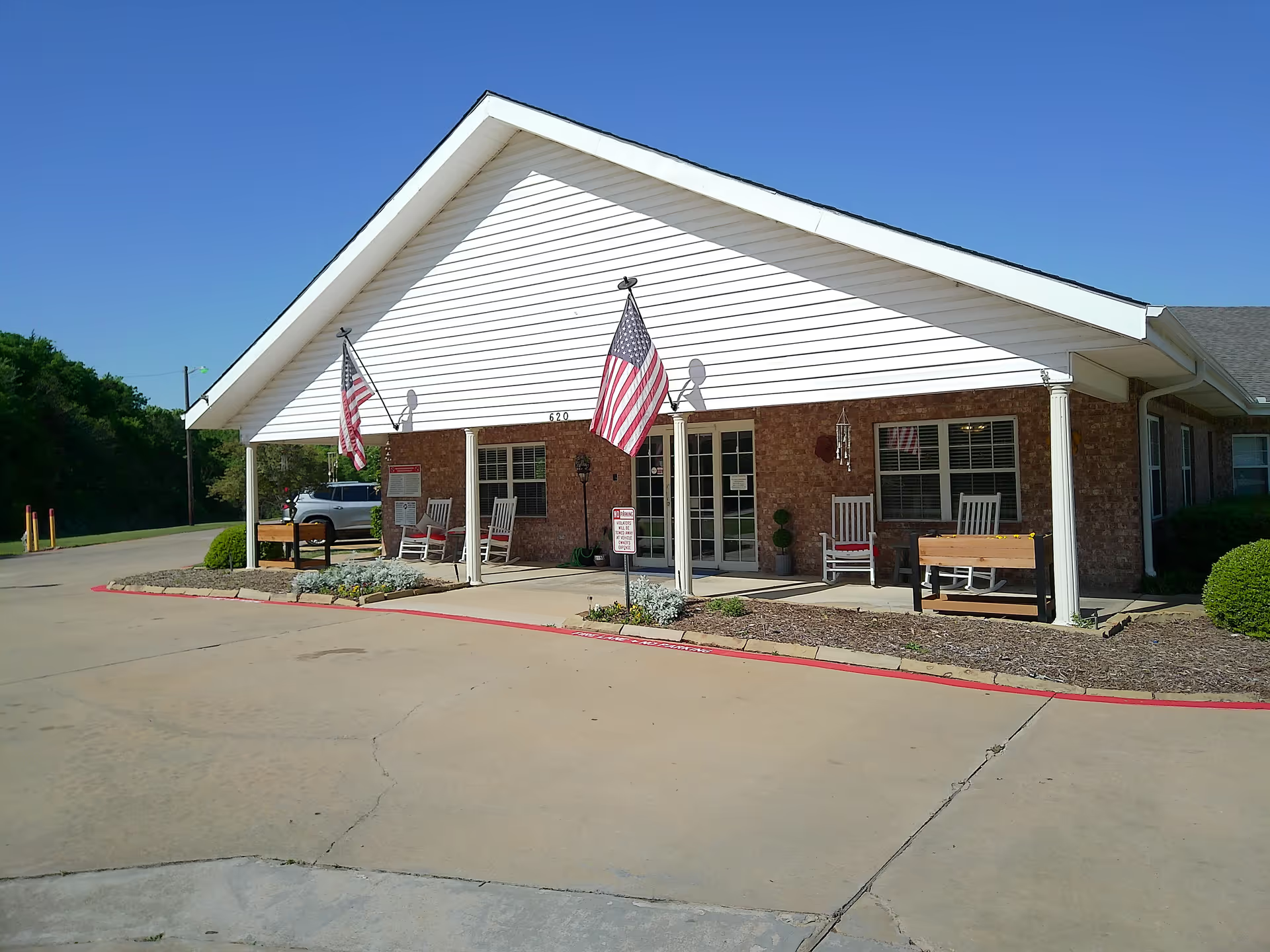
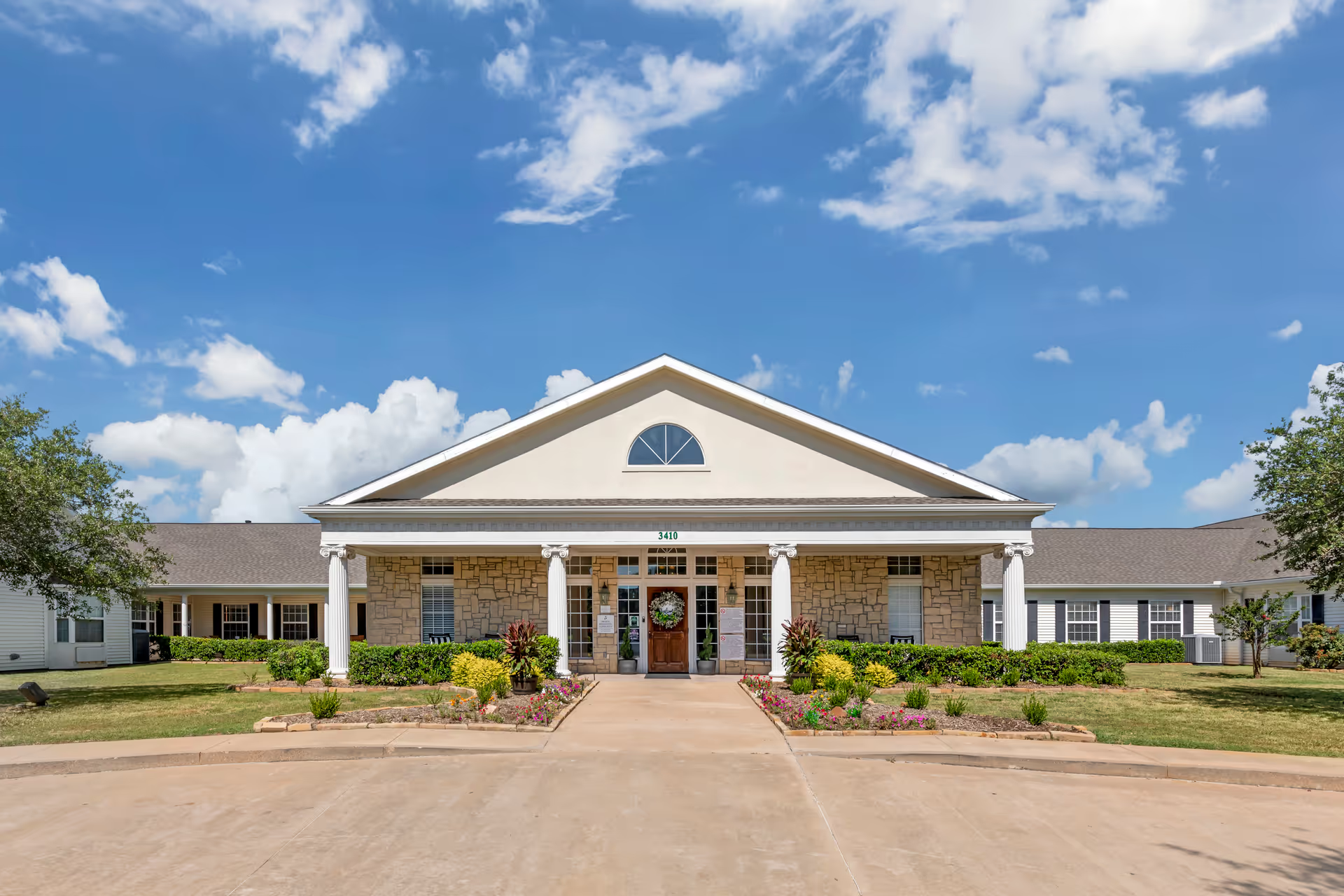
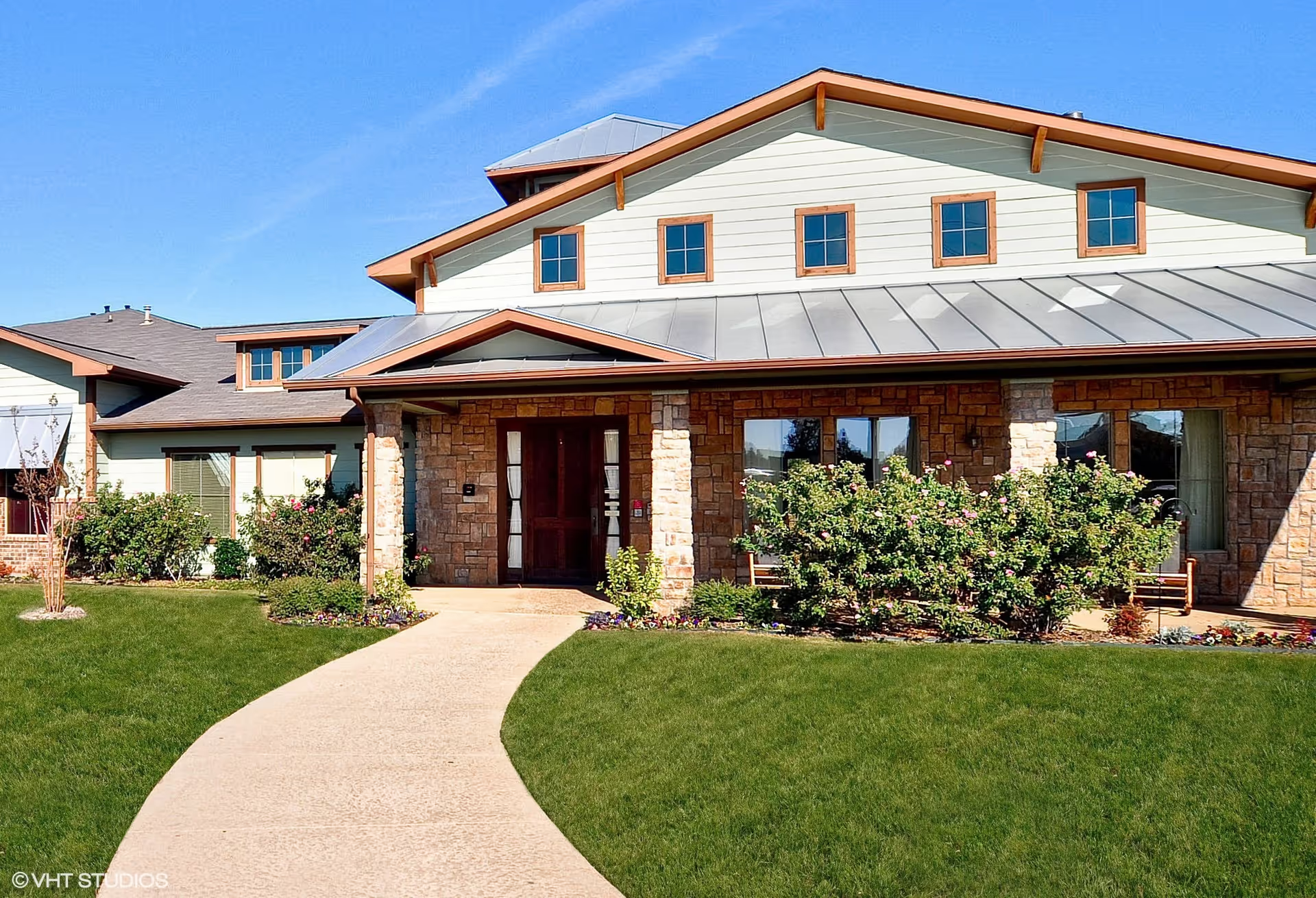
Dining is a recurring positive: reviewers describe homemade meals as delicious and note that residents’ food and individual needs receive attention. The home itself is characterized as cozy, welcoming, clean, and comfortable; one visitor specifically notes that it is consistently spotless, and another mentions daily bed-sheet changes. These are positive impressions from reviewers rather than a detailed account of formal housekeeping or dining procedures.
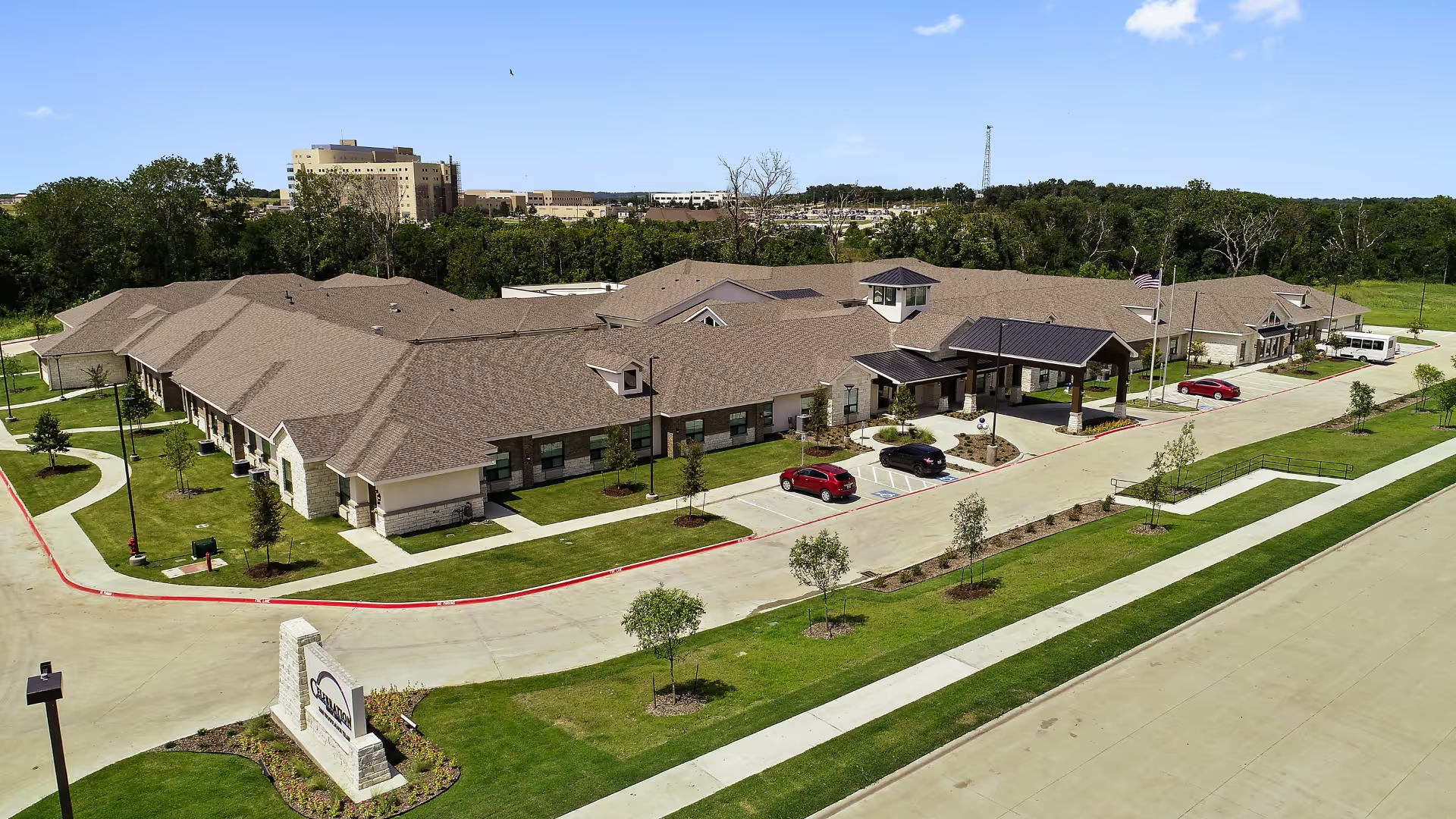
Residents are described as having regular opportunities for engagement, including games, crafts, cooking, outdoor activities, and family gatherings. One family specifically notes that activities were adapted for a resident who used a wheelchair. A consistent theme is that the smaller home setting feels more familiar and personal than a large facility, helping residents and families feel connected. The reviews are overwhelmingly favorable and do not identify a recurring operational weakness; they provide limited detail, however, about areas such as staffing levels, clinical services, costs, or formal care policies.